Tatarstan Moves 81.7% of Utility Payments Online
Tatarstan residents overwhelmingly prefer to pay for housing and utility services online, underscoring how digital utility services have become a routine part of daily life for millions of Russians.
According to data presented at a meeting in the Republic of Tatarstan Government House by Damir Shaidullin, First Deputy Minister of Construction, Architecture and Housing and Utilities, the share of housing and utility payments made electronically has reached 81.7%.
In January and February, overall payment collection reached 95%, while the annual average stands at 99.1%. At the same time, overdue debt for gas and electricity consumption has declined.
The steady rise in digital utility payments shows that consumers value convenience. Residents no longer need to visit bank branches or post offices, and billing and payment history remains accessible at any time through digital platforms.
For utility providers and regional authorities, this shift improves visibility into payment discipline and reduces costs tied to paper-based billing. At the national level, it reinforces that Russia’s push to digitize utility services is delivering results and that these tools are becoming standard practice.

From Regional Progress to National Capability
Tatarstan’s performance reflects broader national momentum. In 2021, the Russian government set a target to raise the share of electronic utility payments to 80% by 2030. In practice, several regions have already surpassed that benchmark.
This progress highlights the maturity of Russia’s digital utility infrastructure. The next phase will move beyond online payments toward a fully digital service cycle, including electronic bills, a unified payment document, automated reconciliation of charges, and integration with GIS Housing and Utilities and the Gosuslugi Dom application. Work in this direction is already underway.
How Digital Tools Are Reshaping Payment Behavior
Back in 2023, the Moscow region began consolidating utility payments into a Unified Payment Document that combined all bills into a single statement. At that stage, the document was still delivered in a traditional paper format.
In 2025, the Moscow region became one of the first to launch a pilot project introducing a digital Unified Payment Document through the regional Gosuslugi portal. The pilot has now been extended through the end of 2026, and tens of thousands of residents are already using the service.
The transition to digital payment channels is also advancing at the federal level. In 2025, Russia’s Ministry of Construction prepared draft legislation to introduce a Unified Payment Document hosted on the Gosuslugi portal. The proposal is under active discussion, alongside work on resolving technical implementation challenges.
Residents will continue to have a choice in how they receive their bills, whether electronically or in traditional paper form, particularly given regional differences and the potential limitations of digital access.

Three Outlooks for the Future of Utility Payments
Tatarstan’s experience shows that digital utility payments are now the norm for most residents, and the hesitation once associated with digital services has largely disappeared.
In the near term, paper bills are likely to decline further as digital billing shifts all user interactions into online environments.
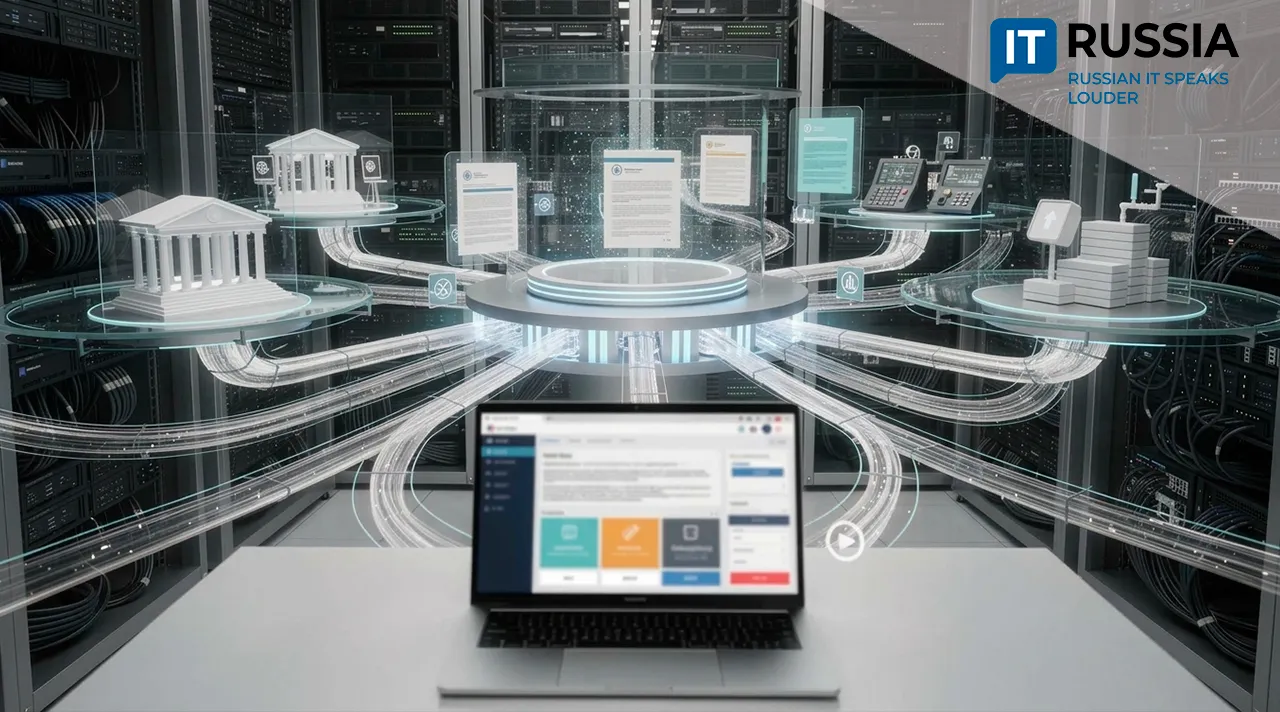
Platform-based models will become more important, allowing residents to manage meter readings, billing, and payment history within a single ecosystem rather than across multiple applications.
A third key trend is that continued development of digital utility services will support the growth of Russian IT solutions in municipal infrastructure. This will expand the domestic market for such technologies and create opportunities to export them to countries with similar utility systems, ultimately improving service reliability and efficiency for end users.