Tyumen Researchers Develop Health Monitoring System for Arctic Shift Workers
The software helps identify cardiovascular risk factors and prevent acute conditions among workers in remote regions.

Scientists at Tyumen State Medical University have developed a computer program to assess the cardiovascular health of shift workers operating in remote Arctic locations. The developers say the system can identify risk factors for cardiovascular disease and help prevent acute conditions, the university’s press service told IT-Russia.
Early Warning of Health Risks
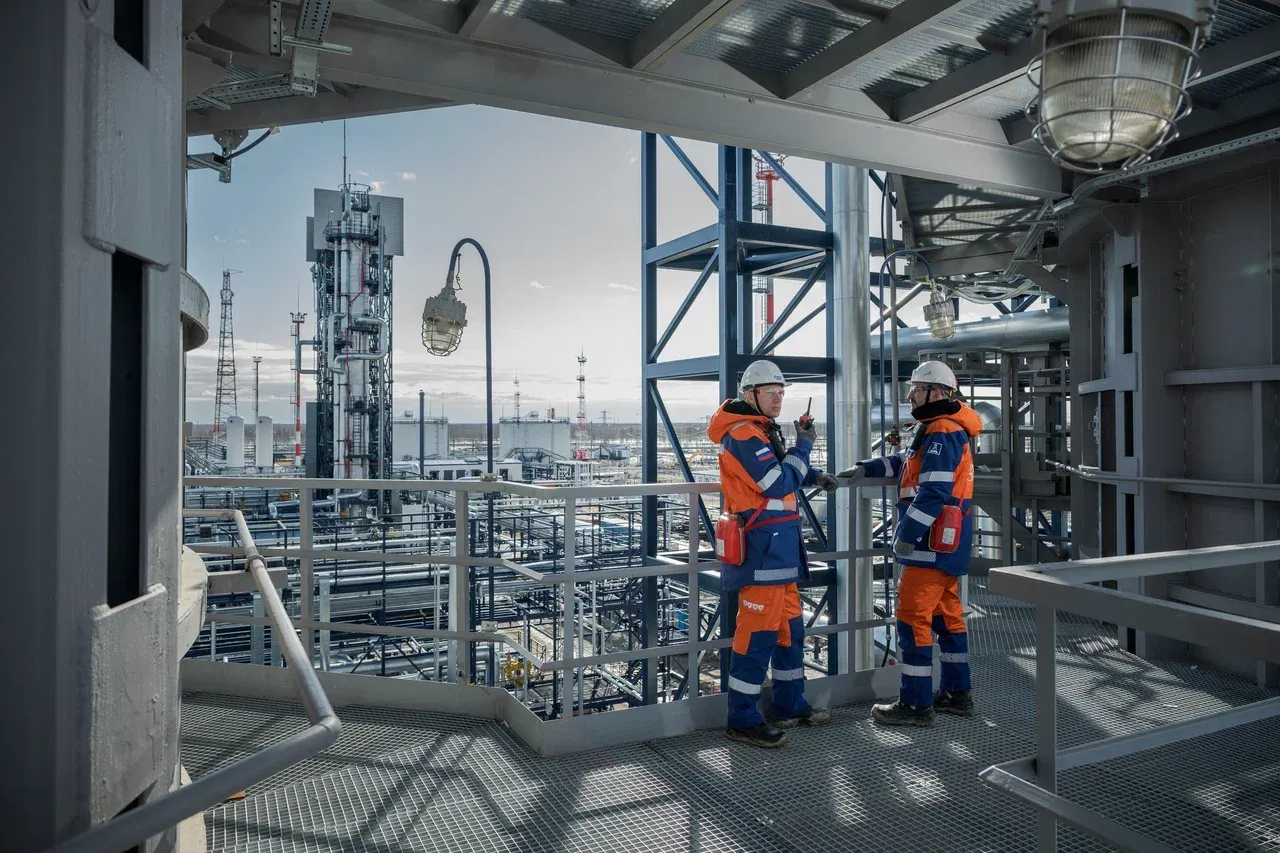
Working in the Far North is both physically and psychologically demanding due to extreme weather conditions. As a result, many employees work on a rotational basis, leading to frequent staff turnover.
To improve the quality of medical care, the researchers developed a system that flags potential cardiovascular issues. The software automatically processes medical data such as heart rate and blood pressure and generates a risk assessment for conditions that may require hospitalization or emergency care.
Trained on Real-World Data
The system is based on a dataset of medical examinations of workers in the fuel and energy sector, which was used to train the model. Larger datasets could further improve the accuracy of cardiovascular risk predictions. In the future, the technology could support the creation of a unified health monitoring system for workers in extreme environments.
Earlier reports said an AI system for remote blood pressure monitoring had been launched in the Arctic.