Underwater Scout: How a Russian Robotic Fish Is Reshaping Ocean Science
Russian researchers have developed and are already using a robotic system called Smart Fish to study marine environments using towed imaging in the Arctic and the Far East.
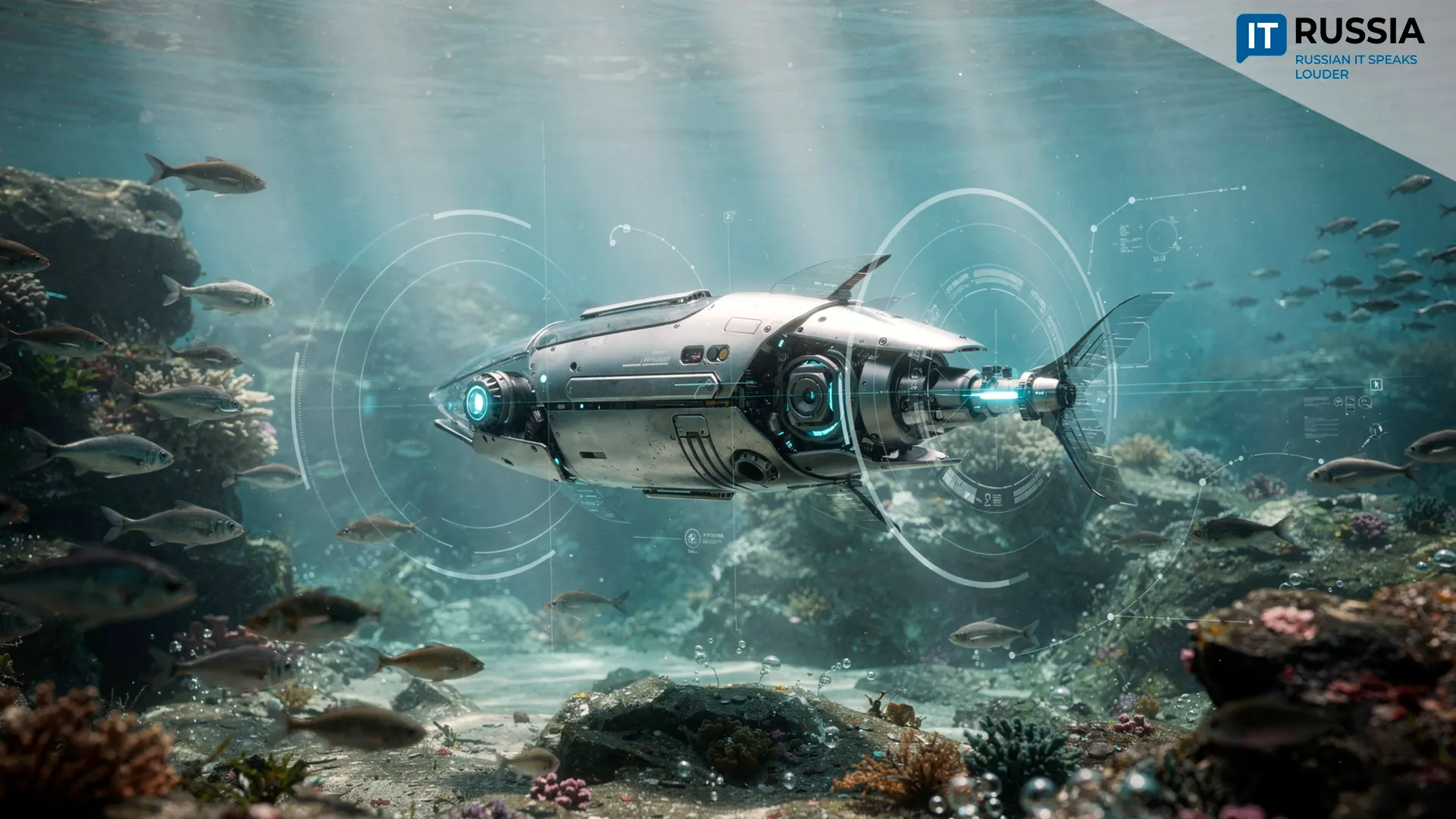
The device collects data in the near-bottom layer and transmits it to operators in real time; its reported throughput reaches about 500,000 measurements over a 12-hour operation, compared with roughly 60 measurements delivered by traditional methods over the same period.
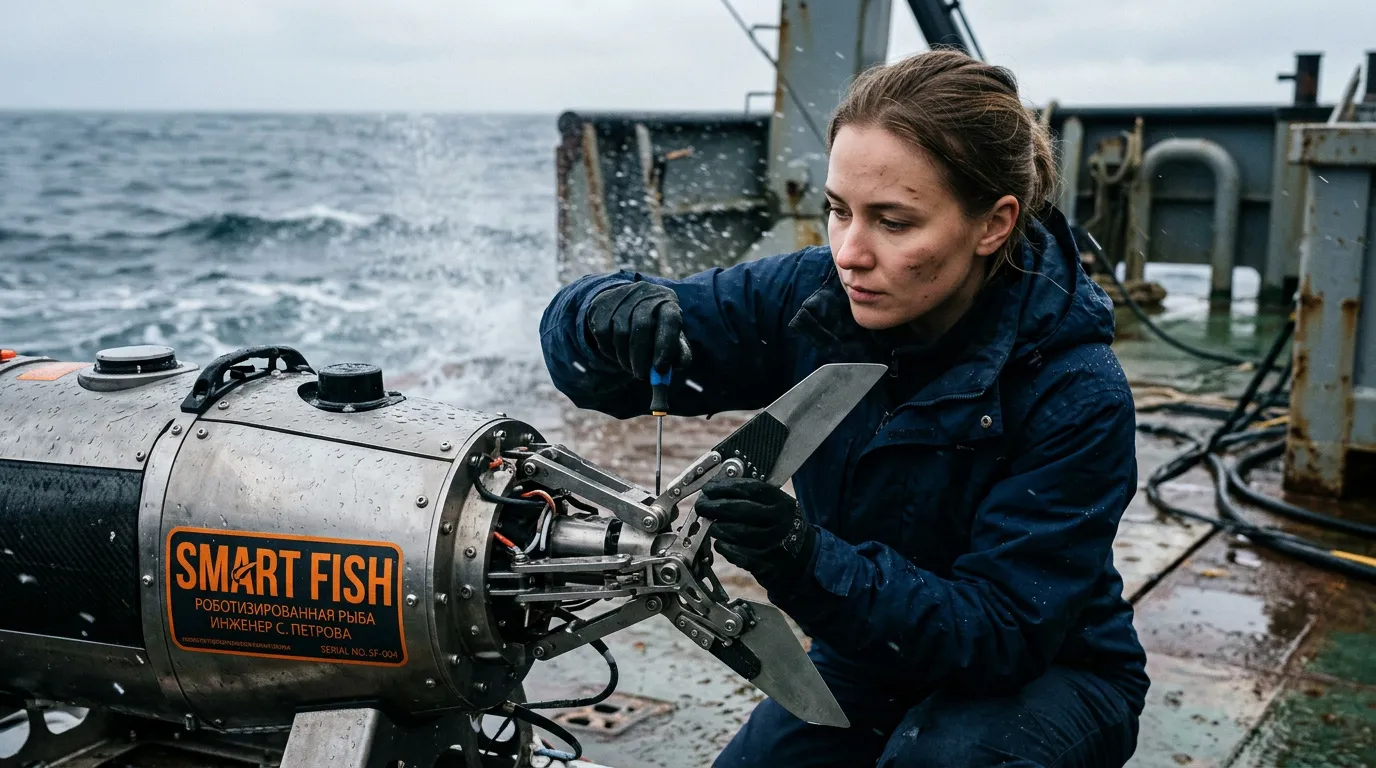
The Smart Fish robotic system, developed by specialists from Moscow Polytechnic University and the Pacific Oceanological Institute of the Far Eastern Branch of the Russian Academy of Sciences, is already operating in the harsh waters of the Arctic and the Russian Far East.
Smart Fish is a towed robotic platform designed to operate in the near-bottom zone. It streams real-time data on temperature, salinity, water chemistry, and seabed video. Its onboard machine vision system can detect and count marine life, including crabs, fish, and starfish. In effect, it functions as a “digital diver” that does not fatigue, is unaffected by extreme cold, and can observe environments beyond human reach.
A Discovery That Caught Global Attention
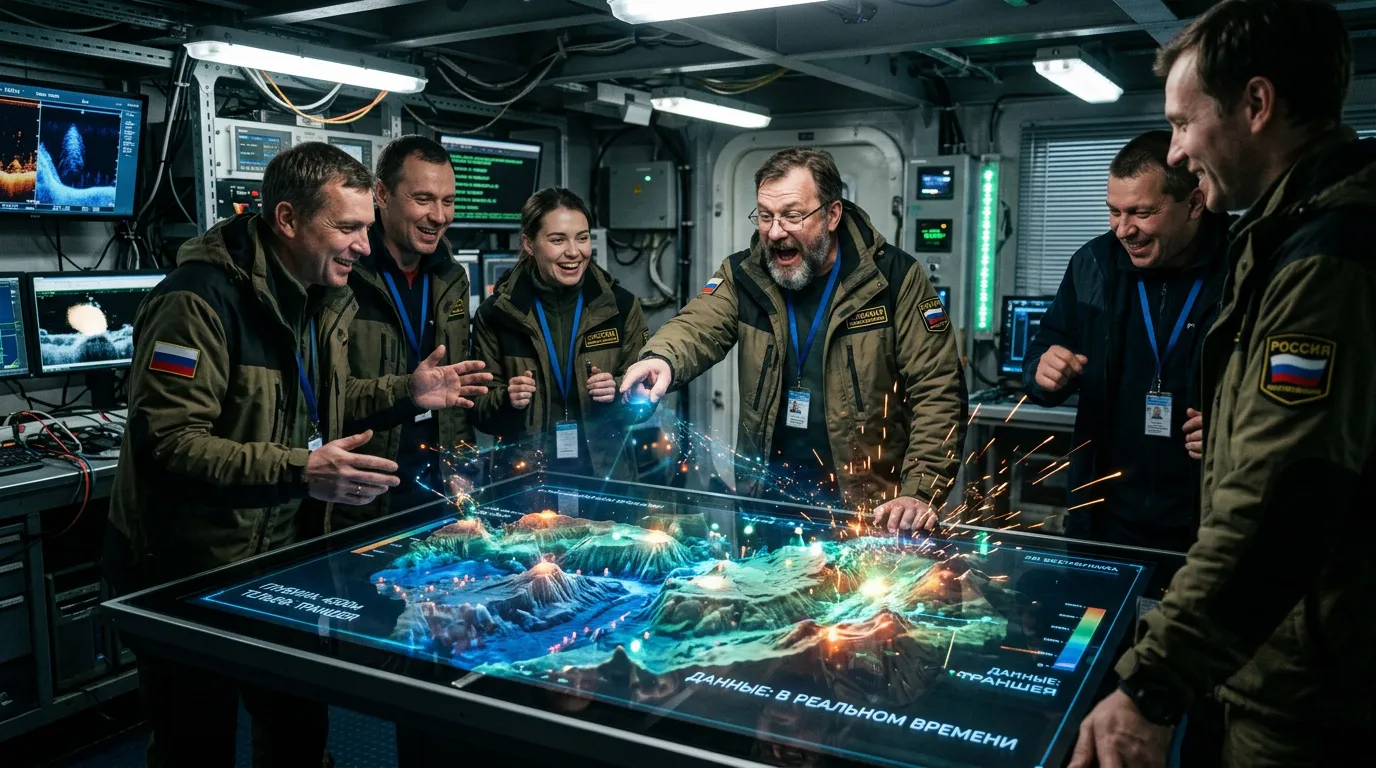
It was Smart Fish that enabled researchers to explain the so-called “Arctic oasis” in Chaun Bay on the Chukchi coast. In an environment where biological activity would typically be sparse, scientists identified a distinct and productive ecosystem. A study published in Communications Earth & Environment (Nature Portfolio) showed that the oasis is sustained by underwater hydrothermal vents that release heat, nutrients, and trace elements into surrounding waters.
Why It Matters for Russia
Under sanctions constraints, the ability to independently design and deploy advanced marine robotic platforms represents a strategic advantage. The Arctic is a zone of national interest for Russia, and the tools used to study it must be domestically developed.
The system is already used for environmental monitoring, tracking the migration of Kamchatka crab, and inspecting offshore infrastructure. Future applications include integration into fisheries management systems and environmental risk monitoring. The project brings together robotics, instrumentation engineering, big data processing, and machine vision, capabilities that are likely to shape the next generation of marine technologies.
A Russian Response to a Global Challenge
Data from hard-to-reach Arctic waters is critical for building accurate climate models. The global scientific community is confronting climate change and the degradation of marine ecosystems. Publishing Smart Fish research in a Nature Portfolio journal signals not just scientific credibility, but also Russia’s contribution to addressing global environmental challenges.
As UNESCO notes, autonomous robotic platforms are becoming the backbone of modern ocean observation systems, including the Global Ocean Observing System (GOOS). Smart Fish aligns with this trend by offering an efficient way to collect data where conventional methods fall short.
What Comes Next
The development team is now focused on enhancing the software stack. Planned upgrades include higher levels of automation, improved object recognition accuracy, and advanced image post-processing. Discussions are also underway on commercial deployment in the fisheries sector.
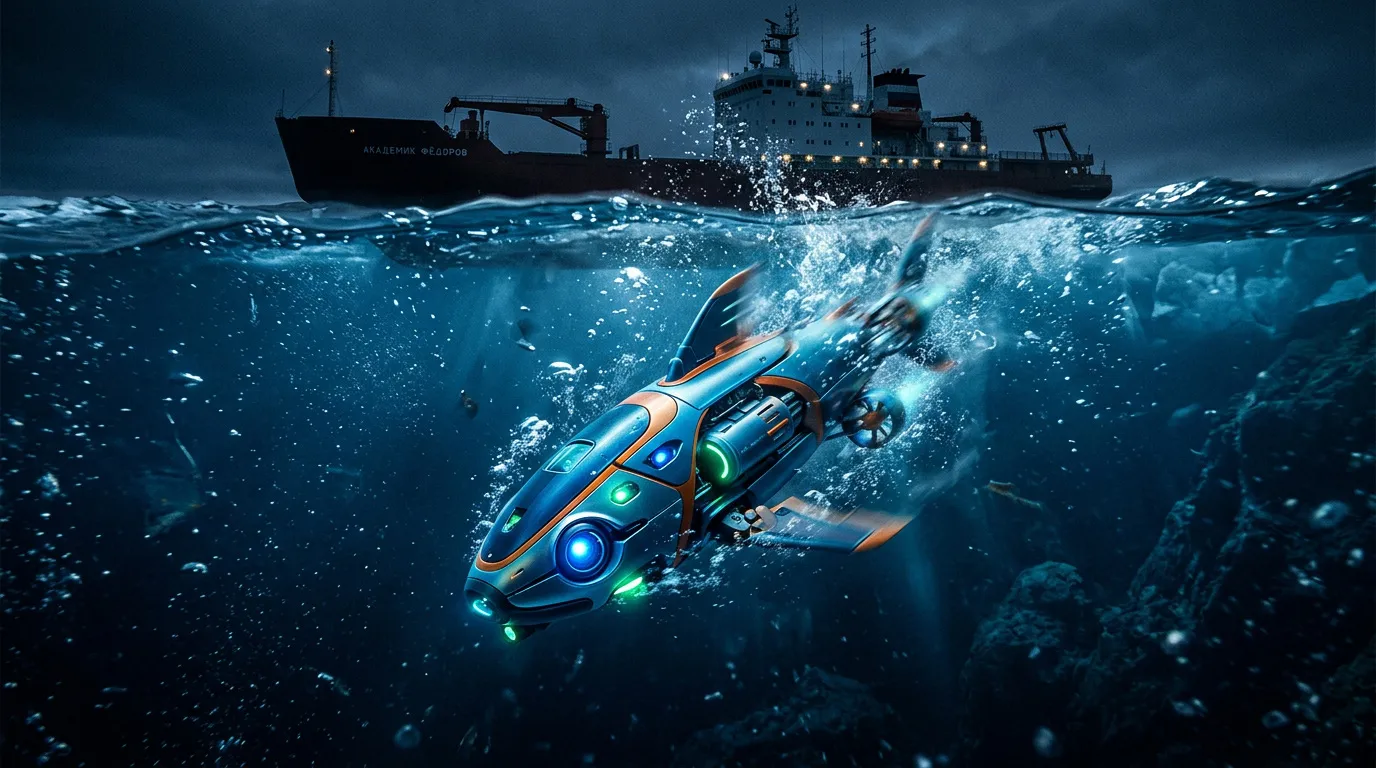
The story of Smart Fish is not just about another robot. It reflects the emergence of a new model of applied marine research in Russia, where engineering platforms, artificial intelligence, and fundamental science operate as a unified system.