Viktor Bout: Digital Sovereignty Is a Matter of National Security and the Economy of the Home Front
Digital sovereignty is directly linked to national interests, while the digital economy today functions as the country’s home-front economy. Its development requires a systematic approach and human, financial, technological and software resources.
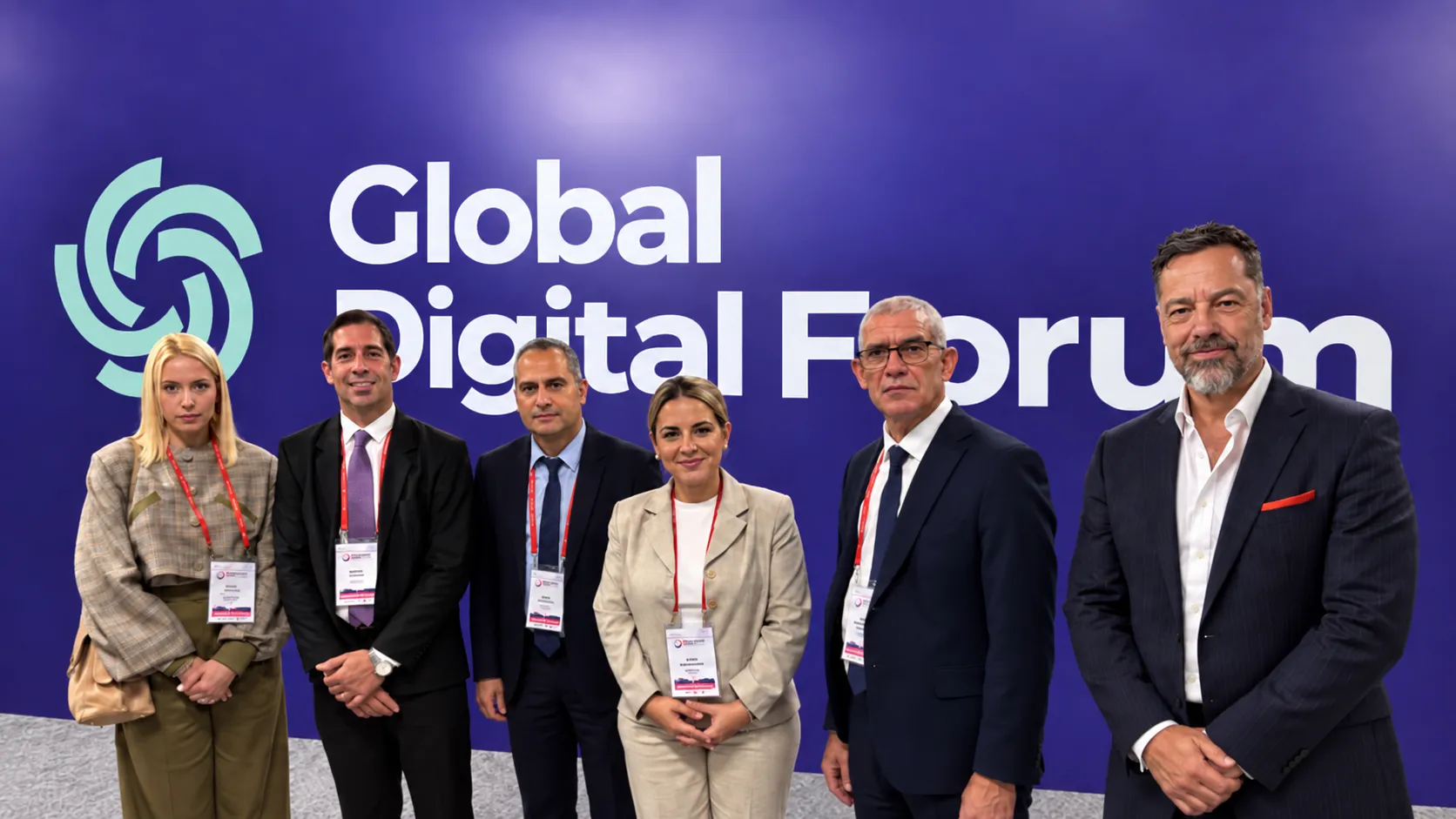
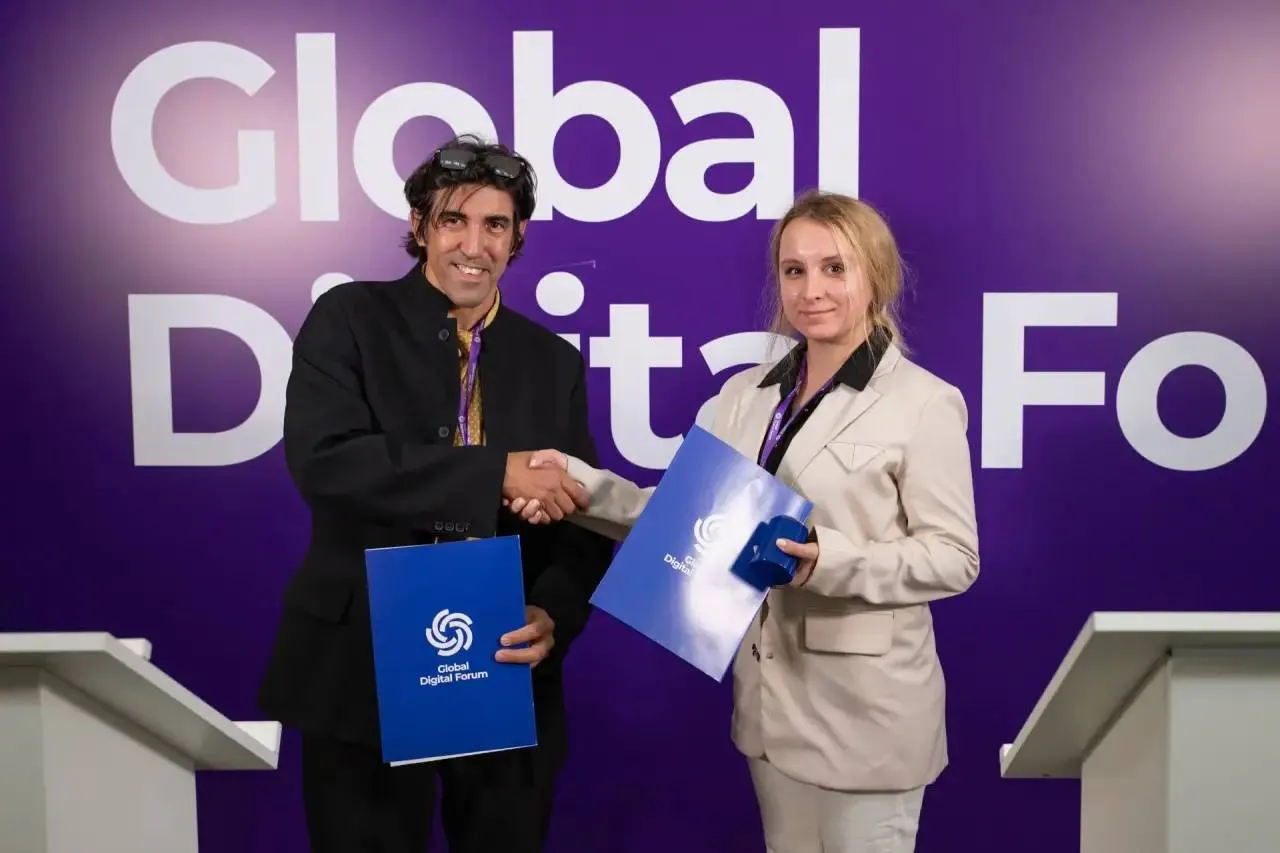
The 2nd Global Digital Forum will address digital transformation, technology solutions and international cooperation. It will take place from Oct. 8 to 10 at the Mechta venue in Moscow’s Gorky Park. The forum is set to bring together guests from 120 countries.
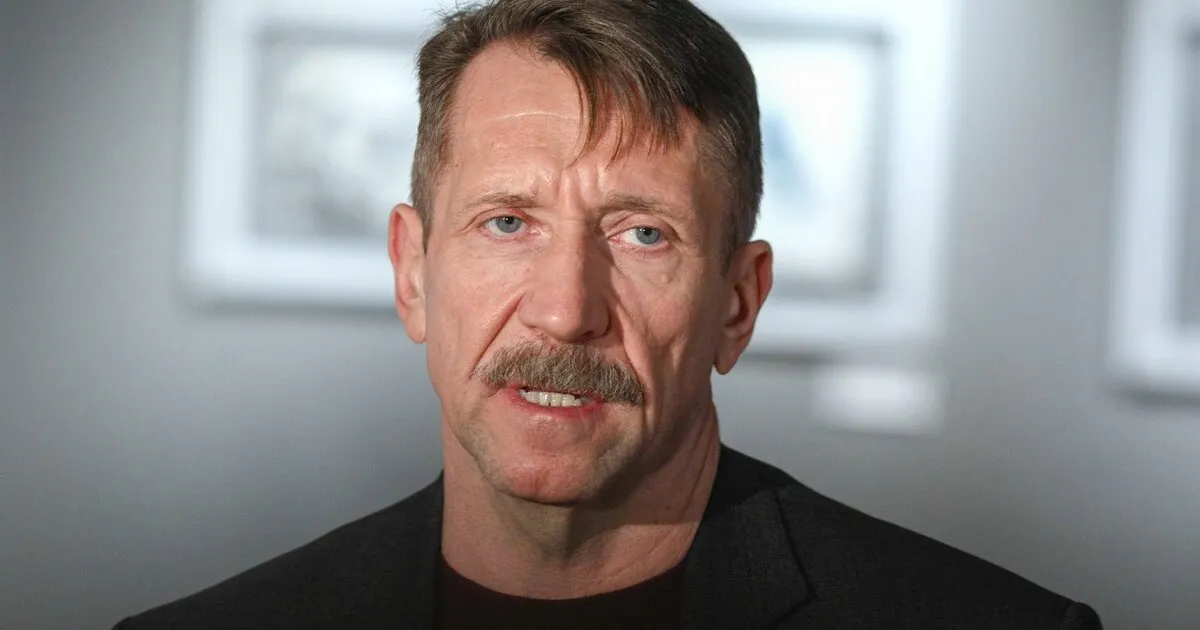
Ahead of the forum, entrepreneur Viktor Anatolyevich Bout spoke to IT Russia about why digital sovereignty is strategically important to the country’s security, what role the digital economy plays amid the current confrontation, and what resources are needed to develop it.
– Digital sovereignty of the Russian Federation is of strategic importance for ensuring our country’s security, especially amid this confrontation with the collective West and preparations for a larger-scale conflict.
If we look at the entire digital infrastructure from a logistics perspective, we can draw the following analogy: it is the same transportation system, except that instead of cargo and goods, terabytes of information are being moved, and that information has become critically important in the digital age. Here, it is very important to understand who controls this logistics. We are talking not only about control over data centers. It also includes the rest of the infrastructure and everyone involved in the entire supply chain. This is a matter of our national interests.
It is encouraging that, after years of falling behind, Russia has managed to build an architecture of digital sovereignty.
We can and should criticize our digital authorities for shortcomings in legislation. We can criticize our manufacturers for the high prices we have to pay for domestic equipment and for small-scale production. But overall, we have indeed made a breakthrough, even though many in the West had long considered Russian digital sovereignty impossible.
More than 33,000 sanctions have been imposed against our country. And this pressure will only increase. The United States and its Western satellites are trying to restrict our access to the equipment and software we need, and, most importantly, to technologies. It is very important for us to continue working intensively so that we no longer depend on external suppliers.
Today, the digital economy is also the country’s home-front economy while it is engaged in active hostilities. What does it take to develop it?
Let’s take it step by step. Resources. First and foremost, human resources. We need our engineers and programmers to be ahead of the rest of the world. And here, a very important question is how to support, persuade and motivate our talented engineers and programmers to stay in the country.
Of course, we also need financial resources. In addition to the government, there must be investors capable of financing our own, domestic breakthrough developments. We do not need to try to reproduce and copy what others have done. We need to create our own.
Next come technological resources. Ideally, we need our own world-class chip manufacturing.
Then there are software resources. Our software should match the world’s best examples. Our neural networks and sovereign AI models should be able to compete with their Western counterparts. We can see that artificial intelligence is becoming a weapon. It is being actively used in military operations. It is also being used as a weapon to influence the public, especially young people. This too is our front in the struggle and our field of work.
We cannot solve these problems without a systematic, comprehensive approach. This is a government task and a national priority.