Virtual Reality for Engineers: VTI Builds a Next-Generation CAD System for Power Engineering
Virtual reality technologies are set to reshape how complex energy facilities are designed, as the All-Russian Thermal Engineering Institute (VTI) begins developing a new-generation CAD platform.
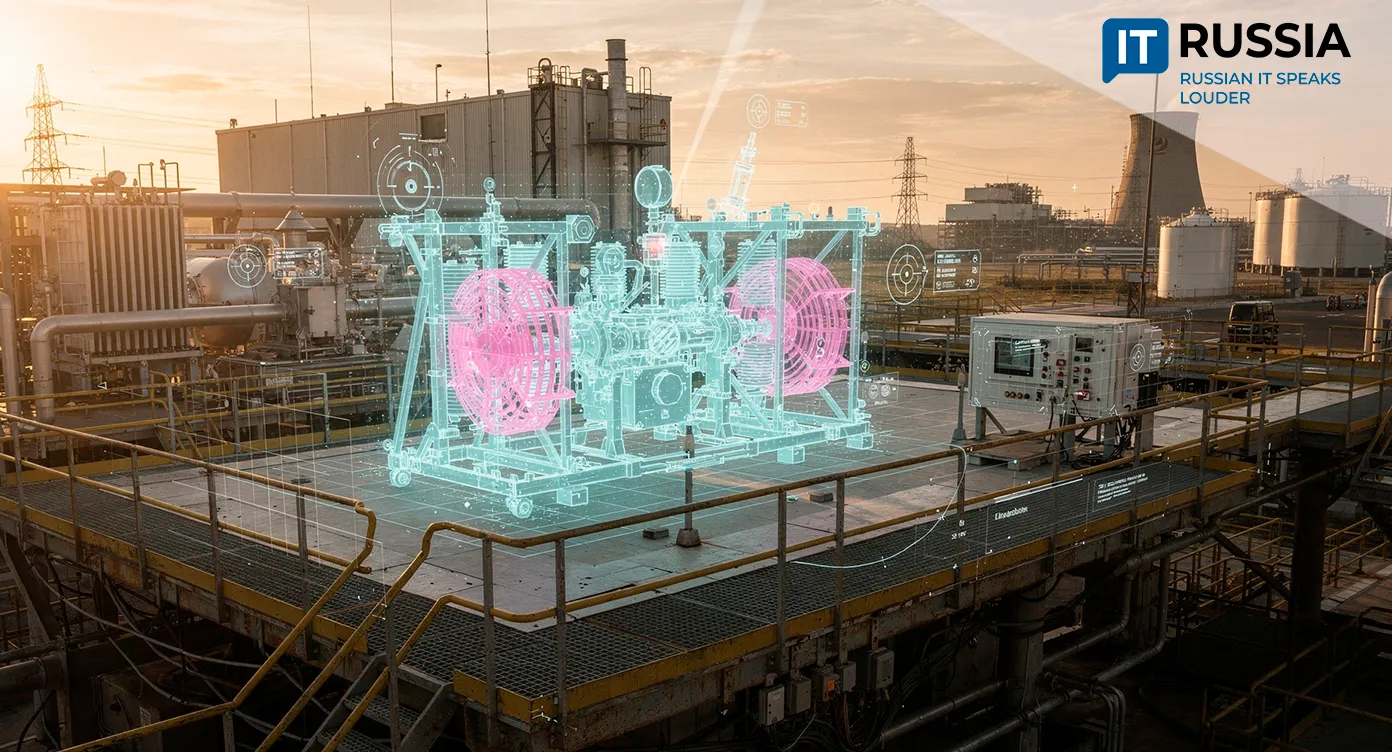
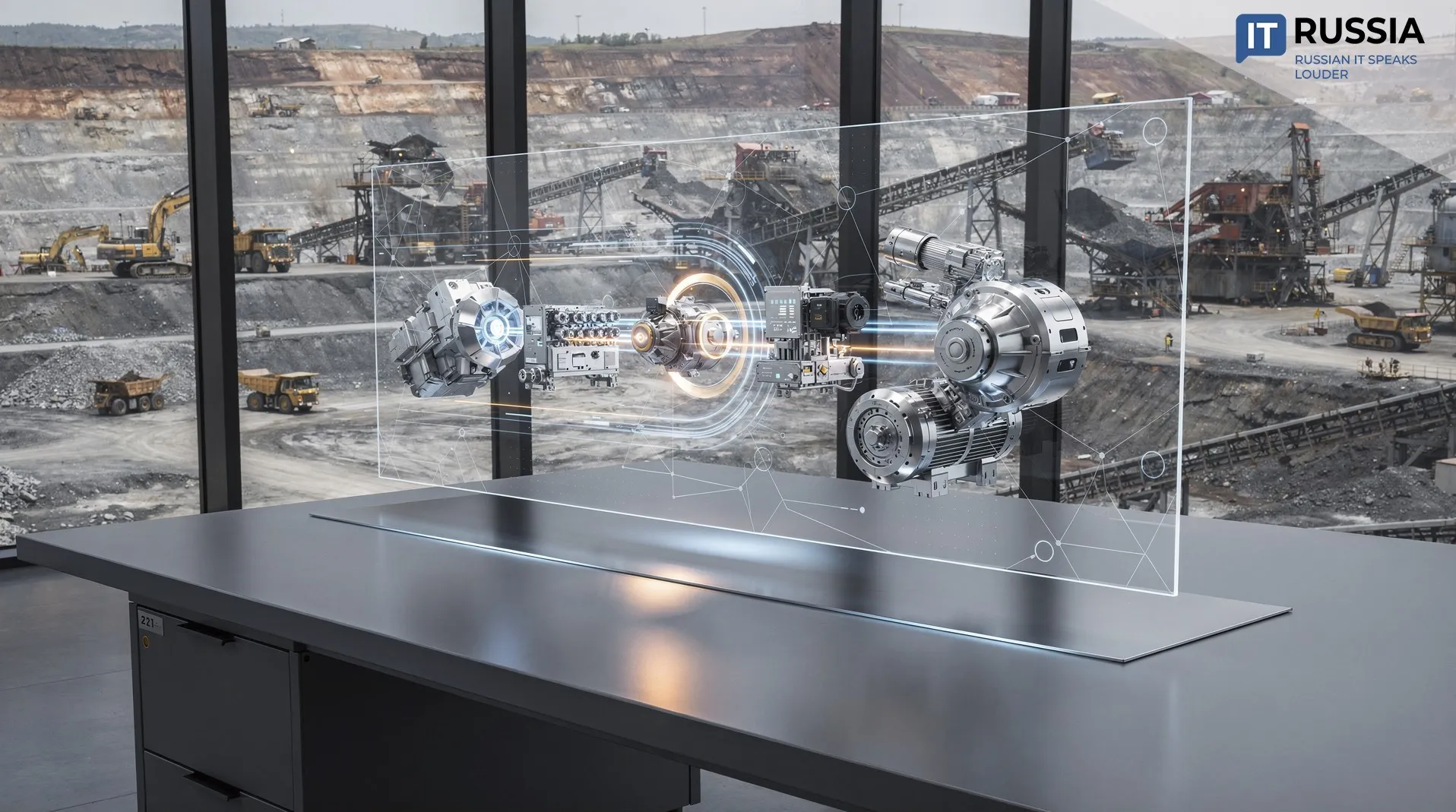
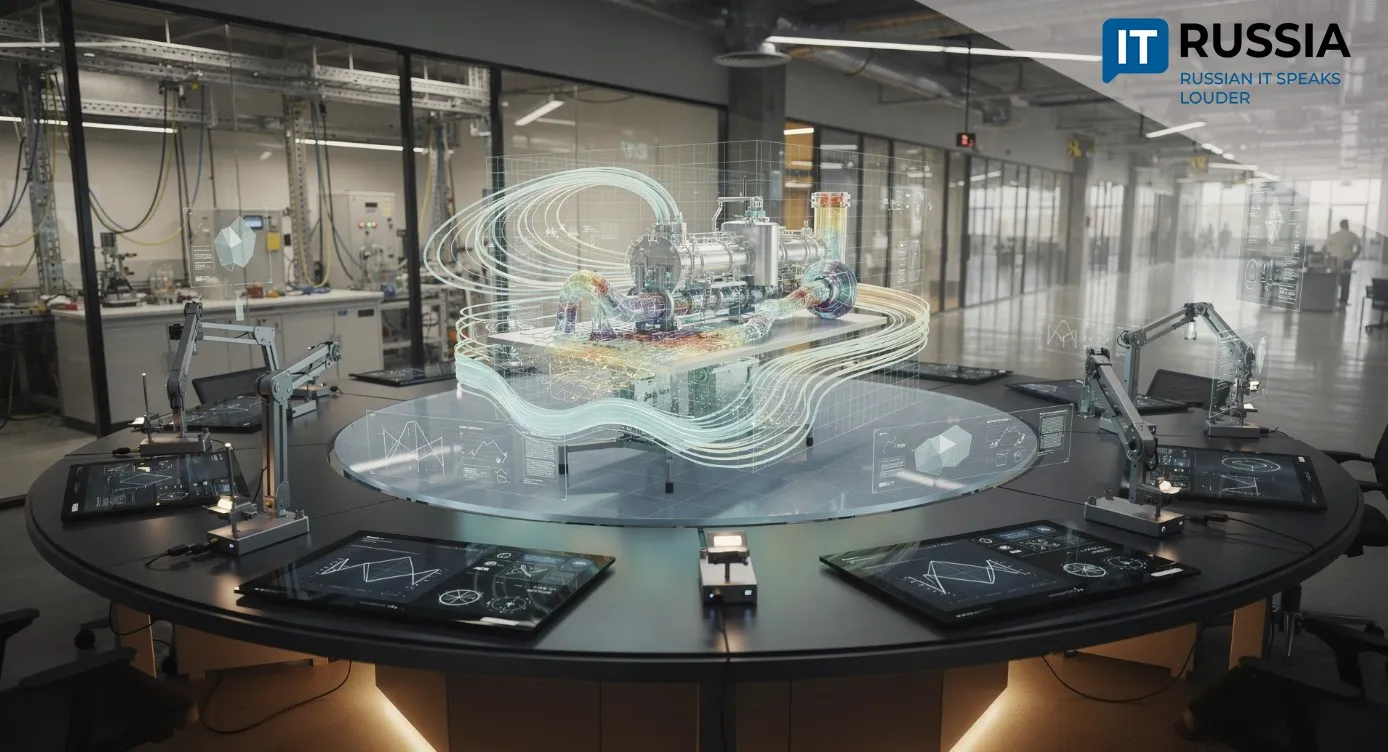
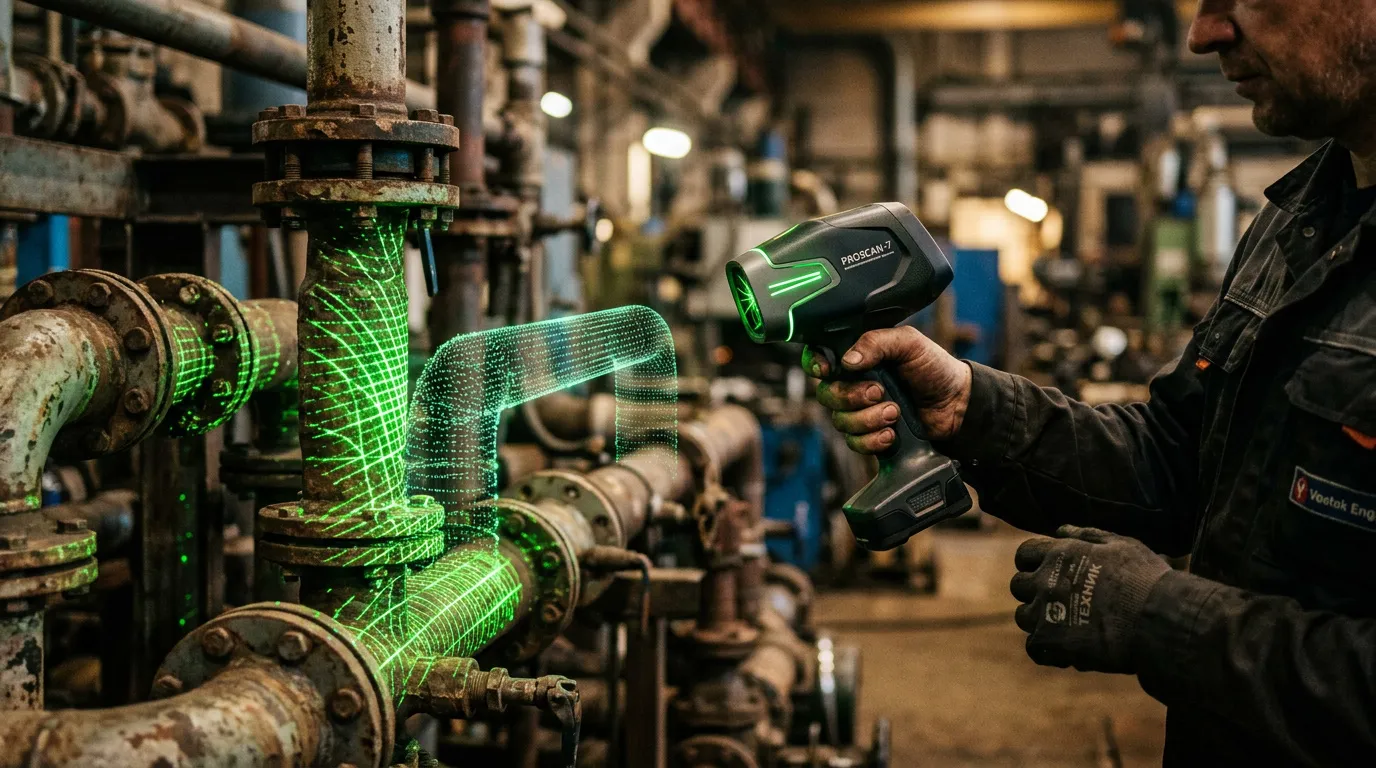
The VTI platform combines several technologies at once – 3D scanning and virtual reality. This approach addresses a key engineering challenge: aligning a new facility with an existing industrial site. 3D scanning captures all required parameters, including not only existing structures or assets slated for modernization, but also surrounding infrastructure such as power lines and terrain features. In practice, this significantly simplifies work in legacy industrial zones, where documentation often fails to reflect all existing assets.
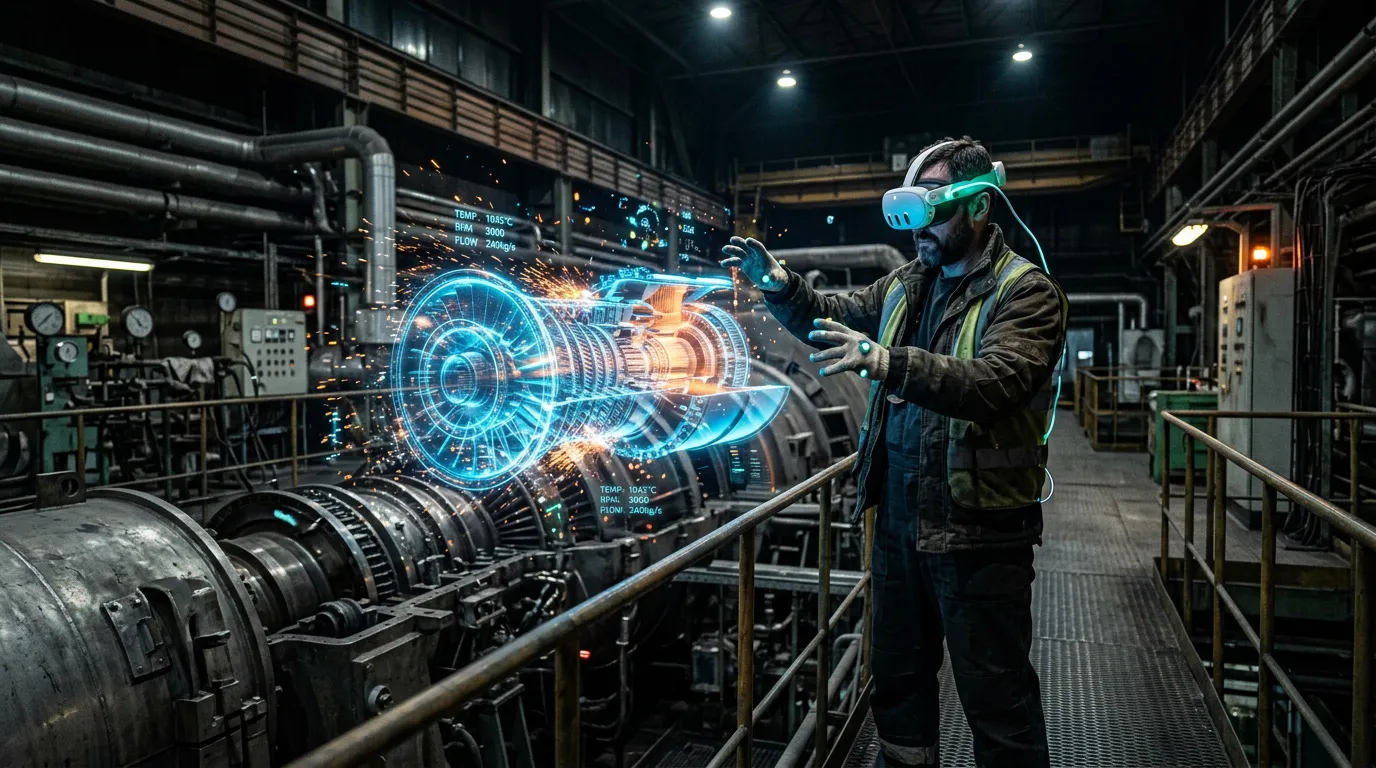
The digital model of an existing facility is merged with the design being developed by engineers. Using a virtual reality headset, they can immediately visualize the final solution at full scale, allowing them to assess spatial fit and design decisions in real time. That shift reduces complexity compared with traditional CAD tools, accelerates design timelines, and removes a wide range of potential errors at the development stage.
For Russia’s IT sector, such a platform carries particular weight amid an ongoing push to replace foreign software. CAD solutions represent one of the largest segments of the domestic engineering software market. For the power industry, deploying the VTI platform is expected to speed up the design of both new and upgraded facilities, while improving the reliability of energy supply for industrial and residential consumers by reducing design-stage errors.
Where Industry CAD Is Heading
Developing a specialized domestically built CAD platform creates strong prospects for adoption within Russia. The energy sector requires tailored solutions, as general-purpose design systems often fail to capture the complexity of real-world hydroelectric plants, thermal power stations, and substations. Combining 3D scanning with a virtual environment allows engineers to adjust designs without traveling on-site, and to refine specific elements remotely when needed.
More broadly, VTI’s platform can extend beyond energy to support the design of other complex industrial facilities. However, effective deployment will require integration with other Russian CAD solutions. Entry into international markets remains possible once the product demonstrates maturity and proven performance. Initial adoption is most likely in countries where Russian specialists are involved in building energy infrastructure.
Transformation of the Engineering Software Market
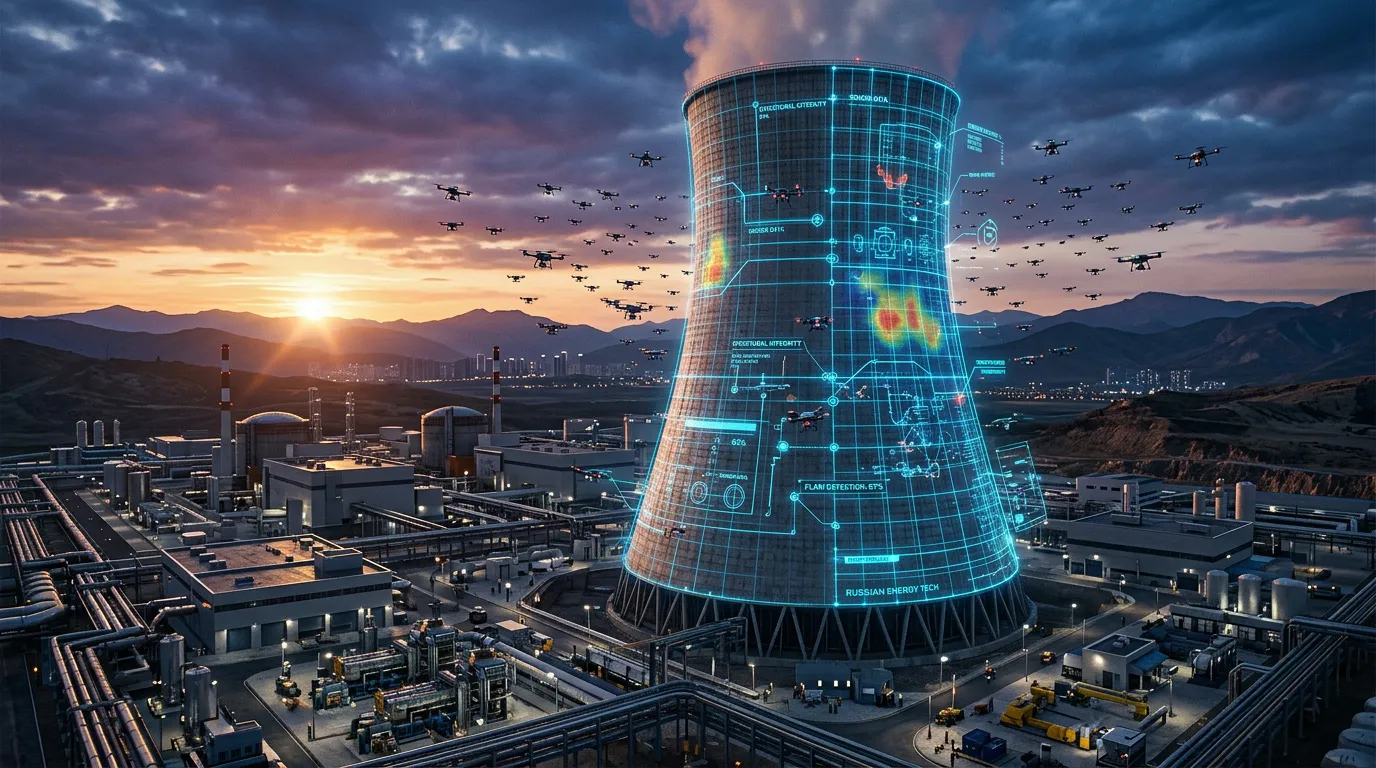
Over the past few years, Russia’s engineering software market has undergone a major shift. The exit of foreign vendors and the push for import substitution have accelerated the development and rollout of domestic solutions. New market leaders now include companies such as Nanosoft, Ascon, and Top Systems, alongside several other developers.
For example, Model Studio CS is a comprehensive BIM (building information modeling) system developed in Russia, with dedicated solutions already tailored for energy companies. Meanwhile, the T-FLEX CAD system from Top Systems offers a virtual reality module that enables users to interact directly with 3D models.
From Standalone Tool to Industry Standard
The significance of the VTI project lies in its positioning. It is not simply a replacement for foreign products, but a specialized engineering solution designed specifically for the needs of the energy sector.
In the longer term, the VTI CAD system could gain traction among design institutes working in the energy industry. It also has the potential to evolve into a unique category of specialized software that sets a standard for Russian developers.