3D Model of the Sea of Azov to Track Plankton and Ecosystem Health
Scientists at the Institute for Research and Engineering of the Azov Region and the Sea of Azov at Don State Technical University have created a digital twin of the Sea of Azov, a 3D model designed to monitor and forecast changes in plankton populations.
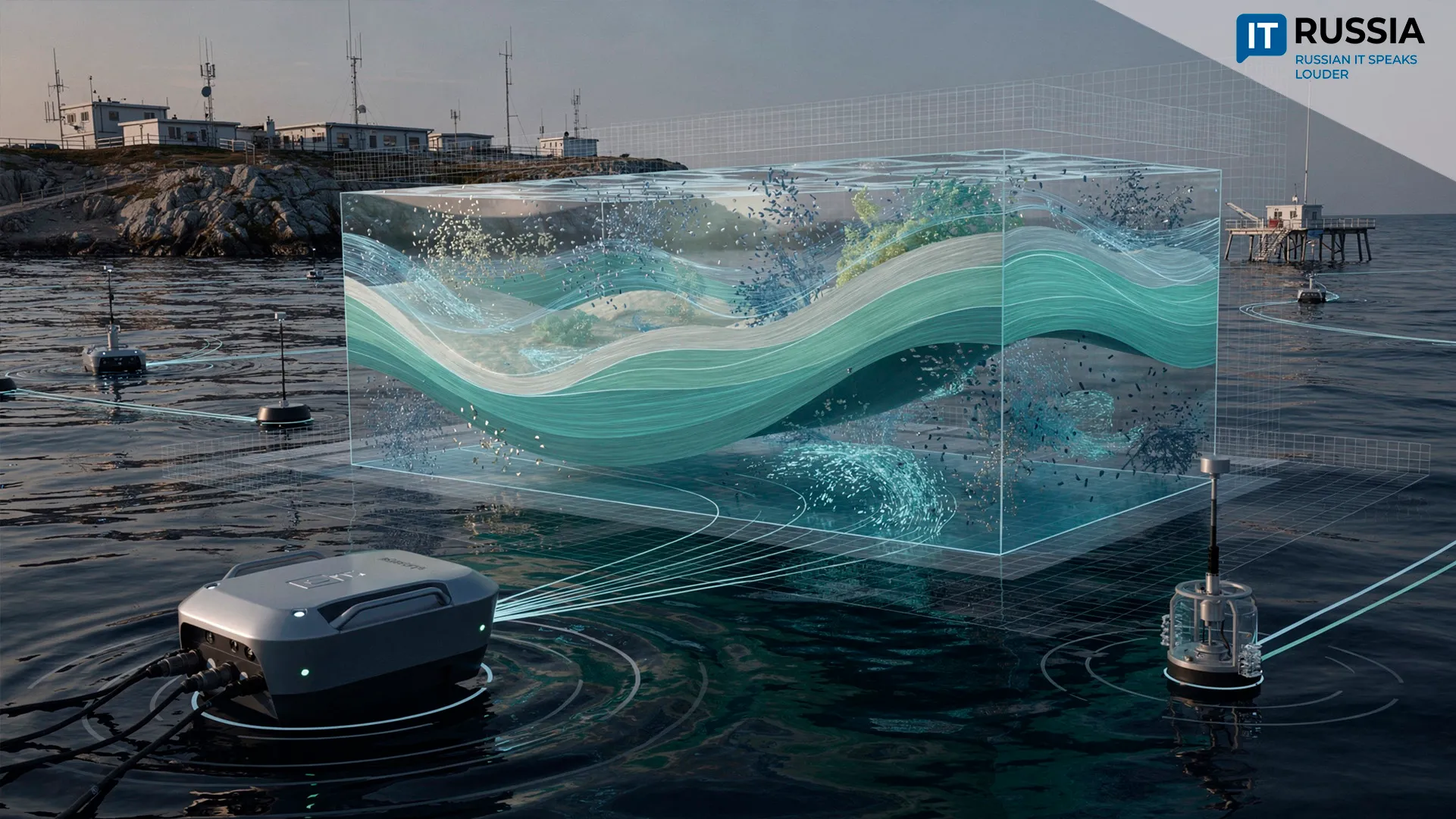
These microscopic organisms underpin life across the global ocean. Plankton serve as a primary food source for fish, marine mammals and birds, and their abundance directly affects aquatic biodiversity and overall water quality. By modeling the marine environment, researchers aim to accurately predict fluctuations in plankton populations, capturing shifts that would otherwise remain invisible.
The creation of the 3D model marks the first practical step in implementing the government-approved Strategy for the Sustainable Development of the Azov Region through 2040. The strategy calls for systemic management of the marine area, and the new digital tool is expected to act as a control center, enabling a shift from reactive problem detection to proactive forecasting and prevention.
The Rostov region is emerging as a key scientific hub for research and expertise related to the Sea of Azov.
Oceans in Three Dimensions
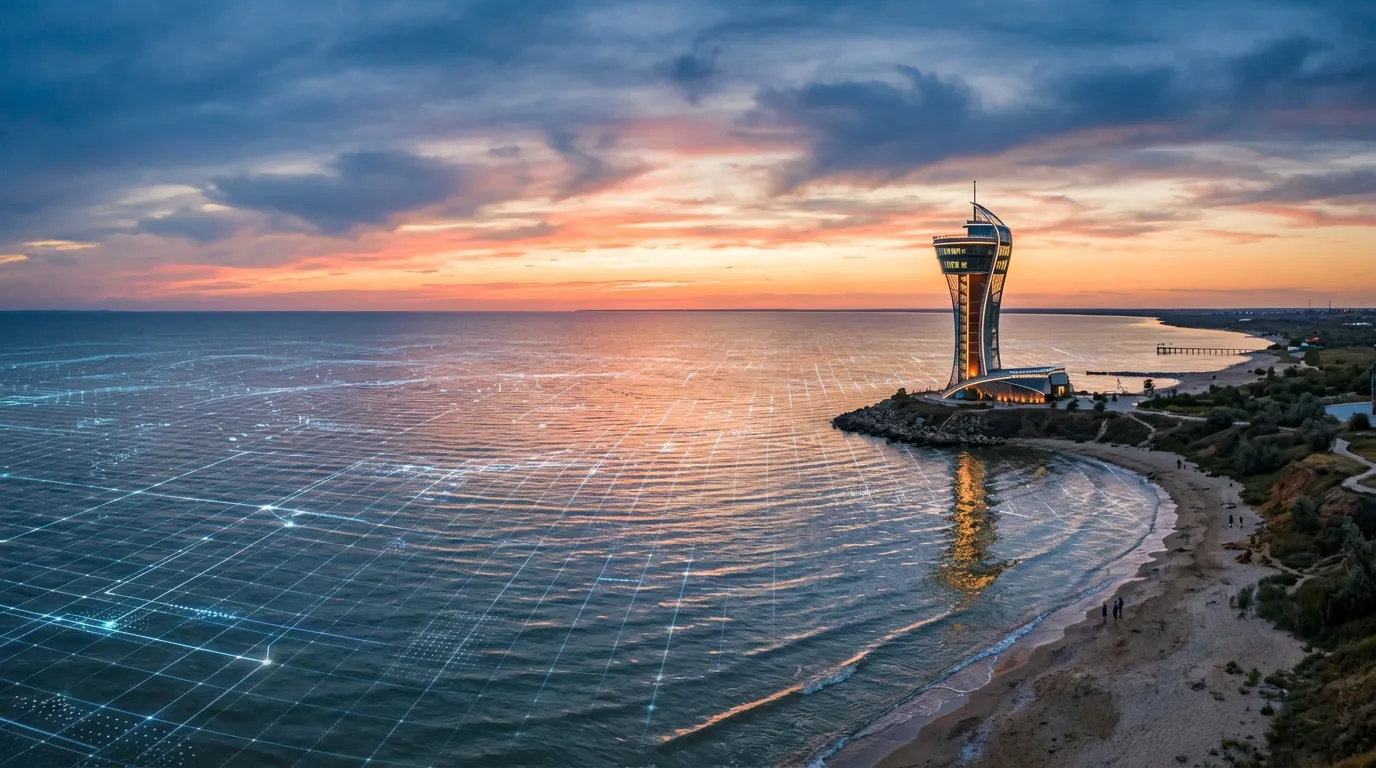
The first systems capable of building 3D models of aquatic ecosystems based on sensor data appeared about five years ago. These systems identify areas with abnormal environmental characteristics using real-time data inputs.
In 2024, scientists in Sevastopol developed a hardware-software system capable of detecting bioluminescence from marine organisms in the Black Sea, enabling faster identification of environmental disruptions. At the same time, researchers in Dagestan are working on a digital twin of the Caspian Sea, intended to assess current conditions and forecast future changes.
Continuous monitoring and predictive modeling will help determine where and when fish populations are likely to increase, how salinity shifts may affect biological resources and which areas are best suited for coastal tourism.
Timely and precise data will support more informed decision-making in fisheries management, environmental protection and recreation planning. The plankton-based modeling approach can also be adapted to other bodies of water. It represents a transferable toolkit that includes methods for building digital twins, processing environmental data and forecasting ecosystem dynamics.
A Unified Development System
A comprehensive management system for the Azov basin includes 79 initiatives across 18 directions – from ecosystem restoration to unlocking tourism potential. The digital twin is expected to play a central role in answering many of these questions.
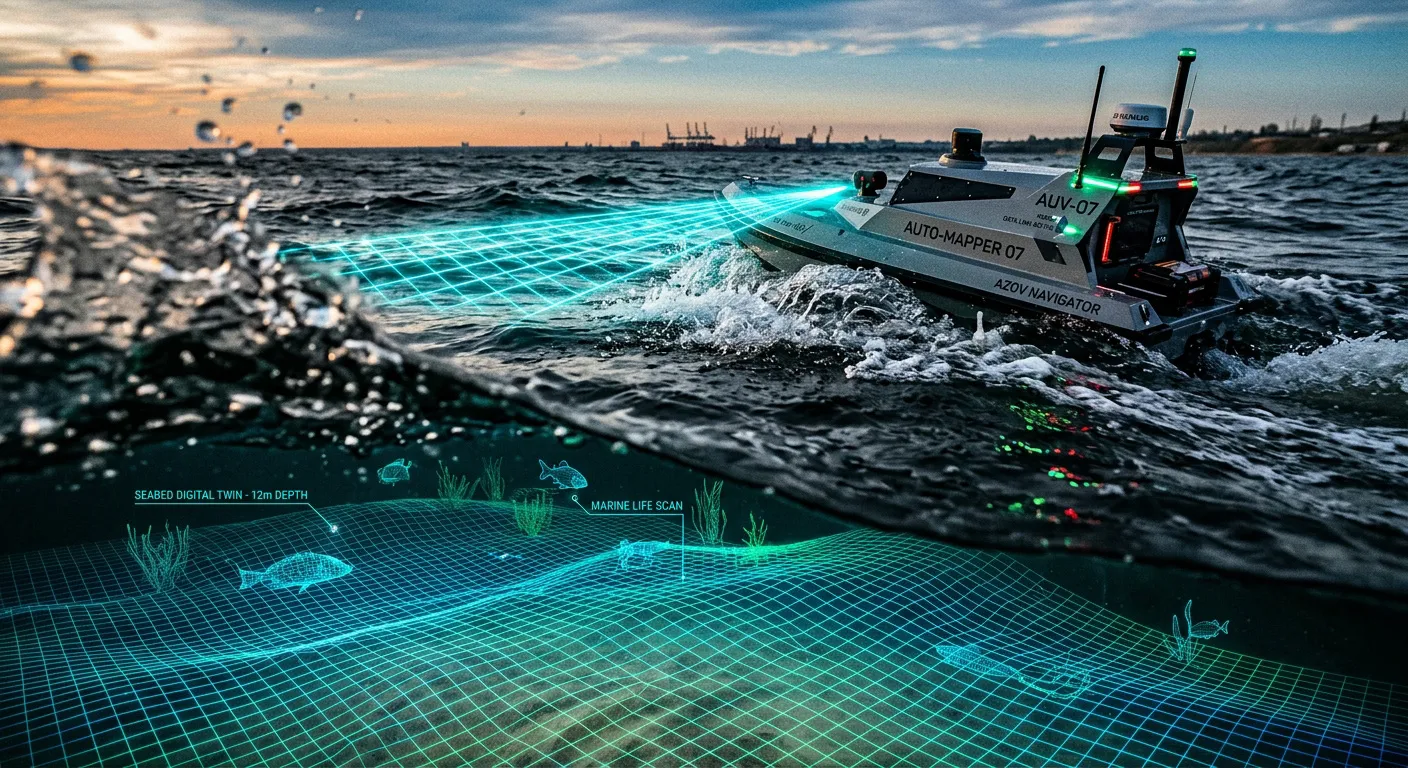
This is not just a visual 3D model but a complex system integrating large-scale data collection, analytics, mathematical modeling and the generation of actionable insights. The platform is likely to attract developers of geoinformation systems and specialized industry software.
In the coming years, 3D models are expected to become an integral part of scientific and expert support for the 2040 strategy. They will then be integrated with geospatial data and fisheries monitoring systems, enabling regular, real-world application across the Azov region.