Cyberattack on Major Dairy Plant Highlights Importance of Cybersecurity Technology
Piskaryovsky Dairy Plant, one of the largest milk processors in northwestern Russia, operated in emergency mode for several days after a DDoS attack on its internal network.
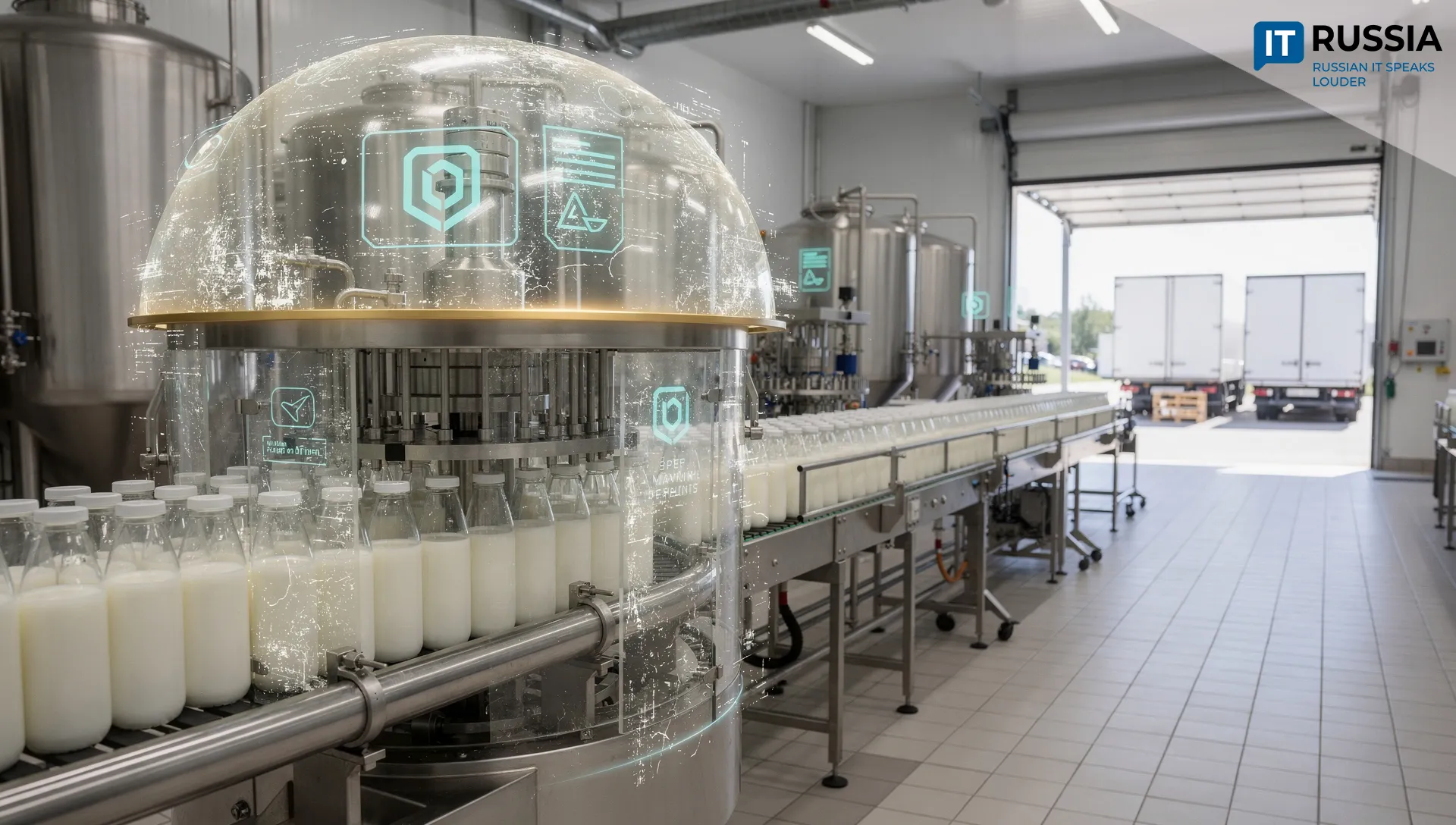
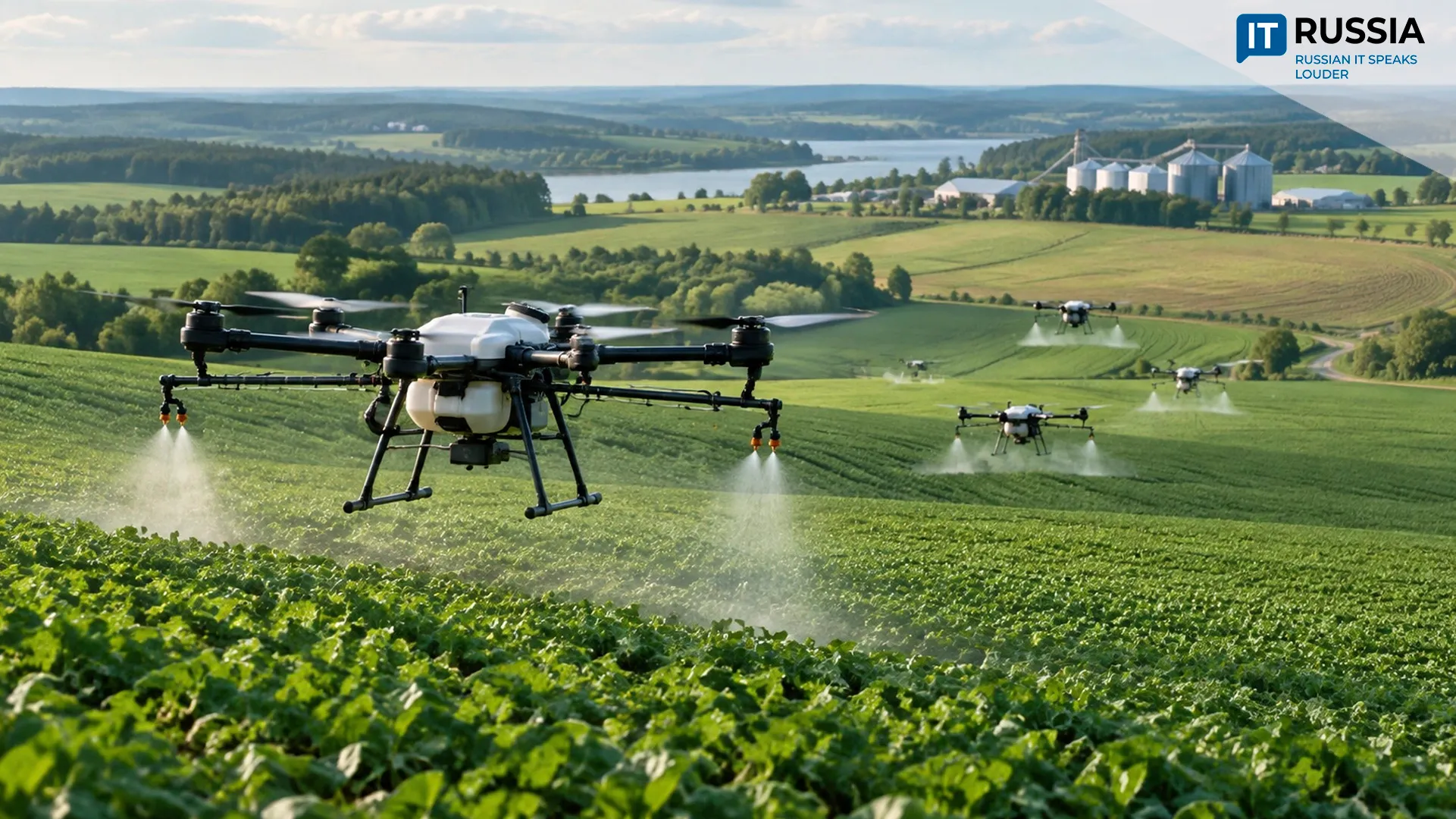
Digital technologies and automation have become an important part of agriculture and food processing, significantly improving producers’ efficiency. Meanwhile, digital systems have made businesses vulnerable to cybercriminals. Information security is now a concern not only for plant owners but also for the government. A successful attack can paralyze food production and disrupt supply chains serving retail networks. That makes cybersecurity a food-security issue for the country.
A cyberattack recently hit St. Petersburg Dairy Plant Piskaryovsky LLC.
Blocking Chestny Znak
It all began on Sept. 17, when a DDoS attack was launched against the plant’s internal network. The attack targeted the computer systems and equipment that controlled production processes and the electronic monitoring, accounting and document-management system. The impact extended beyond the producer’s internal network to its data-exchange channels with government information systems (GIS).
The plant’s equipment was effectively “cut off” from the product-registration mechanism of the state labeling system Chestny Znak (Honest Sign), and dairy products cannot legally be sold without that labeling today.
The hackers sought to disrupt the operation of St. Petersburg’s dairy market leader. The plant, however, switched to emergency operations, while some of its raw-milk volumes were redirected to other facilities.
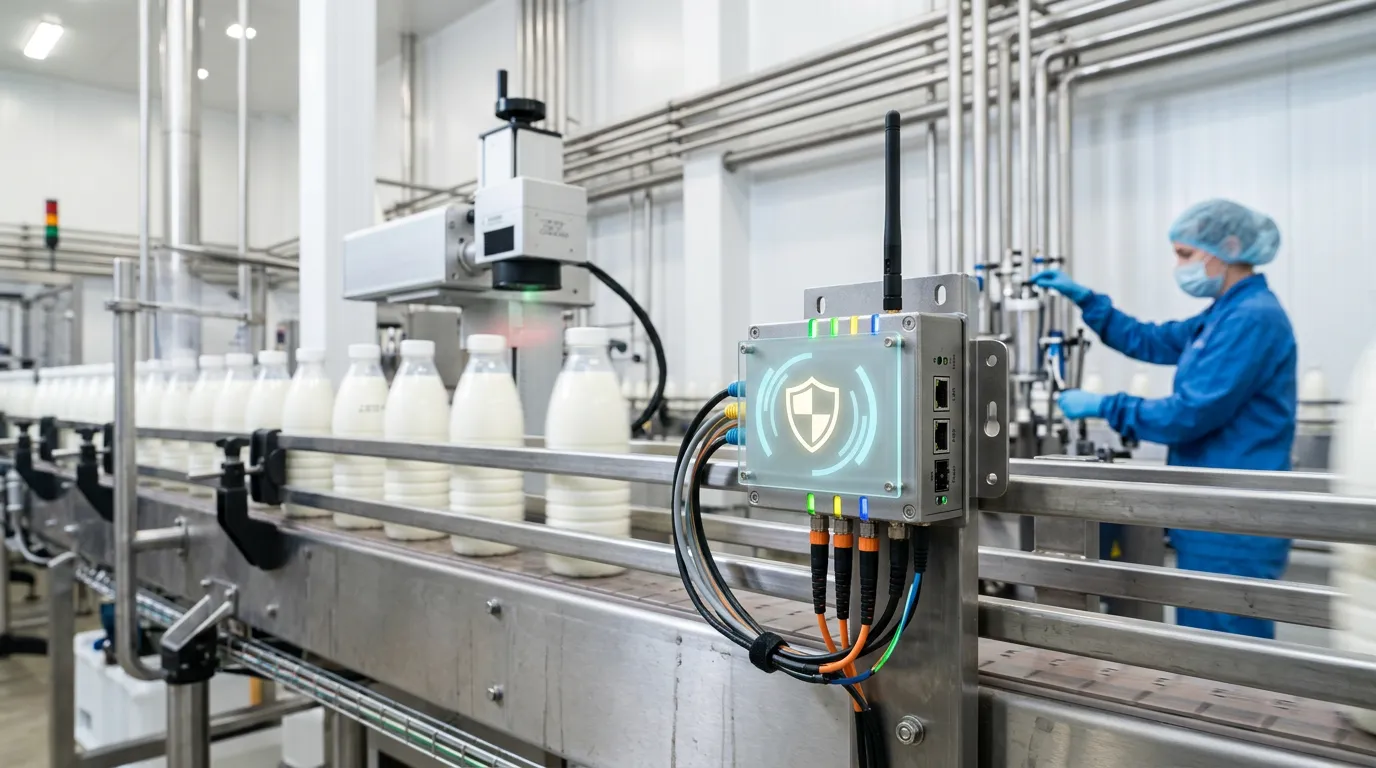
Operating Under Cyberattack
To resolve the problem, the plant’s management quickly held talks with the Ministry of Industry and Trade and the Center for the Development of Advanced Technologies (CRPT), the official regulator of the Unified National Digital Labeling and Traceability System Chestny Znak. As a result, the plant was authorized to sell products without labels through Sept. 23. Production and shipments continued, but problems emerged at the retail stage. Retail chains did not immediately receive permission to sell dairy products without labels, so point-of-sale software blocked sales without Data Matrix codes for some time.
The dairy plant returned to normal operations after Sept. 21. Industry experts say the incident exposed a major information-security weakness: disabling both primary and backup internet connections can paralyze a business. Backup communications channels are of little help if a cyberattack blocks the internal network, servers, workstations or network equipment. That is why companies need regular tests of backup systems, server-recovery procedures, alternative workstations and backup communications channels.
Yet, the number of such attacks may increase. Agricultural and food-processing companies have become targets for attackers. “Disrupting industrial supply chains and halting production has a direct impact on businesses. Prolonged production-line downtime can have serious consequences, including social unrest,” said Yevgeny Balk, head of development and architecture at Cross Technologies.

Comprehensive Cybersecurity Solutions
Large agricultural holdings are now a primary target for cybercriminals. These companies typically operate full-cycle businesses, from production through processing, and have a high level of digitalization. When such facilities are disrupted, the entire production and supply chain can be affected.
For example, hackers attacked the information systems of the Miratorg holding company in 2022. The attack affected 18 facilities, which for some time were unable to process electronic veterinary accompanying documents for production and transportation. That same year, cybercriminals managed to block the information systems of Tavr, a company belonging to the Agrokom Group, for several days.
Automated process-control systems (APCS) are also being targeted. In 2022, after gaining access to an industrial controller for refrigeration equipment at the Selyatino agricultural logistics facility, hackers changed the cooling-system operating parameters and attempted to spoil 40,000 metric tons of frozen products.
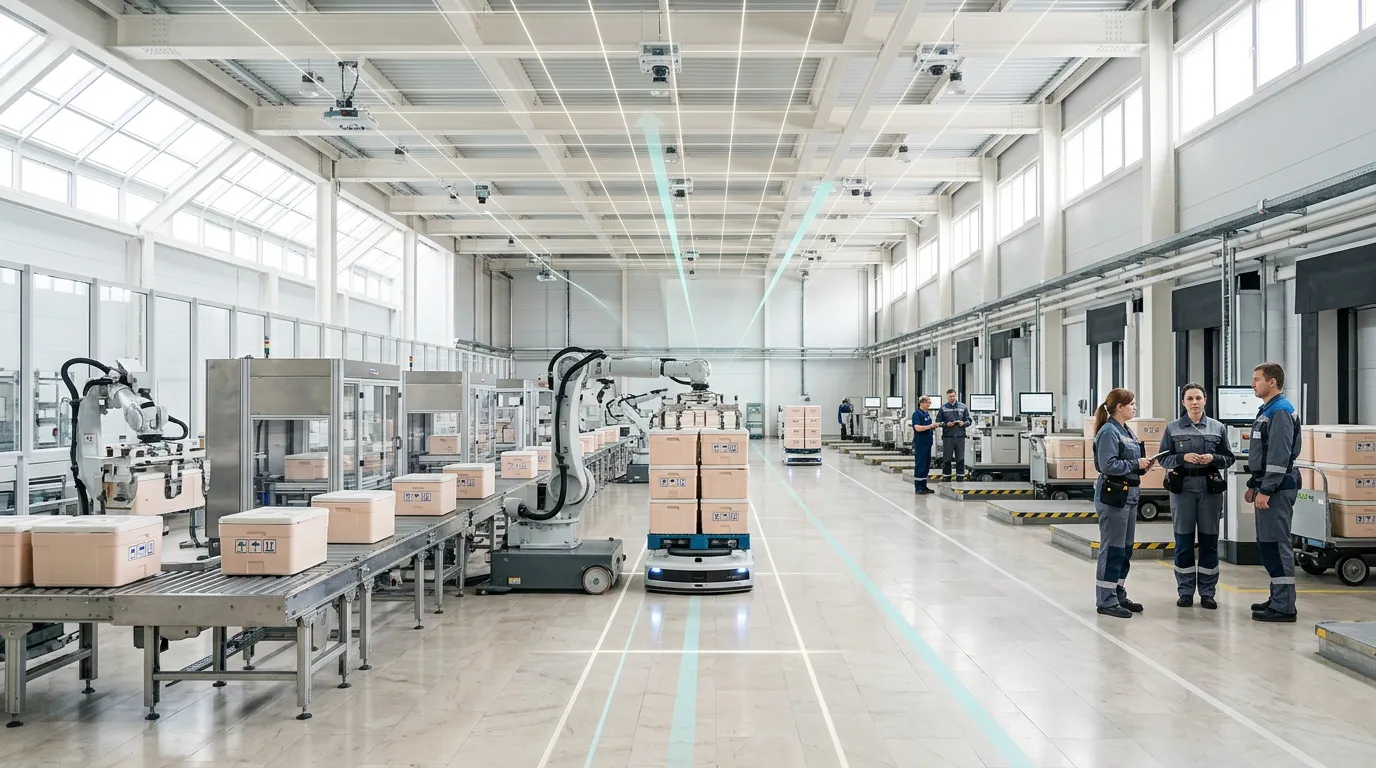
According to RED Security Anti-DDoS, the agricultural sector accounted for 21% of all DDoS attacks against Russian industry in 2025. Experts at Informzashchita noted that during the first two months of 2026, the number of cyberattacks on agricultural companies increased 76% compared with the same period a year earlier.
This means owners of agricultural and food-processing companies need to pay particular attention to production cybersecurity. They need to deploy comprehensive Russian cybersecurity solutions that include network protection, threat monitoring and testing, infrastructure redundancy, and automated recovery after attacks. Cybersecurity must become part of the overall production-safety system.