Onshore Drilling – An Experiment Preparing for Real-World Operations
At Tyumen Industrial University, a new Competence Center “Burenie na sushe” (Onshore Drilling) has opened with support from Rosneft, where students and industry professionals train using advanced simulation technologies designed to replicate real drilling conditions.
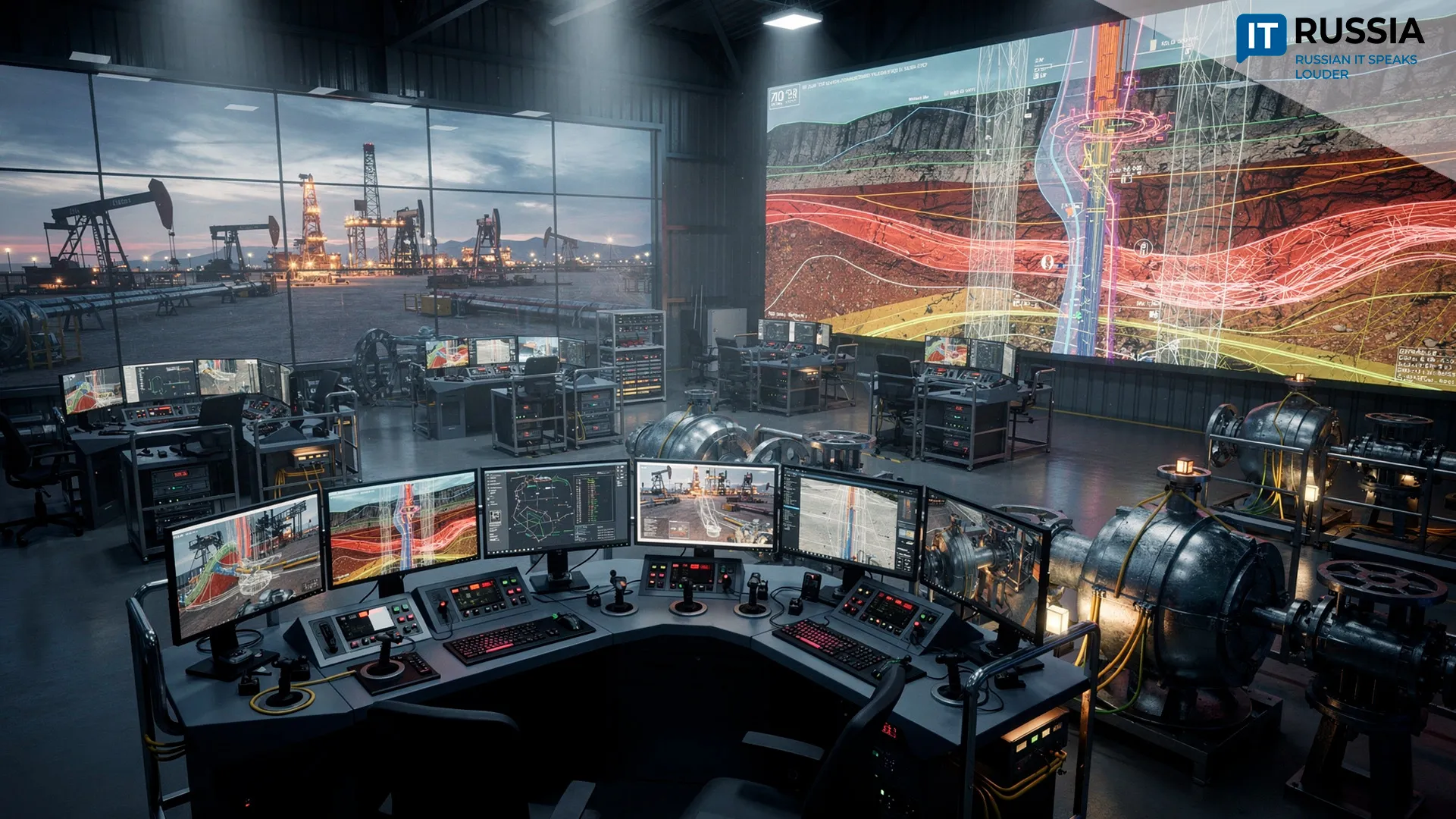
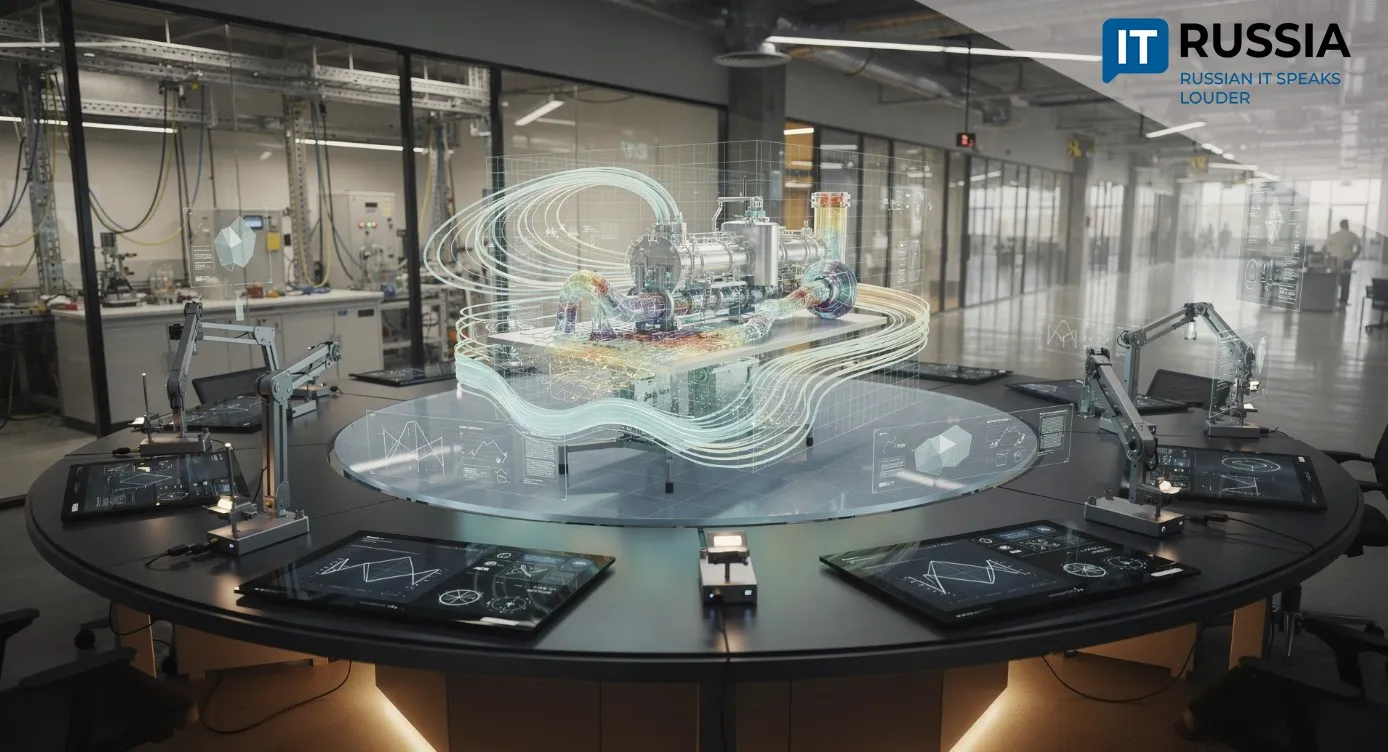
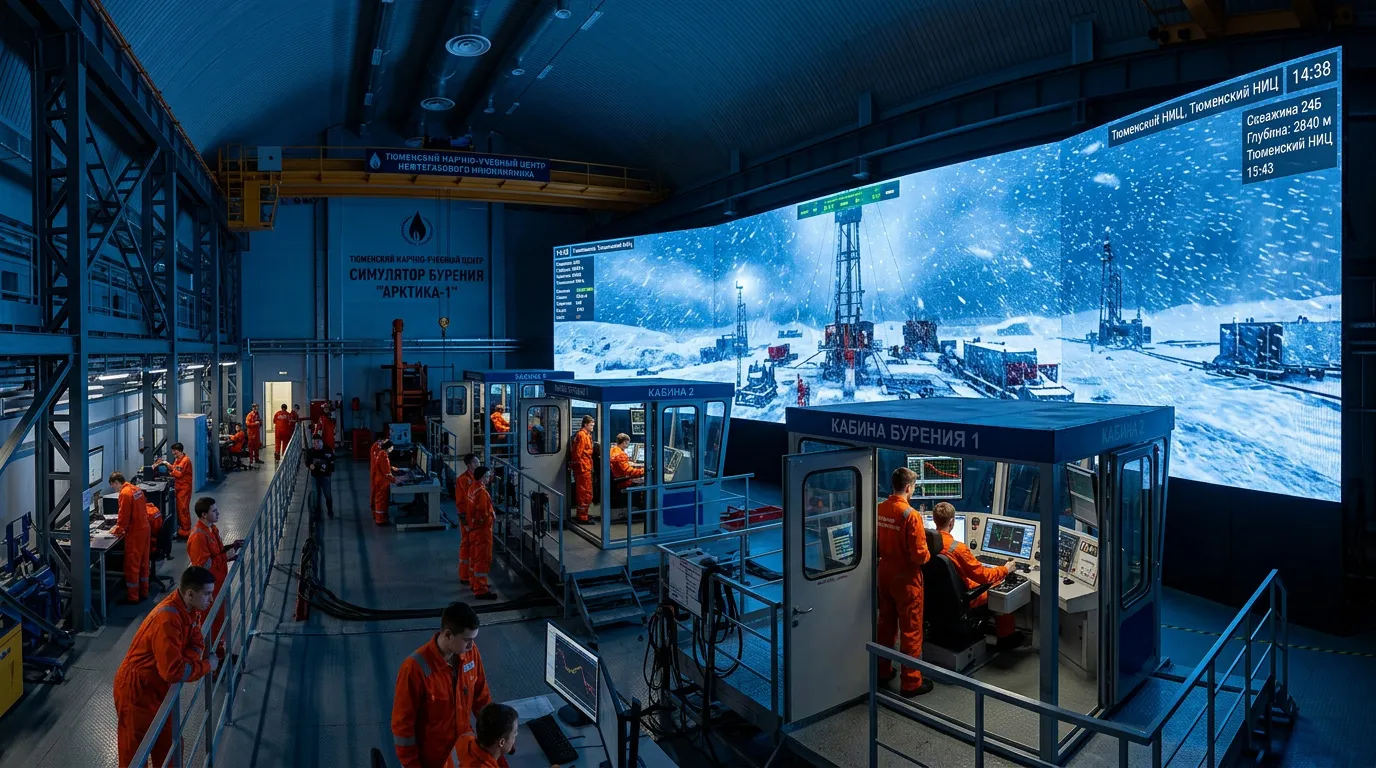
The Competence Center features five specialized classrooms equipped with Russian-built simulation systems that replicate the workstations of drillers, their assistants and engineering personnel. The equipment reproduces real field conditions, allowing trainees to practice more than 30 drilling scenarios across different geological environments.
A Unique Platform
The Tyumen macro-region remains a key talent base for Russia’s oil and gas industry. The launch of the Competence Center reflects the integration of digital simulators, training systems and domestically developed software into workforce training.
By addressing the need to supply its operations with skilled personnel, Rosneft is contributing to the workforce resilience of the entire oil and gas sector. In extraction industries, human capital is a critical asset. Highly skilled professionals ensure uninterrupted operations, while any error directly affects drilling costs. Project timelines, industrial safety and environmental performance are also at stake.
Regional Scale – Global Objective
The launch of the Center makes it possible to move away from imported solutions in this specialized niche. Training based on domestically developed software represents a step toward technological sovereignty.
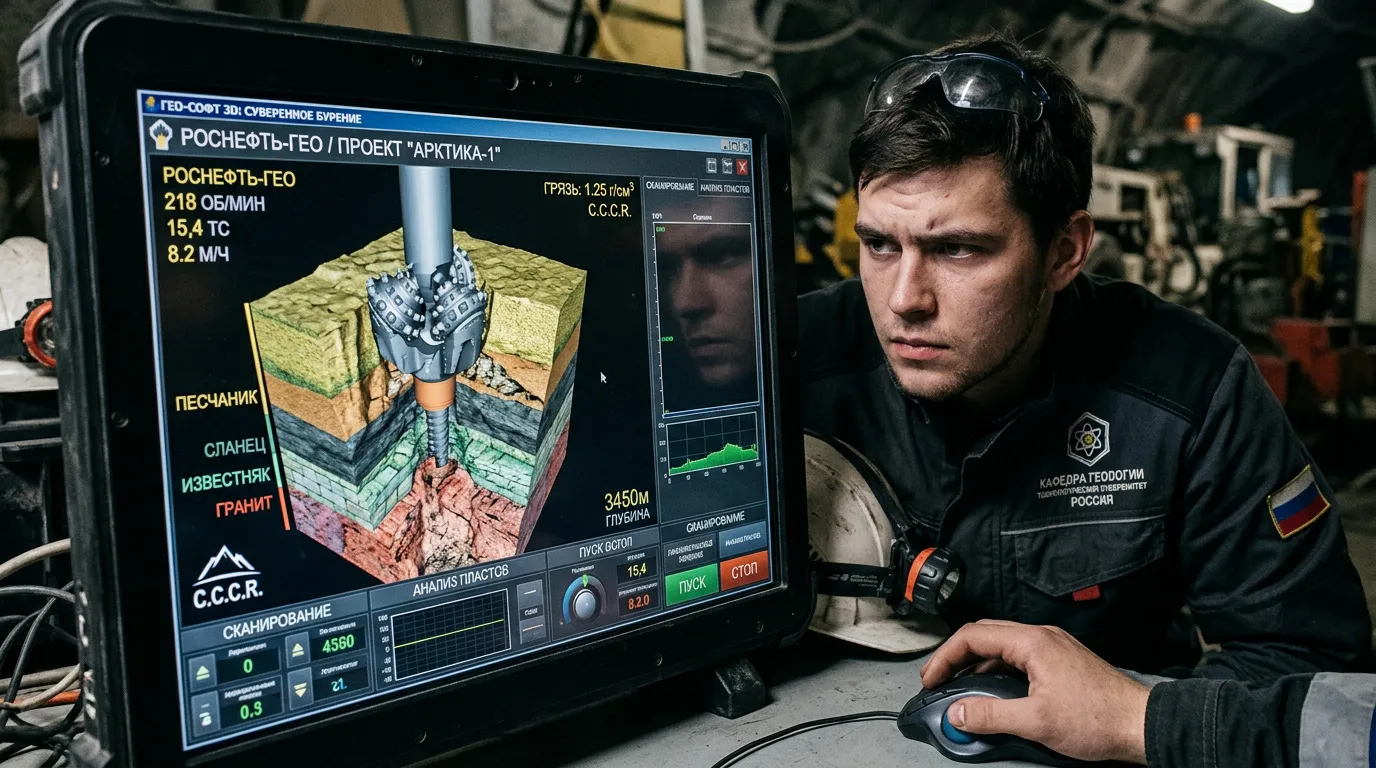
For Tyumen, Khanty-Mansi Autonomous Okrug and Yamalo-Nenets Autonomous Okrug, the Competence Center strengthens the region’s position as a leading hub for oil and gas education and applied engineering training. The Center serves as an infrastructure node linking the university, the oil company and the service sector. Russia is developing its own digital training school for oil and gas and localizing critical educational infrastructure. The establishment of such centers aligns with the Rosneft - 2030 strategy adopted in 2021. The company is shaping professional standards and integrating advanced research into the educational process.
Production and Education Alliance
Rosneft is building partnerships with universities for several key reasons. First, to ensure a steady pipeline of qualified personnel by forming an external talent pool from students and graduates in relevant fields. Through a continuous education cycle “school – university – enterprise,” Rosneft engages students from an early stage.
Partnerships with universities allow educational programs to be aligned with industry needs. Rosneft participates in their modernization, ensuring that specialized education closely matches current production requirements. At the company’s base departments, programs are implemented using corporate software such as RN-Sigma, RN-KIM and RN-GEOSIM.
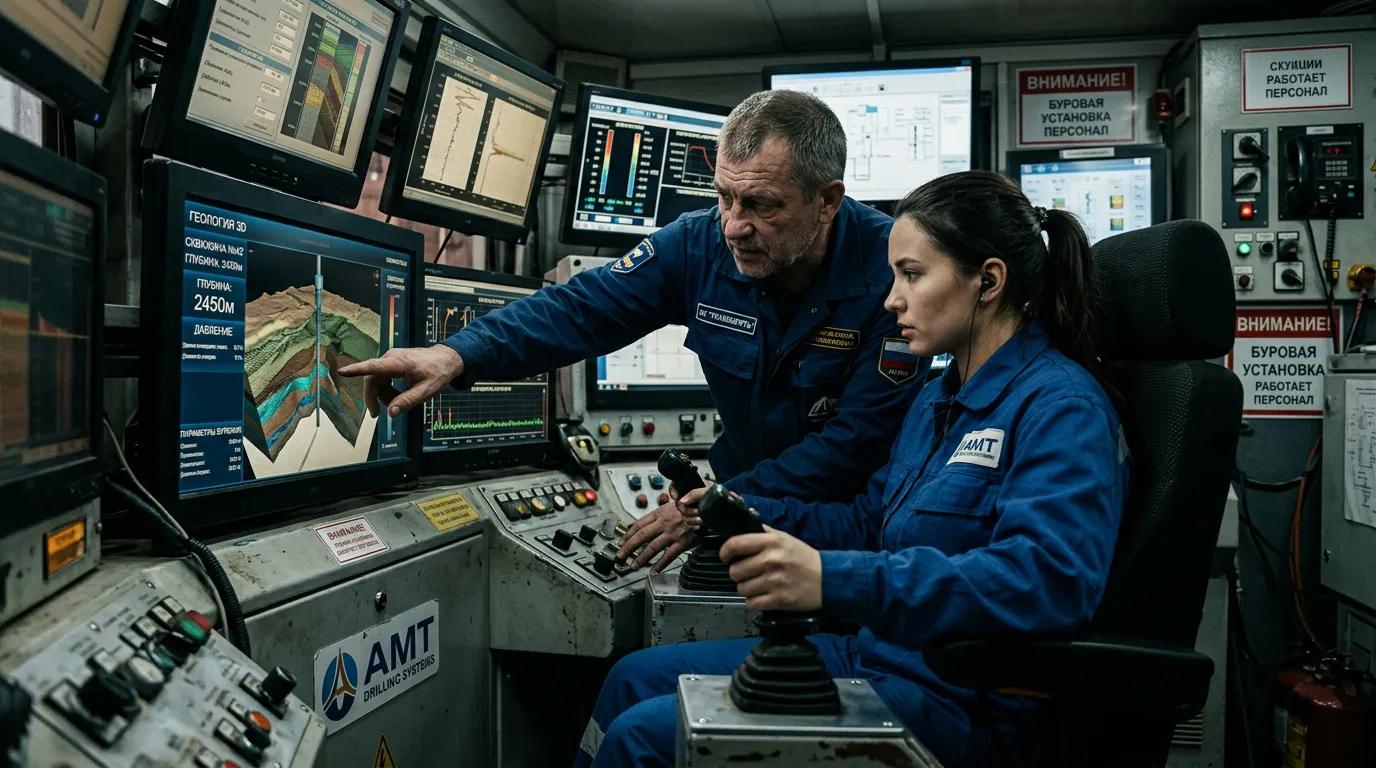
Cooperation with universities includes joint scientific projects, research and development in oil and gas, digitalization, environmental protection and related areas. In partnership with Lomonosov Moscow State University, a bioproduct was developed to clean coastlines from hydrocarbon contamination, while projects in infochemistry and digital modeling are being carried out jointly with ITMO University.
Similar centers are likely to be launched at other industry universities and corporate training institutions. If Russian multimedia simulators and software systems prove effective, domestic developers will gain a stable market in oil and gas education, corporate training and industrial simulation. These solutions can then expand into adjacent segments including production, transportation, energy, industrial safety and equipment maintenance.
Experience from Other Institutions
Other universities have implemented similar initiatives. For example, Siberian Federal University launched a simulator in 2020 at its Institute of Oil and Gas that replicates a drilling rig control cabin.
In 2025, the training center Naftagaz-Razvitie upgraded its drilling simulation system, enabling dozens of drillers to train in handling complications and pipe sticking scenarios.
The Advanced Engineering Schools project, implemented since 2025 under the national program “Molodezh i deti” (Youth and Children), reflects a broader trend in Russian industry: businesses are increasingly co-financing engineering education and applied training platforms.