Gamma of Frequencies: Sevastopol Software Tunes Future Engineers to Industry Needs
Gamma Tech has integrated the Gamma CAD system into the academic activity of Sevastopol State University, giving students access to modern Russian engineering software.
The case of Sevastopol State University (SevGU) and the Gamma CAD system stands apart from typical software adoption stories. There is no clear vendor – buyer dynamic here. Instead, it shows how an engineering idea born inside a university evolved into a commercial product and returned to campus to train a new generation of specialists.
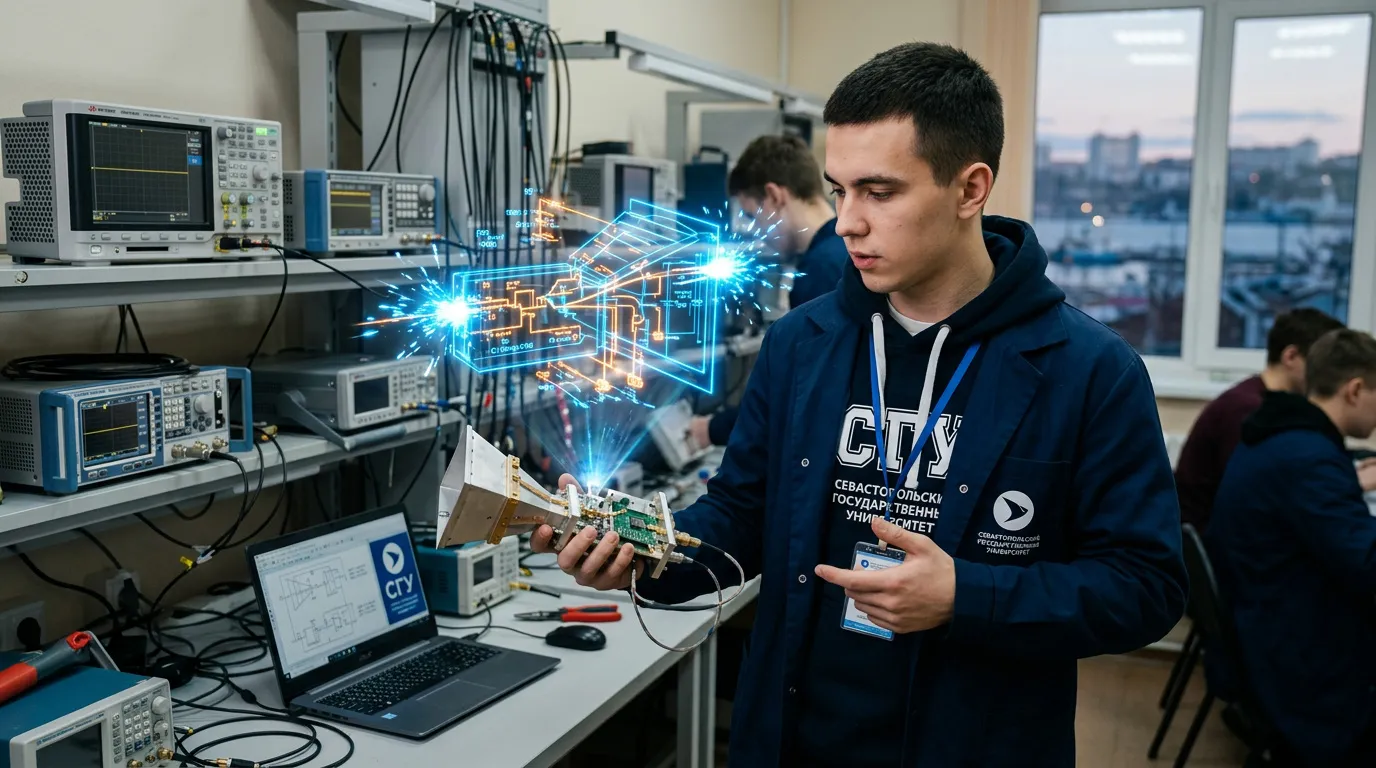
The Gamma CAD system (Gamma – computer-aided design system) emerged from SevGU’s research environment. In 2014, it functioned as an internal engineering tool in university labs. By 2022, after foreign alternatives left the market, it had become a widely used solution. Today, the university runs a full industrial version integrated into its curricula by Gamma Tech, part of the ITG corporation. The system is embedded into a unified digital environment that supports end-to-end engineering education, from second-year undergraduate courses through graduate-level programs.
“ The main value of this rollout lies in giving students hands-on experience with real engineering tools and models that align with industry standards. They gain skills they can immediately apply in professional projects, while the university builds an environment where learning and practice are fully connected, ” says Roman Tikhonov, CEO of Gamma Tech.
From Theory to Real-Time Simulation
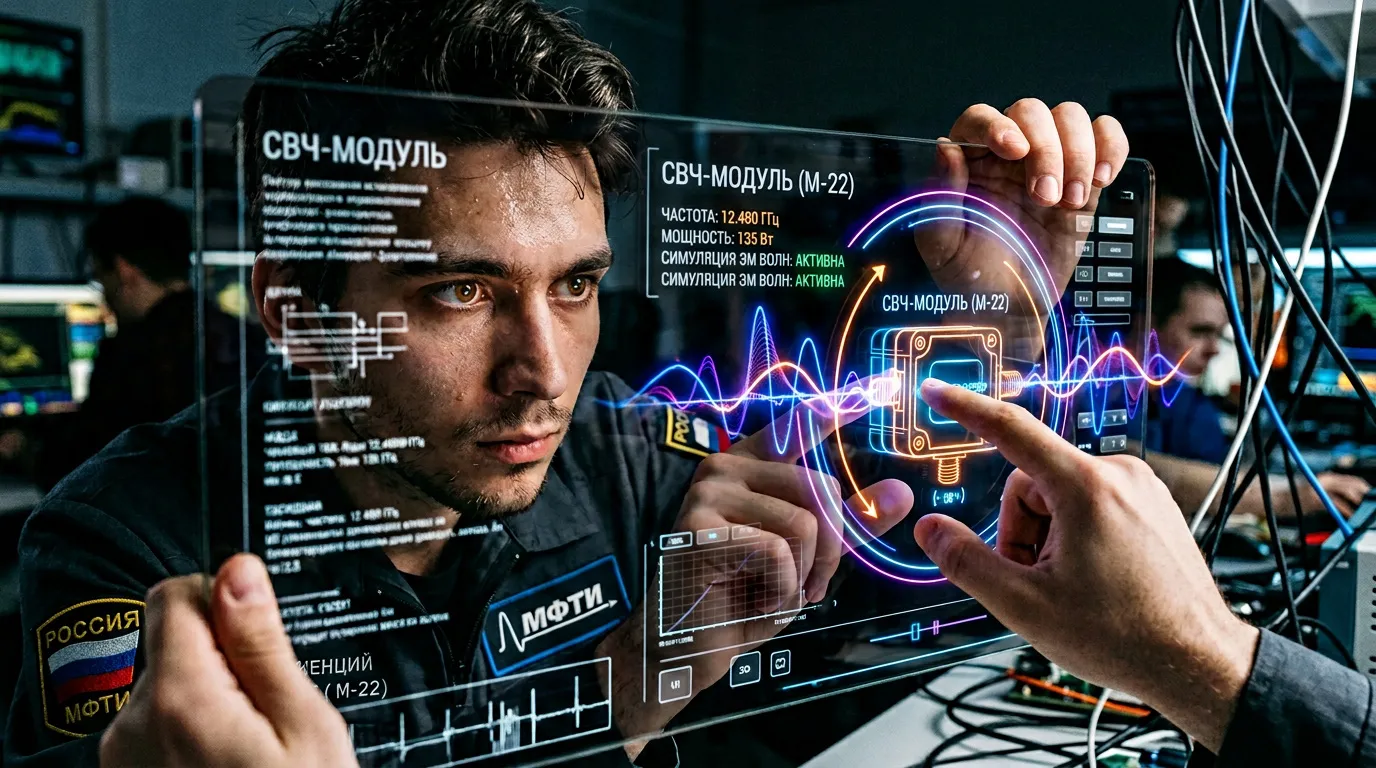
To understand how an electromagnetic wave behaves in a waveguide or how an antenna array operates, students previously worked through formulas, then moved to the lab to collect measurements. They processed results manually and built graphs, often stretching the path from idea to outcome over several days.
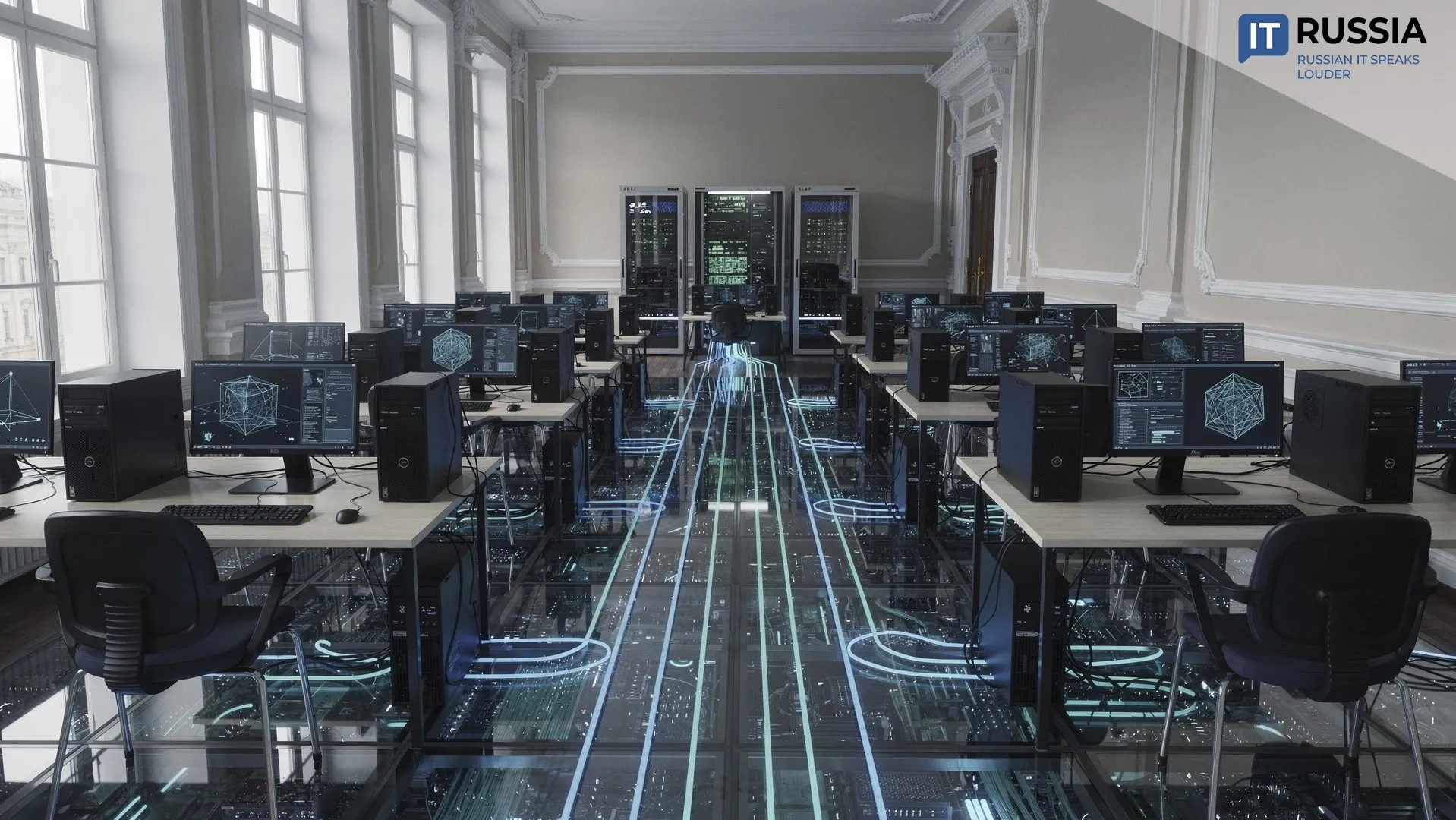
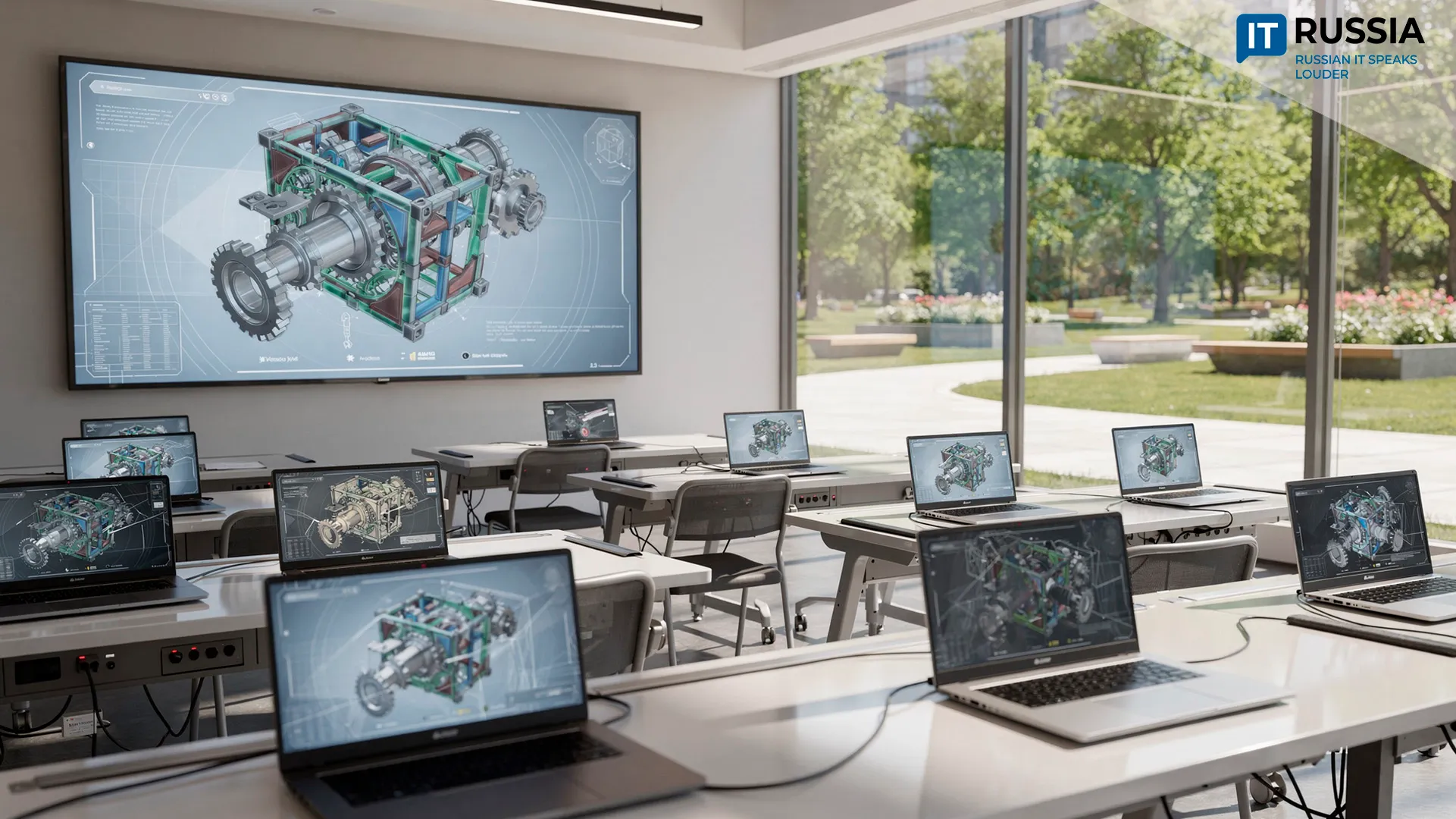
Now the process looks very different. SevGU students in radio engineering and infocommunication programs design models directly in class. They run simulations and see field distributions in real time. For example, in second-year electromagnetics courses, students no longer just read about standing and traveling waves but observe them through animated simulations in Gamma, adjusting environmental parameters on the fly. This approach makes abstract concepts tangible. Today, 337 students work within this environment across 10 core disciplines.
The Path of Gamma
Over the past decade, the project completed a full cycle, from an idea inside the university to the transfer of assets into a specialized company. In summer 2023, the software officially entered the Mintsifry register of domestic software. This status opened the door to working with major state-owned enterprises. Importantly, the registration came after the system had already been tested and refined within the university setting.
The following year, 2024, marked a turning point commercially. SevGU did more than sell licenses, it completed one of the largest intellectual property commercialization deals in modern Russian education. The university received 12 million rubles (approximately $130,000) from license sales and 44.9 million rubles (approximately $490,000) for transferring exclusive rights to Gamma Tech. Academic work by faculty and researchers became a tangible financial asset and the foundation of a standalone business that continued to develop the product.
“ We are focused on building a new community of engineers who can work with domestic technologies and create future solutions on that basis. Expanding cooperation with universities is our main goal in this process, ” explains ITG founder Dmitry Gachko.
Following this, SevGU began developing a laboratory to test integration of the CAD system with other Russian products. In 2025, the developer released an update that introduced server licensing and remote access.
From there, the Sevastopol case became a model for scaling. Gamma Tech announced a strategic partnership with SevGU, positioning the university as a hub for expanding its educational network. By February 2026, agreements followed with universities in Moscow (MIET), Chuvashia and Kuban to establish similar training labs. In parallel, an engineering training program launched in partnership with the Istok – RTU MIREA technopark.
Students Hit the Target
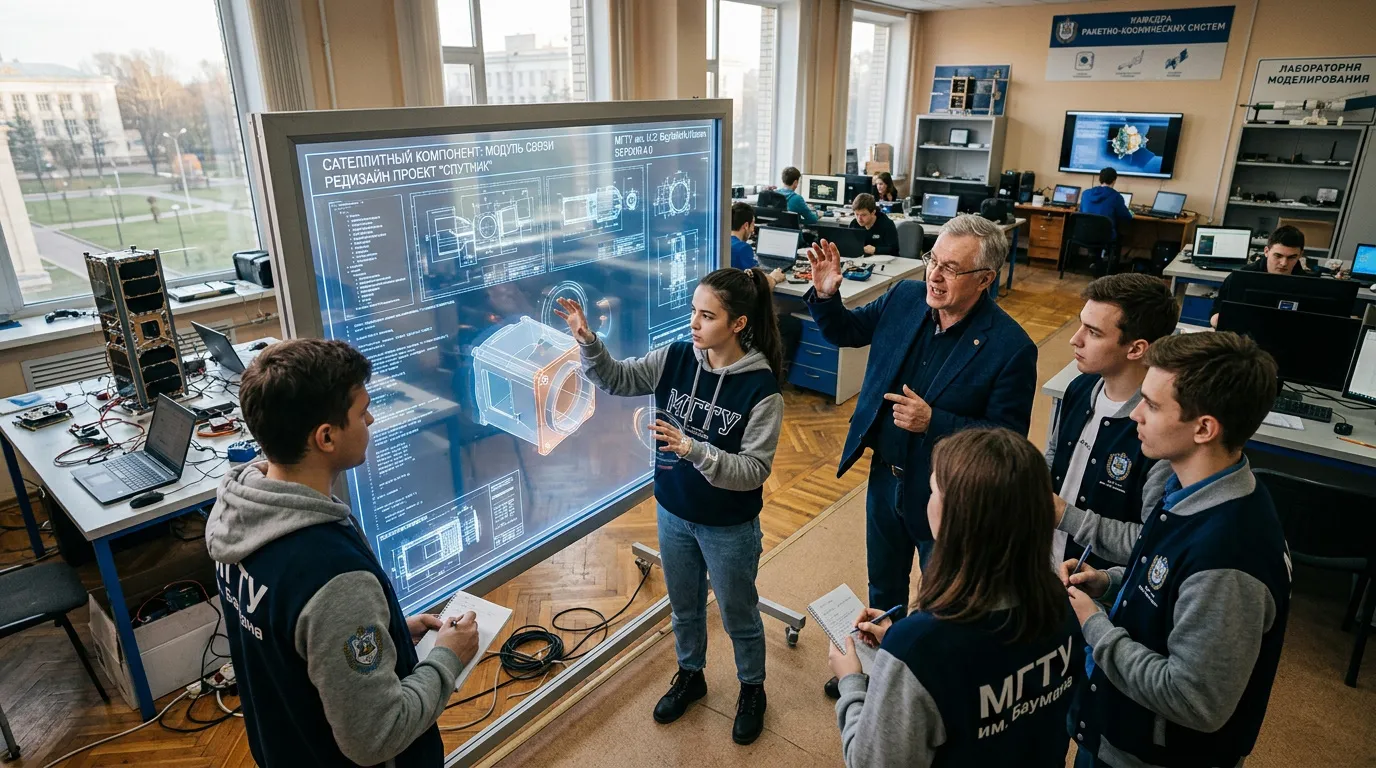
The turning point came with recognition at the level of a major industrial corporation. In March 2026, the Sevastopol-developed software was integrated into Rosatom’s system. Gamma CAD now supports calculations in microwave engineering and microelectronics within the nuclear industry ecosystem.
For SevGU students, this turns education into a direct pathway to real-world impact. They learn to use tools already deployed beyond the classroom, in sectors solving large-scale national challenges. A product originally developed as a teaching tool, when foreign software became unavailable due to sanctions, now operates within the infrastructure of one of the world’s leading nuclear industry players.