AI to Count Wild Animals in Siberian Forests
The results of the monitoring will shape economic activity in the taiga and the allocation of hunting quotas.
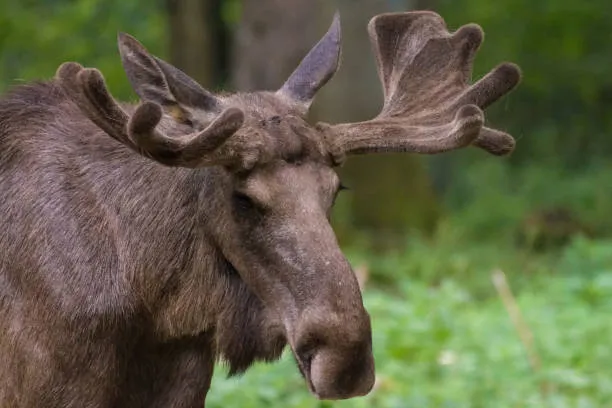
New technologies are being used in Russia’s Novosibirsk Region to count wild animals, the regional Ministry of Natural Resources said. Winter monitoring is essential for planning economic activity, as its results determine hunting quotas and the conservation measures required.
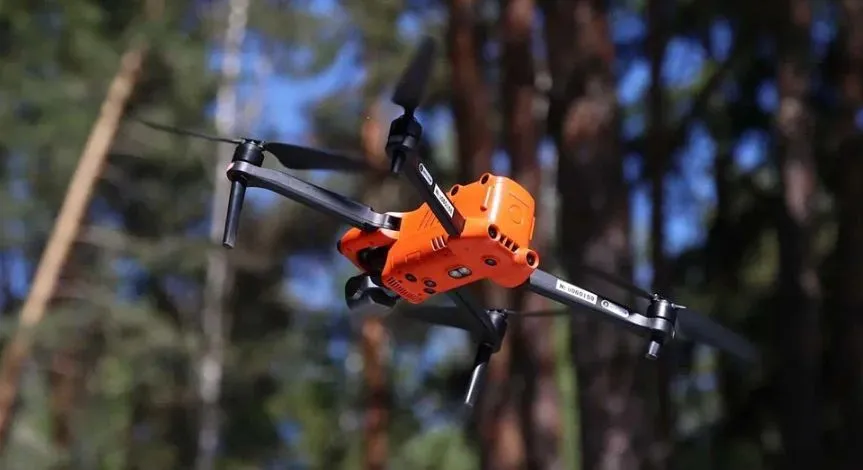
The process is significantly faster and more accurate when surveys are carried out using drones and artificial intelligence systems. Specialized software records data along the routes taken by game wardens. Some areas are covered on foot, on skis, where specialists count tracks, while hard-to-reach territories are surveyed using UAVs.
From Tree Counts to Fire Monitoring
Drones detect tracks or populations of moose, wild boar, roe deer, wolves, hares, and foxes from the air. A special coefficient is then calculated to estimate animal numbers. Based on these figures, hunting quotas are set and inspectors decide where to organize wintering areas.
Today, drones and AI-powered video surveillance systems help track not only animals but also trees, monitor endangered species populations, and promptly detect and transmit fire alerts. In 2026, regions are set to purchase thousands of new “smart” devices for forest monitoring, while inspectors and game wardens are being trained as UAV operators.