AI Replaces the Magnifying Glass as Saratov Hospital Launches Fluorography System With Artificial Intelligence
In Russia, fluorography images are now being interpreted with the help of artificial intelligence. The AI-based system processes scans faster while improving interpretation accuracy.
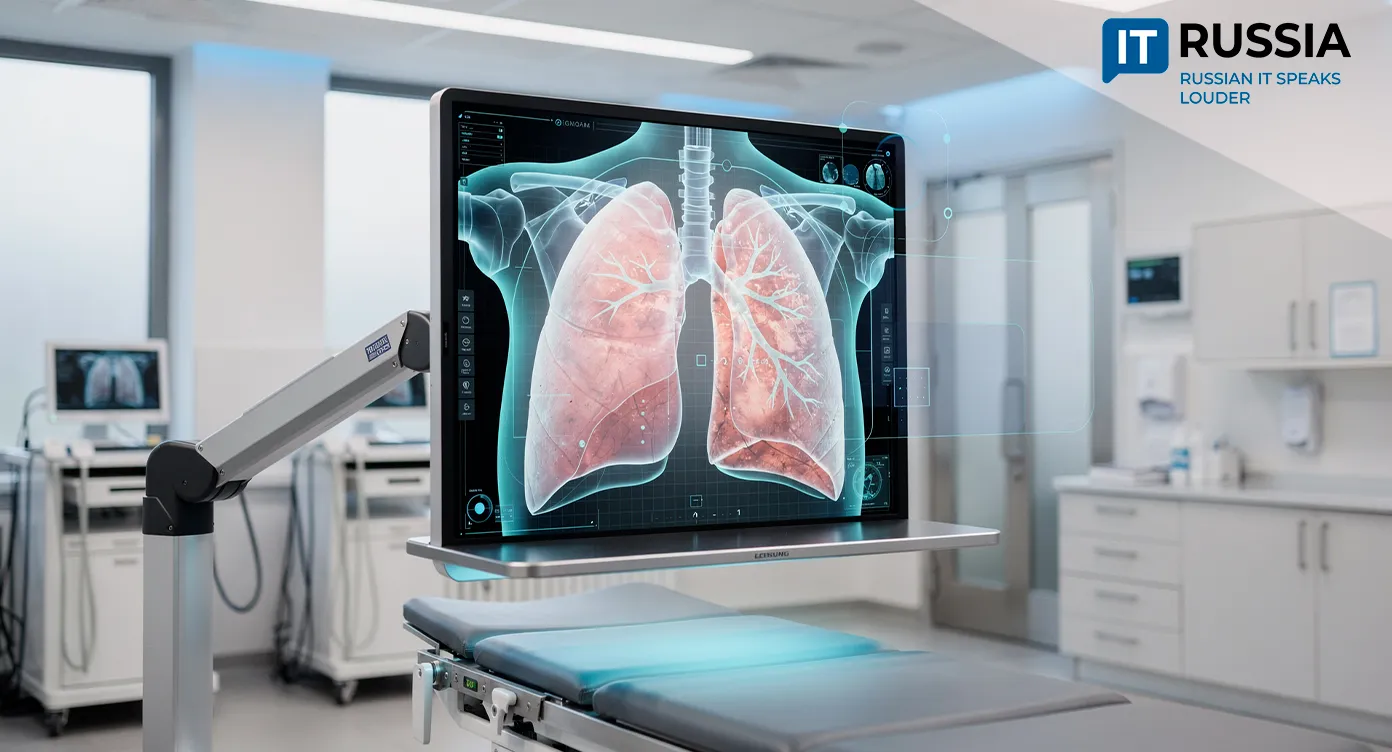
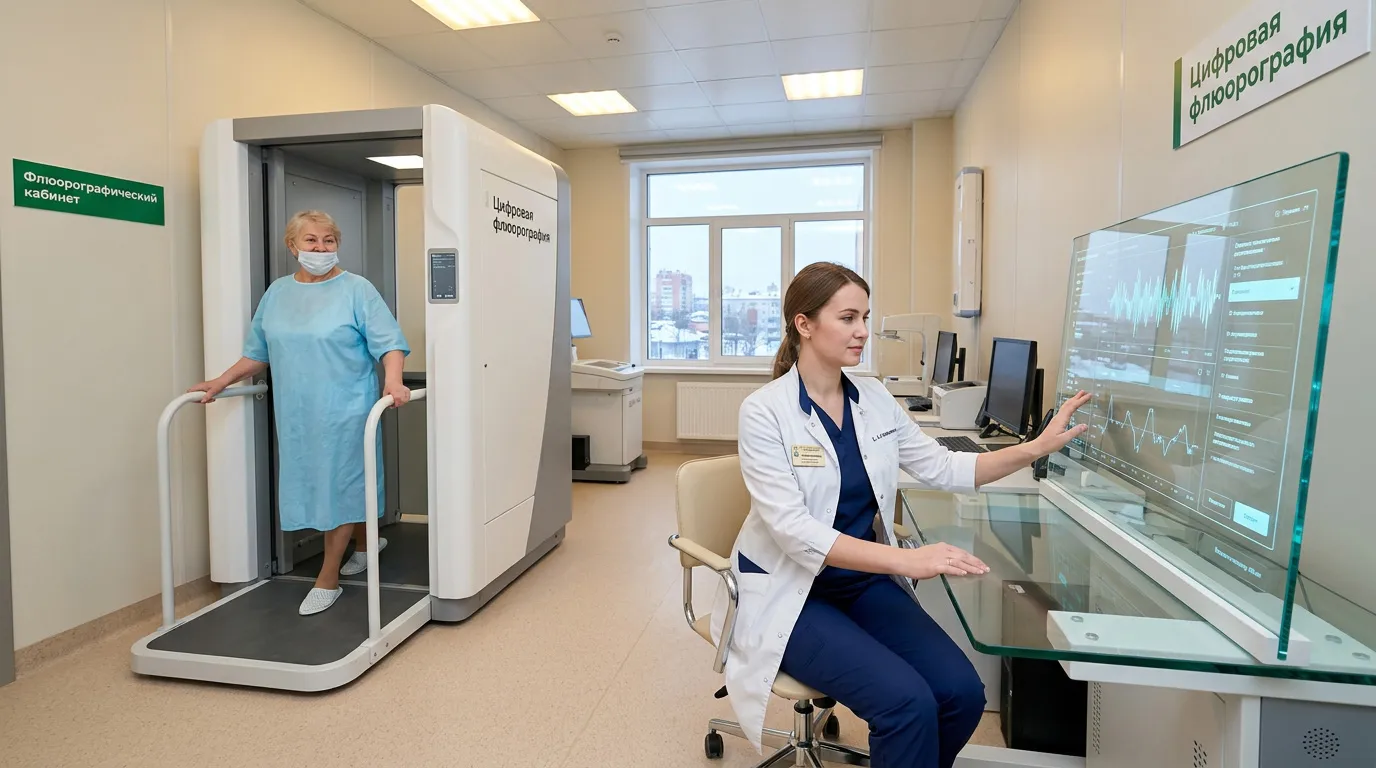
A fluorography unit in a regional hospital is nothing unusual. A fluorography system capable of analyzing images independently with artificial intelligence, however, represents the next step in early detection of socially dangerous diseases. According to the Saratov Region Health Ministry, the use of AI increases both the speed of analysis and the accuracy of fluorogram interpretation.
The fluorography unit was delivered to the Krasnoarmeysk District Hospital under the Primary Healthcare Modernization program as part of the national Healthcare project launched by President Vladimir Putin. Over five months of operation, the system has been used for nearly 15,000 examinations. Physicians identified 30 pathologies, including tuberculosis.
How the System Works
Artificial intelligence does not replace physicians, but assists them. The system analyzes each image, highlights suspicious areas and directs radiologists’ attention to regions that may indicate disease. The physician still makes the final decision, but spends less time reviewing scans and faces a lower risk of overlooking dangerous abnormalities because of routine human fatigue.
That is especially important for fluorography, where the primary goal is large-scale population screening. Patient volumes are high, radiologists become fatigued and the cost of error is significant. In practice, AI acts as a second highly attentive expert.
Who Benefits Most
Patients are the primary beneficiaries of the technology. They receive more accurate diagnoses and earlier disease detection. For tuberculosis in particular, early diagnosis can be lifesaving.
Tuberculosis is especially dangerous because it develops slowly and often without obvious symptoms in its early stages, making it easy to mistake for pneumonia. As a result, patients may initially receive pneumonia treatment that is ineffective against the tuberculosis-causing Koch bacillus.
The earlier tuberculosis is detected, the greater the chances of full recovery. Early diagnosis also reduces the risk of complications that can become fatal because of lung tissue destruction or the spread of infection to the brain, kidneys and lymph nodes. At the same time, it lowers the likelihood that infected patients unknowingly transmit the disease to others.
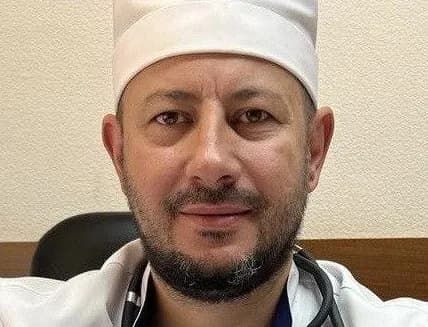
Physicians gain a tool that reduces workload while improving diagnostic quality. Instead of examining each scan for extended periods in hopes of not missing abnormalities, doctors receive AI-generated highlights of suspicious regions and can focus on confirming the diagnosis.

Why It Matters for Russia
Russia’s primary healthcare modernization program was initially scheduled to run through 2025. President Vladimir Putin later approved its extension through 2030 as part of the new Prodolzhitelnaya i aktivnaya zhizn (Long and Active Life) national project. Particular attention is being directed toward rural areas and strategically important population centers. For residents in those regions, access to reliable primary diagnostics is not a matter of convenience, but a core element of medical security.
Krasnoarmeysk District is neither Moscow nor St. Petersburg. It is an area deep in the Russian countryside where resources have traditionally been more limited even though healthcare challenges remain similar to those faced in major cities. The deployment of AI-enabled diagnostic equipment in such an area signals a broader systemic effort aimed at protecting public health.
Global Relevance
According to the World Health Organization’s Global Tuberculosis Report 2025, worldwide tuberculosis incidence reached 131 cases per 100,000 people in 2024. WHO experts note that the decline in infection rates in recent years is linked both to the recovery of national healthcare systems and to the emergence of more advanced disease-detection technologies, including AI-assisted diagnostics.
Russia’s use of AI in fluorography aligns with that broader global trend. Importantly, the technology is being deployed in district-level hospitals rather than only in major medical centers. The combination of AI and medical imaging is becoming a practical clinical tool that can be scaled more widely.

Export Potential and Future Outlook
The technology also has export potential. Countries where tuberculosis remains widespread, including India, Indonesia, Nigeria, Pakistan and South Africa, need efficient tools for large-scale screening programs. AI systems that can operate on standard fluorography equipment without requiring extremely expensive infrastructure could attract significant interest.
However, software alone is unlikely to be enough. Providers will need to offer integrated packages that include equipment, physician training and integration with local healthcare systems. Russian developers already have experience building such solutions. The next step will involve packaging them into ready-to-deploy products for international markets.
Within Russia, the healthcare modernization program will continue through 2030. That means similar systems are likely to appear across many additional regions over the next several years, particularly in rural areas. AI-assisted fluorography is expected to shift from being a technological novelty to becoming part of standard medical practice.