Flood Chatbot Launched in Tyumen Region Through MAX Messenger
The service, integrated with maps and official data feeds, will allow residents to quickly receive information about flood conditions in affected areas and better plan their actions in the event of an evacuation.
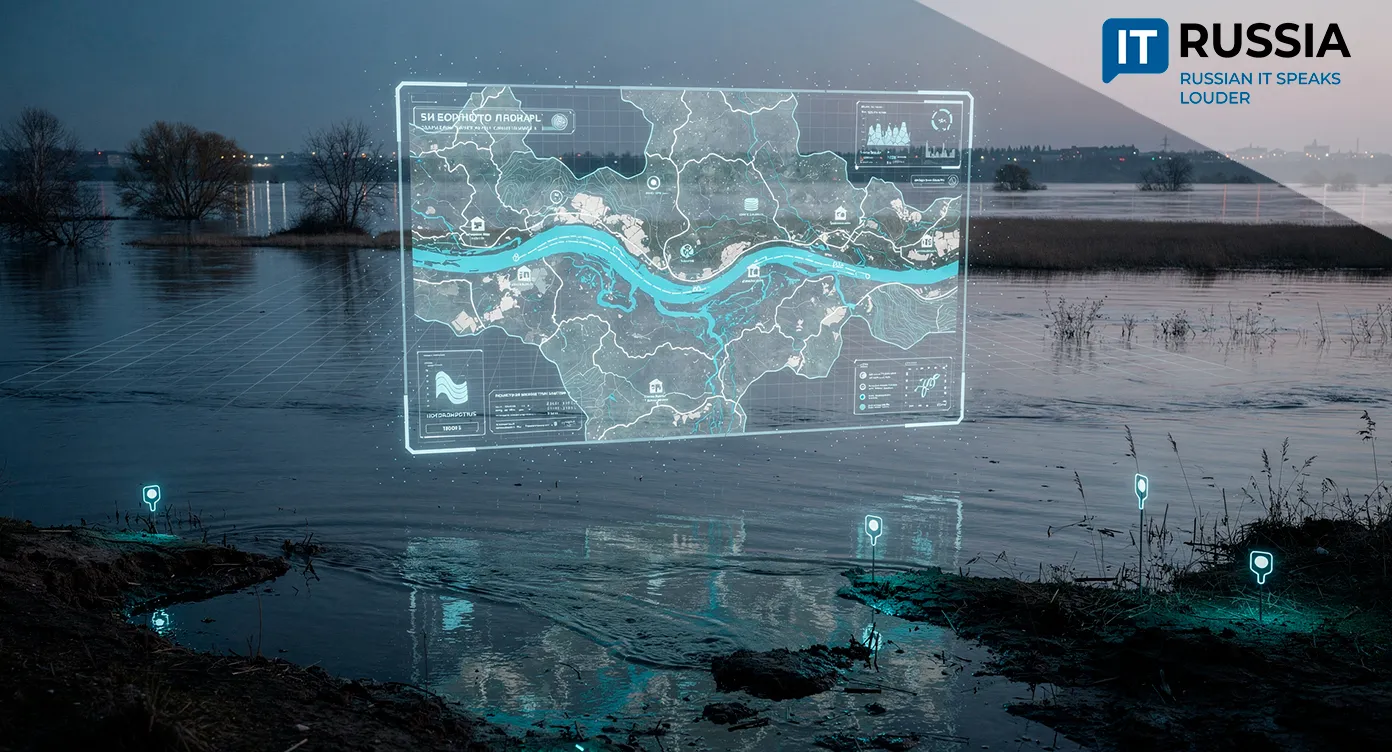
An information chatbot called “Pavodok.Info” has been launched in the Tyumen Region through the national messenger platform MAX. The service is designed to provide residents with real-time information about flood conditions, including water levels, changes recorded at hydrological monitoring stations, road closures, detour routes, temporary accommodation centers, vaccination services, humanitarian aid, hotlines and flood-response guidelines.
New Level of Protection
For the Tyumen Region, the platform represents an important public safety tool, as the area regularly faces flood risks. At present, for example, a heightened alert regime and local emergency response status have been introduced in the Kazansky District.
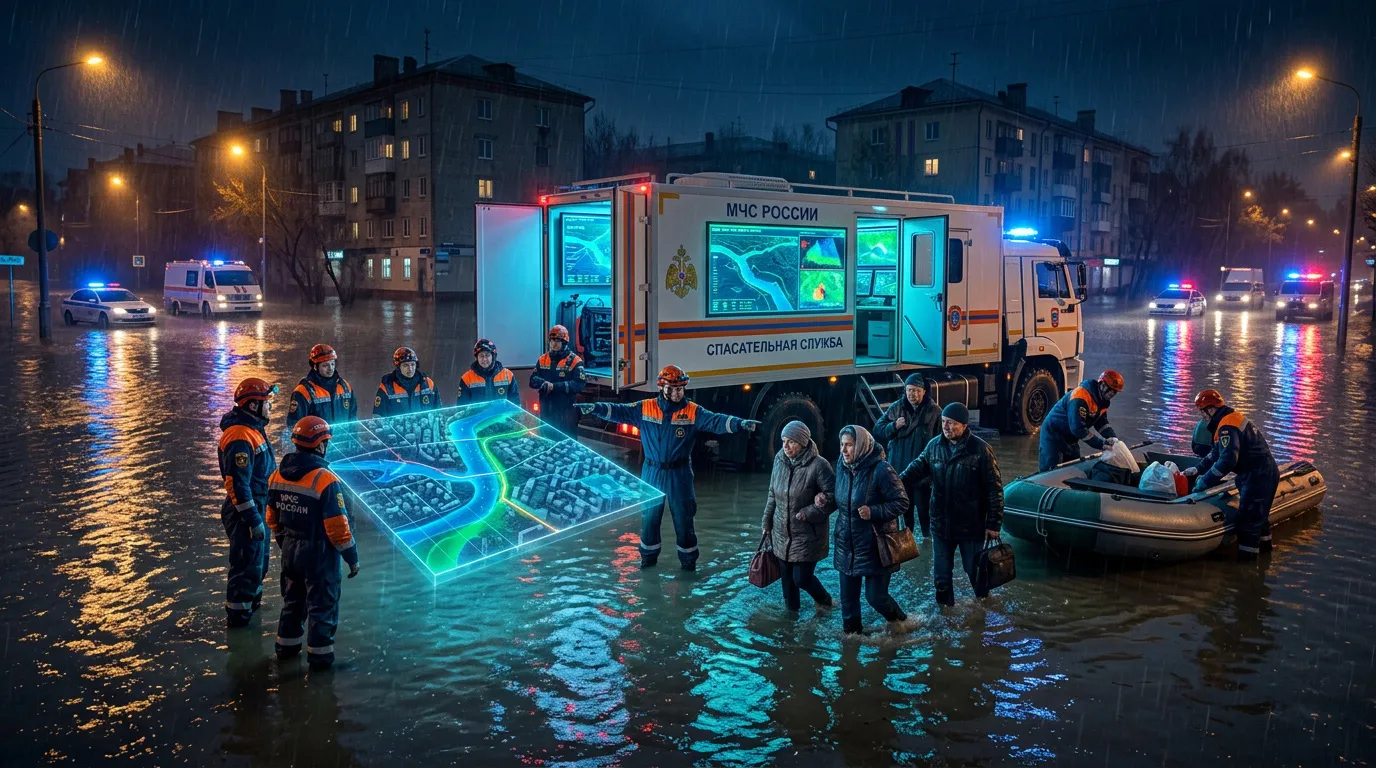
The Tyumen case demonstrates a broader shift away from fragmented public notifications toward a more practical digital model: messenger platform + hydrological data + maps + reference information + request routing. Digital services are reaching a new stage of use in civil protection. Residents gain rapid access to verified information, helping them understand risks in advance and prepare for evacuation or possible flooding.
Forecasts Through the Messenger
The chatbot could eventually be introduced in other flood-prone Russian regions, including the Kurgan Region, Orenburg Region, Altai Territory, Primorye, Yakutia and parts of the Volga and Siberian regions. The Tyumen Region already operates an official “Pavodok-2026” resource, and the chatbot may become a more convenient interface for accessing those data.
The MAX messenger platform is increasingly being used as a channel for critical public alerts. In particular, channels operated by regional branches of the Unified State System for Emergency Prevention and Response have already appeared there. The next step could allow residents themselves to submit reports about emergency situations. Later, the service may evolve toward predictive functions, including alerts for specific populated areas, evacuation recommendations and localized risk warnings. Over time, if developed into a broader digital platform, the model could also gain export potential, especially in CIS countries and states with similar regional governance systems.

The Country Moves Toward Interactive Emergency Services
The “Pavodok.Info” chatbot is a logical continuation of flood-response infrastructure already emerging across Russia. Back in 2022, Yandex Maps launched a flood-risk map showing potentially affected areas in different colors. In 2023, the Primorye Territory Regional Management Center created a chatbot through which residents could report post-flood problems, including flooded homes and shortages of drinking water or other assistance. The information was forwarded to municipal authorities and the regional civil defense and emergency ministry. A year later, Russia’s federal Emergencies Ministry released its own mobile application.
In 2024, during severe flooding in the Kurgan Region, authorities launched an interactive map showing flooded and closed roads and bridges. The data were updated daily, while map markers indicated whether traffic was impossible, restricted or open. A year later, the Tyumen Region relaunched its own service based on the regional geoinformation system. It allowed users to monitor flood conditions, flooded roads, hydrological stations, assistance centers and temporary accommodation facilities. During the 2024 flood season, more than 200,000 Tyumen residents used the platform.

Reliability and Trustworthiness
The launch of “Pavodok.Info” shows that digital emergency-response services are becoming part of routine governance practice. Regional authorities are increasingly using communication channels familiar to citizens, including messenger platforms, maps, push notifications and interactive reference services. Similar systems are likely to appear in more Russian regions over the next few years. Their value becomes especially clear during floods, when the speed and reliability of information directly affect public safety.
At the same time, that also represents the service’s main challenge. The platform will only remain useful if the information is updated consistently and without interruption. That means authorities must ensure stable operation during periods of high demand and communication outages. Clear responsibility chains will also be necessary: who updates the data, who verifies their accuracy and who is accountable for mistakes. The information itself must also remain fully consistent with other official sources.