One Code to Serve Them All: Russia Introduces a Universal QR for Retail
Starting in fall 2026, Russia will begin rolling out the digital ruble at scale. At the same time, a universal QR code for payments will launch across the economy.

Since 2019, the Sistema bystrykh platezhey (Fast Payments System, SBP) has supported QR-based payments for goods and services. The method has gained traction with consumers, but the experience has not always been seamless.
As payment tech evolves, Russia is pairing the digital ruble rollout with a universal QR code designed to simplify the customer journey. Shoppers will no longer need to figure out how to scan a code – they will be able to use either a phone’s native camera or any payment app.
A Familiar Code, Reimagined
On September 1, 2026, Russia will begin large-scale deployment of a new national currency – the digital ruble. The infrastructure is already in place, and testing is underway through a pilot involving a limited group of individuals, businesses, and banks. Even at this stage, interest is high, with the Central Bank receiving a steady flow of questions about how the digital ruble will work.
The regulator says the digital ruble will be usable via a universal QR code at checkout, as well as on websites and in apps. In practice, that means consumers will rely on a familiar payment flow, now extended to include digital currency.
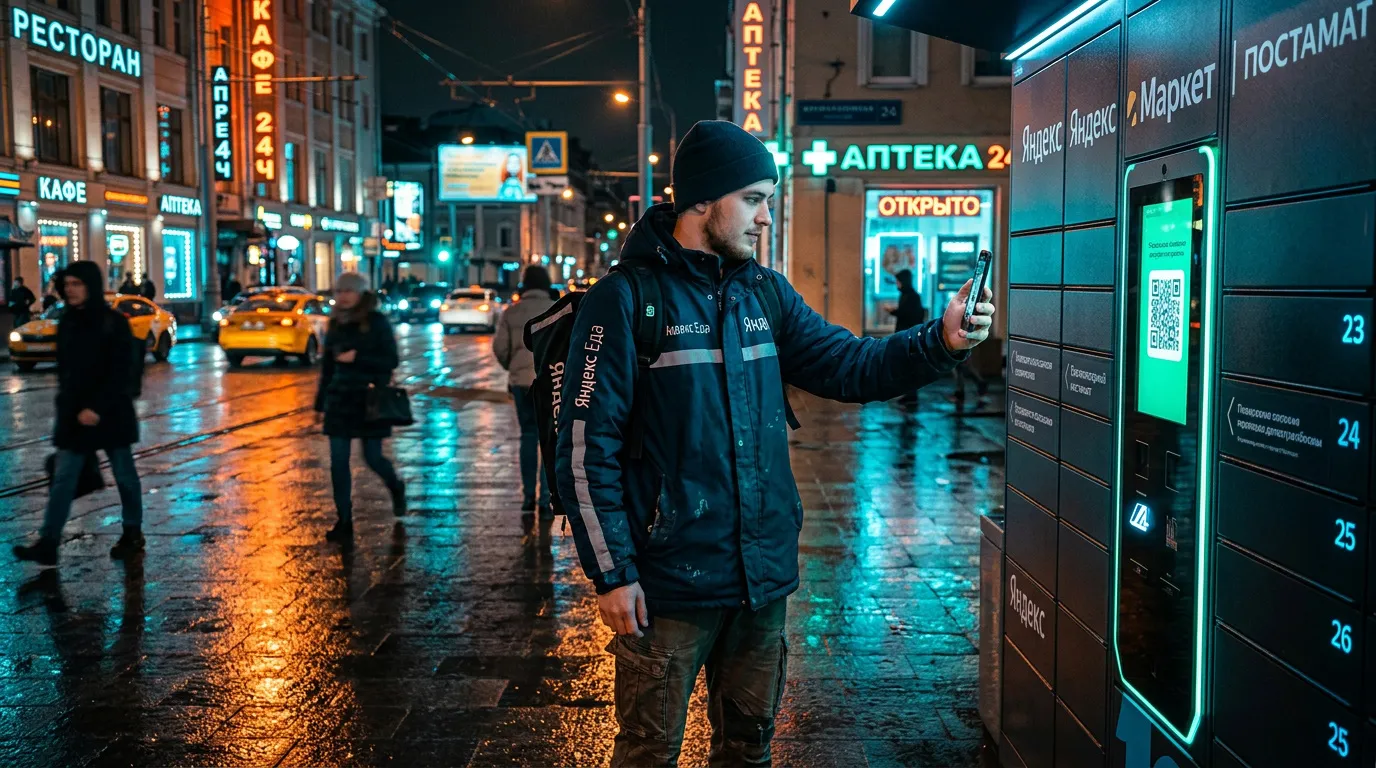
For retailers, adoption requires opening a digital ruble account with a bank and integrating the necessary technical and information systems. Businesses that already accept SBP payments will be able to process digital ruble transactions through existing terminals.
The first rollout phase will target large companies with annual revenue above 30 million rubles (around $330,000), followed by merchants earning over 20 million rubles (around $220,000). Smaller businesses will be able to join voluntarily.
For Russia, the initiative is a strategic fintech milestone. The digital ruble marks an evolutionary step that positions the country among the first to deploy a full-stack national payments infrastructure. Adding this layer strengthens system resilience and helps ensure uninterrupted payment operations.
More than 100 countries are currently exploring central bank digital currencies (CBDCs), and Russia’s approach – scaling adoption through a mass QR payment scenario – could become a reference model.

New Capabilities Through Digital Currency
The digital ruble is expected to reshape core economic processes. Over time, it will stand alongside SBP, bank cards, and pay services as a standard payment method. A key element is the universal QR code, which brings all cashless payment options into a single interface, reducing friction at checkout and eliminating confusion for consumers.
Banks also stand to benefit. Early adopters can position themselves as innovation leaders, while the system reduces transaction costs, cash handling expenses, and operational overhead. It also improves payment security and allows banks to compete through service quality and speed.
For IT companies and businesses, the model promises lower acquiring fees, instant settlement, and the ability to use smart contracts to automate transactions.
The Central Bank is already advancing a registry-based payout model, allowing companies to distribute digital ruble payments instantly to large groups of recipients.
The pilot phase is also building critical fintech expertise. As Russian developers gain experience with CBDC infrastructure, QR acquiring, digital wallets, and mass payouts, these capabilities could translate into exportable solutions for countries adopting digital currencies.

Built Into the Roadmap from Day One
The Central Bank initially planned for QR-based payments through mobile apps as part of the digital ruble concept published in 2021.
In 2023, following the adoption of federal legislation by the State Duma, the pilot project launched, allowing participants to test digital ruble transactions in real-world conditions. The pilot expanded in 2024, opening the infrastructure to a broader market. Throughout this period, developers addressed potential risks and refined the system to move from experimentation to scale. In 2025, the Central Bank confirmed that mass rollout would begin in fall 2026, alongside the universal QR code as a core acceptance method.
Work is now focused on finalizing the user and merchant experience – defining how the system will operate in everyday scenarios.
A Unified QR Layer for All Cashless Payments
This year marks the start of a new phase for Russia’s economy. The digital ruble will enter everyday retail through a unified QR payment layer. Central Bank Governor Elvira Nabiullina said the phased rollout is proceeding according to plan. The priority now is to refine all usage scenarios so that the new payment method matches the convenience and security of existing cashless options and SBP. The pilot is designed to fine-tune the user experience and enable a seamless rollout.
If integration proceeds smoothly, the digital ruble will be embedded into familiar apps, marketplace platforms, and retail systems.