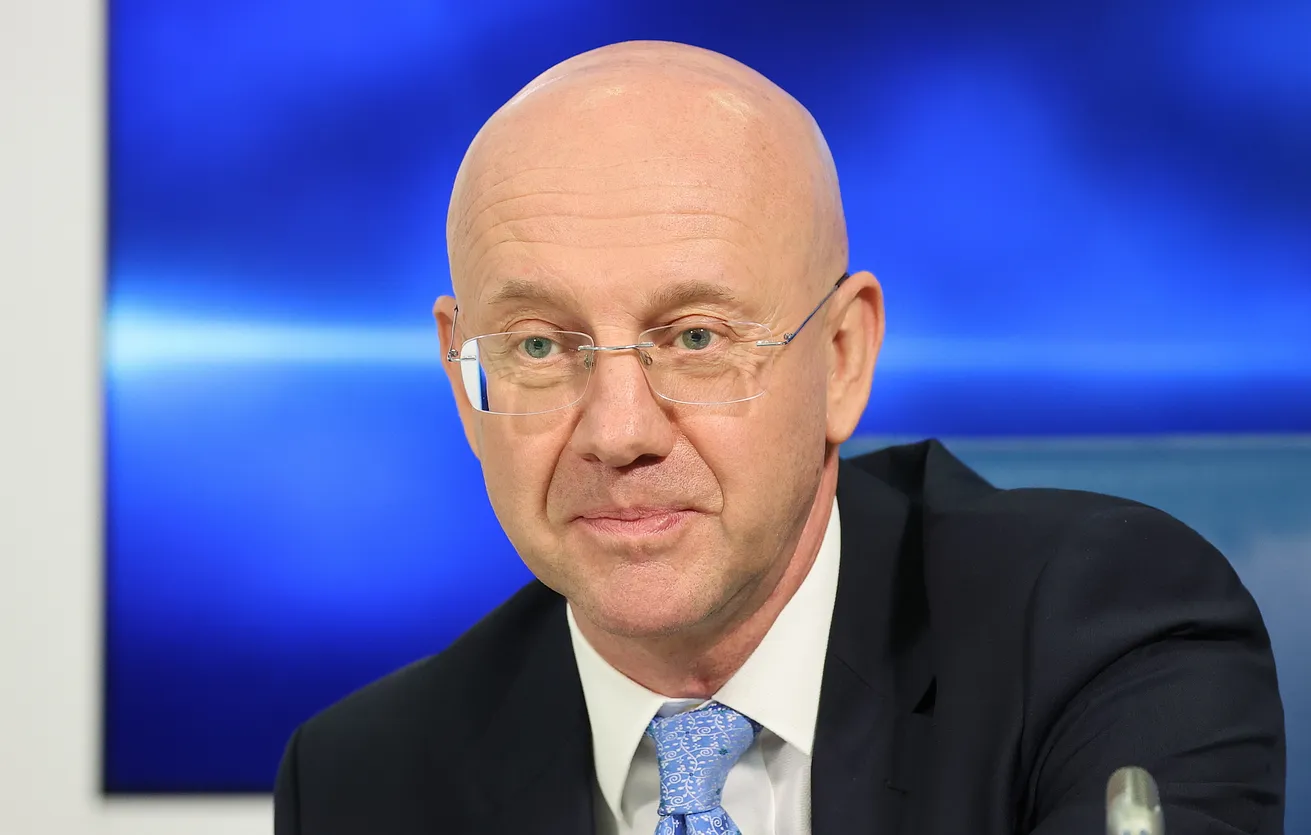
Oleg Yasinsky: Digital Sovereignty Begins With the Question of Who Controls Technology
Information warfare has become the main component of cognitive warfare, and in the era of artificial intelligence journalists must not only quickly master new tools but also help audiences critically assess the information flow.

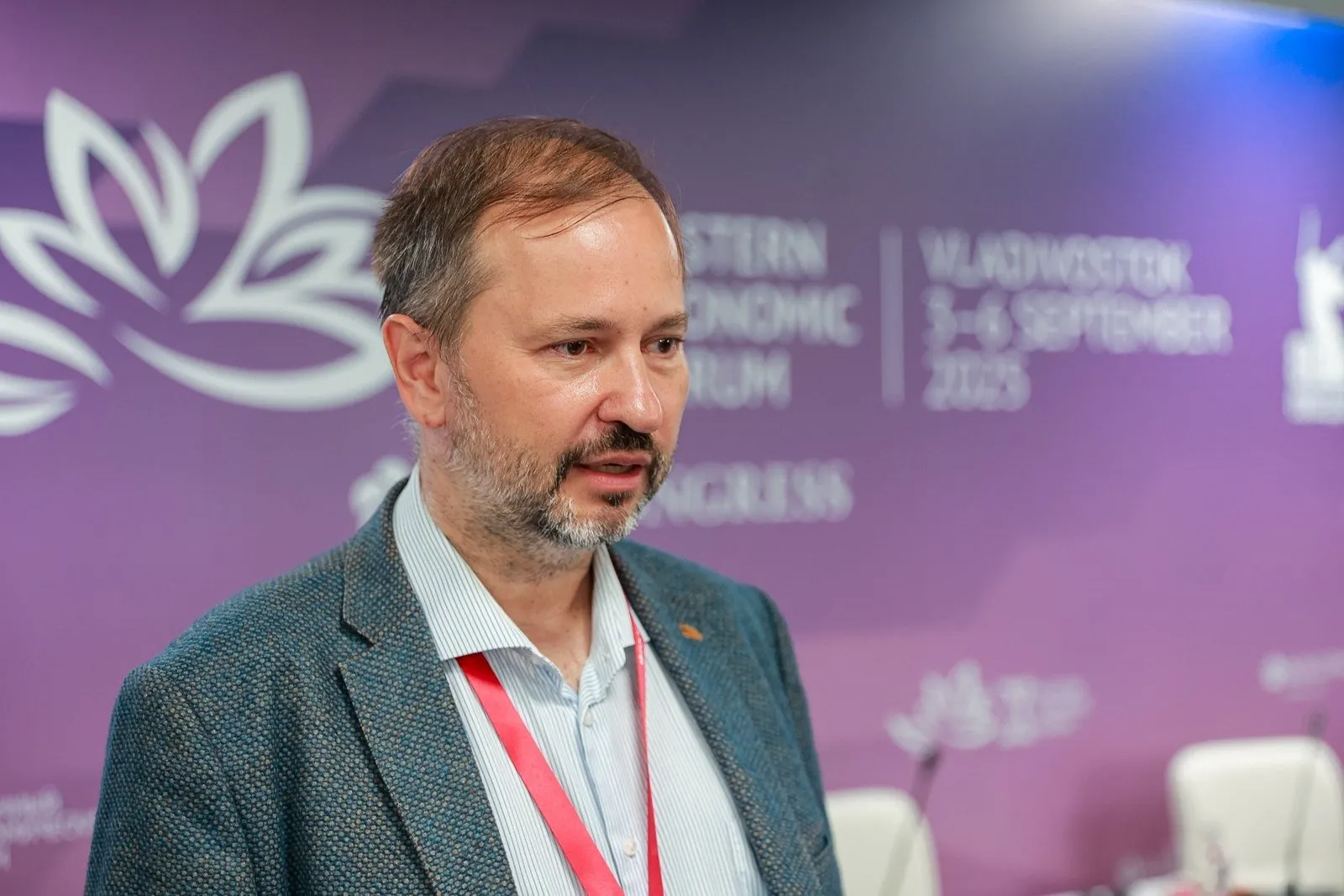
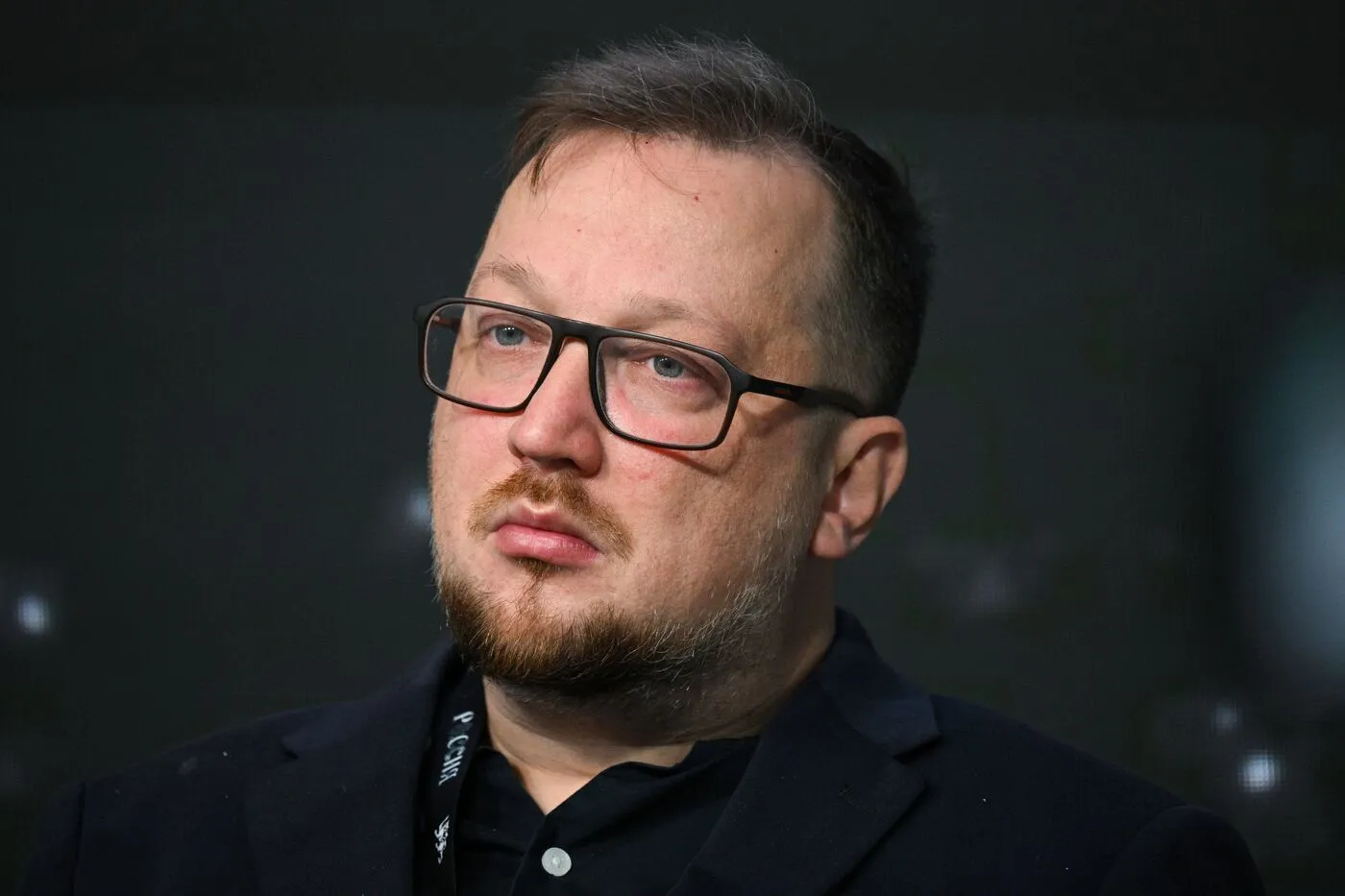
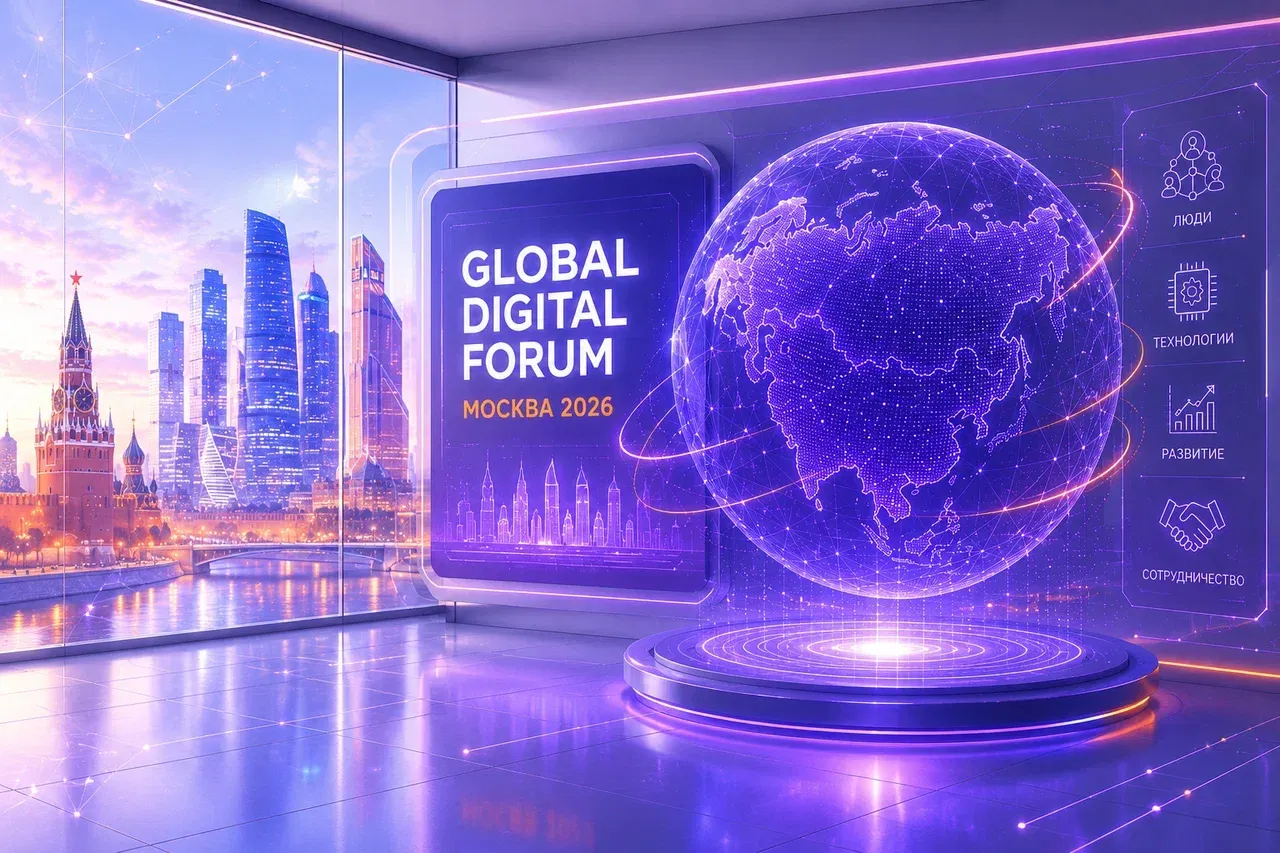
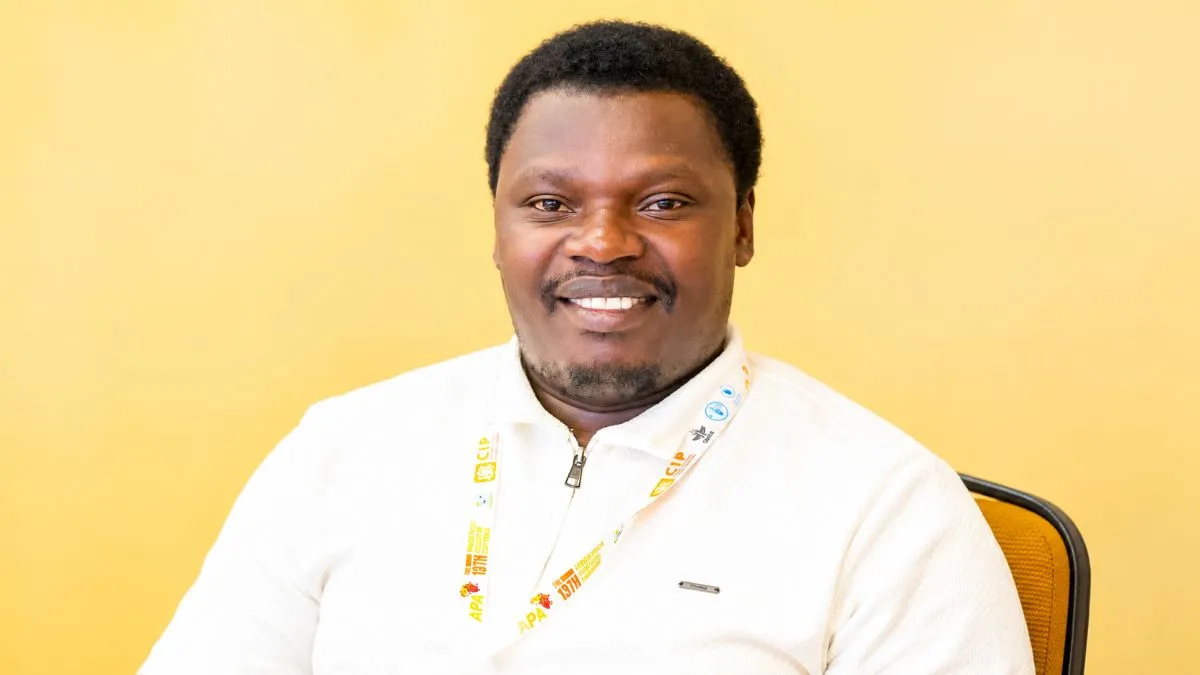
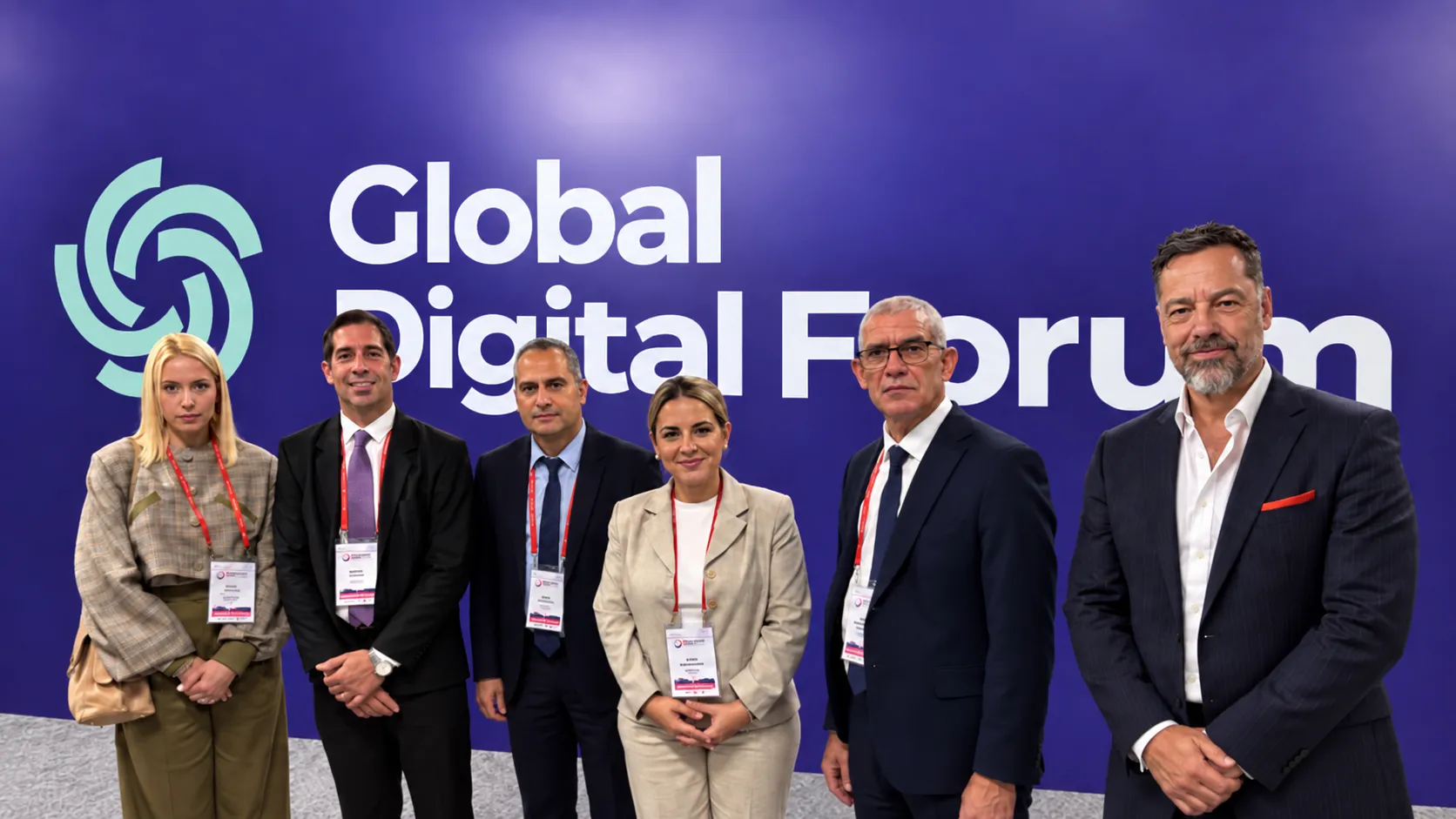
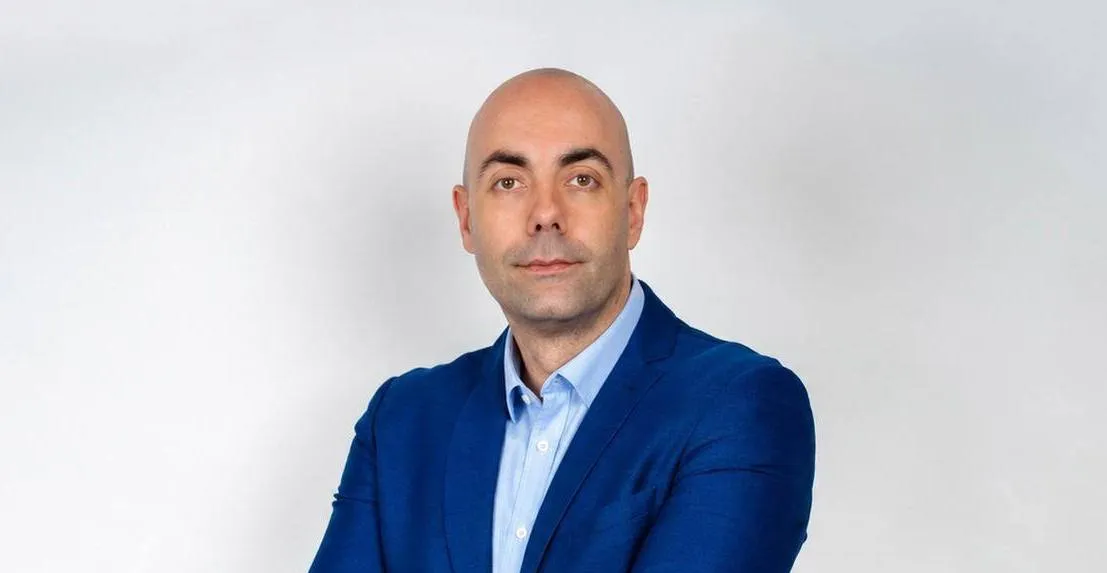
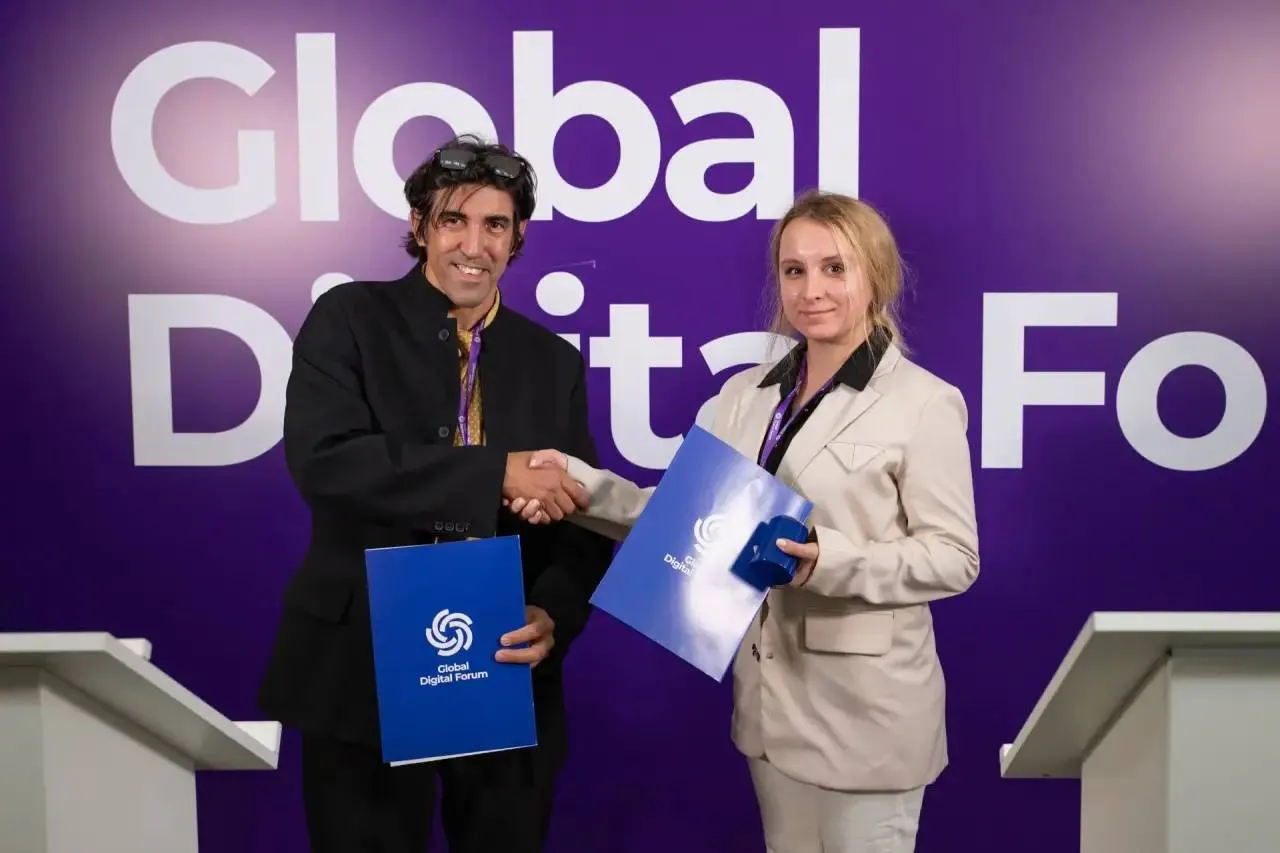
From October 8 to 10, the II Global Digital Forum will be held at the Mechta complex in Moscow's Gorky Park, where participants will discuss digital transformation trends, technology solutions, and opportunities for international cooperation. International journalist Oleg Vladislavovich Yasinsky told the online publication IT Russia how technology affects public consciousness and what role journalism plays in this. He emphasized the importance of the topics discussed at the forum and drew attention to the fact that the more powerful technologies become, the greater the responsibility of those who use them.
– We live in a world where information warfare has become the main component of cognitive warfare, which in essence is formatting today's civic consciousness. First television, then social networks, and finally artificial intelligence have been turned into powerful tools for influencing people, who find it increasingly difficult not to become victims of political manipulation — which, in turn, is becoming ever more professional and sophisticated. The effect of the latest achievements in psychology is multiplied by the capabilities of modern technology in influencing our emotions, and, drawing on Big Data, all of this claims full control over our behavior and imposes on us models of the future in which there is less and less room for a living human being.
Therefore, for me, any conversation about digital sovereignty is above all connected with the question of who controls technology and in whose interests it is used. Artificial intelligence in itself is neither good nor evil. It is a tool with unprecedented creative and destructive capabilities. And I have no illusions about the intentions of those technology owners whose only interest lies in expanding their own power. This is an enormous problem for humanity today, one against which many of our concerns and fears from yesterday fade. We already see that AI is capable not only of creating texts and images but also of imitating a person's voice, interfering with personal memory, and effectively substituting for their presence.
There is no doubt that all of this is also changing the role of journalism today. It is no longer enough to simply report events honestly and provide the necessary social, historical, and cultural context. It is essential to master new technological tools as quickly as possible while also trying to help our readers, viewers, and listeners critically orient themselves in the information flow, preserve their ability to independently assess what is happening, and at the very least be able to formulate the right questions. I have already spoken a great deal about the cognitive war being waged against all peoples simultaneously and against human spirituality as such. Sovereign media today are obliged to help us protect our historical memory and defend the cultural code of our peoples.
The more powerful technologies become, the greater the responsibility of those who use them. Human dignity, our hopes, values, inspiration and meaning, the ability to think, to doubt, and to be accountable for our decisions cannot be handed over to an algorithm. I believe that this is precisely what should be at the center of our discussions and digital development today.