From GLONASS to Dispatch Centers: How Russia Is Speeding Up Emergency Care
On Emergency Medical Services Worker Day, Russian President Vladimir Putin visited the Federal Center for Disaster Medicine in Moscow and, via video link, took part in the opening of new emergency intake departments in several regions.
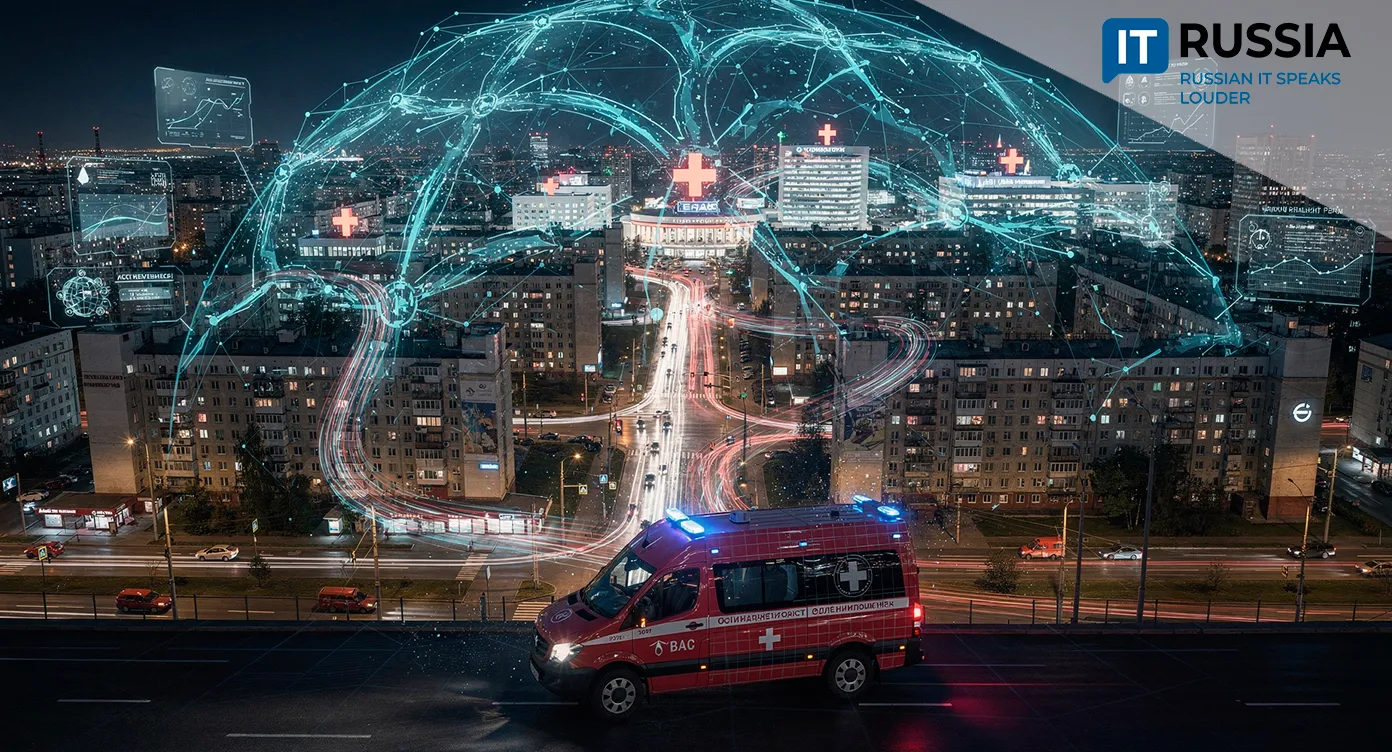
Speaking about the system’s development, he emphasized that digital technologies are now becoming a critical tool that directly affects the speed and quality of life-saving care.
EMS Goes Digital
On Emergency Medical Services Workers' Day, President Vladimir Putin visited the Federal Center for Disaster Medicine at the Pirogov National Medical and Surgical Center. During the visit, he joined, via video link, the launch of new emergency intake departments in Tambov, Donetsk, Yekaterinburg, and Simferopol.
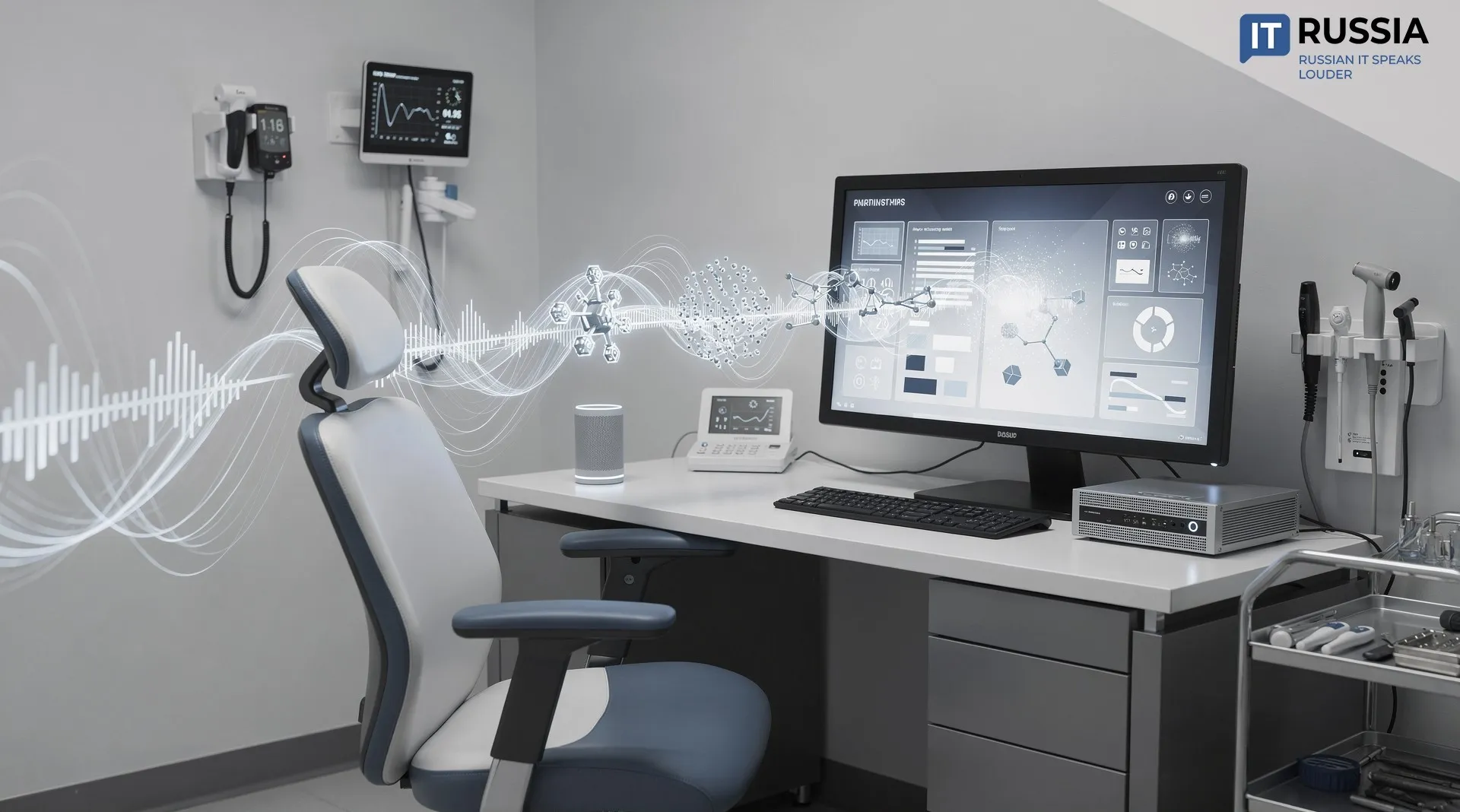
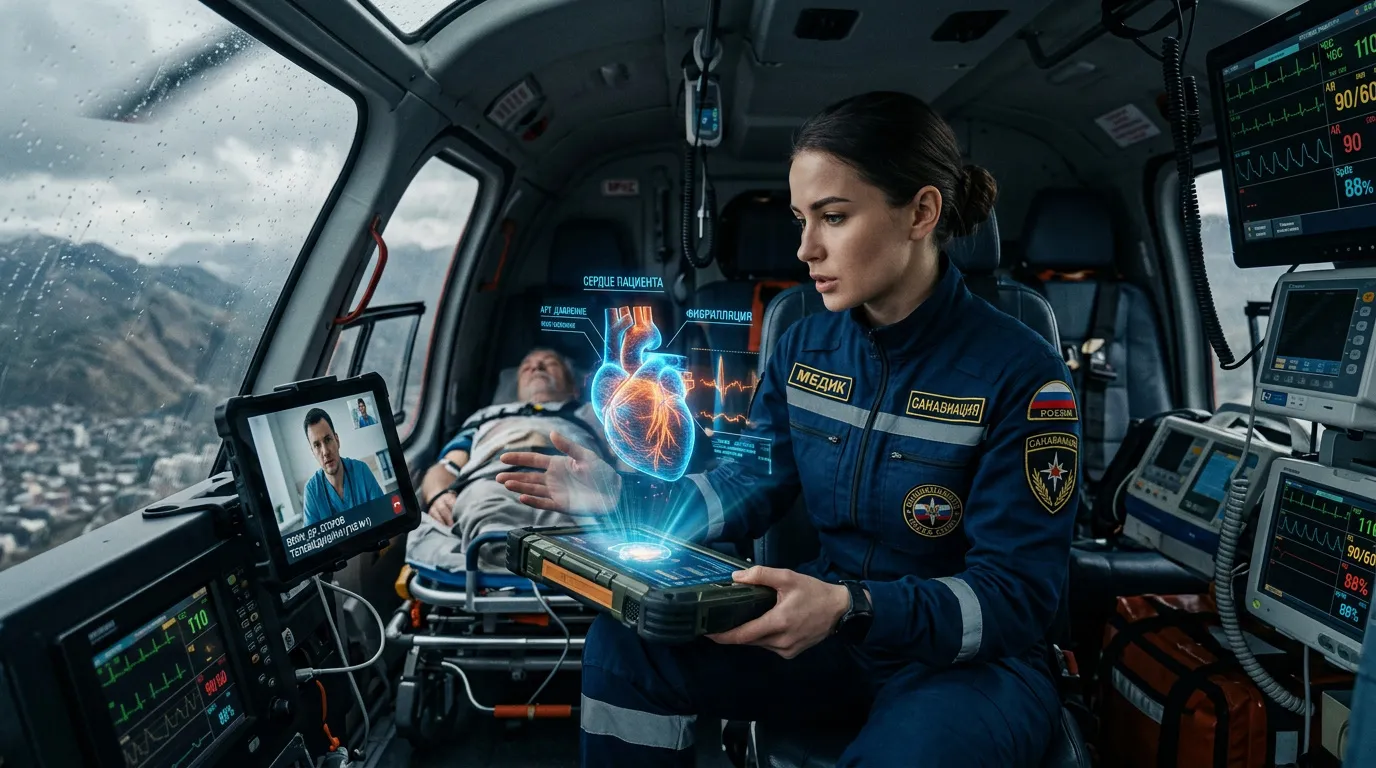
The president was also presented with domestically developed medical equipment for emergency care, including ventilators, defibrillators, electrocardiographs, and telemedicine devices.
Describing the changes underway, he made the role of technology explicit: “Digital technologies are becoming an essential tool in saving lives. They make it possible to optimize the entire chain – from rapid call intake and patient data collection to real-time tracking of patient transport.”
That system is steadily taking shape across Russia, progressively region by region.
What Has Already Been Implemented
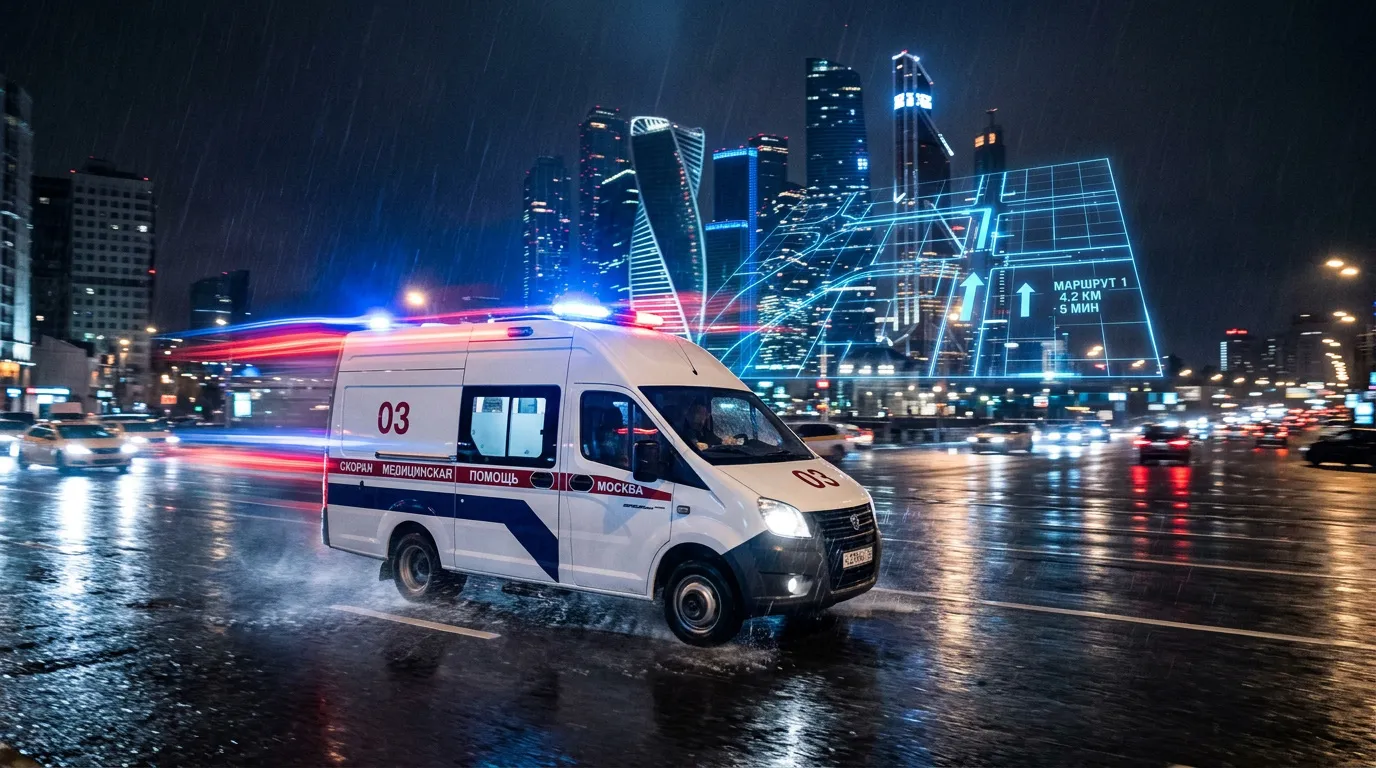
The president separately stressed that these solutions are already in active use. Today, unified EMS dispatch centers operate across multiple regions of the country. Calls are no longer manually distributed among substations. Instead, all data is consolidated within a single system.
That same system provides visibility into all ambulance crews, their workload, and their location. As a result, dispatchers can send the vehicle that is actually closest to the patient. This is enabled by GLONASS, Russia’s satellite navigation system, which allows real-time tracking of both ambulances and patients.
Meanwhile, mobile workstations for EMS teams, medical information systems, and integration with the “System-112” emergency response platform are advancing in parallel. Patient data is transmitted from dispatchers to field teams and onward to hospitals even before the ambulance arrives. In practice, this allows medical staff to be fully prepared by the time the emergency patient reaches the facility.

What It Means for Patients
For patients, this translates into faster and more precise care delivery. The number of errors that previously occurred during information transfer is reduced. Unnecessary delays are eliminated. In emergency medicine, those minutes often determine outcomes.
The impact is especially noticeable in regions with vast distances. There, accurate crew allocation and precise navigation deliver real time savings.
Why It Matters for the Country
For Russia, this is not just an equipment upgrade. It represents a restructuring of the entire emergency care system. When data on calls, routes, and crew workload is consolidated within a single environment, the system can be managed as a whole. Specialists gain visibility into where resources are lacking and where overload is building.
This is critical both for day-to-day operations and for complex situations – accidents, emergencies, and periods of heightened demand on healthcare services. Control centers are emerging that enable coordinated management of disaster medicine services and faster decision-making.
In effect, an infrastructure is being built that makes the system more resilient and more manageable.
Could This Model Scale Internationally
This approach is drawing interest beyond Russia. The country is building a model that integrates multiple layers at once – dispatch operations, navigation, medical data, and emergency service coordination.
That is particularly relevant for countries with large territories, complex geography, and uneven population distribution. The challenges are similar, and so are the potential solutions.
If proven effective, such systems could evolve into exportable solutions. However, what would be exported is not just hardware, but an integrated operational model for emergency care delivery.
Where It Goes Next
Today’s digitalization consists of separate components – dispatch systems, navigation, mobile services, and medical databases. The next step will be to connect them into a unified system that operates seamlessly at every stage, from call intake to post-care analytics.
Putin’s statement confirms that digital technologies in emergency care are no longer viewed as auxiliary administrative tools, but as part of the life-saving mechanism itself.