St. Petersburg Expands Its Digital Water Quality Monitoring Network
St. Petersburg has expanded its Neva River water quality monitoring network into the neighboring Leningrad region. The city’s water utility has connected six additional water intake facilities to its unified digital monitoring system.
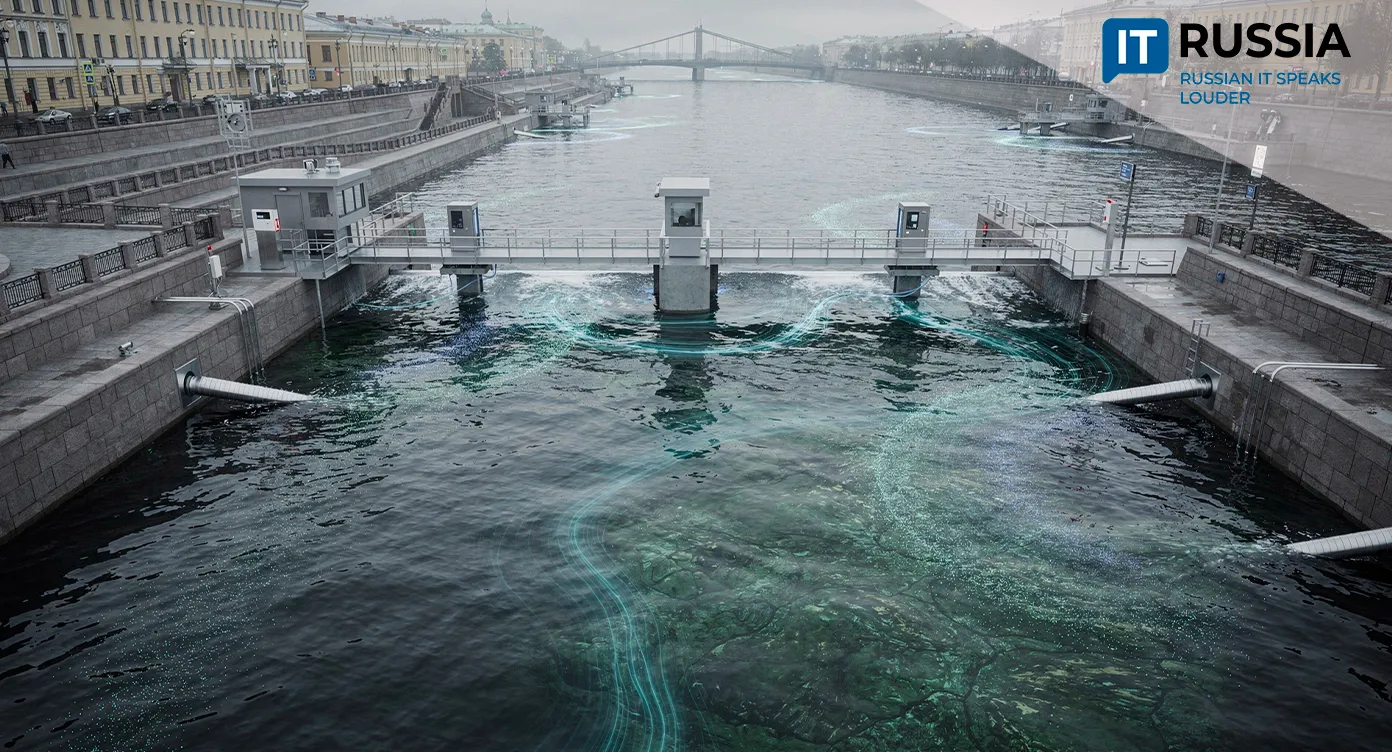
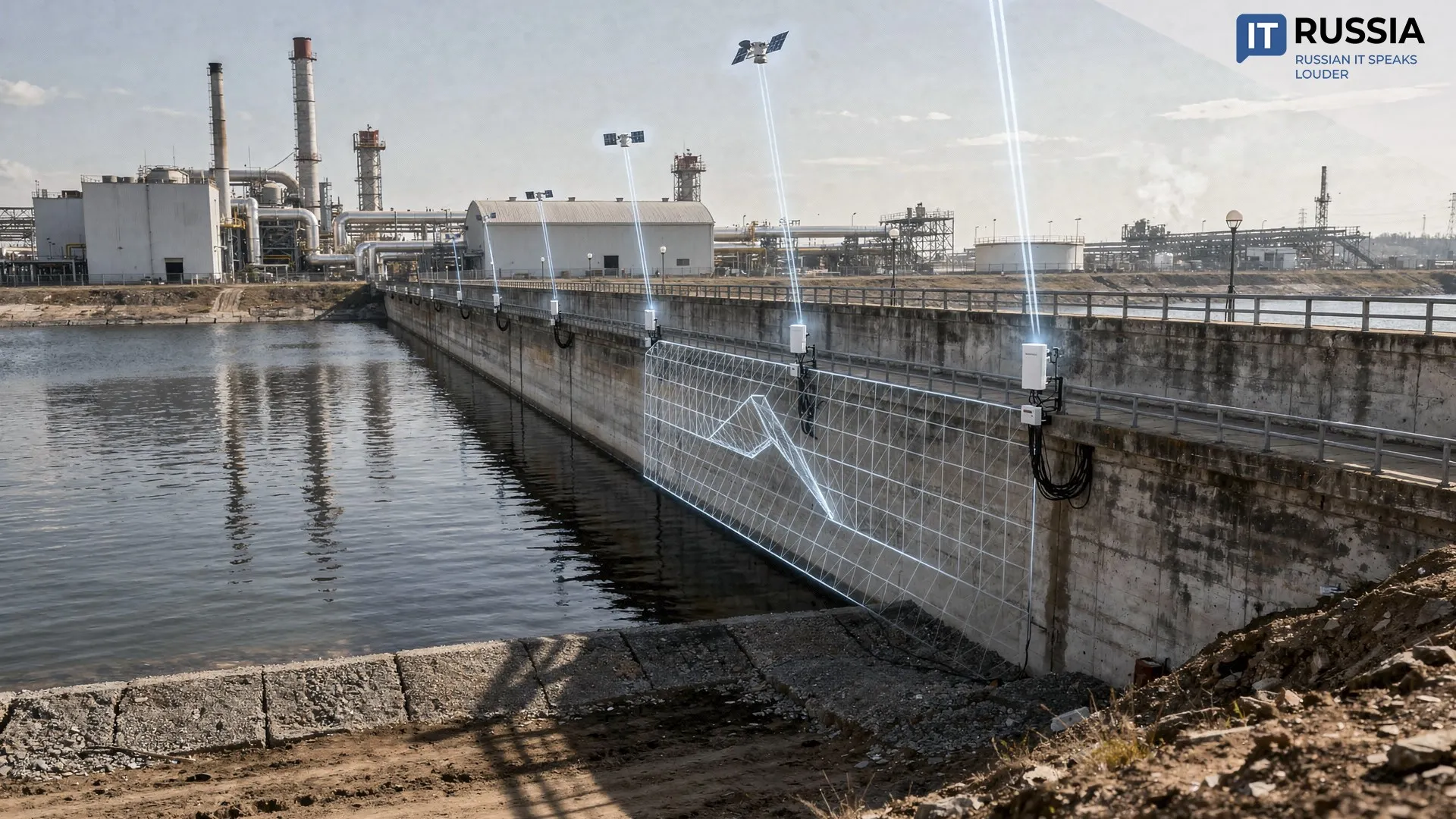
The intelligent water quality monitoring system for the Neva River continues to scale up and now includes 11 water intake facilities. Until recently, automated analyzers operated at five sites located within the city limits. Now six more facilities located upstream in the Leningrad region have been connected to the network. That expansion has created a single digital monitoring perimeter stretching from the entrance to the metropolitan area all the way to the city’s own water intake infrastructure.
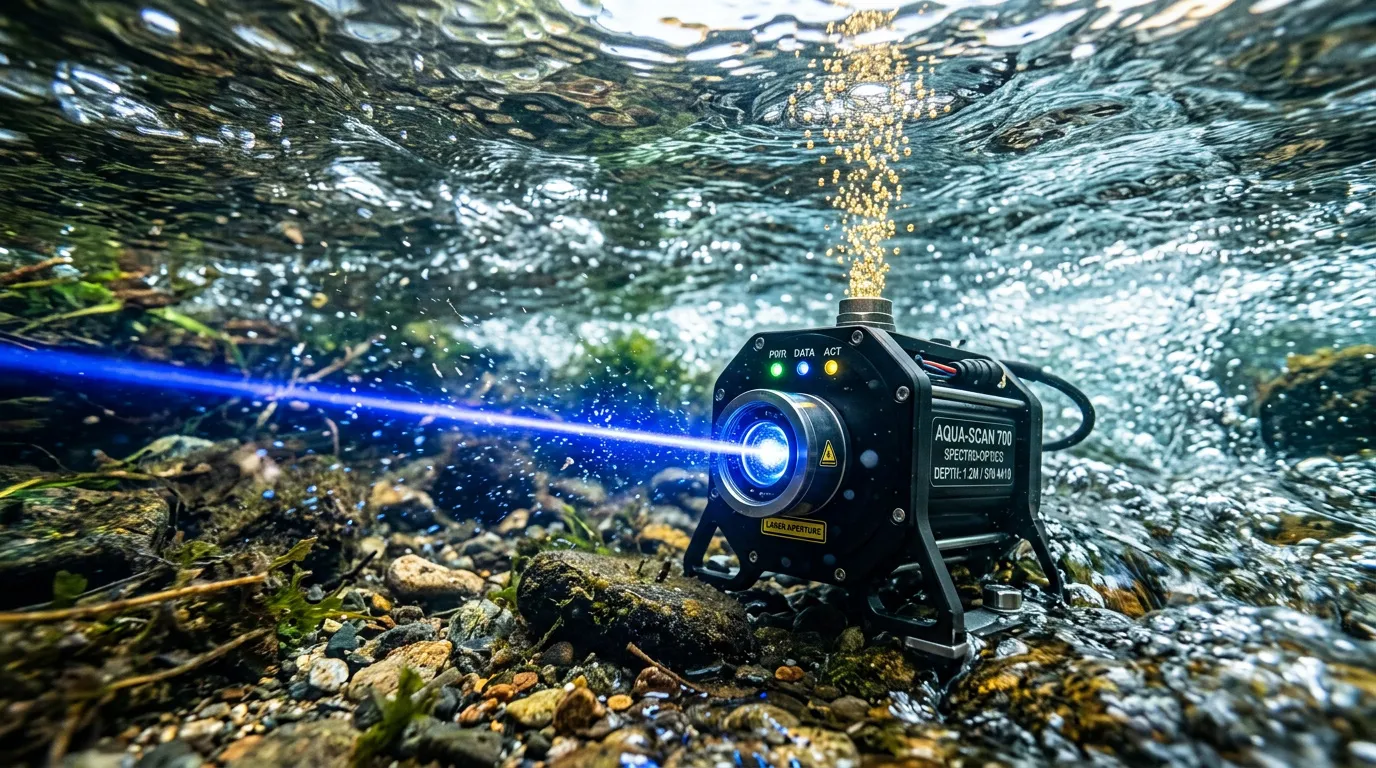
The core element of the system is a set of reagent-free spectrophotometers. Operating around the clock, they continuously track key water quality indicators including turbidity, color, temperature, organic carbon content and nitrate levels. The spectrophotometers can also detect industrial pollutants such as benzene, phenol and toluene, along with a range of other contaminants. Importantly, the analysis process works continuously without the use of chemical reagents. The unified digital monitoring contour allows operators to identify contamination at an early stage and adjust purification processes before water quality deteriorates further.
Environmental Sensing at a New Level
Adding new sensors goes beyond a routine expansion of water quality oversight. The project is part of a broader environmental monitoring framework tied to the future federal Chistaya Ladoga (Clean Ladoga) initiative. Over time, officials plan to scale the system across the entire Baltic water basin, linking six Russian regions into a shared digital monitoring network.
In the longer term, the centralized digital platform operated by the St. Petersburg Vodokanal utility is expected to evolve not only by increasing the number of monitoring points. The vast amount of incoming data also creates opportunities to deploy neural networks and predictive analytics capable of forecasting contamination threats before they are identified through traditional methods.
The experience gained by St. Petersburg and the Leningrad region could eventually be applied beyond Russia as well. That is becoming increasingly relevant as more countries face growing shortages of clean drinking water.

The Evolution of Russia’s Digital Water Utilities
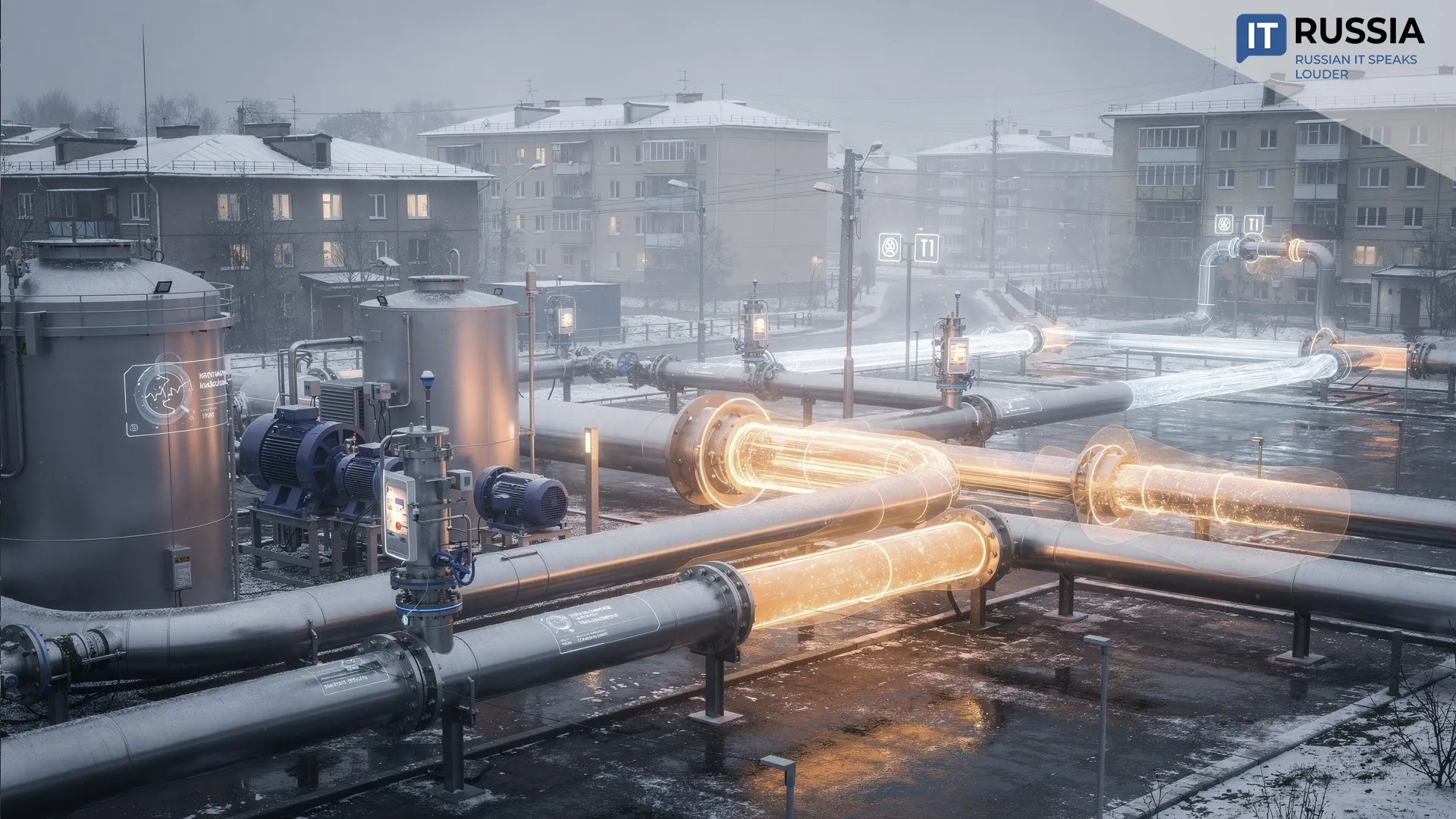
The digitization of St. Petersburg’s water utility is part of a broader modernization effort covering the city’s water infrastructure. The program includes upgrades to stormwater systems, reconstruction of wastewater treatment plants and several other large-scale utility projects.
In 2023, the utility installed digital spectrophotometers at all municipal water intake facilities, allowing operators to monitor eight key indicators. In 2024, the system’s capabilities expanded significantly, increasing the number of monitored parameters to 94.
Moscow has already deployed 500 automated sensors that continuously monitor 200 water quality indicators. The data is publicly available, allowing residents to check water conditions themselves in real time.
Projects involving “smart” monitoring of water networks have also started rolling out in Astrakhan and Krasnodar.

Strategic Outlook for Water Infrastructure Digitization
The expansion of the Neva online monitoring system marks an important step toward improving not only water quality for municipalities that rely on the Neva and Lake Ladoga, but also environmental conditions across the wider Baltic basin. The joint effort between St. Petersburg and the Leningrad region is effectively creating a water resource management model that could later be replicated in other Russian regions connected through shared waterways.
Over the next several years, the federal Chistaya Ladoga project is expected to continue expanding the network of “smart” water quality monitoring stations. Meanwhile, the role of predictive analytics and automated control systems for water treatment facilities is likely to grow steadily.