Noise Monitoring Systems Move Onto the Roads
In 2027, Moscow’s roads may see the rollout of automated noise monitoring systems designed to detect excessively loud cars and motorcycles, marking a new step in managing urban sound levels.

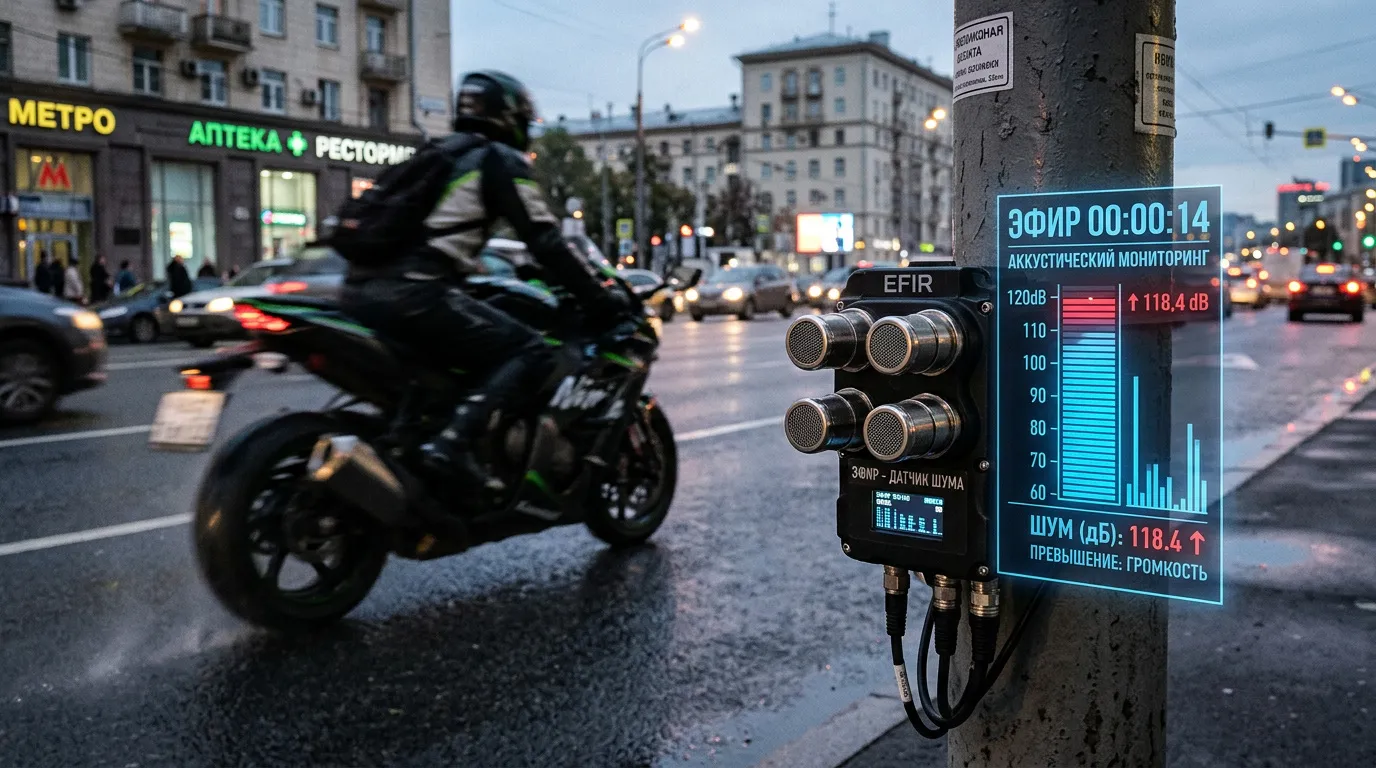
According to Moscow Deputy Mayor Maksim Liksutov, road-based noise monitoring systems are expected to be introduced in 2027. The device has already been developed and certified. The “Efir” system is equipped with a video module and four directional microphones, capable of measuring noise levels in the 60–120 dB range and identifying the source.
The main challenge at this stage is not technical but regulatory. Launching the system requires amendments to the Code of Administrative Offenses, which depends on the adoption of draft law No. 245000-8 in the State Duma. The bill proposes allowing automated noise monitoring systems to record violations defined by regional laws when committed using vehicles.
The project is important not only for environmental quality and urban comfort but also for Russia’s IT sector. It demonstrates the deployment of a domestically developed hardware-software system within urban digital infrastructure. This is an example of the expansion of smart city technologies, data-driven urban analytics and automated enforcement systems.
From Moscow to the Regions
The project is primarily focused on the domestic market. If Moscow demonstrates a functioning model in 2027 with transparent methodology and legally valid enforcement, the solution could expand to other major cities – Saint Petersburg, Kazan, Yekaterinburg and Novosibirsk.
At the same time, the technology also has export potential, although it is likely to be limited. As part of smart city and intelligent transport system solutions, such complexes could attract interest from megacities facing acute transport noise challenges. Success will depend on proven measurement accuracy, resilience in complex urban acoustic environments and the legal robustness of the evidence base.
Path to Quieter Cities
The project has evolved in stages. In 2021, the Moscow City Duma supported amendments enabling the use of noise monitoring systems to record noise violations. In 2022, draft law No. 245000-8 was introduced in the State Duma, and in 2023 it passed its first reading, signaling a shift toward systematic regulation of transport-related noise.
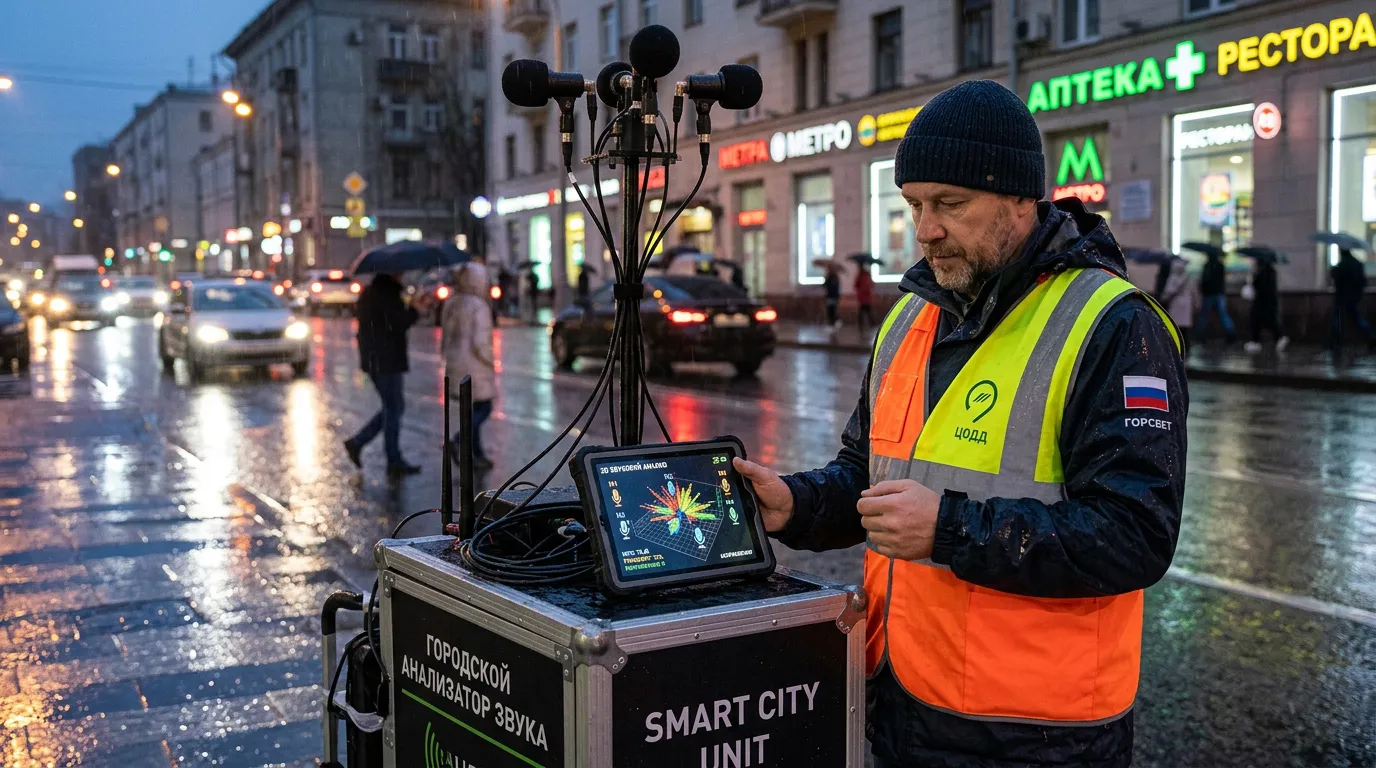
In 2024, the system was tested on Chistoprudny Boulevard, operating without issuing fines while measurement methodologies were refined. In 2025, the “Efir” system completed certification, transitioning from an experimental development to an officially recognized measurement complex.
International experience confirms the relevance of this approach. In 2022, Paris launched similar devices, the United Kingdom conducted road trials of noise cameras and in 2024–2025 New York deployed its Noise Camera Enforcement Program, combining microphones, cameras and license plate recognition.
Acoustic Impact Control
The deployment of noise monitoring systems represents more than enforcement against loud motorcycles or trucks; it reflects an expansion of digital regulation in urban environments. While cameras previously monitored speed, lane discipline and parking, they now extend oversight to acoustic impact.

In 2026–2027, methodologies will be further refined, and pilot deployment will begin in areas with high volumes of resident complaints and concentrations of noisy transport in Russia’s capital. If successful, the project will mark another important stage in the development of domestic solutions for photo and video enforcement, sensor technologies and urban management platforms.
If legislative procedures are completed successfully, noise monitoring systems could become fully operational in 2027, setting a federal precedent for deploying new digital tools to regulate urban environments across Russia. This will strengthen the position of domestic technologies in the smart city sector and improve quality of life in major urban centers.