Sylvan Takes Wildfire Monitoring to the Skies
In Yakutia, one of Russia’s most wildfire-prone regions, drones are becoming a critical extension of the Sylvan digital ecosystem, helping detect and track fires across vast forest territories.
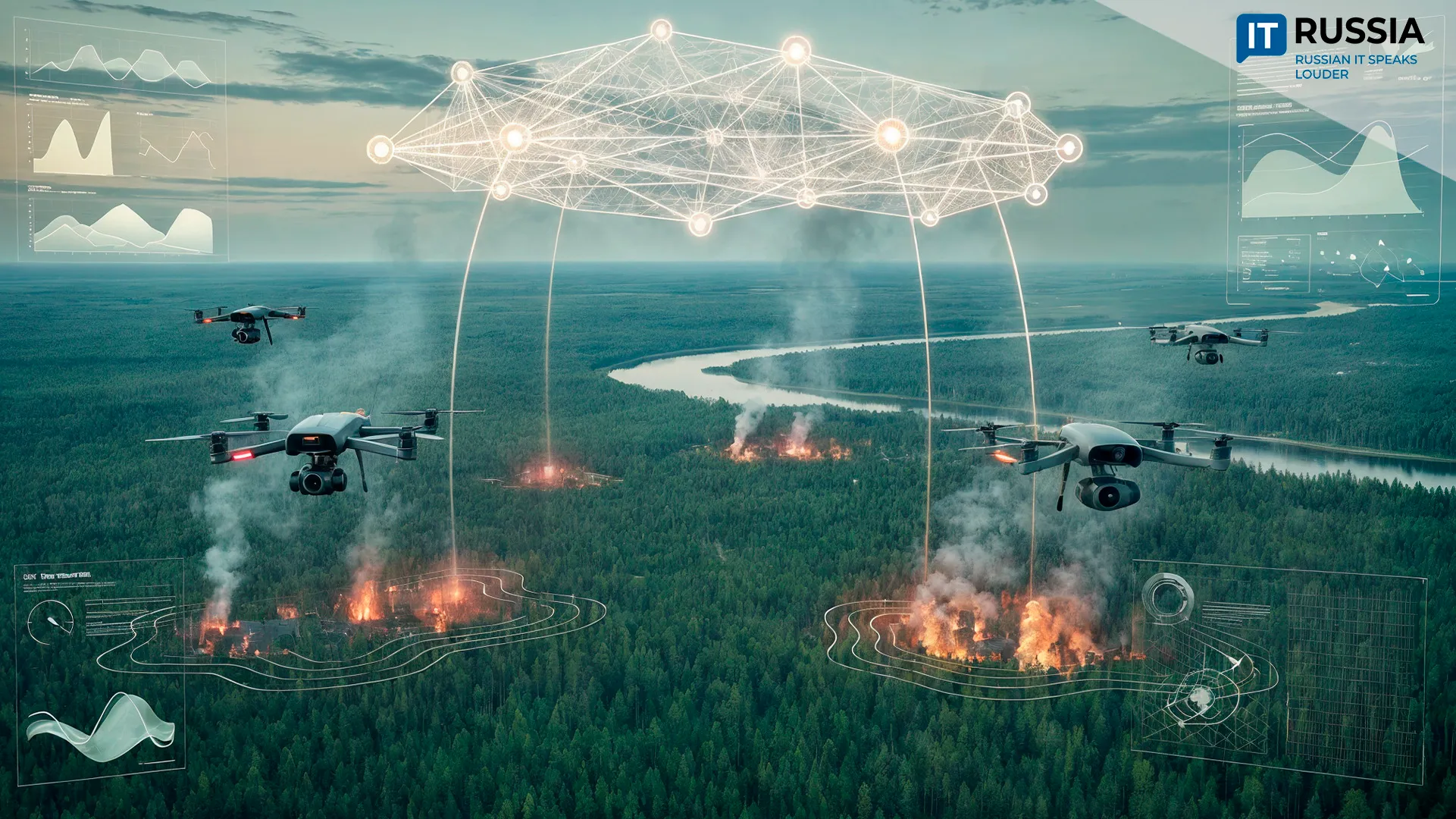
Yakutia regularly faces fires that span millions of hectares. In 2021, one of the worst seasons in decades, flames consumed more than 7.9 million hectares of forest. That crisis accelerated the rollout of Sylvan, a wildfire response system that analyzes satellite imagery, weather data, mapping layers, and emergency reports to detect thermal anomalies. By 2024, the system had reduced the time needed to process fire data fivefold and cut response times in half.
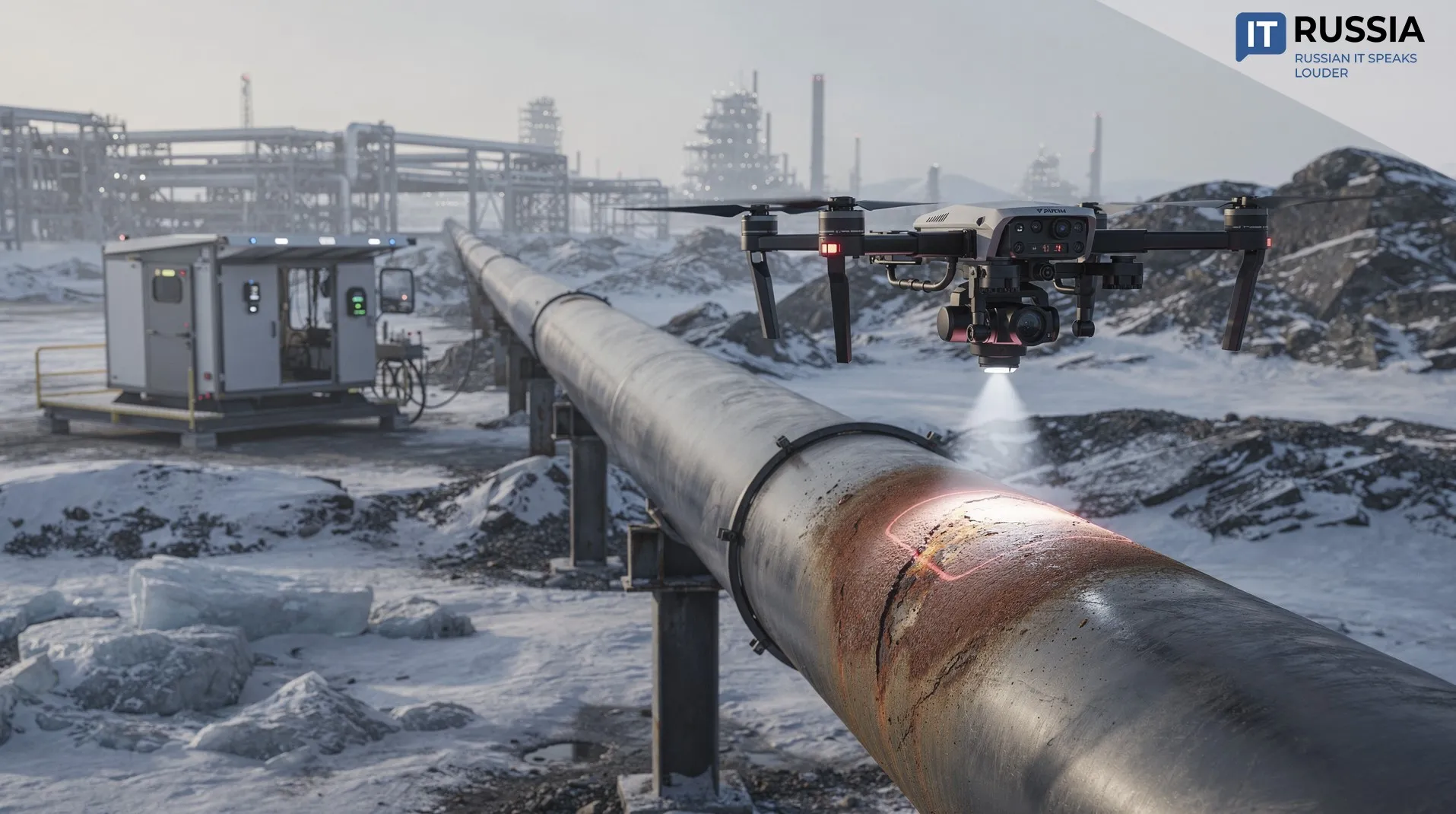
Satellite data, however, has blind spots. Clouds, dense smoke, or small ignition points can easily go undetected. That is where drones come in. In these “gray zones” of satellite coverage, unmanned systems can pinpoint fire edges, assess threats to nearby communities, and upload real-time data into a shared platform.
Drones are already proving their value. Yakutia has reached a 64% rate of rapid wildfire containment using these tools. A fleet of 39 UAVs is integrated into ground patrol operations. In 2024, fires spread across nearly 3.2 million hectares. By contrast, the following year saw a much calmer season, with fires affecting about 165,000 hectares. Technology is increasingly helping authorities keep these events under control.
AI-Powered Eyes in the Sky
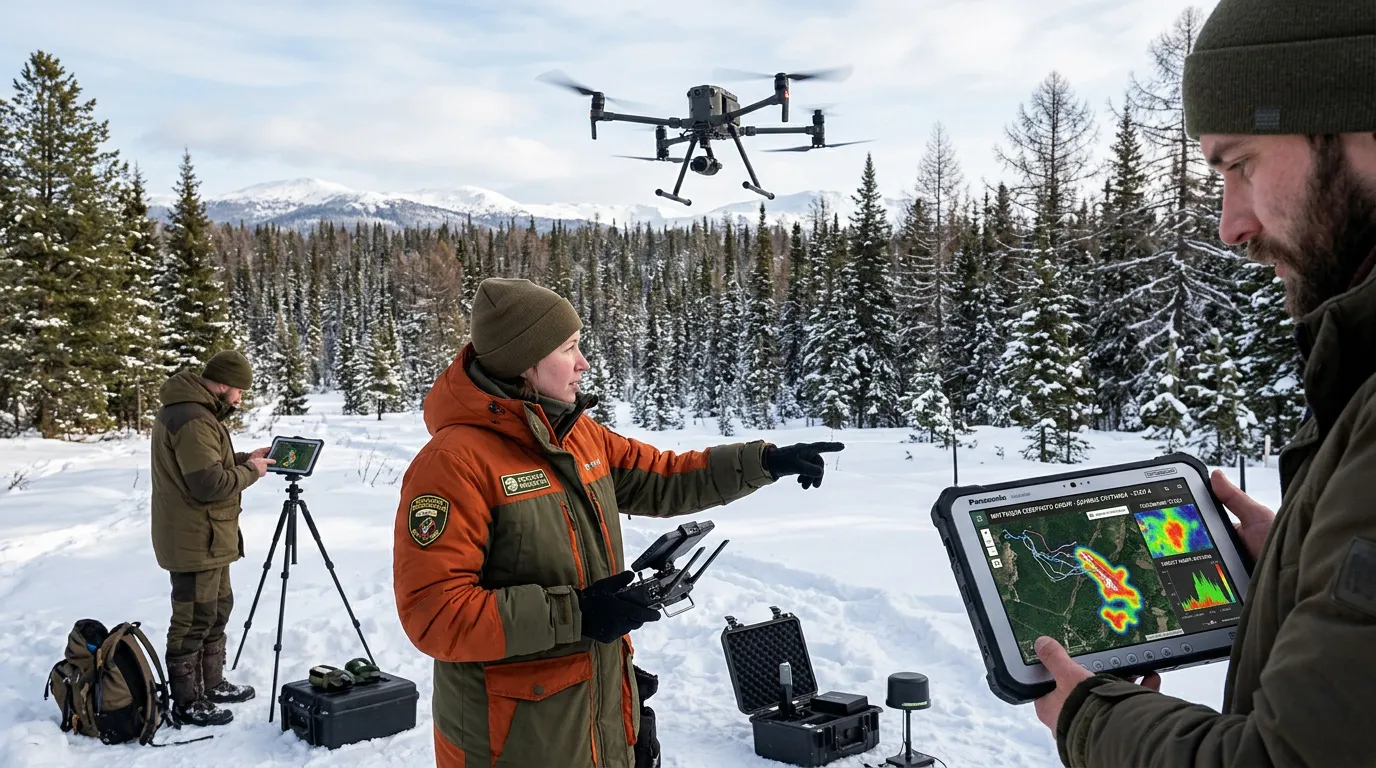
Russian organizations such as Avialesookhrana and Geoscan are advancing drone-based monitoring technologies, including systems powered by artificial intelligence. Geoscan, for example, has developed onboard AI capable of detecting fires directly during flight. The neural network processes video in real time, identifying both active flames and smoldering areas and recording their coordinates.
Other platforms, including the ZALA ZARYA drone line now used by Russia’s Ministry of Emergency Situations, also contribute to this effort. Their onboard IRRA hardware-software system automatically highlights fire locations mid-flight and generates reports with precise coordinates. Some experimental approaches even explore weather intervention, with drones potentially triggering rainfall.
Early detection can make a critical difference. It allows authorities to evacuate residents in advance and protect infrastructure. Sylvan also predicts fire spread by modeling wind, temperature, humidity, and other environmental factors. That helps firefighting teams plan operations more effectively and assess the impact of their actions in real time. More than 150 organizations, including Avialesookhrana, regional environmental agencies, and municipal authorities, already use the system. Yakutia’s experience is now being considered for expansion to other forested regions across Russia.
Scaling Up Drone-Based Monitoring
Russia’s Federal Forestry Agency has begun large-scale deployment of drones for forest monitoring. Over the past two years, more than 1,600 UAVs have been introduced into forest protection efforts. By 2030, that number is expected to exceed 5,100. Compared to aircraft, drones are cheaper, faster to deploy, and better suited for remote areas. As a result, about 73% of wildfires are now contained within the first 24 hours.
“Aircraft are expensive, and a significant share of public funds goes to aviation contractors. Our goal is to redirect those resources toward developing domestic technological capabilities,” said Ivan Sovetnikov, head of the Federal Forestry Agency.
In Yakutia, aerial monitoring will remain in place, but drones will complement it. While ground teams or aircraft are still en route, Sylvan can identify dozens of new ignition points, preventing fires from escalating.