Smart Sensor to Evaluate Soil Conditions
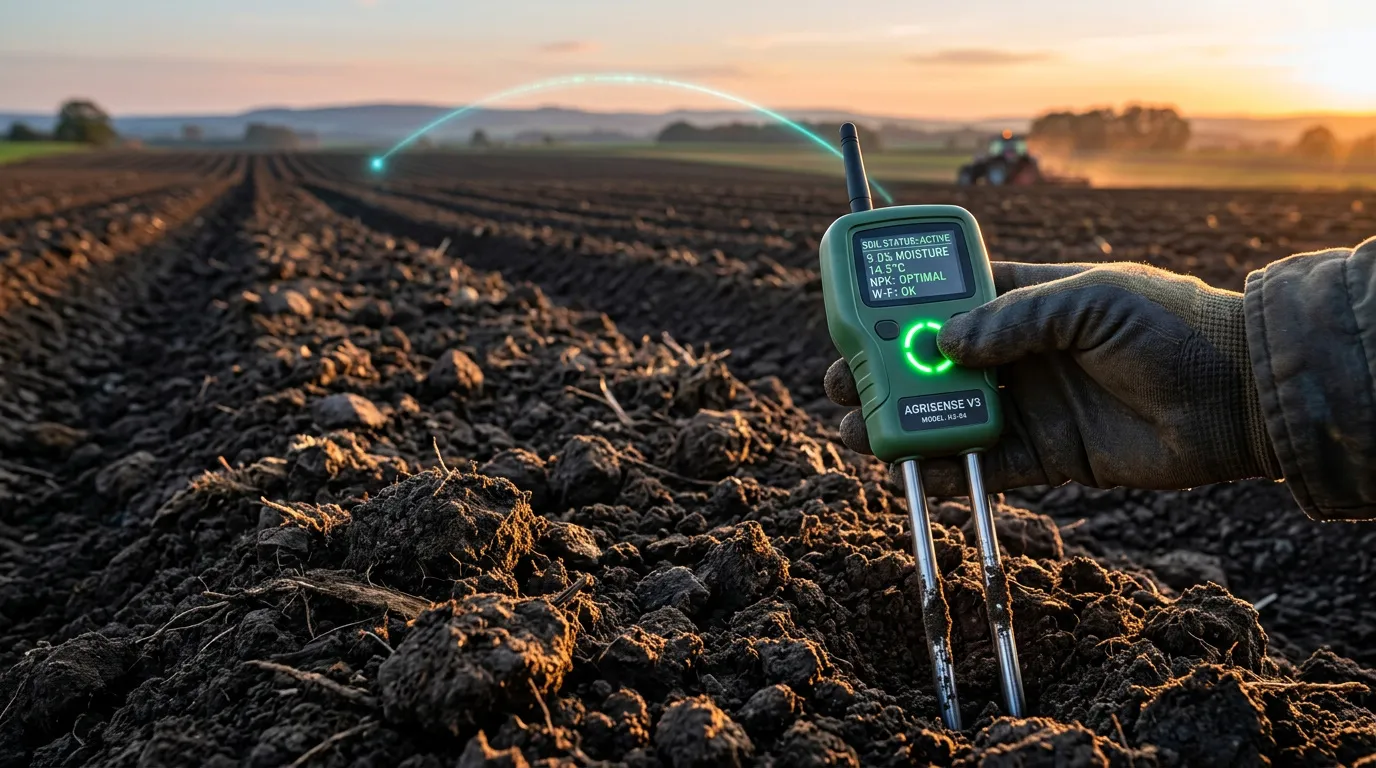
Students at Novosibirsk State Technical University NETI are developing a wireless agricultural sensor designed to evaluate soil conditions and help determine the optimal planting window for crops.
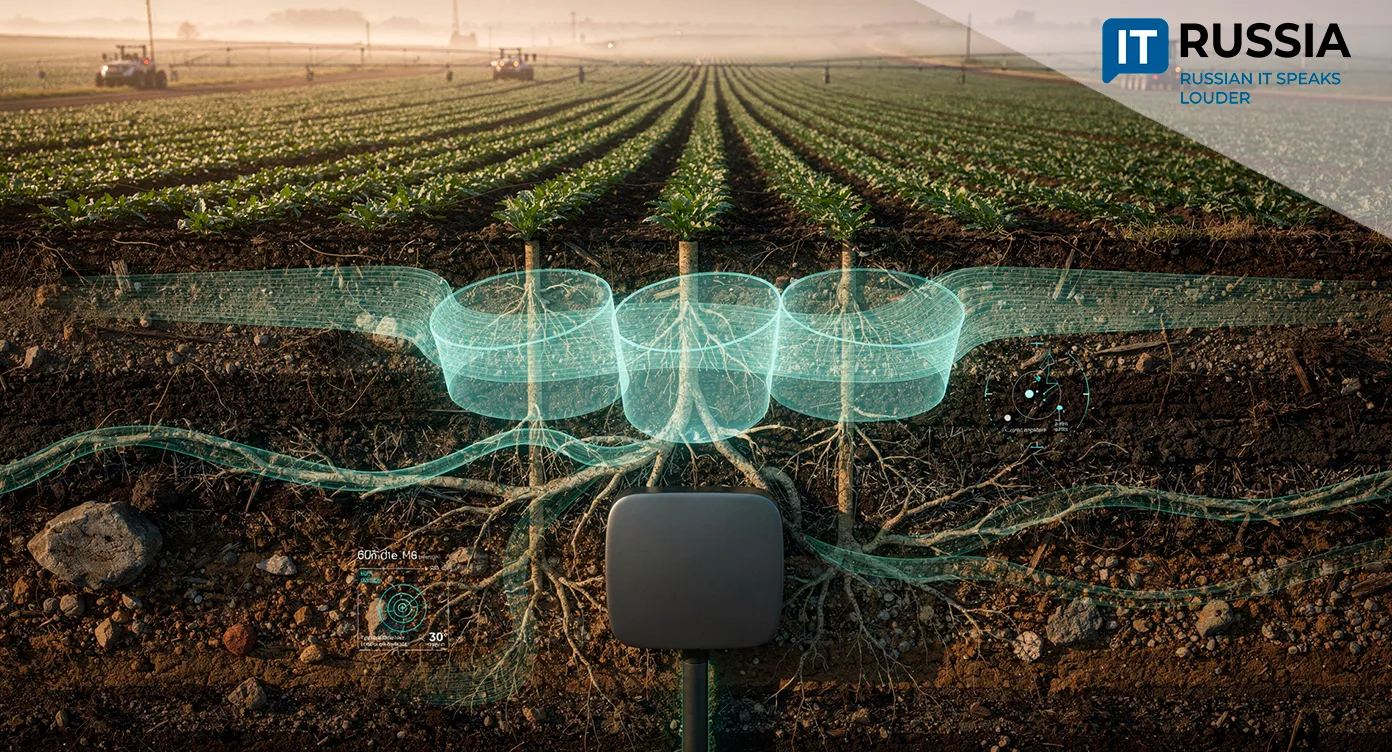
Before planting begins, growers need accurate information about soil conditions because they directly affect both crop yields and product quality in every individual field. Soil composition changes from year to year, making regular analysis essential. That analysis helps farmers understand which nutrients remain in the soil and in what proportions, allowing them to make informed decisions about soil preparation, cultivation methods and ways to improve growing conditions.
Smart agricultural sensors capable of monitoring fields in real time could make that process significantly faster and more efficient.
Developed at the Request from Kazakhstan
Students at Novosibirsk State Technical University NETI (NGTU NETI) began developing the portable wireless sensor after receiving a request from farmers in Kazakhstan. Growers told engineers at the Prometey student design bureau that they needed a mobile device capable of measuring soil parameters directly in the field and transmitting the data online to a computer. The information is needed to determine the best timing for fertilizer application, planting and crop treatment. Traditionally, those decisions rely on laboratory testing.
“It is impossible to determine the content of macro- and micronutrients in soil based on visual signs alone,” said Marina Patyuta, deputy head of the inspection body at the North Caucasus branch of the Grain Quality Assessment Center.
Given Kazakhstan’s large geographic scale, collecting soil samples and transporting them to laboratories often takes considerable time, especially during planting season. Engineers at the Prometey design bureau are developing a device that can provide the necessary data directly in the field.
Remote Monitoring of Soil Acidity and Alkalinity
By now, NGTU NETI students have developed a prototype of the measurement module. The device includes five stainless steel electrodes that are inserted into the soil. The system then records parameters sequentially, preventing interference between measurement channels.
“Temperature is measured using a thermistor, while moisture is measured through a capacitive method operating at 80 MHz, which minimizes the impact of dissolved salts and improves result accuracy. Soil conductivity is evaluated through a conductometric method, while acidity (pH) is measured using a potentiometric method based on the potential difference between two electrodes. The concentration of macroelements such as nitrogen, phosphorus and potassium is determined through an analytical calculation method based on the combined physical and chemical parameters collected during measurement,” said Alexander Sinkevich, project lead and fourth-year student at the Faculty of Radio Engineering and Electronics at Novosibirsk State Technical University NETI.
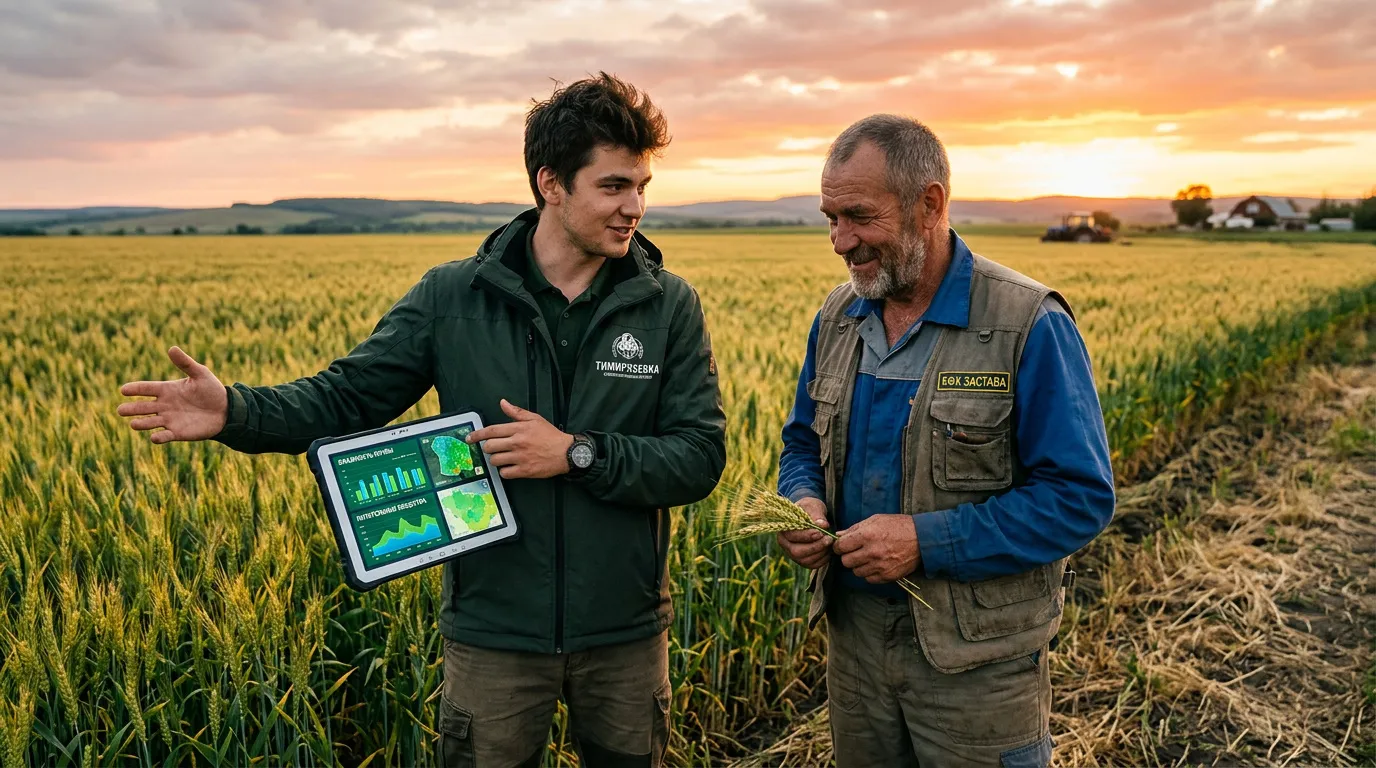
Data on soil acidity and alkalinity is essential for selecting fertilizers precisely because those parameters directly affect how plants absorb nutrients. Information about the current concentration of macroelements including nitrogen, phosphorus and potassium helps farmers determine exact fertilizer requirements. In practice, that allows growers to preserve soil fertility, increase yields and reduce fertilizer costs at the same time.
The prototype operates autonomously and supports wireless data transmission to a computer, allowing farmers to analyze soil conditions remotely. The next phase for developers involves field testing to determine the effective range for data transmission.
The Growth of Precision Agriculture
The new Russian agricultural sensor has strong market potential. It could find demand both as an affordable standalone device for farmers and small agricultural operations and as part of larger digital farming ecosystems.
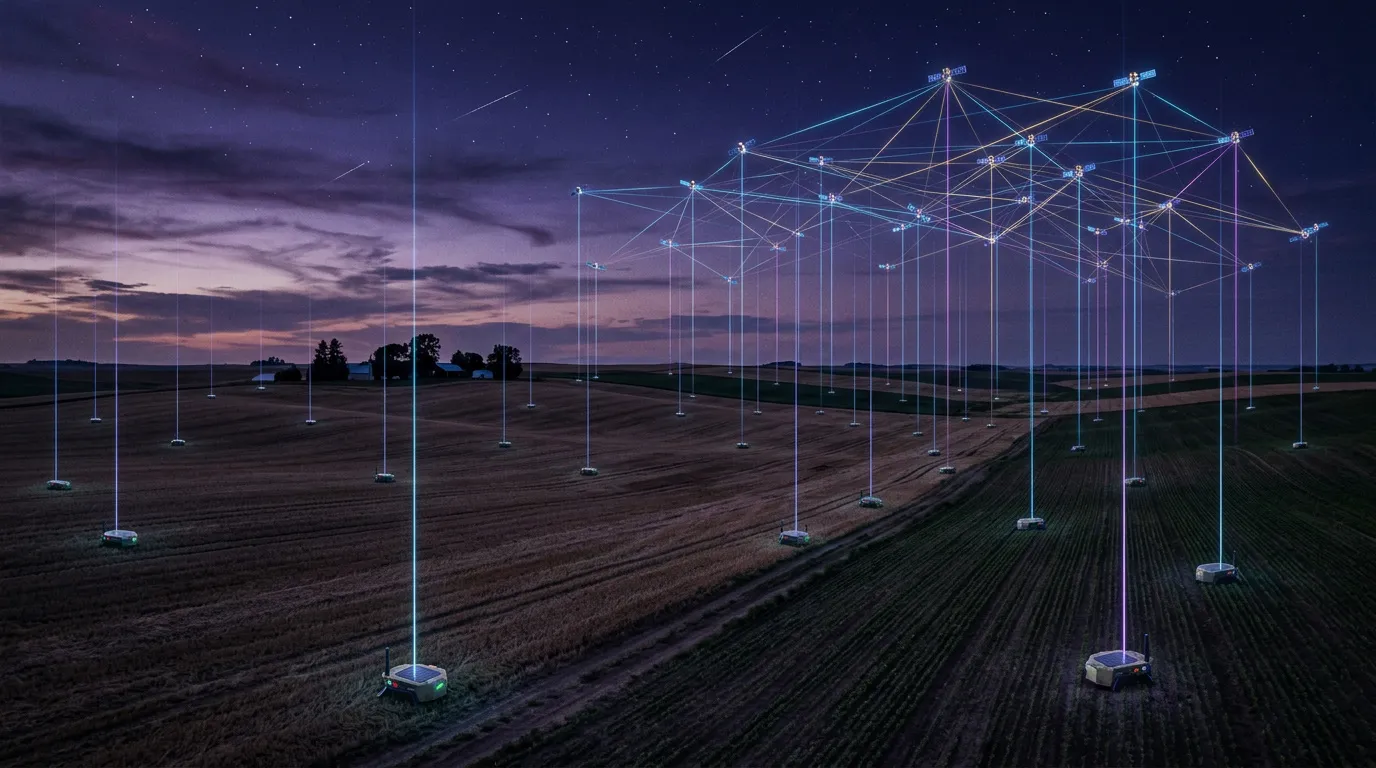
Russia’s agricultural sector is now entering a stage where increasing yields and improving profitability increasingly depend on precision agriculture and smart farming technologies. For digital farming platforms to operate effectively, they require accurate real-time data streams for analysis. That is exactly the capability the NGTU NETI students are building into their platform.
Precision agriculture technologies are already beginning to spread across Russia. For example, Progress Agro Group is using AI to develop new winter wheat fertilization strategies aimed at increasing yields while reducing grain production costs. The company used the Umnoye selskoye khozyaystvo (Smart Agriculture) platform. Economic analysis showed that yields on fields cultivated using the new technology increased by 6% compared with control fields, while profitability rose by 5.3%.
In effect, NGTU NETI researchers are developing accessible technologies that could allow individual farmers to allocate resources with far greater precision and forecast yields more accurately. The project is being developed as a practical IT platform designed around real-world agricultural demand, including demand from foreign markets. In particular, it could strengthen the position of Russia’s IT sector in Kazakhstan.
According to experts at Geomir, Russian digital agriculture technologies could capture up to 20% of the Kazakh market because they adapt well to the needs of local agricultural businesses. Similar solutions could also find demand in other countries with large planting areas and relatively low levels of digitalization among small and midsize farms.