Staffcop Updates Insider Threat Protection Platform
Staffcop, part of the Kontur ecosystem, has rolled out an update that refines licensing, strengthens account controls, and expands monitoring capabilities across enterprise environments. The update introduces a revised licensing model, improvements to the administrative interface, and tighter oversight of local user accounts.

Licenses are now tied to the number of concurrently monitored user accounts rather than the number of devices. Developers have added a registry scanner for local accounts, accelerated the file scanning engine, and reduced network load. The update also expands monitoring in the MAX messenger module, allowing organizations to track file transfers.
Protecting Digital Identity
The update does not introduce a new class of DLP/UAM/internal security tools, but it strengthens Staffcop as a platform for incident investigation, user activity monitoring, and insider risk management. In practice, organizations gain a more flexible licensing model, deeper control over local accounts, and expanded investigative capabilities as data protection requirements tighten and breach costs rise.
The changes align with Russia’s broader push toward domestic cybersecurity solutions. This is particularly relevant for government, finance, industry, education, and retail sectors. While there is no immediate direct impact for individual users, stronger oversight of accounts, file transfers, and user activity reduces the likelihood that personal data belonging to customers and employees will end up in illicit databases. That also supports a shift from device-centric security toward identity-centric protection. This shift is significant given that, according to InfoWatch, approximately 4.5 billion personal data records were compromised in Russia between 2023 and 2025.

Expanding Capabilities
Staffcop continues to focus on the domestic market. The product is widely used by organizations that require Russian-built tools for internal security, incident investigation, and data loss prevention. Its inclusion in the national software registry (No. 8828) and certification by FSTEC (No. 4234) expands its use in regulated industries.
For customers, the new licensing model may be more practical in hybrid work environments and organizations with large device fleets, as it reflects the number of active accounts rather than physical endpoints. Meanwhile, Staffcop is expanding its capabilities, from on-premises audio recognition to behavioral analytics and communication monitoring. That allows organizations to use the platform as a central tool for internal oversight and incident investigation as the cybersecurity market continues to grow.

Closing the “Gray Zone”
In 2022, Staffcop version 5.1 strengthened web console protection by adding safeguards against administrator password brute-force attacks, automatic access blocking when changes occur in Active Directory, password change logging, and administrator activity reporting. These features reduce risks tied to privileged accounts. In parallel, the product began shifting from endpoint monitoring toward network traffic analysis. The addition of an ICAP server and a network module enabled interception of web traffic, files, form data, and browsing history. As a result, Staffcop evolved into a broader information flow monitoring tool.
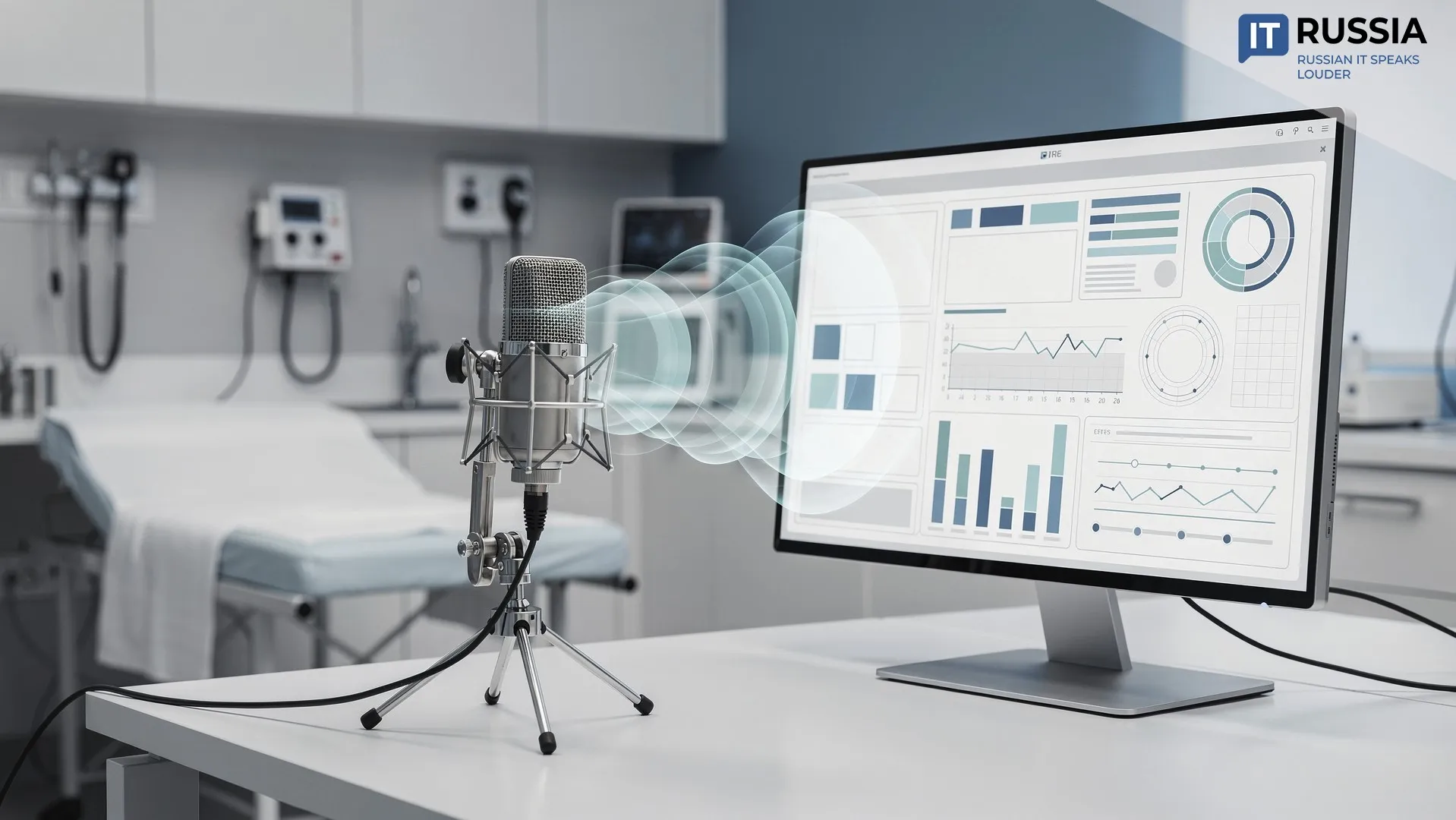
In 2025, Staffcop introduced on-premises audio recognition, deploying its own processing server within the customer’s infrastructure. That reduced reliance on external cloud services and made the system more suitable for organizations handling sensitive data. The same year also brought advances in incident and communication analysis through audio processing and risk detection in recorded conversations.
The importance of DLP and internal security systems in Russia continues to grow. According to Solar, even as the number of data breaches fell to 367 cases, the total volume of leaked data rose to 1,800 TB.
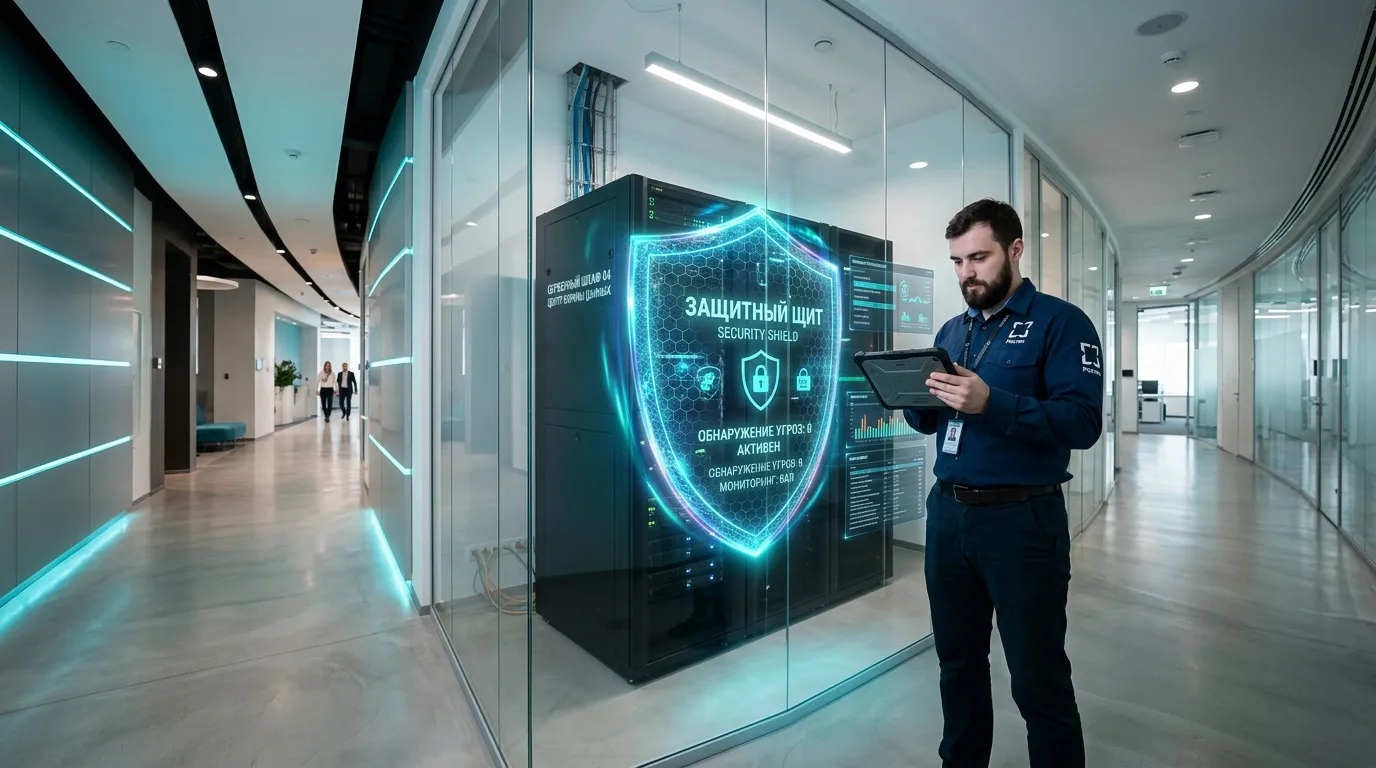
Staffcop’s 2026 update, which strengthens controls over user accounts and file operations, is aimed at identifying and bringing local accounts out of the “gray zone.” These accounts are often overlooked by administrators and can be exploited in attacks on corporate infrastructure.
Developing a National Security Stack
The Staffcop update can be viewed as an incremental step within Russia’s domestic cybersecurity market. Its significance lies in practical improvements tailored to internal security needs, including user tracking, local account oversight, reduced scanning load, file monitoring in messaging platforms, and more efficient administration.
In the coming years, such systems are expected to evolve through integration with PAM, MFA, SIEM/SOAR platforms, corporate messaging systems, and user behavior analytics, driven by regulatory pressure and the rising cost of data breaches.
For Russia, this reflects the gradual development of a national cybersecurity ecosystem. For individuals, it translates into a reduced risk of personal data exposure. At a global level, however, the update represents incremental progress within a domestic product class rather than a major international milestone.