Stereo Vision for Robots
Researchers at Moscow Institute of Physics and Technology have introduced Un-ViTAStereo, a computer vision system that can accurately estimate distances without relying on expensive lidar sensors or labor-intensive manual data labeling.
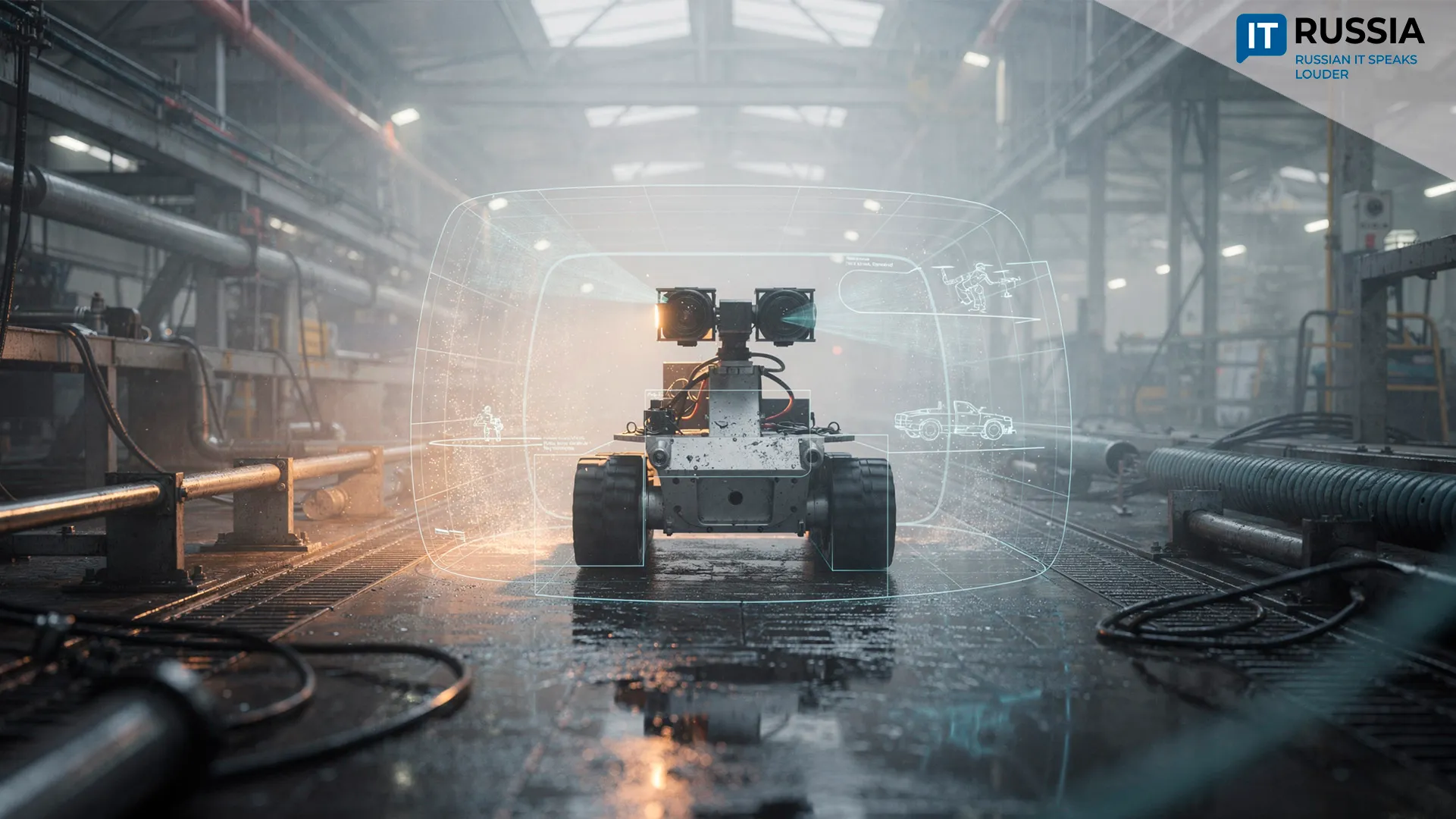
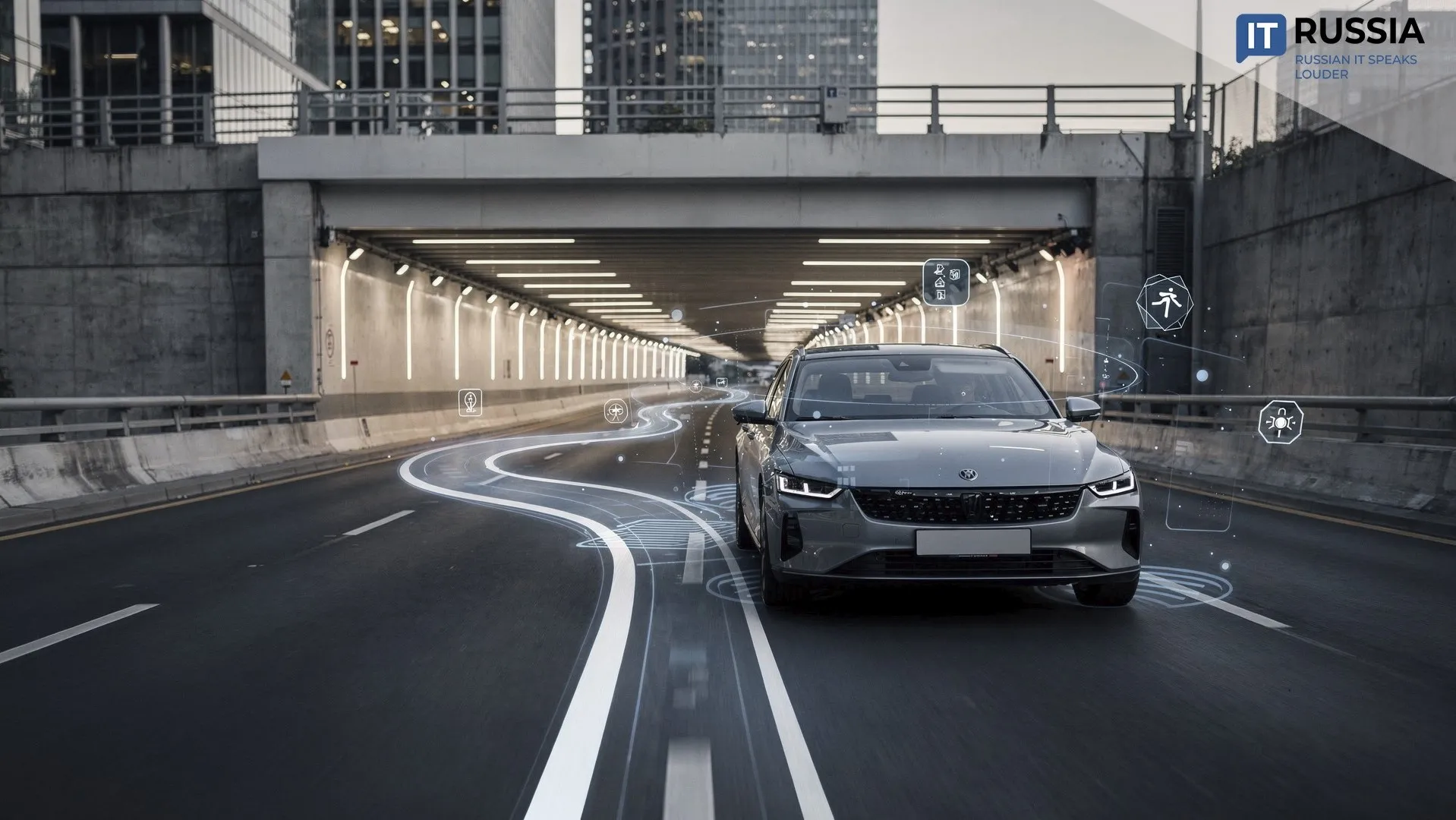
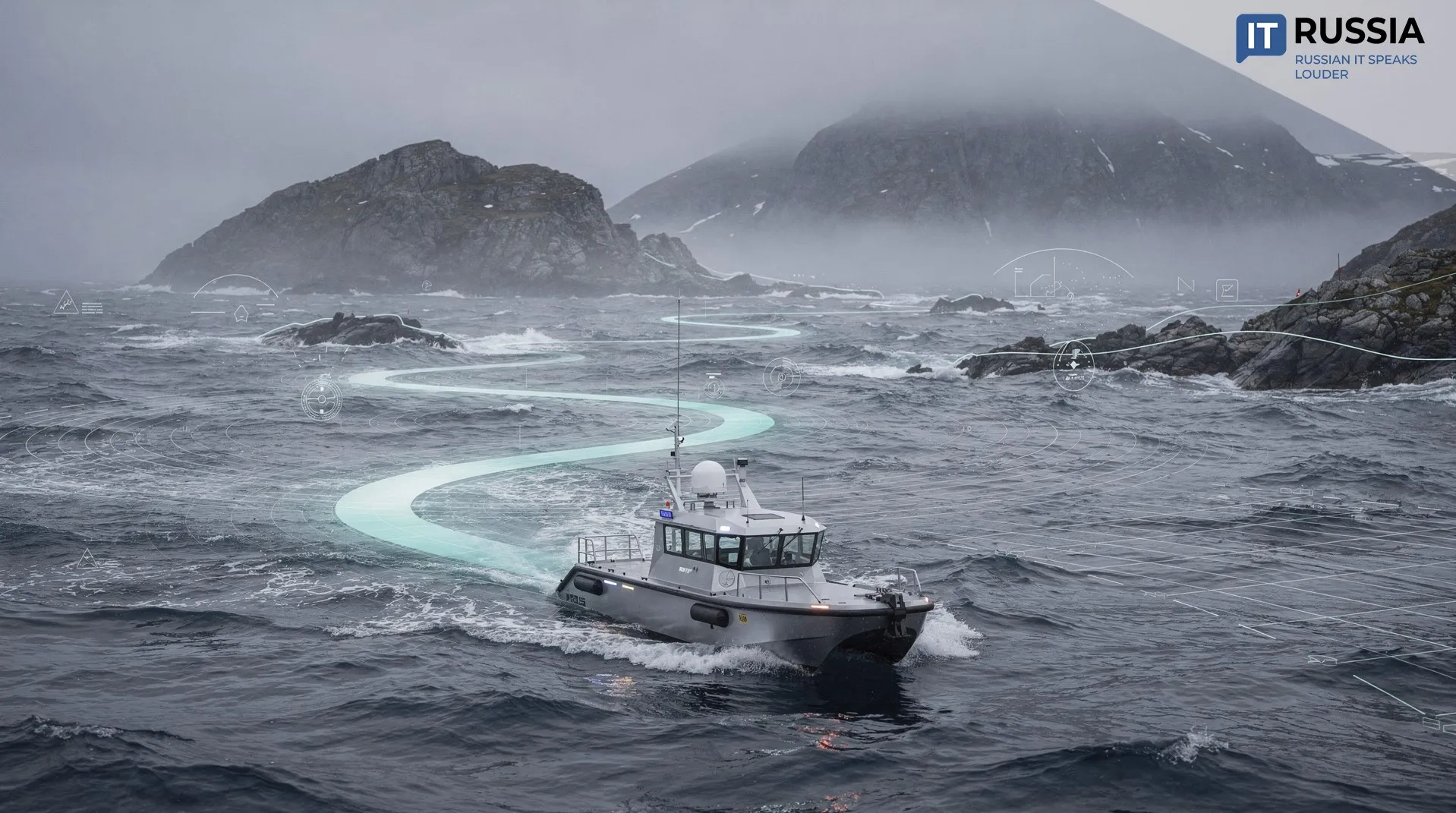
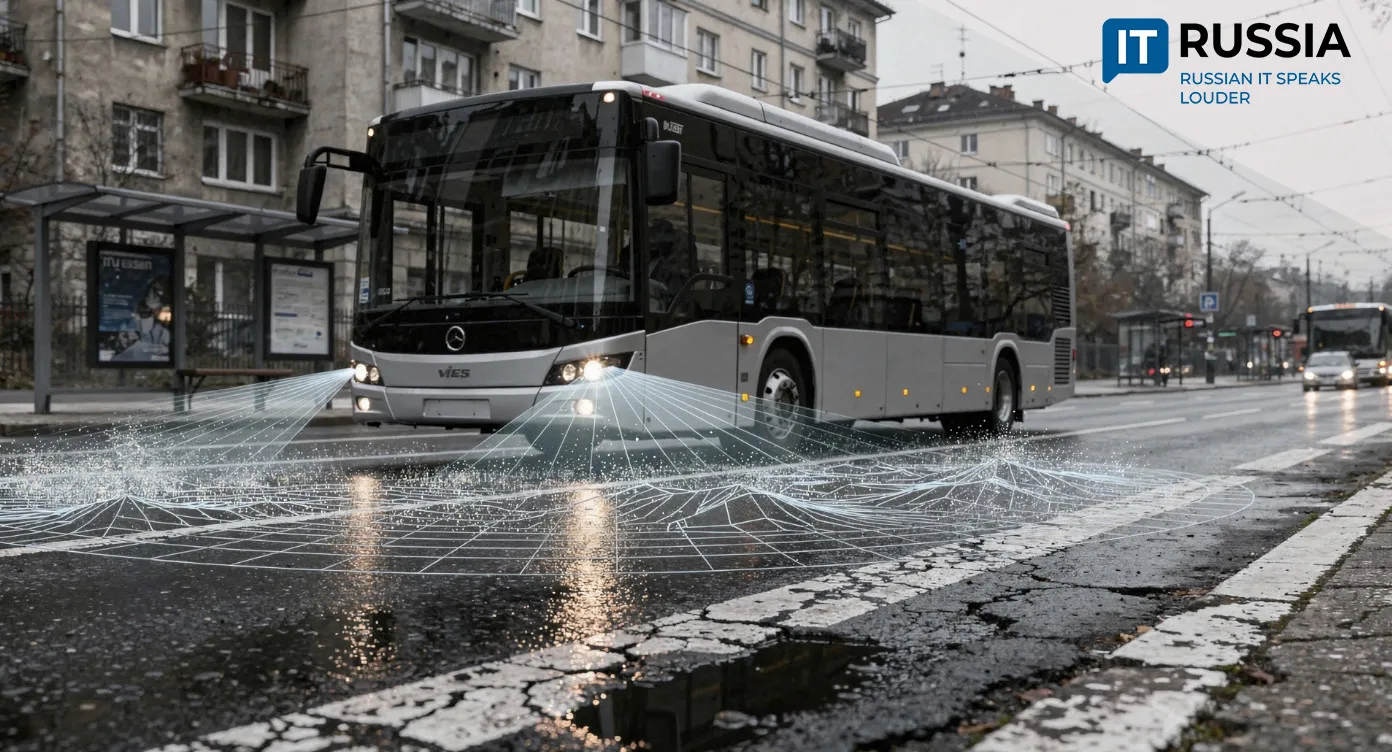
Scientists at Moscow Institute of Physics and Technology – Moskovskiy fiziko-tekhnicheskiy institut (MIPT) – have developed a stereo vision system that enables distance estimation using standard video cameras, without additional sensors. The key innovation is the removal of dependence on lidars, laser scanners that provide accuracy but come with high costs and sensitivity to atmospheric interference. The new approach allows robots to estimate distances more reliably in low-visibility conditions, including twilight, rain, snow and dust.
A New Step for Autonomous Navigation
Even the most advanced processors still lag behind humans in analyzing high-quality visual data to determine distances to moving objects and predict their trajectories. These delays introduce fundamental risks for robots, drones and autonomous vehicles.
The new neural network demonstrates strong performance in complex scenarios where traditional systems often fail, such as fog, dense foliage or uniform surfaces like smooth walls. The approach could be integrated into autonomous driving systems and robotic navigation platforms.
How the Neural Network Was Trained
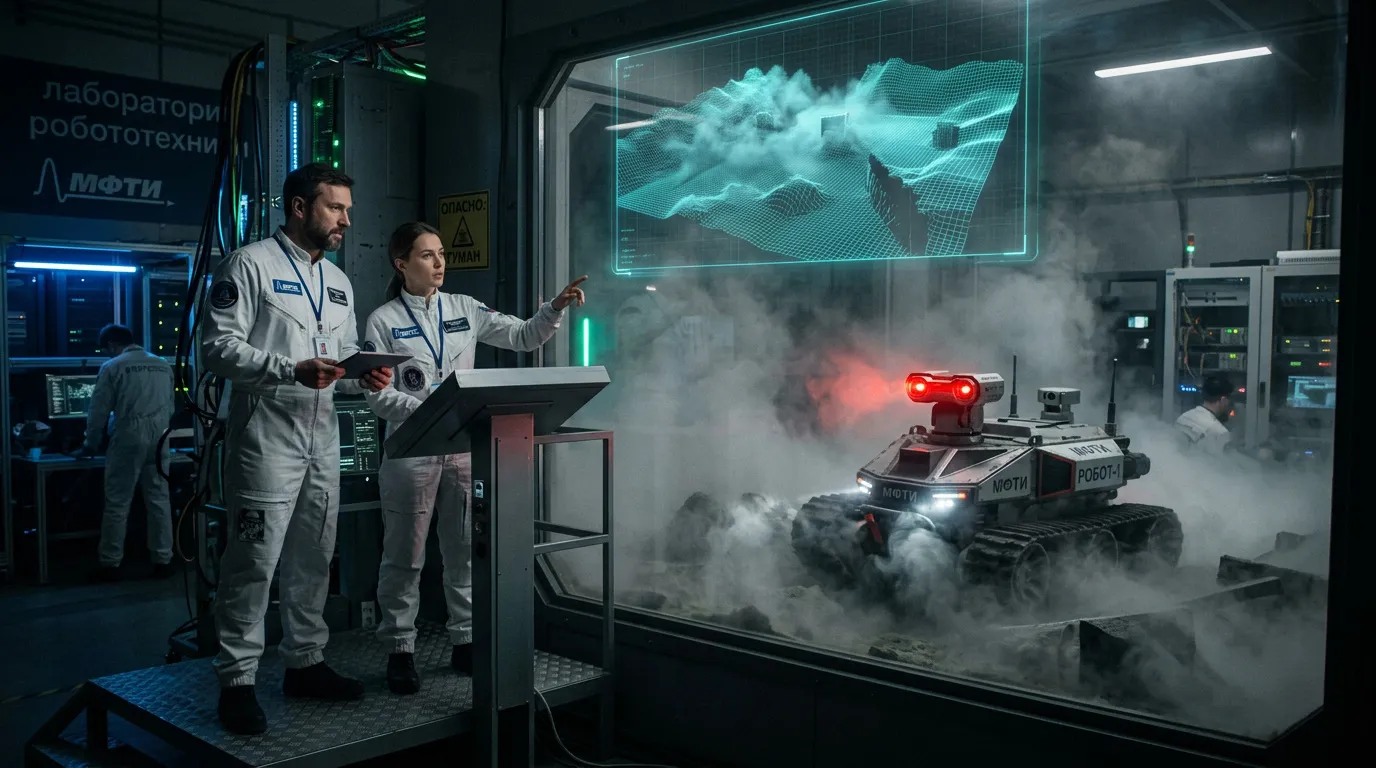
The developers used a specialized “teacher” model, DepthAnything V2, to guide training. When analyzing camera input, the model did not calculate absolute distances. Instead, it determined the relative spatial arrangement of objects with high confidence, taking into account lighting conditions and scene geometry. The training process incorporated only the data points that aligned with the teacher’s assessment, significantly improving accuracy.
The system draws on principles of human vision, which reacts to sudden obstacles by focusing on motion rather than processing the entire visual field. The hardware architecture relies on two-dimensional synaptic transistors, highly sensitive chips designed to detect movement. These components offer three key capabilities: detecting changes in an image within 100 microseconds, significantly faster than the human eye; retaining motion-related information for more than 10,000 seconds; and maintaining performance across more than 8,000 operational cycles without degradation.
After capturing a frame, the system ignores static elements and registers only critical changes, isolating moving objects that are then passed to conventional algorithms for detailed analysis. According to the study, this process is more than ten times faster than traditional methods.
Reliability Gains for Autonomous Systems
This development is not a consumer product but an infrastructure-level technology for robotics, autonomous transport, industrial systems, drones and service machines. Its importance for the Russian IT sector lies in the fact that it is not simply another neural network, but a specific algorithmic component for environmental perception, directly affecting the reliability of autonomous systems.
Robust machine vision is critical for railway operations, industrial safety and emergency response scenarios.
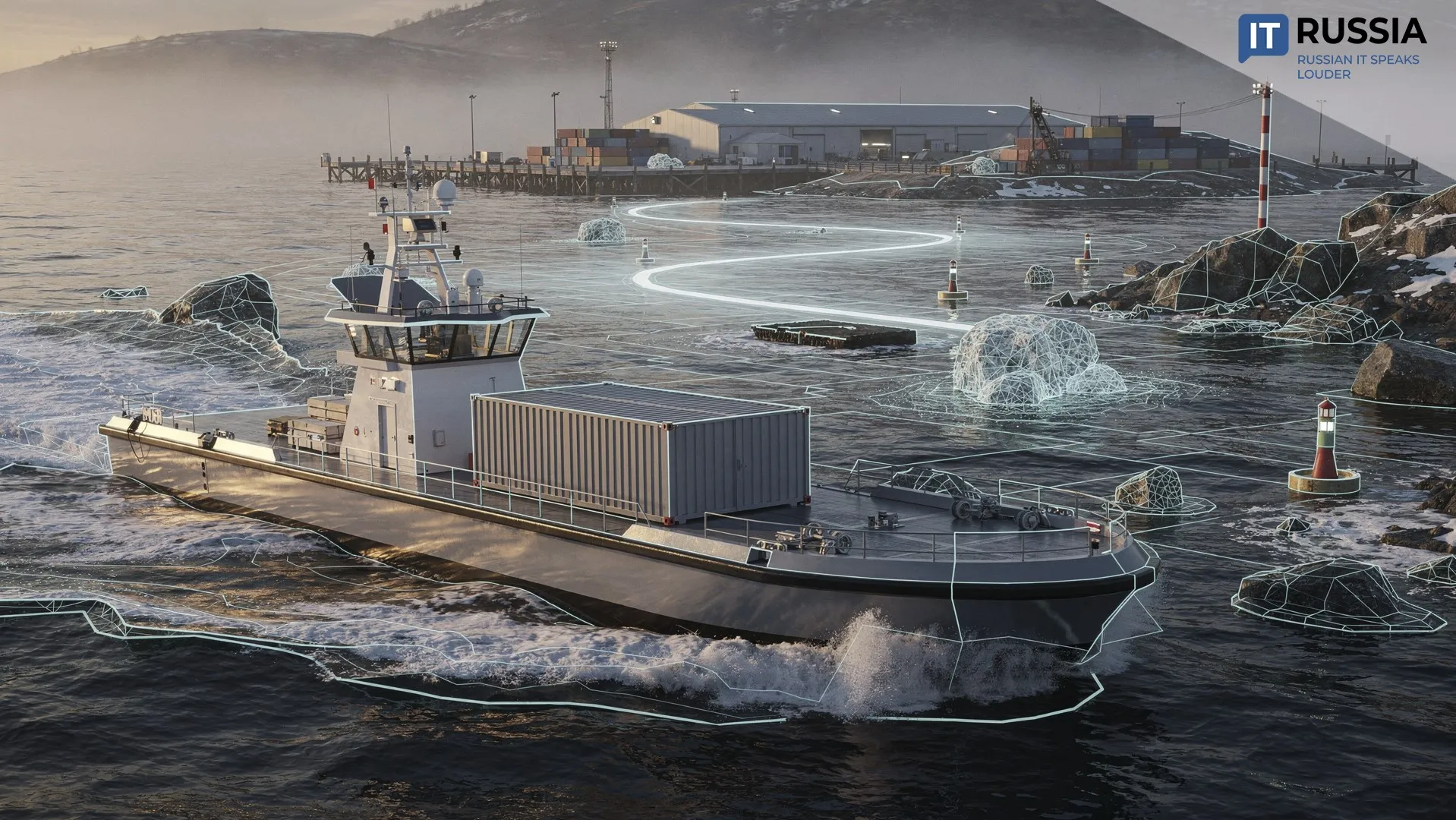
As environmental perception becomes a central safety factor, reducing reliance on costly sensor systems lowers the barrier to entry for autonomous technologies. This creates opportunities for broader deployment of robotics not only in major cities but also in remote regions of Russia, where harsh climate conditions and infrastructure demands require continuous monitoring.

The Rise of Hybrid Perception Systems
The industry is likely to move toward hybrid perception systems that combine cameras, stereo vision, radar and complementary algorithms. The future will not depend on a single sensor type but on integrated systems that compensate for each other’s limitations. The value of the MIPT approach lies in its potential to become part of more affordable and scalable domestic navigation platforms.
Export potential is also significant. If the algorithm consistently improves distance estimation without expensive lidar, it could attract interest in global logistics and agricultural technology markets.
Meanwhile, the domestic market remains the priority. Russia continues to build capabilities at the intersection of AI, robotics and autonomous navigation.