Tyumen’s “Virtual Consultant” Now Handles More Than Half of Resident Requests
Launched six years ago, the chatbot has become a routine tool for booking medical appointments and obtaining public information. Conversations with AI assistants are now becoming a standard part of regional government services.
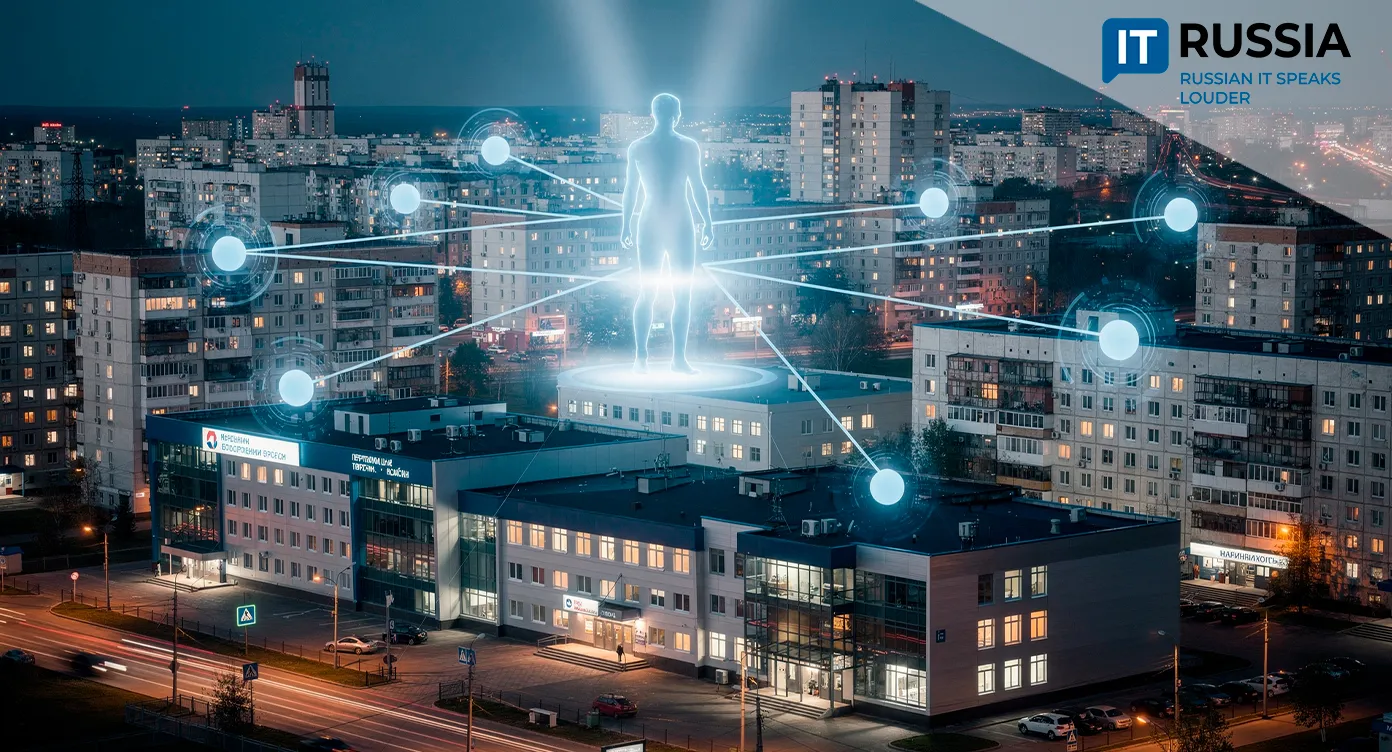
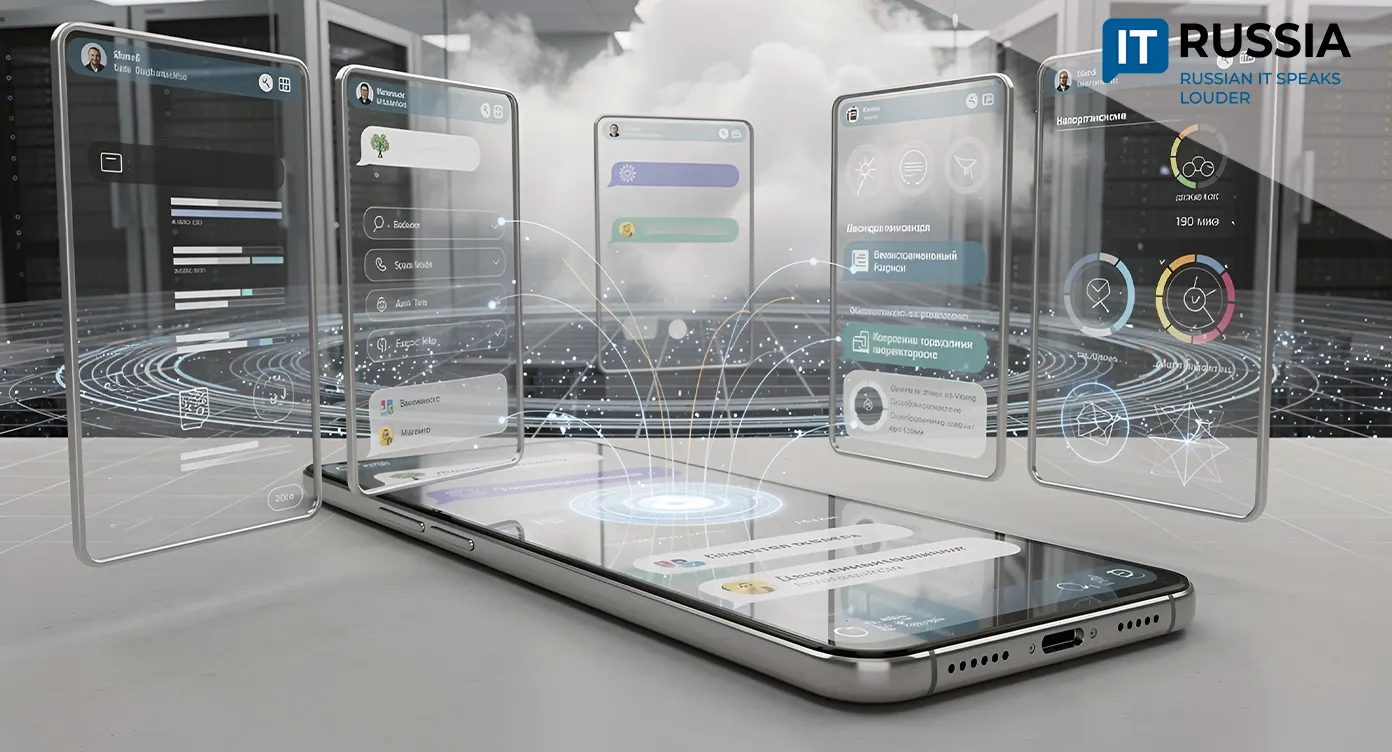
In Russia’s Tyumen Region, the regional chatbot and voice assistant “Virtualny konsultant 72” (Virtual Consultant 72) has interacted with residents more than 4 million times since its launch in 2020. The service now resolves 60% of requests without human operators, while 81% of user feedback about the bot has been positive.
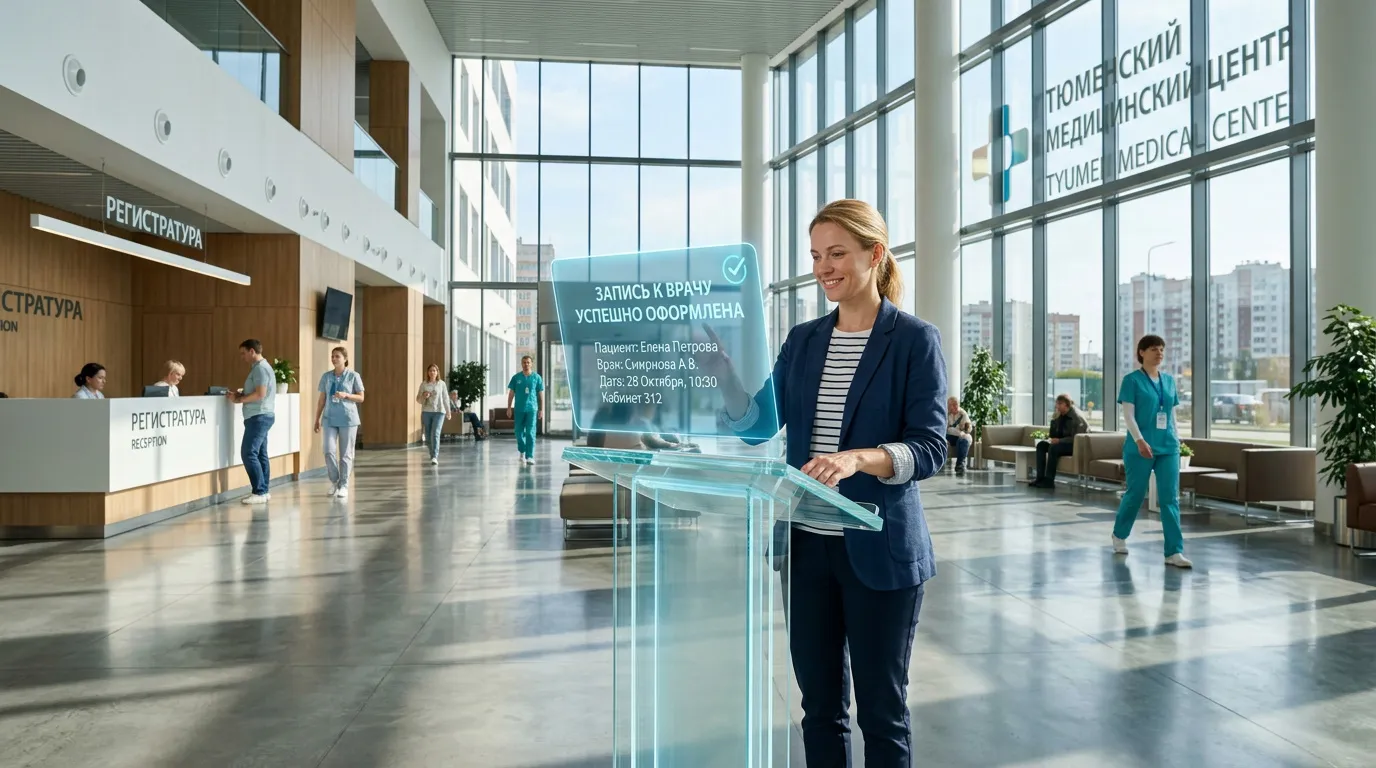
Its role is especially visible in healthcare: since 2023, 47% of doctor appointments in the region have been scheduled through the virtual assistant. The bot also operates in multifunction government service centers (MFCs), employment centers, and within the “Yedinaya regionalnaya spravochnaya sluzhba” (Unified Regional Information Service) module, which routes calls across 13 government-service projects and also assists residents with property-related issues.
Tyumen Region has effectively built a fully operational digital governance infrastructure in which AI functions as a specialized tool that makes public services easier to access. At the federal level, the project can be compared with “Robot Maks” on Gosuslugi, which is also evolving into an interface for accessing government services and consultations. Residents depend less on operator schedules and can receive information or book appointments through a familiar conversational format that is available around the clock.
Expansion Toward BRICS Markets
The next likely step is the transition from an informational chatbot to a full-scale digital dispatcher for public services. Last year, regional media outlets, citing the regional IT department, reported that the system could support up to 100 simultaneous interactions around the clock and helped reduce missed calls. The robot is now expected to play a larger role in reducing pressure on the regional 122 medical information hotline by expanding into messaging platforms and mobile applications. Over time, the bot could evolve into a personalized assistant capable of accounting for individual user data such as status, request history, benefits, appointments, and documents. Request analytics are also expected to improve.
“Virtualny konsultant 72” could attract interest from countries developing e-government systems and looking for ready-made regional-level models. Digital solutions from Tyumen Region, including “Telemed-72” and “Virtualny konsultant 72,” have already been added to a BRICS best-practices library. At the same time, any international rollout would require adaptation to local laws and languages, independent validation of data security, proof of economic efficiency, and transparent quality metrics.

Conversations With Neural Networks
The “Virtualny konsultant 72” system was launched in Tyumen Region in 2020 as a “Dialogovaya neyrosetevaya sistema” (Conversational Neural Network System). It initially developed within the regional call-service center and gradually expanded its functionality. The year 2025 marked a new stage for the project in healthcare: the assistant for the regional 122 service learned to schedule appointments with specific physicians by surname and also remind residents about appointments through outbound calls. Since the start of 2025, residents have used the consultant to schedule more than 42,000 doctor visits.
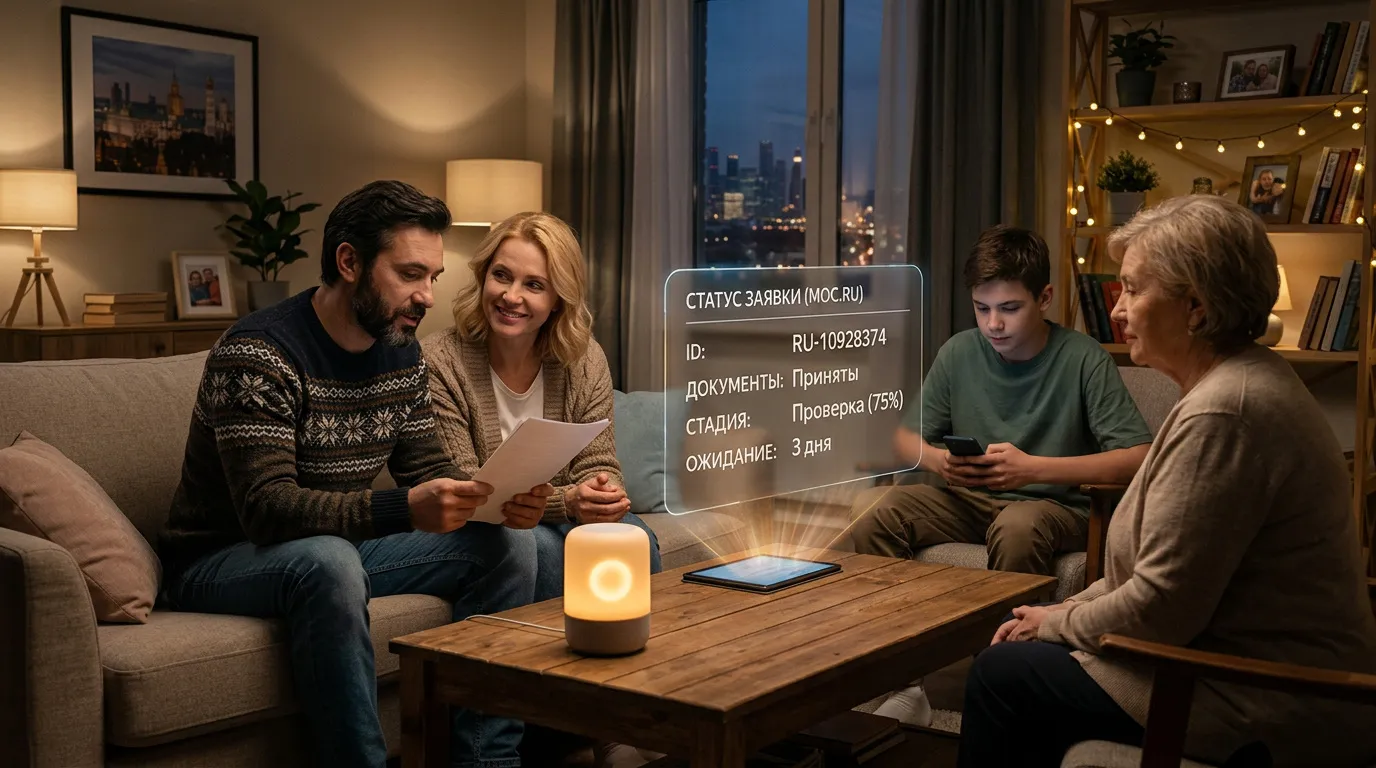
Conversational interfaces for urban and government services are also advancing in Moscow. Reports published in 2025 described chatbots that help Muscovites obtain consultations and public services, while 2026 saw the launch of a new version of the “Moskva” digital assistant on mos.ru that provides access to a broad range of city services. In April of this year, Gosuslugi also introduced a new format for obtaining information through conversations with a digital assistant.
Robots Set to Be Trusted
The Tyumen Region case illustrates a sustainable model for using AI in everyday public services. The technology is already embedded into broader service-delivery processes and is widely used, suggesting continued expansion in the coming years.
Within the next several years, assistants of this kind are expected to become more personalized and more deeply integrated with regional portals, messaging platforms, and federal Gosuslugi systems. In practice, the key metric of success will not be the number of conversations, but the share of fully resolved requests, the quality of request routing, and the reduction of operator workloads. In healthcare, virtual assistants could become standard tools for appointment scheduling, cancellations, reminders, and informational support.
Developers now face several key challenges: preventing routing errors, overcoming distrust among some users, protecting patient data reliably, and preserving access to human operators for complex situations.