NSU AI Center Develops Training Ground for Utility AI Systems
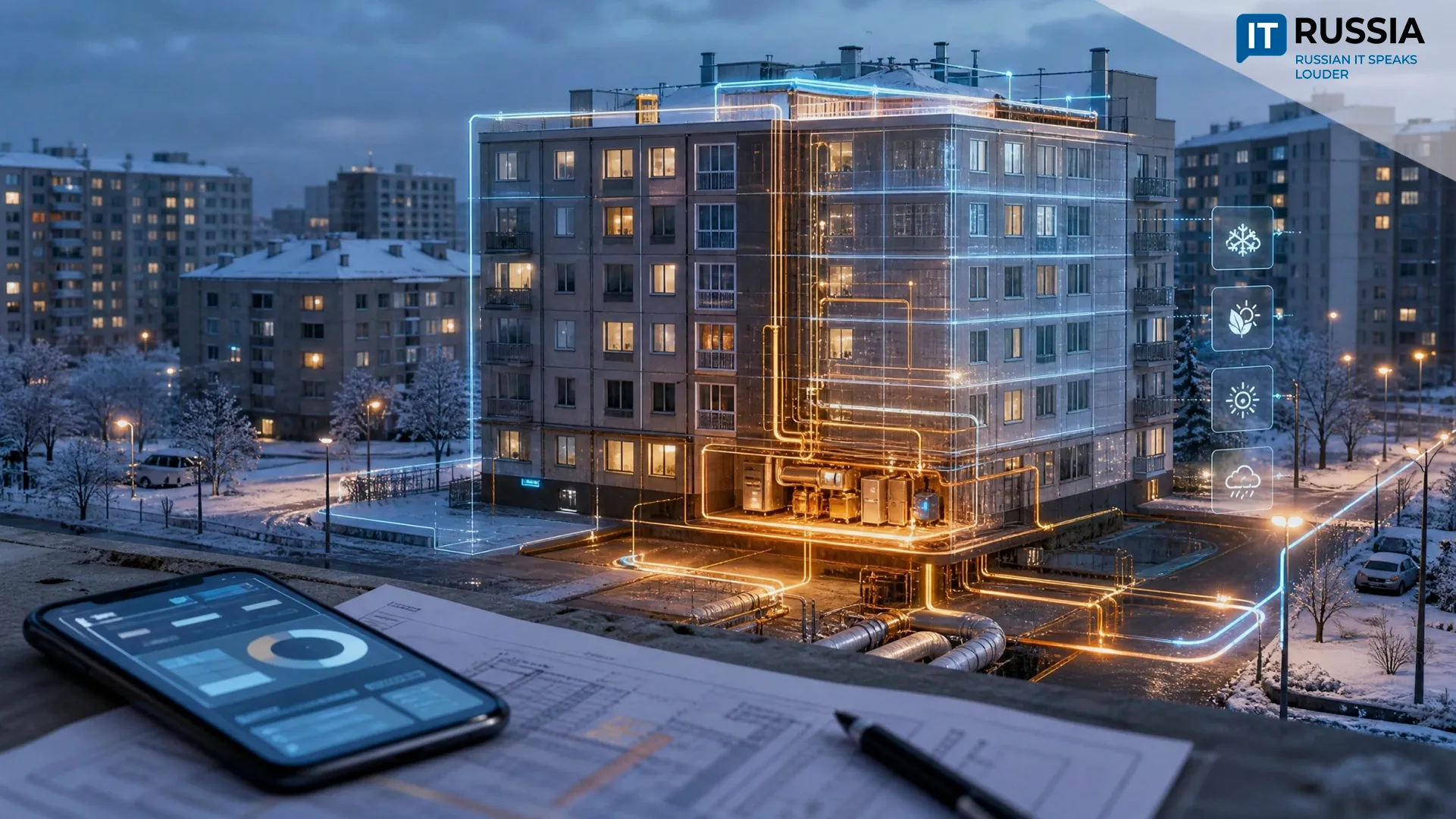
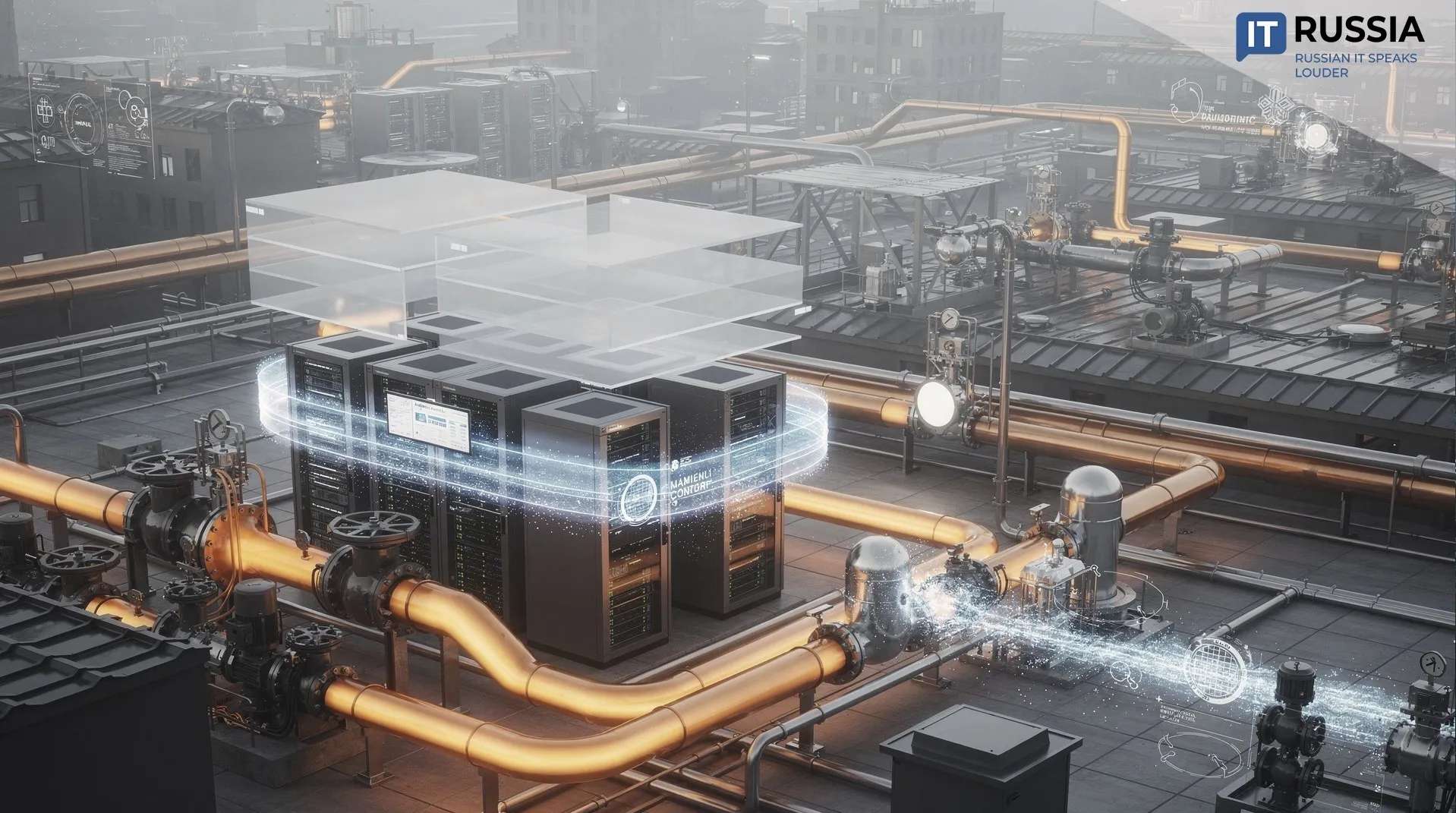
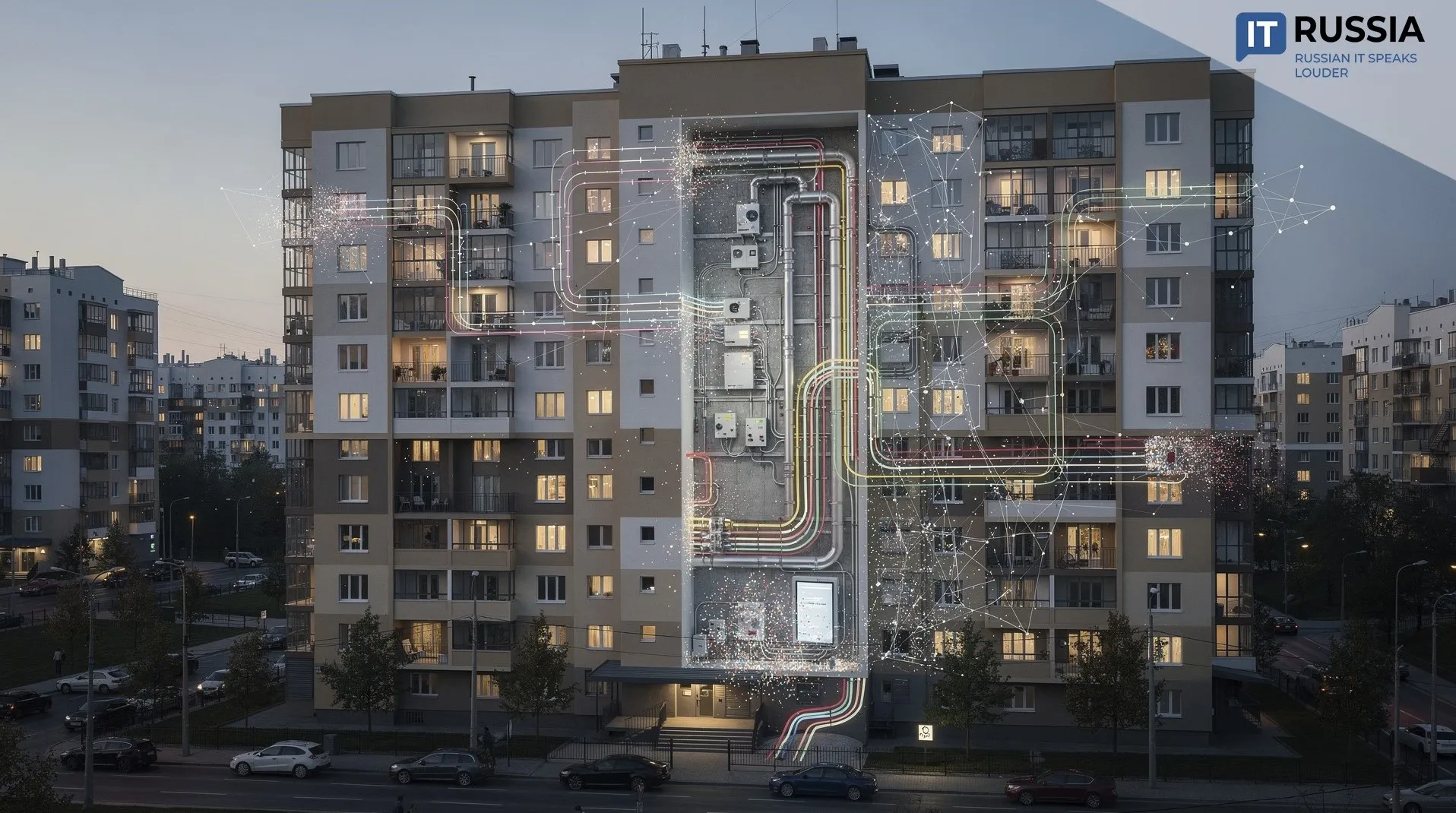
Researchers at the Center for Artificial Intelligence at Novosibirskiy gosudarstvennyy universitet (Novosibirsk State University, NSU) have developed a mathematical model of a district heating network that can serve as a testing ground for neural networks and digital utility systems. The platform is designed to simulate real operating conditions that would be difficult, risky, or expensive to reproduce in active heat infrastructure.

The NSU researchers’ development has already received a state registration certificate. Notably, the project is not a digital twin of any specific city’s heating grid. Instead, the mathematical framework incorporates the operational characteristics of real-world district heating systems. In practice, the platform functions as a virtual proving ground capable of simulating nearly any operating condition or network regime that utility operators would struggle to recreate at an actual CHP plant or heating network.
The mathematical model can incorporate almost any parameter, ranging from weather effects and extreme heat or cold to emergency scenarios and system failures. Operators can then test management decisions and operating-mode adjustments in order to develop optimized control algorithms.
The platform and its model could prove useful not only for engineers designing and operating district heating infrastructure. It can also be used to train neural networks before those systems are deployed inside real digital twins and utility environments.
From Research Platform to City-Scale Operations
The NSU AI Center is already actively involved in the digitalization of district heating infrastructure. In Novosibirsk, researchers are developing digital models for specific sections of the city’s heating grid. That means the new mathematical platform could be tested under real operating conditions in a relatively short timeframe.
Over the longer term, the NSU AI Center platform could become a digital training ground for utility-focused neural networks. The system is designed to work with operational data from heating networks in virtually any large Russian city where remote telemetry systems and digital monitoring infrastructure are already in place.
The mathematical framework could also support the development of digital twins for real utility assets. In that scenario, the platform would evolve from a scientific research project into an operational tool for heat-generation and utility-service companies.
Given the ongoing digitalization of Russia’s housing and utility sector, demand for this type of platform could become substantial. Once tested on active infrastructure, the system could also attract interest in other countries that operate similar district heating networks.

From T Plus Programs to NSU’s Utility Models
The NSU project reflects a broader push to digitize utility infrastructure and district heating operations across Russia.
In 2020, the country’s first digital twin for a district heating system was launched in Yekaterinburg. The project cost utility company T Plus 1.5 billion rubles (about $19 million). In 2022, the company said the experience would be replicated across 16 Russian regions, with total investment projected at 42 billion rubles (about $545 million).
The NSU AI Center is currently involved in digitalizing the heating network in Novosibirsk’s Sovetsky district. In 2026, the universal mathematical model is expected to be tested across the entire city before expanding into other municipalities across the region.

AI Could Improve Utility Reliability
The registration of the NSU AI Center’s mathematical model represents more than just another AI initiative for the utility sector. One of the system’s main advantages is its adaptability: the model heating network can be customized for virtually any city or individual infrastructure asset.
Over the next several years, pilot deployments could begin across heating systems in Novosibirsk and other Russian cities. Heat-generation companies may show strong interest in integrating the technology into existing utility digitalization projects.
Deploying platforms like this, alongside the broader digitalization of utility infrastructure, addresses one of the sector’s most persistent problems. The technology could help utilities predict failures and resolve issues before physical damage occurs, optimize repair scheduling, and improve the overall reliability of district heating systems.