Russian Researchers Use Eye Movement to Detect Brain Injuries
A new system developed in Samara combines physiological markers and AI algorithms to diagnose traumatic brain injuries.
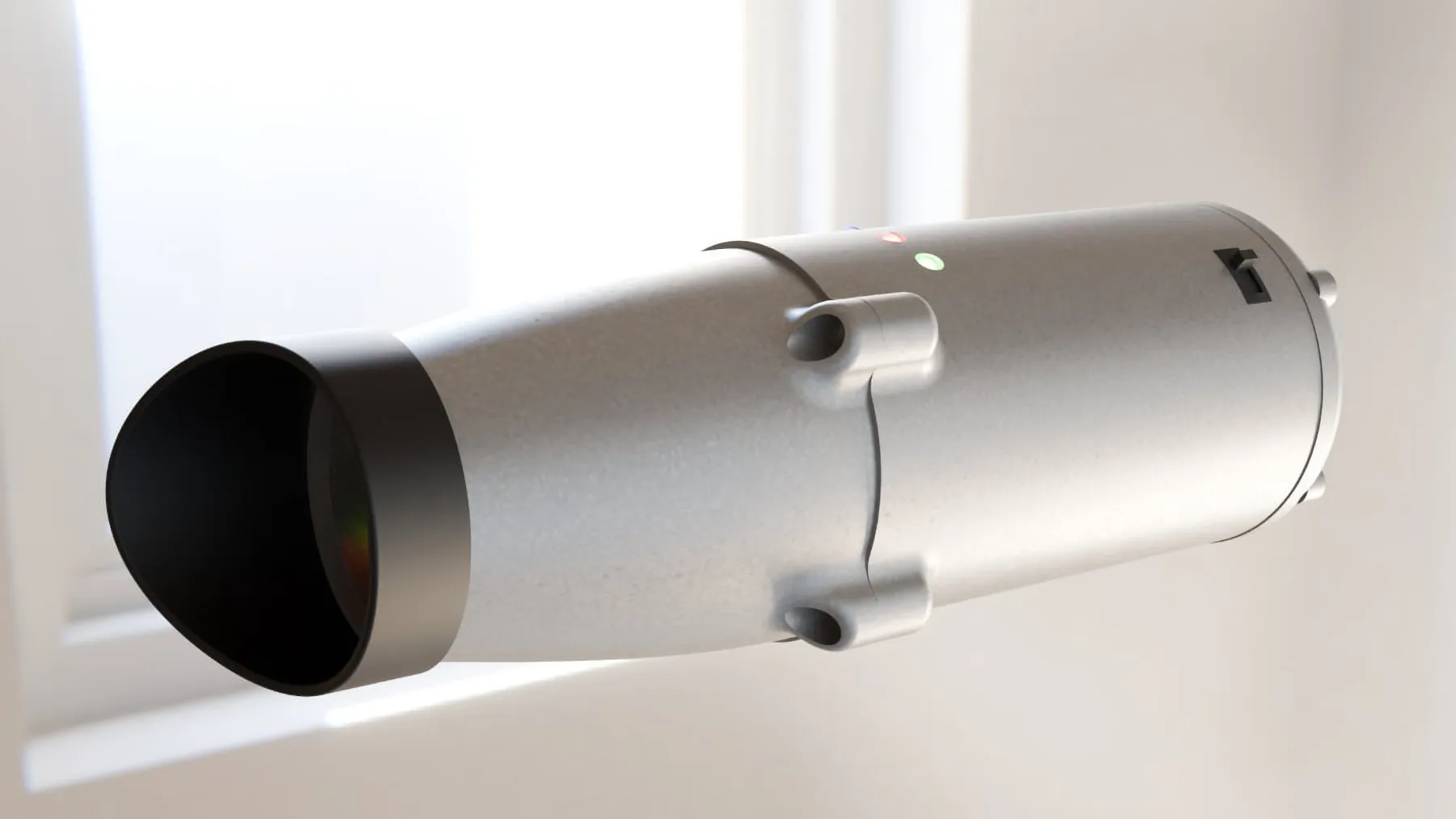
Researchers at Samara State Medical University (SamSMU) of the Russian Ministry of Health have developed a hardware-software system for early detection of brain injuries. Unlike traditional methods, the new system makes diagnosis more objective, standardized, and less dependent on clinician expertise.
This approach is especially important in mass casualty scenarios, including traffic accidents, emergencies, and natural disasters, as well as in urgent care settings. The project was carried out under a state-funded research program, the university’s press service told IT-Russia.
Involuntary Eye Micro-Movements
The system detects traumatic brain injury by analyzing quantitative characteristics of eye movement. It tracks involuntary micro-movements of the eyes and pupil response to light, then processes the data. The system uses physiological markers of traumatic brain injury combined with artificial intelligence algorithms, enabling automated interpretation of results. This makes diagnosis faster and more objective.
The system is available in both portable (for emergency and field diagnostics) and stationary (for in-depth examination and monitoring in medical facilities) versions.
Exams in Minutes
In the future, the system could be used in ambulances, triage settings, emergency departments, regional hospitals, sports medicine, and research.
A prototype has already been developed and tested. A fully functional version is expected by 2028.
Earlier reports said Russian researchers had connected the human brain to a computer using language models.