A Digital Twin Could Predict Crop Failure
Russian and Chinese scientists have developed a method for creating digital twins of crops that can predict poor harvests by modeling weather and soil data.
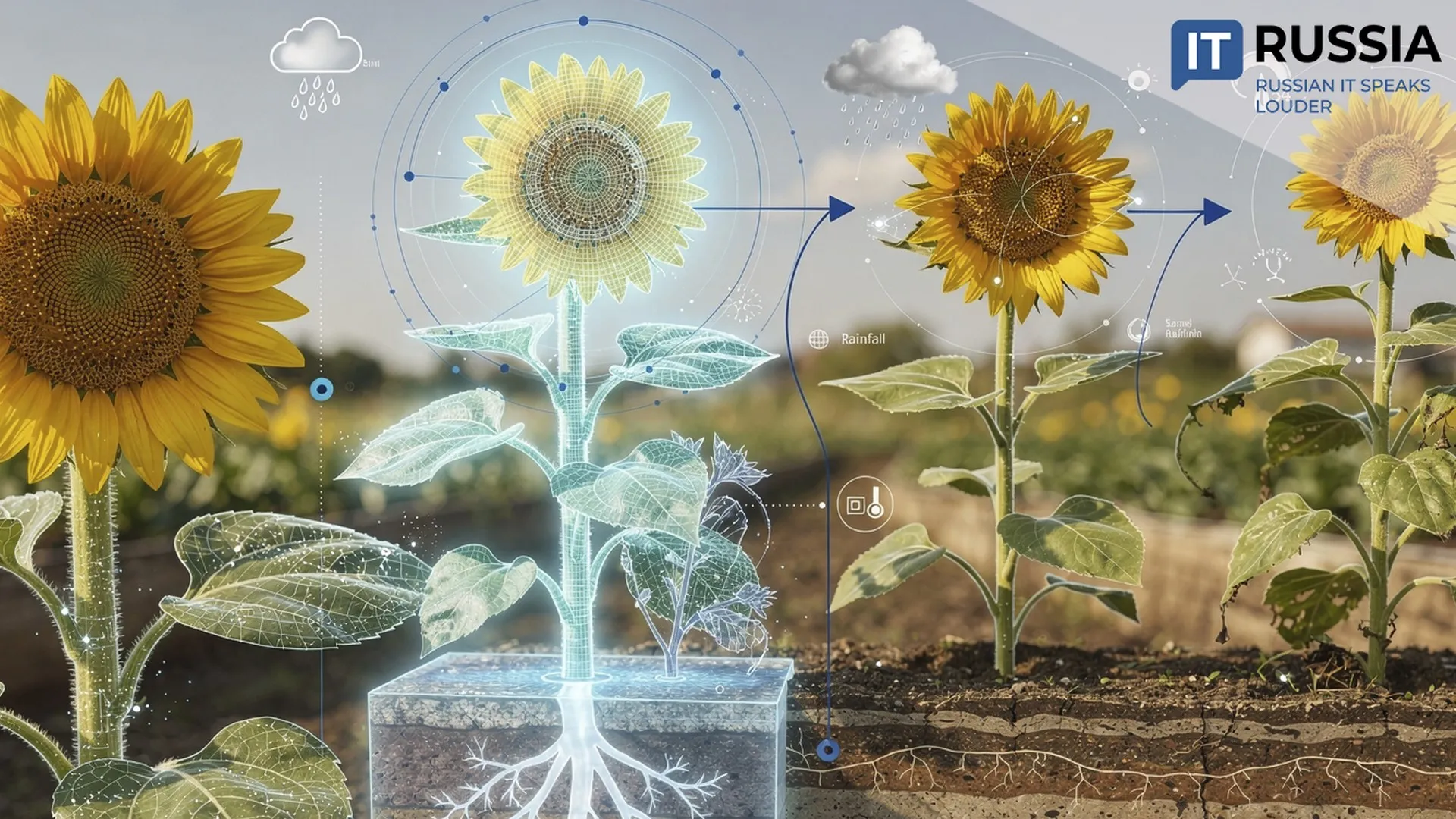
The use of digital twin technology in crop production could fundamentally improve the sector’s efficiency. A digital twin is a virtual replica of a real physical object, or its mathematical model.
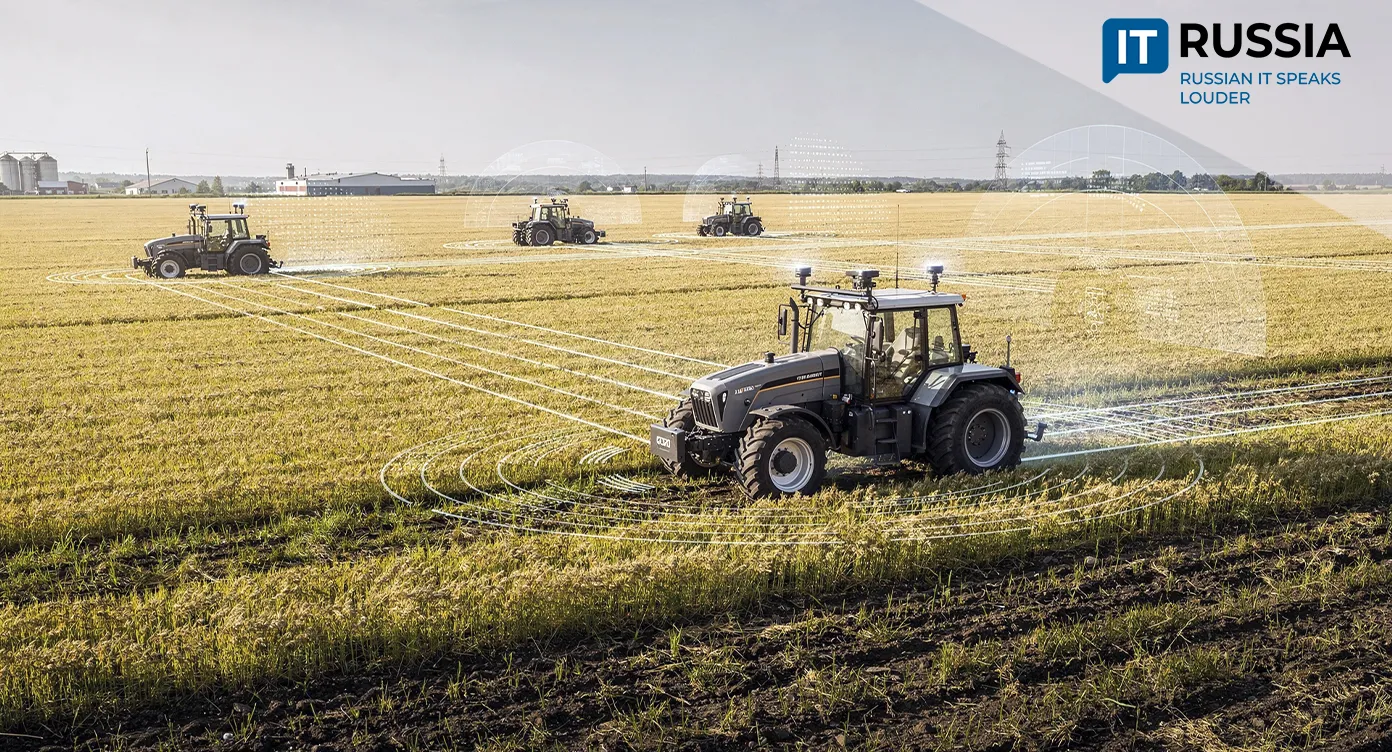
Industrial companies were the first to use digital twins to model operations. Now the technology is being applied in agriculture, including to create digital twins of specific crops. These virtual models make it possible to quickly conduct in-depth analyses of crop development and simulate processes without interfering with actual field operations. That allows growers to make necessary adjustments quickly.
A Russian-Chinese Model for Three Crops
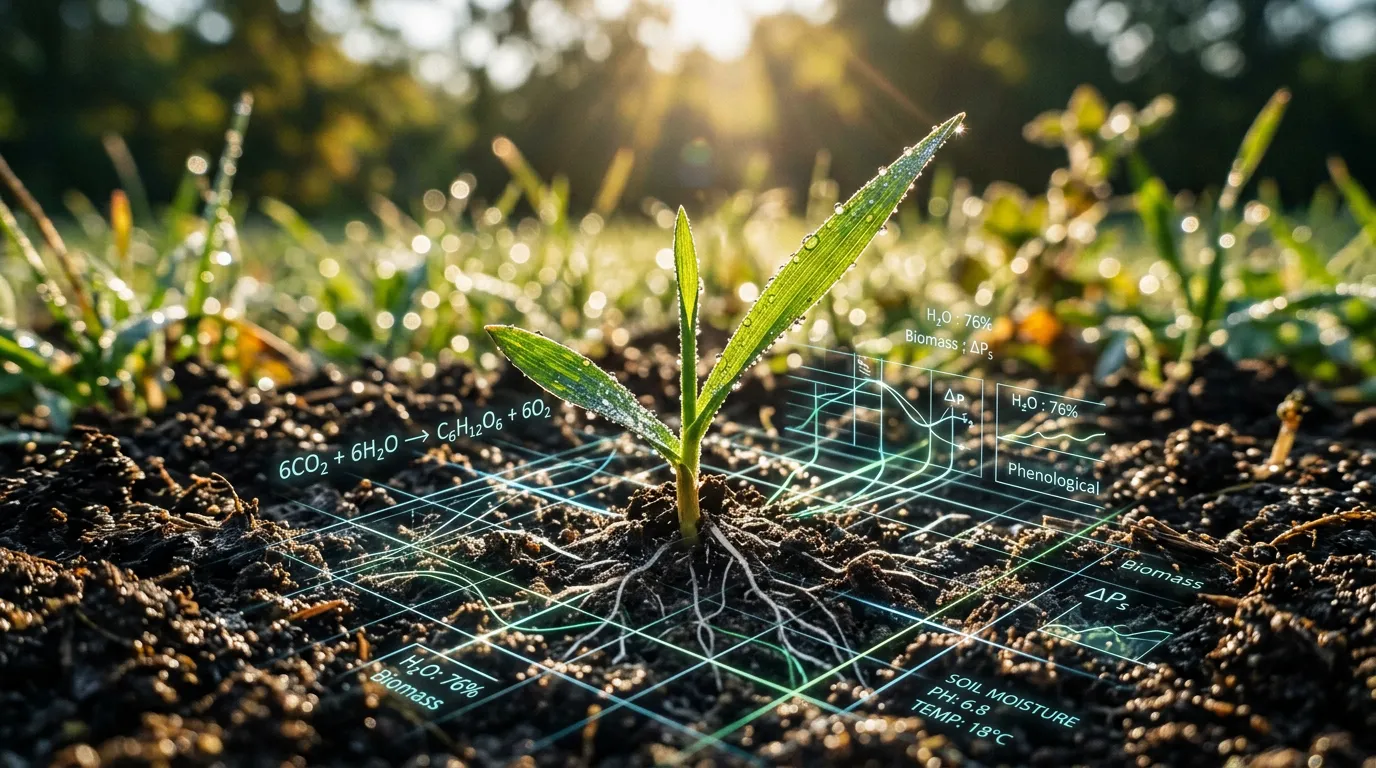
Scientists from the Space Research Institute of the Russian Academy of Sciences, Lomonosov Moscow State University and China’s Chengdu University of Technology worked on the new project. Their goal was to create a digital platform for analyzing and assessing risks when growing different crops. The developers used the global WOFOST crop growth model as their foundation and adapted it to Russian conditions. The new platform creates a digital twin of a crop and assesses how well it is developing as climate and soil conditions change.
The first digital twins were created for three crops widely grown in Russia – corn, barley and sunflower. To analyze their growth and development, the researchers calibrated the digital models for phenological parameters, photosynthetic characteristics and nutrient partitioning.
“Yield forecasting without necessarily relying on remote sensing data is of considerable interest, particularly when assessing large areas. This approach reduces dependence on the availability of satellite observations with the required quality and temporal resolution, while also reducing the volume of spatial data that must be processed. This is particularly important when obtaining representative satellite imagery is difficult because of cloud cover or insufficient imaging frequency,” said Valeria Gresis, senior lecturer in the Department of Agrobiotechnology at the Agrarian and Technological Institute of RUDN University.
Predicting a Poor Harvest
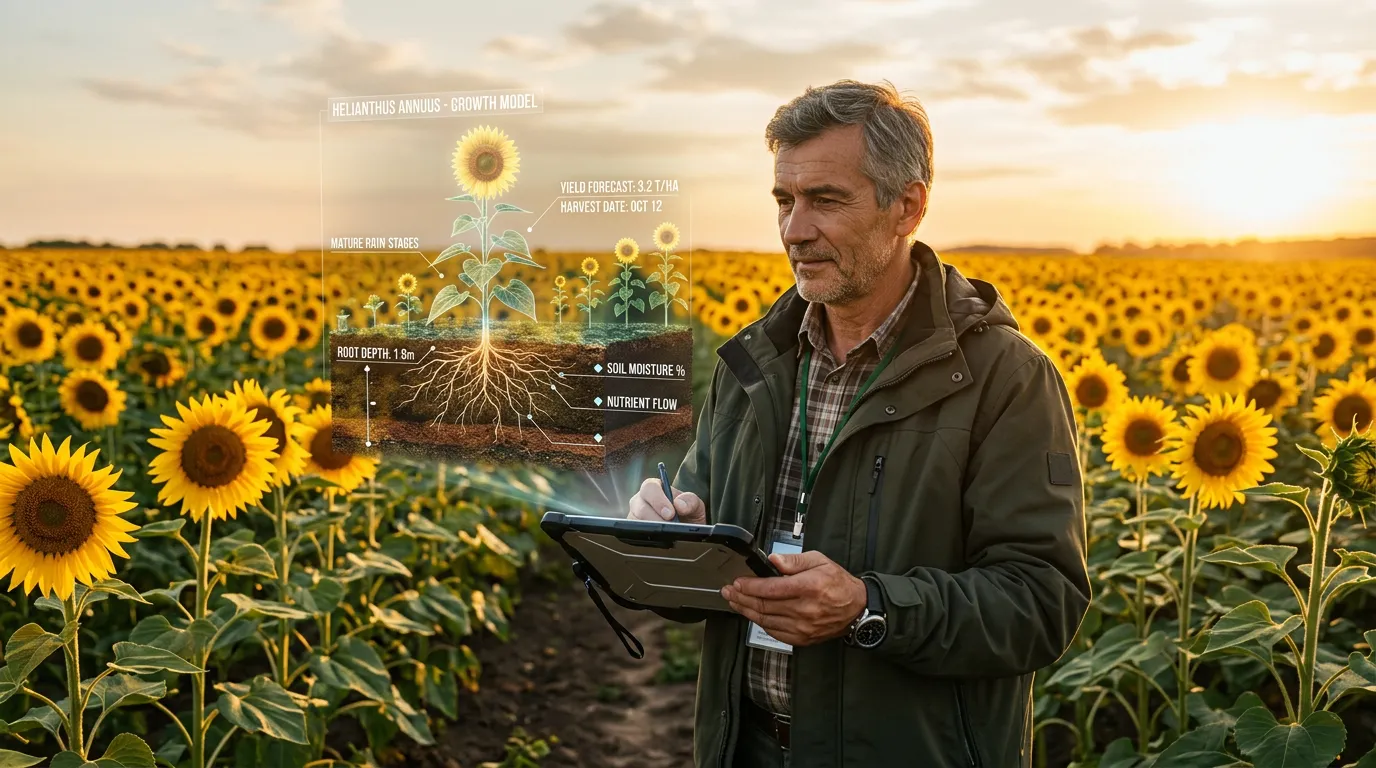
The new model was calibrated to forecast crop yields. An important part of the work was determining the accuracy of those estimates. To do that, the researchers used validation data based on analyses of real-world conditions. They sought to align the flowering and maturity dates of the crops under study with actual long-term averages for each area. The average error was about 24% for sunflower, 26% for corn and 24% for barley. Notably, however, recurring systematic errors in yield estimates were almost entirely eliminated.
One of the main indicators of a poor harvest was the climatic norm. The new digital platform represents the first example of this level of detailed model calibration, making it possible to identify deviations in crop development in advance and forecast crop-production performance. The technology can therefore assess crop development throughout all stages of maturation based on the soil and climate conditions of specific regions. In other words, it can provide the foundation for an early-warning system for potential crop failures.
The new digital model can even be used to look further ahead by simulating how different climate-change scenarios could affect different regions of Russia – an especially important capability in an era of global warming.
Supporting Agriculture With Mathematical Forecasts
In the future, the machine-learning process for the digital twins will use not only the newly developed technology but also satellite observation data, increasing the accuracy of the estimates.
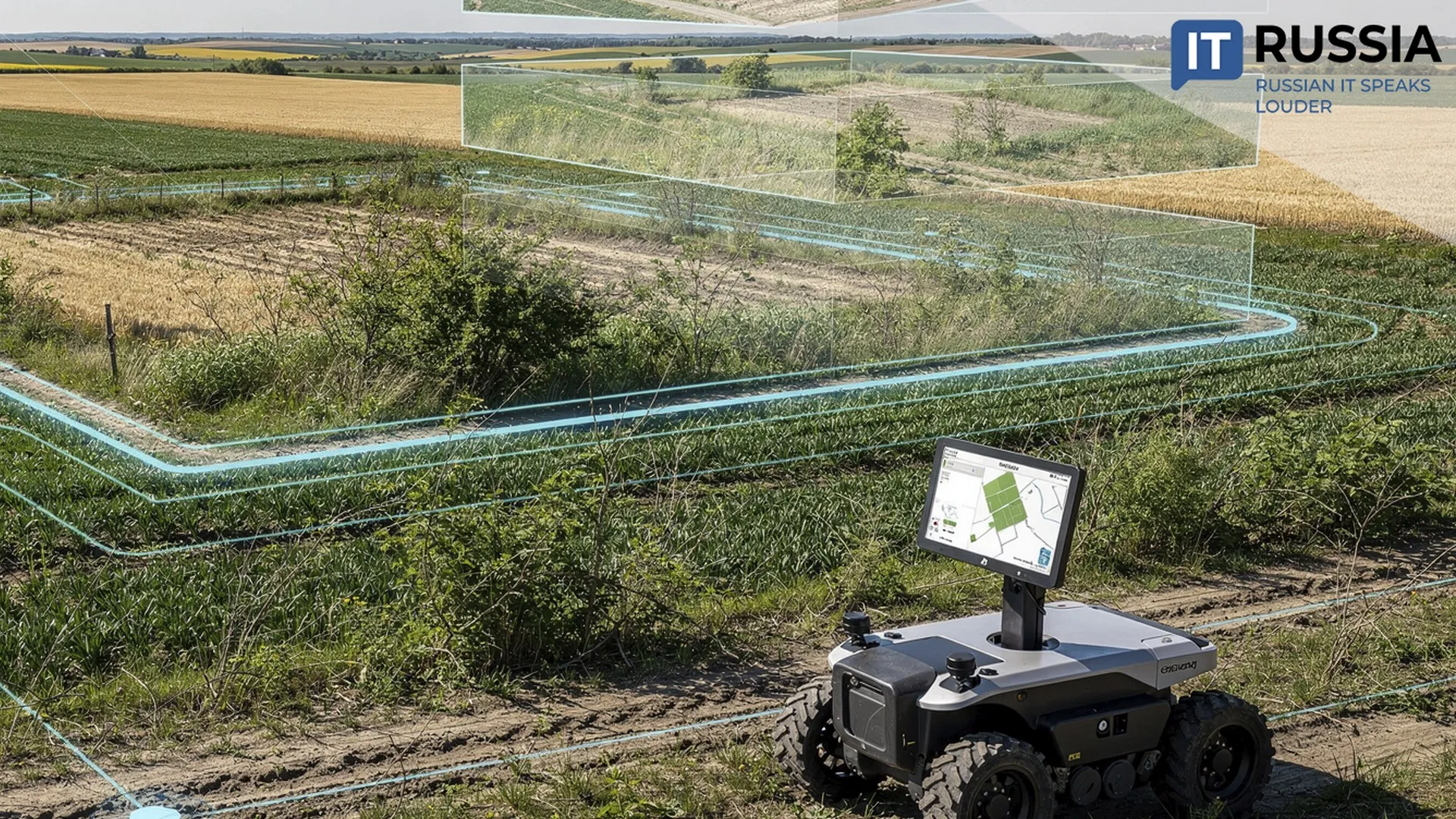
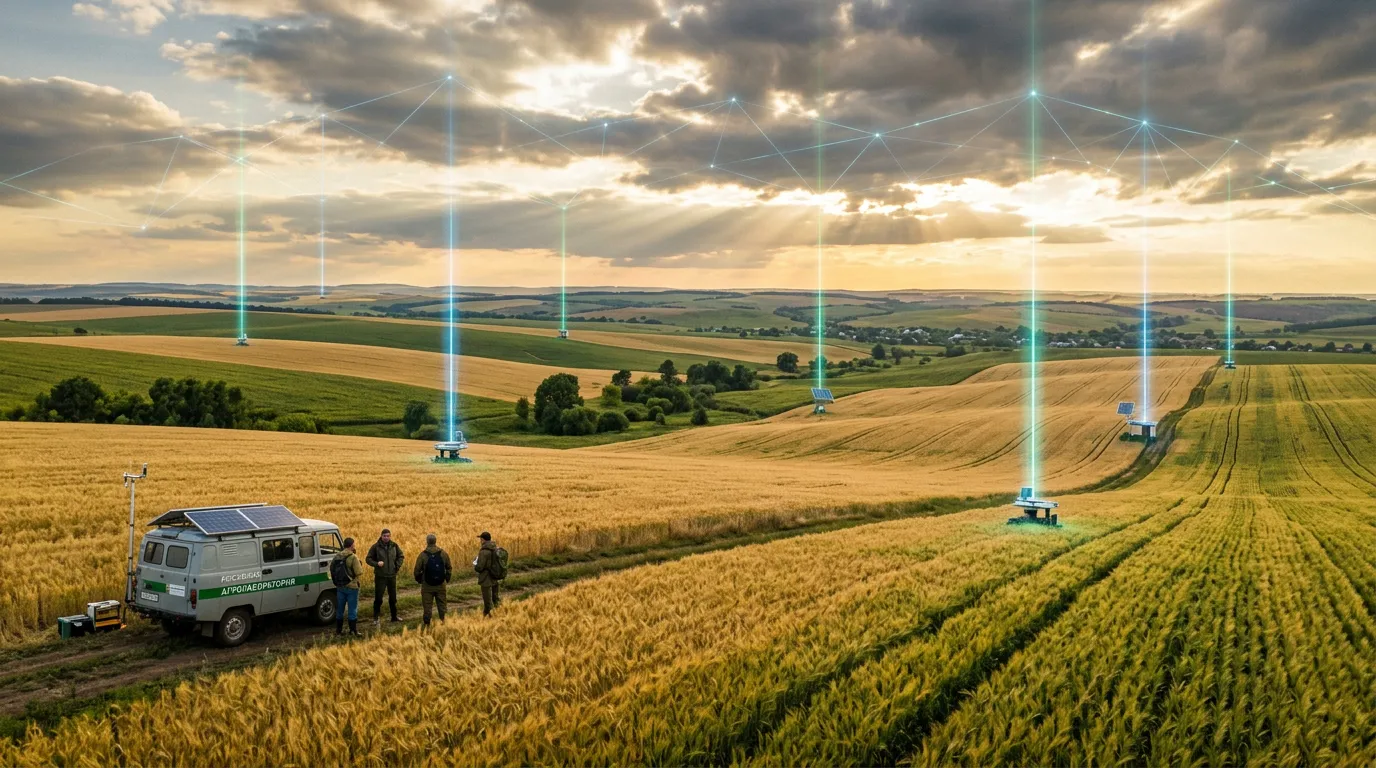
The key value of digital twin technology lies in its ability to rapidly process large datasets and present the results in a format people can readily understand, including maps of fertility zones and vegetation indices. That can help agronomists make better-informed crop-management decisions.
Beyond increasing yields, plant digital twins could also support the development of agricultural insurance. Crop production in Russia requires an effective risk-protection system because the business is highly dependent on natural events. The government supports agricultural insurance, but difficulties in assessing risk complicate the process. A crop-failure forecasting system could help address that problem. Once connected to the Unified Digital Platform for the Agro-Industrial and Fisheries Complex (Yedinaya tsifrovaya platforma, ECP), it could provide independent risk assessments.
Digital twins offer significant opportunities for the development of Russia’s agricultural sector. Once integrated with automated agribusiness management systems, they could advance precision agriculture, helping increase yields and put more food products into export markets. They could also lay the groundwork for exports of Russian AgTech solutions. After being scaled up and validated under large-scale production conditions, Russian digital agricultural technologies could have strong export potential in friendly countries.