AI in Russia Boosts Government Efficiency and Regional Development
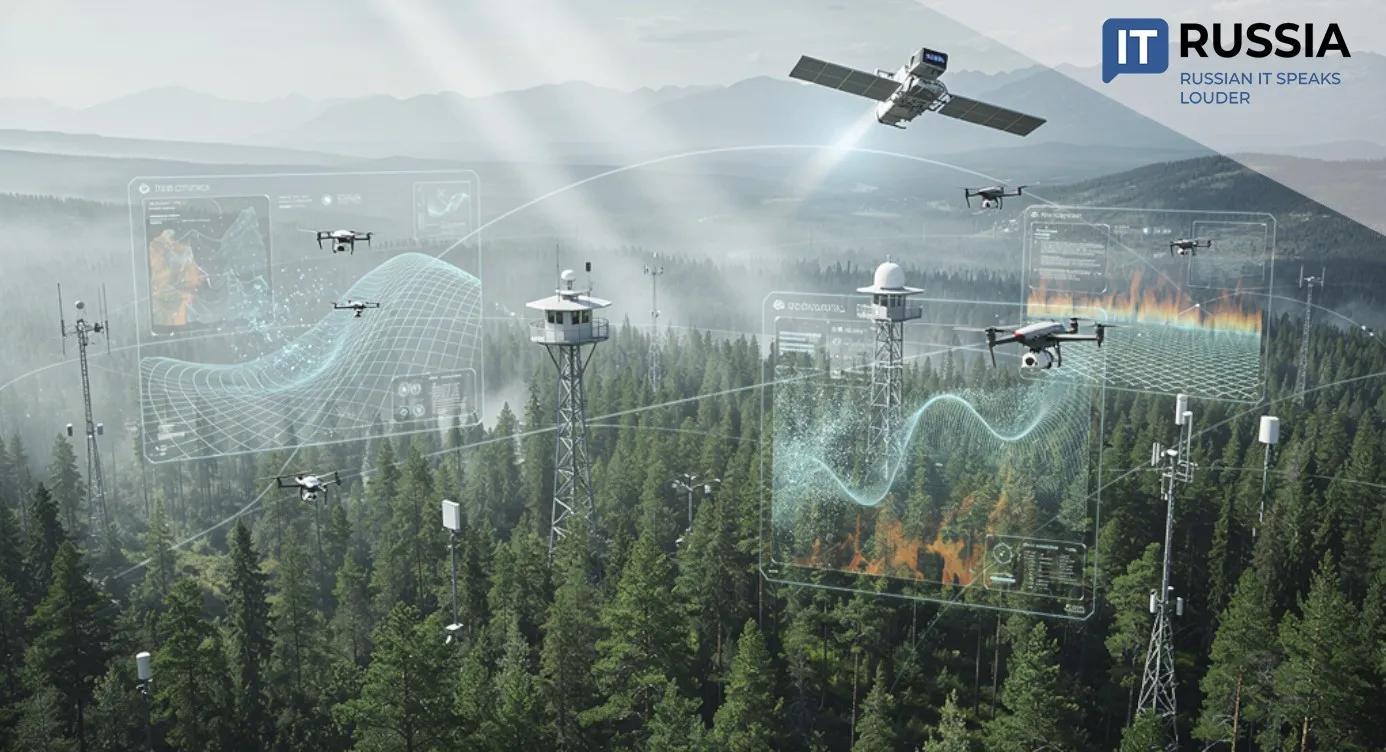
Artificial intelligence in Russia has moved beyond basic analytics. It now supports national project management, predicts risks with high accuracy, and is increasingly seen as a potential foundation for international AI initiatives designed for public-sector institutions.

A Systemic Tool
Artificial intelligence (AI) in Russia is becoming a systemic instrument for improving the effectiveness of public administration and accelerating regional development across social services, industry, education, and government authorities. AI initiatives are being rolled out as part of the national project Ekonomika dannykh i tsifrovaya transformatsiya gosudarstva (Data Economy and Digital Transformation of the State). The Tsifrovoy region (Digital Region) platform aggregates best AI practices from 65 Russian regions, creating a shared knowledge base for regional and federal authorities.
AI is already embedded in government systems used to monitor and manage national projects. These systems analyze all activities and performance indicators, forecast risks with an accuracy of 96 percent, and process thousands of interdependencies per minute. Using AI-based analytics, more than 8,000 interconnections have been identified across national projects, replacing years of manual expert analysis and significantly accelerating managerial decision-making. Meanwhile, import substitution in software strengthens technological independence. By early 2025, Russia’s registry of domestic software included 25,000 products, rising to 29,000 by December. In parallel, 200 particularly significant projects are underway to deploy critical IT solutions with government support, enabling their replication across multiple industries.
On the whole, this large-scale adoption of new technologies is driving demand for domestically developed AI solutions and improving the investment appeal of IT projects. At the government level, decision-making cycles are shortening, management efficiency and transparency in national programs are improving, and reliance on manual processing is declining, reducing the workload on public-sector employees. Citizens also benefit directly, as the quality of public services improves. Data-driven governance allows authorities to adapt more effectively to socio-economic challenges while lowering corruption risks through systematic data analysis.

A Catalyst for All Sectors
The use of AI in public administration is not merely an internal trend. It represents a class of technologies with export potential, including consulting services, platform integration, and model-based analytics. Large-scale domestic adoption strengthens Russia’s position in this field and creates a reference model for the digital transformation of government institutions in other countries. Potential export-ready solutions include risk-forecasting models, national project monitoring systems, and automated tools for analyzing government data. The success of these AI solutions abroad will depend on their compliance with international standards, customer requirements, and their ability to integrate with global data management platforms.


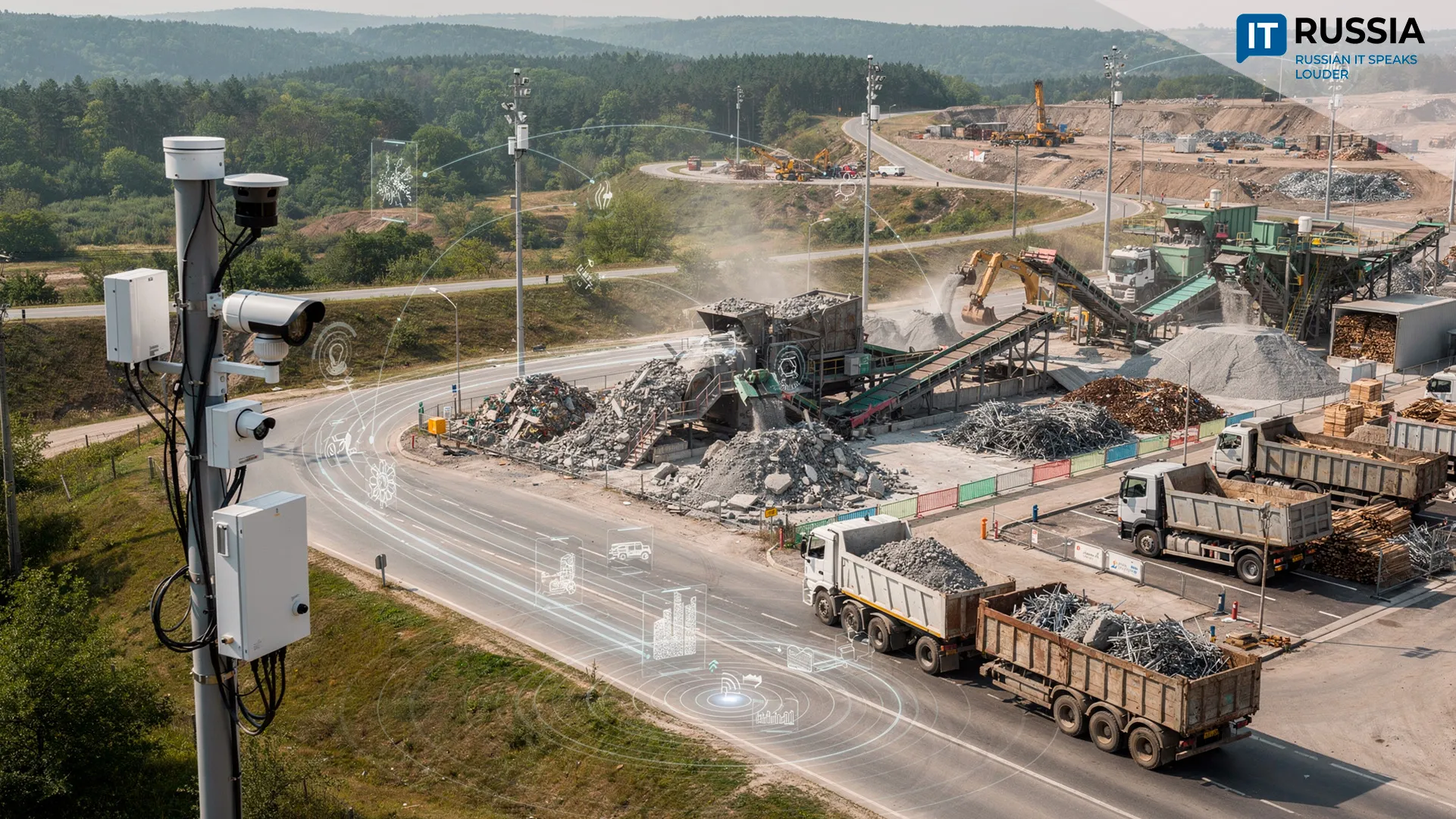
Scaling AI solutions across all levels of governance, from municipal to federal, could become a major growth driver for the domestic technology ecosystem. This expansion is expected to increase demand for Russian ML and AI expertise, analytical platforms, professional training, and industrial applications. As a result, multiple sectors stand to gain. A critical factor will be the adaptability of AI analytical models for strategic planning and economic scenario forecasting, as well as for healthcare, environmental protection, and public safety.

The Strategic Trajectory
Over the past several years, AI has become deeply embedded across nearly all areas of daily life and is now an integral part of them. Between 2019 and 2021, Russia established the core regulatory framework for AI and formally incorporated it into the foundations of national digital policy. During this period, the National AI Development Strategy through 2030 was approved, and the federal project Iskusstvennyy intellekt (Artificial Intelligence) was launched. In 2023, the AI development trajectory was updated in line with strategic directives from the President of the Russian Federation, reflecting the continued digitalization of public services and government administration.
The year 2025 marked a shift toward practical pilots and real-world experiments with AI in government agencies and regional systems. The Ministry of Digital Development proposed an experiment to introduce generative AI into public administration, where AI will be used to process official documents and citizens’ requests. Pilot AI projects have also been launched at the regional level.
Technological Independence
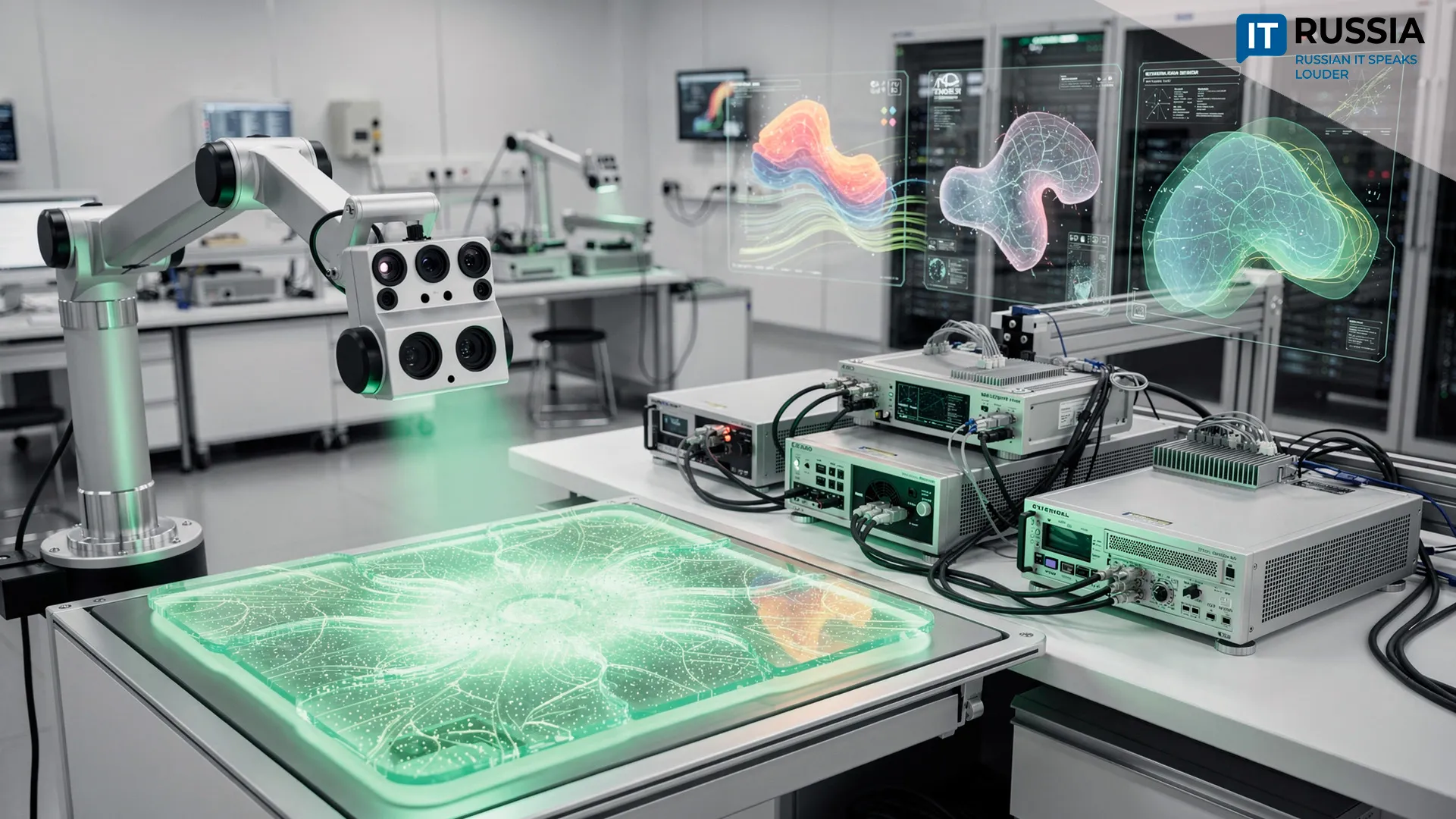
AI has moved beyond the experimental phase and is now being integrated into critical elements of government administration and strategic planning. At the same time, import substitution in domestic software is reinforcing technological independence. The widespread adoption of these practices is shaping a platform-based market for AI solutions serving both government and business needs.

Between 2026 and 2028, active deployment of AI solutions at the municipal level is expected to continue, with increased focus on automating social, educational, and healthcare services. Over the following three to four years, fully developed digital twins of government systems and adaptive models for strategic governance are likely to emerge. By the next decade, this accumulated capability could enable Russian AI tools to participate in international projects focused on the digital transformation of public-sector institutions.