Rosatom Showcases the Technologies of Tomorrow: From Nuclear Medicine to Quantum Computing
At the Forum of Future Technologies, Rosatom demonstrated how advances in nuclear science are expanding far beyond the energy sector. The state corporation presented developments in nuclear medicine, quantum computing and bioeconomy technologies, highlighting how these innovations could reshape healthcare, industry and environmental management in the years ahead.
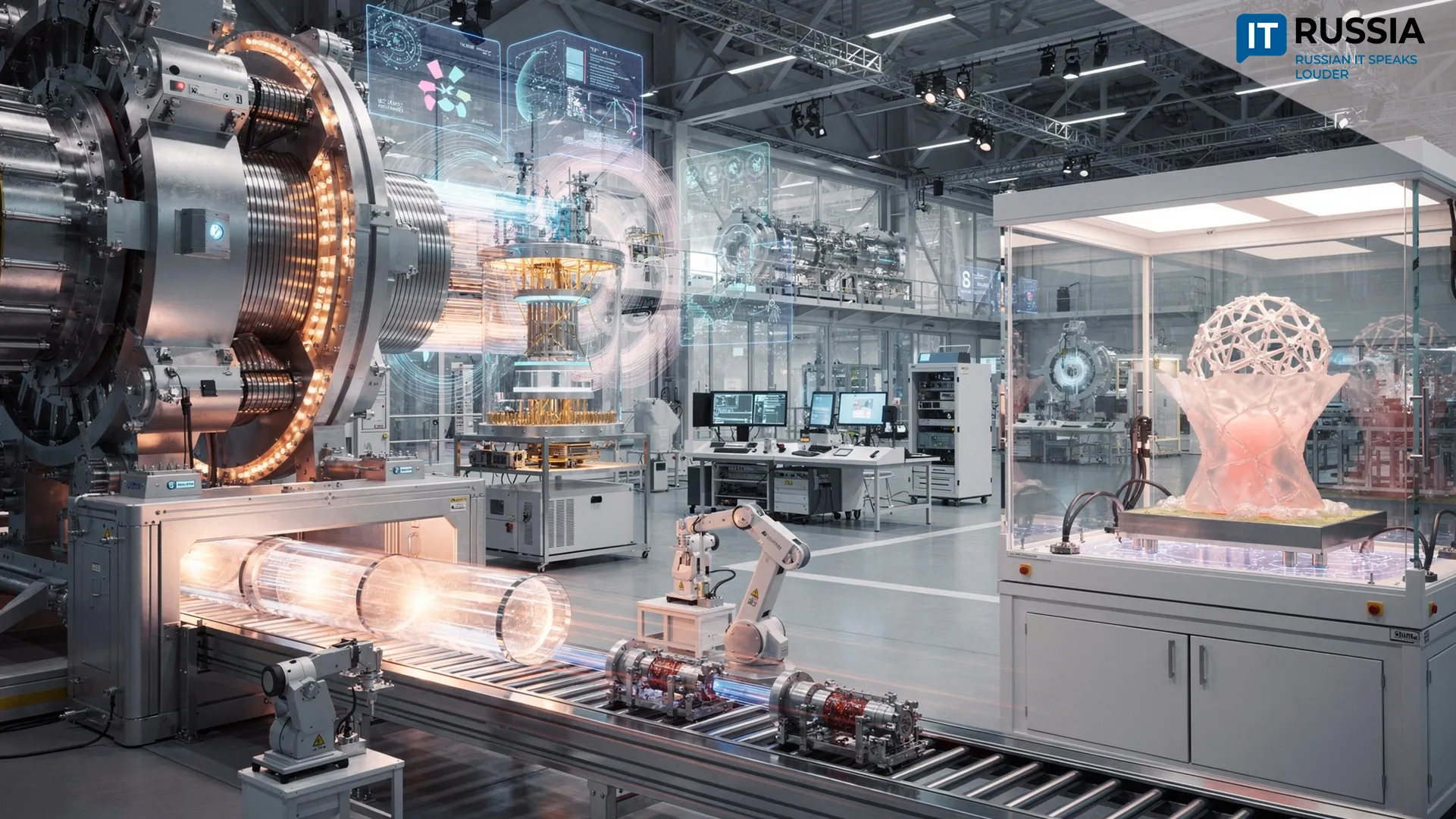
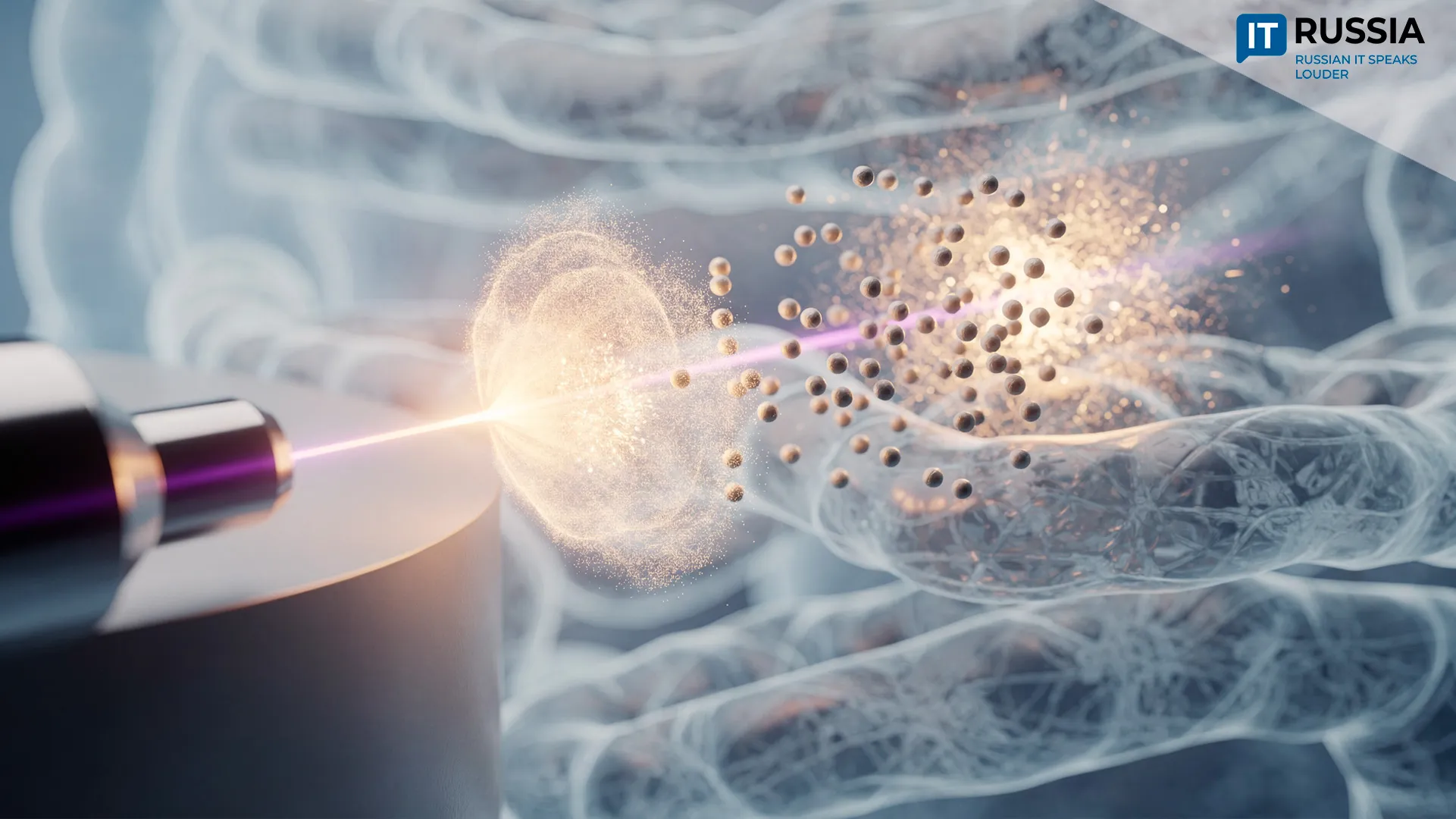
Already today, Rosatom supplies roughly 85% of Russia’s market for medical isotopes and ranks among the world’s top five producers of these materials. The corporation also produces more than 90% of the types of isotope products used in global medical practice. These materials are essential for high-precision diagnosis and treatment of oncological, neurological, cardiovascular and endocrine diseases.
At the forum stand, visitors could examine a three-dimensional model of a cyclotron illustrating how isotopes are produced for cancer diagnostics and therapy. Technologies like these are transforming the nuclear sector into a tool for extending and improving the quality of life for millions of people.
The use of isotopes is also becoming a foundation for personalized medicine, where treatment strategies are tailored to the individual characteristics of each patient.
Quantum Computing Moves Toward Industrial Applications
Another major focus of Rosatom’s technology portfolio is quantum computing. The corporation currently oversees more than thirty pilot projects at different stages of development. These include working solutions designed to optimize industrial processes, model chemical reactions and generate construction schedules for nuclear power plants. Engineers have already developed 47 quantum algorithms to solve industrial tasks ranging from logistics planning to molecular structure modeling.
Quantum computing has not yet reached large-scale commercial deployment. However, the experience accumulated in this field is expected to deliver significant advantages in the future. Companies that prepare software ecosystems and train specialized talent early will gain a strategic edge once quantum computing technologies reach widespread adoption.
Additive Biotechnologies and the Next Generation of Medicine
Rosatom specialists also presented developments in additive biotechnologies.
Creating living tissue requires a new class of systems capable not only of printing structures but also of forming cellular material directly within three-dimensional space.
Together with the Kurchatovskiy institut (Kurchatov Institute), researchers are developing activated implants with combined therapeutic functions. Their goal is to reduce the risk of tumor recurrence following surgery. Scientists are also working on a bank of universal low-immunogenic cells that could become accessible to any patient. Such solutions could fundamentally reshape treatment approaches for cancer and traumatic injuries. Today roughly 150 medicines based on gene and cell therapies are already used worldwide.

Closed-Cycle Environmental Technologies
Environmental innovation represents another key direction of Rosatom’s work. At the forum the corporation presented models of the BREST (lead-cooled fast reactor) being developed in Seversk, a tokamak incorporating reactor technologies and a biogas power station. Representatives also demonstrated real-world projects involving the reclamation of contaminated territories, including remediation efforts at the Krasny Bor industrial waste site, the rehabilitation of a landfill in Chelyabinsk and the transformation of an industrial zone in Usolye-Sibirskoye.
Through these projects the corporation is promoting a model of green industrial production in which hazardous industrial waste becomes secondary raw material, landfill gas is converted into energy and purified water returns to natural ecosystems. Over time, this approach could shift environmental policy from responding to damage toward preventing it.
Toward Accessible Personalized Medicine
Visitors also showed strong interest in a biological age assessment station presented at the forum. Within minutes participants could evaluate the condition of their nervous and cardiovascular systems, body composition and cognitive functions. Technologies like these bring advanced medical diagnostics closer to everyday users.
Rosatom also presented a line of domestically produced osteosynthesis implants and surgical instruments designed for their installation. These products demonstrate the localization of high-technology manufacturing within Russia. Close cooperation between enterprises in the nuclear sector allows manufacturers to deliver high-quality medical devices at competitive prices.
A Consortium to Advance the Bioeconomy
During the forum participants proposed creating a permanent consortium dedicated to additive biotechnologies, which could serve as a driver for future medical innovation.
Russia’s biotechnology market currently totals roughly $1.3 billion, with projected annual growth of up to 15%. Without close cooperation between companies, scientific institutes and regulatory authorities, sustained development of the industry would be difficult to achieve.
The Forum of Future Technologies ultimately demonstrated how Russia’s nuclear sector has expanded far beyond energy production. It is becoming a platform for developing nuclear medicine, quantum computing, biomedical engineering and environmental technologies. Together these fields share a common objective: making human life healthier, safer and more comfortable.