Green Light for Blood Vessels: Russian Scientists Measure Blood Flow Without Sensors or Wires
Researchers in Russia have developed a technology that measures blood flow without direct contact with the body, using standard video recording and analysis of reflected light. The method could simplify the diagnosis of vascular disorders and reduce costs, potentially becoming part of a new generation of digital healthcare tools.
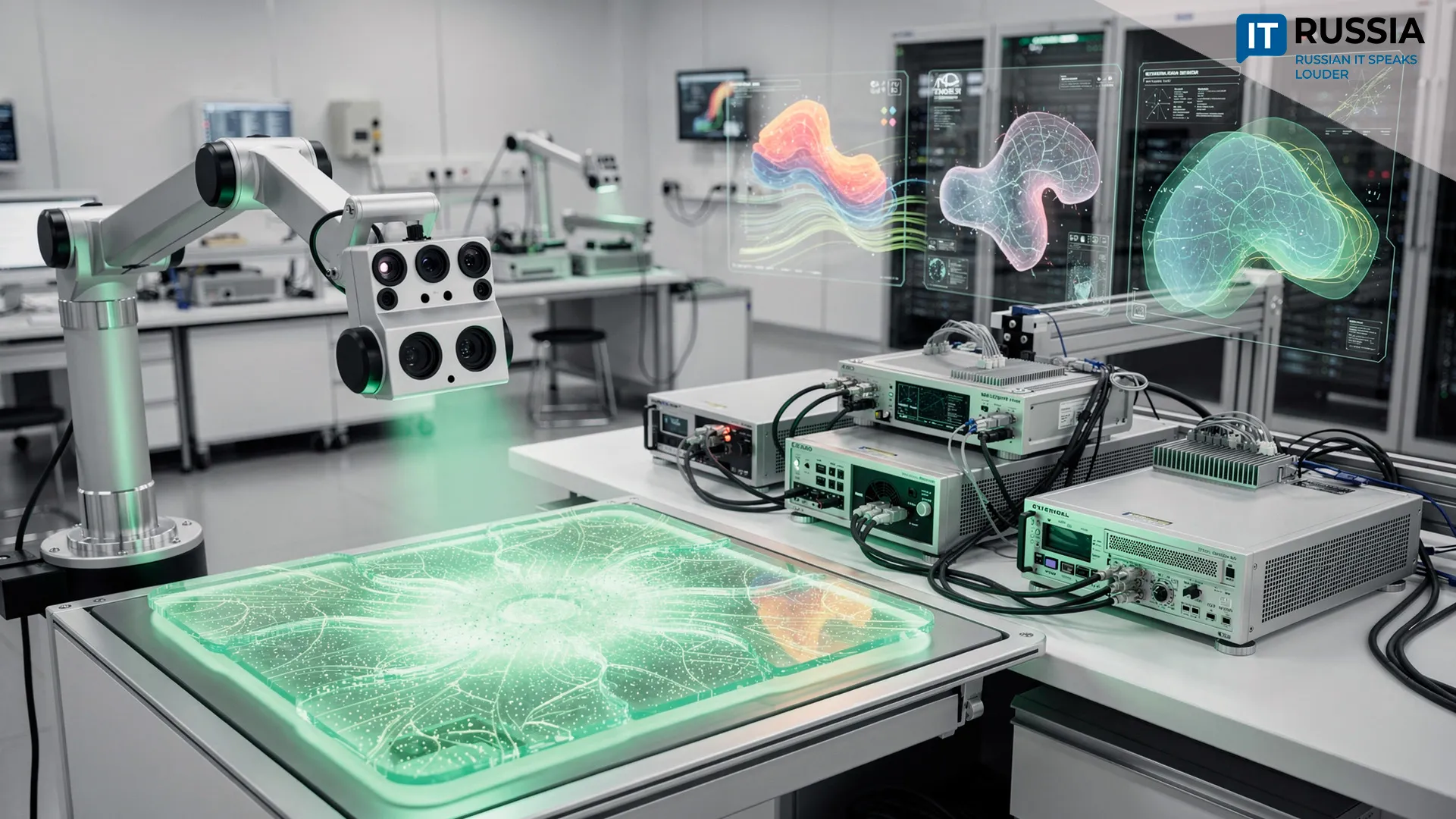
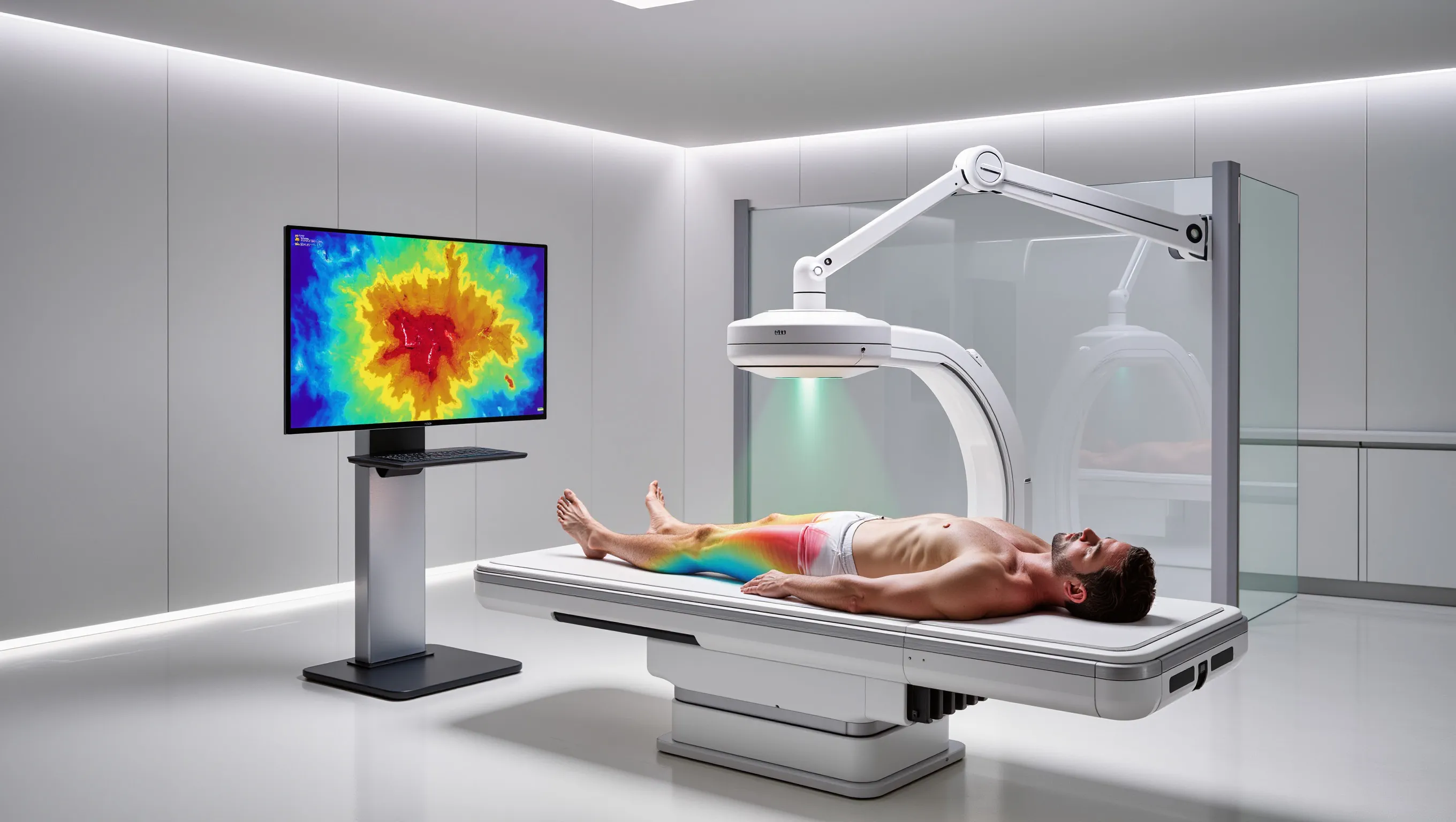
Scientists at ITMO University, working together with specialists from the Almazov National Medical Research Centre, have created a new way to measure blood flow in the hands. The method requires no sensors, cuffs, or wires. Instead, the process is fully contactless: the skin is illuminated with green light, a camera records video, and specialized software analyzes changes in the reflected signal.
The technique is based on photoplethysmography, an optical method used to observe how blood fills the vessels. In effect, the camera detects how blood circulates. Red blood cells absorb green light in different ways, and by analyzing subtle fluctuations in reflected light, specialists can determine how actively blood is flowing into tissues and therefore how effectively oxygen is delivered.
How the System Works
Previously, blood flow measurements most often relied on contact-based methods. A cuff or sensors were placed on the arm, venous outflow was temporarily restricted, and changes in limb volume were used to estimate how much blood had arrived from the heart. While effective, this approach is relatively expensive and uncomfortable for patients.
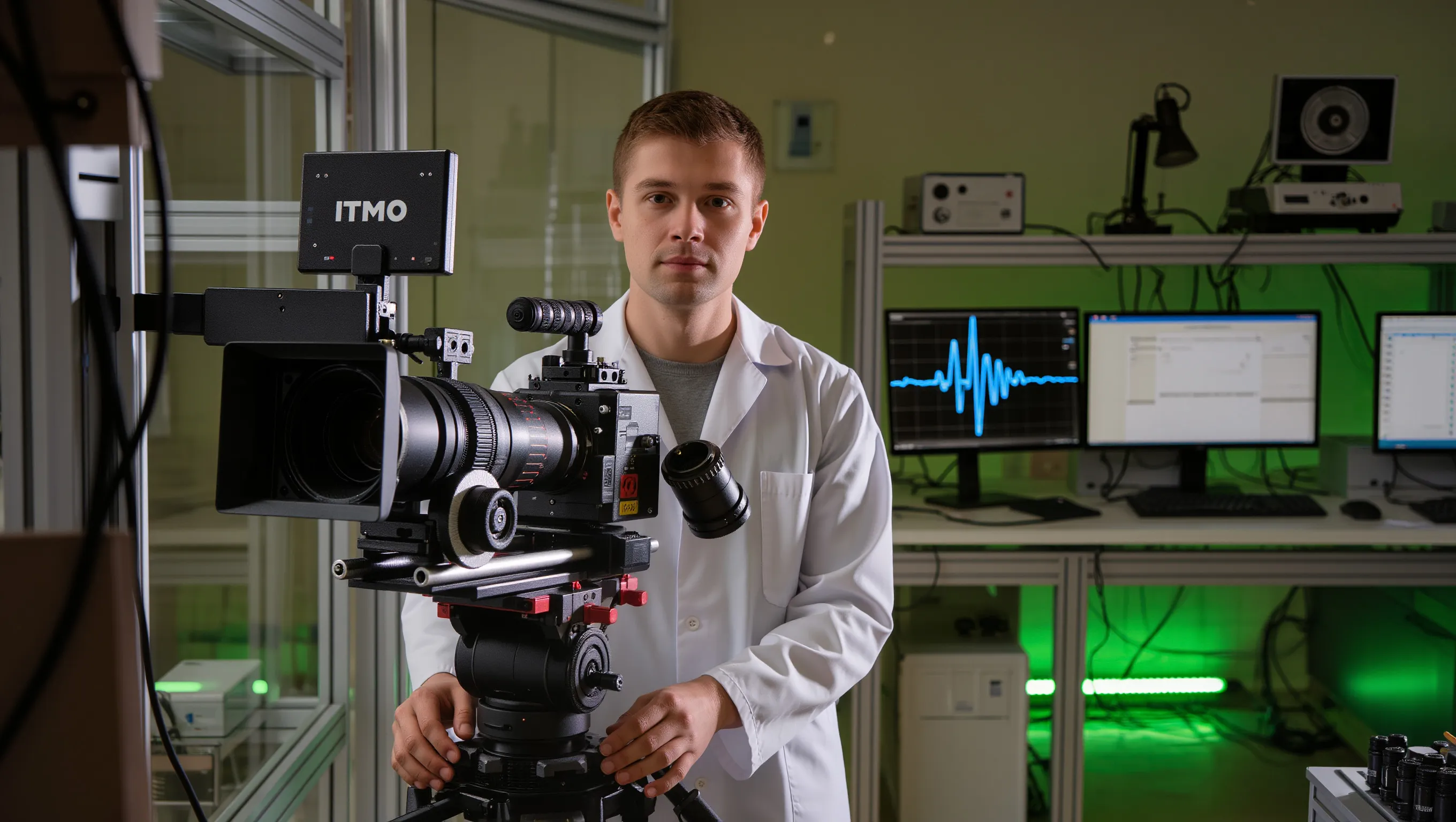
The new system works differently. During venous occlusion – when blood outflow is slightly restricted without affecting arterial inflow – the camera records an increase in the absorption of green light. This happens because the number of red blood cells rises in the small vessels of the skin. Software processes the resulting data stream and calculates blood flow parameters.
Researchers have already conducted experiments with healthy volunteers and compared the results with traditional measurements. The values closely matched those obtained through conventional methods. At the same time, the new technology proved easier to use and potentially less expensive. The work was published in the journal Biomedical Optics Express, confirming that the results have undergone scientific peer review.

Why This Matters for Russia
The project demonstrates how Russian research centers are combining medicine, optics, and modern IT algorithms. In this case, the innovation lies not only in the medical concept but also in the software architecture. Researchers developed the software themselves, synchronized several cameras, and configured the processing of large volumes of video data.
In practice, the system represents a medical platform where image analysis plays a central role. This direction is widely regarded as one of the most promising areas in healthcare technology. The ability to use conventional cameras and computer vision algorithms instead of complex hardware systems lowers the cost barrier for clinics and expands access to diagnostics.
For Russia, such projects contribute to the development of a domestic segment of medical IT solutions. The competencies created in these initiatives can be applied not only in cardiology but also in other medical fields where microcirculation analysis is important.
Benefits for Patients
For patients, the key advantages are comfort and safety. There is no need to attach sensors or adjust equipment for each individual. This is particularly important for elderly patients, children, people with sensitive skin, and individuals with neurological or mental conditions who may experience discomfort even from minimal physical contact.
The method could help diagnose diseases associated with impaired vascular regulation. These include diabetes, varicose veins, atherosclerosis, and disorders affecting the nervous system. Changes in vascular tone can potentially be detected at early stages.
Researchers are currently working to adapt the technology for the lower limbs. This is an important step, as circulatory problems in the legs often lead to severe complications. If the system proves effective in clinical practice, it could become part of preventive screening and routine health monitoring programs.
Global Research Context
Interest in noninvasive and remote diagnostic methods is growing worldwide. Optical approaches to evaluating blood flow have been actively studied in recent years, and the combination of video imaging with signal-analysis algorithms is becoming increasingly common in scientific publications.
Over the next few years, commercial versions of the hardware and software may appear. If the developers maintain the pace of research and obtain the necessary clinical validation, Russia could strengthen its position in the field of digital medicine.