AI to review audience turnout at cultural events in Russia
An automated system for counting visitors at cultural venues has been operating in the Moscow region for four months, using artificial intelligence to assess audience attendance.
The system helps organisers understand which events draw full houses and which attract fewer visitors than expected. Attendance is measured using neural networks and cameras from the Safe Region video surveillance system.
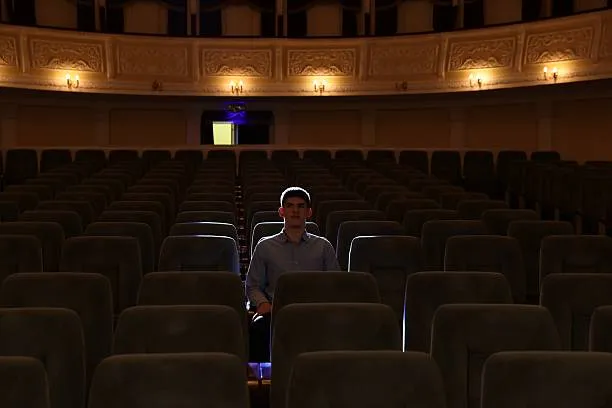
Organisers enter details of concerts, performances, or public meetings into an electronic system in advance. During the event, cameras record how full the hall is, while a dedicated algorithm automatically counts the number of attendees. A report is then generated, eliminating manual headcounts and paper-based records.
Statistics tell the story
Since its launch, the technology has processed more than 6,000 video frames from 859 events. A total of 116 cameras are connected across 50 cultural institutions in the region. This has proven sufficient to produce stable statistics and comparable data across different venues and event formats.
The main goal is not oversight for reporting’s sake, but building a clear picture of audience demand. Managers of cultural centres can see which programmes genuinely attract visitors, on which days halls are better filled, and which formats perform less strongly. The data is used for scheduling and budget planning, reducing reliance on subjective judgement.
Using AI to measure cultural demand
Similar systems are already used in other regions to analyse passenger flows, the use of public spaces, and attendance at sports facilities. In the Moscow region, the same logic has been adapted for the cultural sector, which previously relied more on rough estimates and informal reporting.
The project is being developed as part of the national Data Economy initiative. The Ministry of Culture has stressed that the technology does not identify individuals or track personal preferences, working only with anonymised statistics. For audiences, attending events remains unchanged, while organisers gain a precise tool for understanding public interest.
As a result, cultural centres receive real data instead of formal reports, and regional authorities gain a clearer basis for shaping cultural policy around actual public demand.