Russia Launches Mass Production of Base Stations for Mobile Networks
By 2030, the country is to deploy 75,000 units of domestically produced equipment.
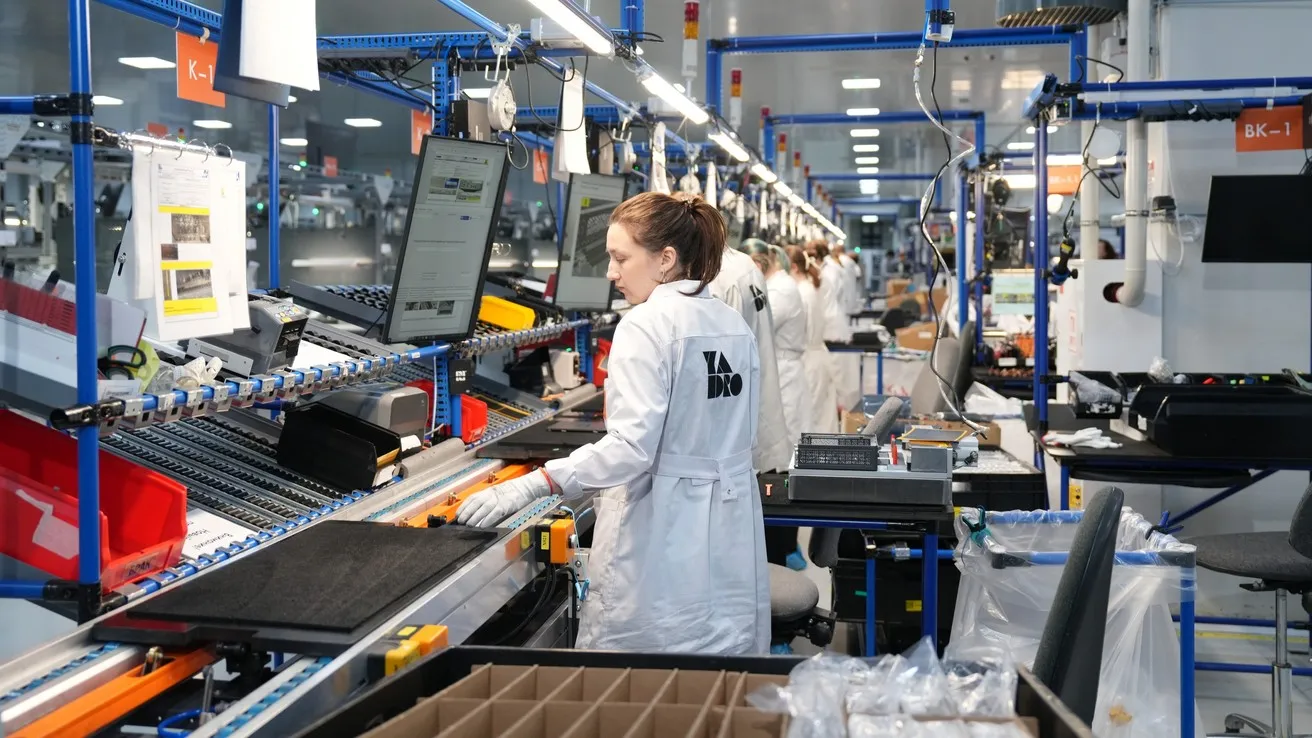
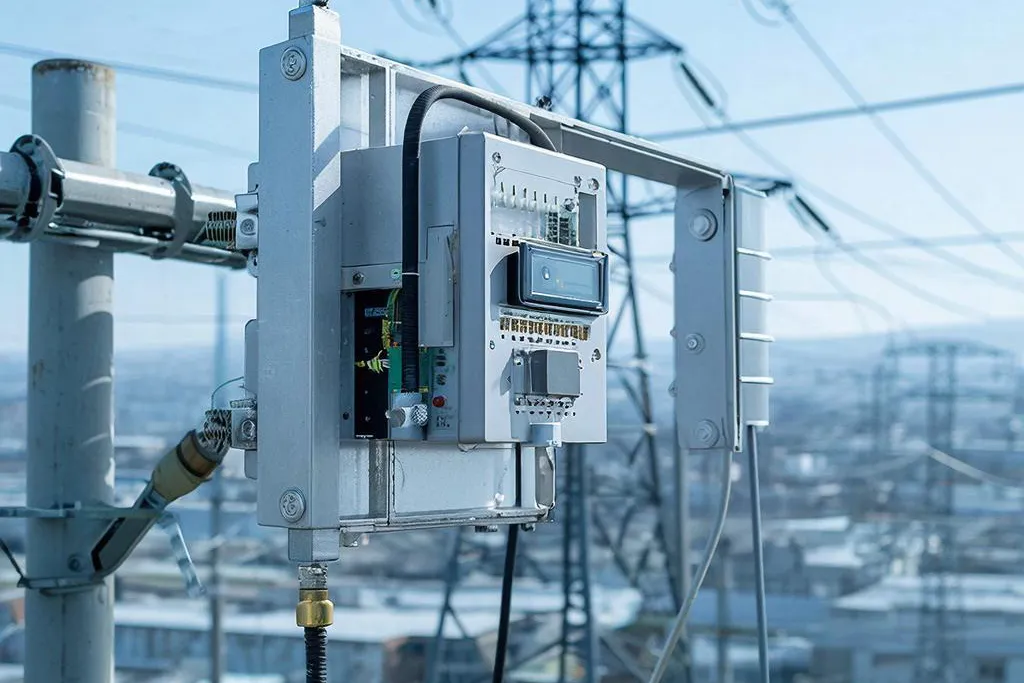
Russia has launched its first mass production of core equipment for mobile communications and internet access – carrier-grade base stations. The opening of a production line at Yadro’s plant in Dubna marks a significant step toward technological sovereignty and the build-out of a resilient national digital infrastructure.
Record timelines
The new production line is expected to equip Russian telecom networks with modern, domestically made hardware. Under the national “Data Economy” program, 75,000 base stations are to be installed nationwide by 2030. Yadro plans to supply up to 75% of that total, delivering 55,000 units to leading operators. The first 3,000 stations are scheduled for delivery to Beeline, MegaFon, and T2 by the end of 2025.
The full cycle – from development to mass production – took just three years. Previously, the fastest rollout of comparable modern telecom equipment had been achieved in China, where the process took a decade.
From dense cities to remote regions
The base stations were designed to meet roughly 6,000 technical requirements specified by telecom operators.
The new base stations support modern LTE standards and are ready for an upgrade to 5G via software updates. They are designed to operate in a wide range of conditions, from dense urban environments to remote territories.
The Dubna facility is the largest full-cycle telecom manufacturing plant in Eastern Europe, handling every stage from printed circuit board production to automated testing of finished products. The project strengthens Russia’s position as a global telecom equipment producer and lays the groundwork for stable network development without reliance on foreign suppliers.