Digital Energy for the Arctic: Hybrid Microgrids Transform Power Supply in Yakutia
RusHydro has commissioned two automated hybrid power complexes (AHPCs) in Yakutia. Generation is managed by a dedicated intelligent control system.
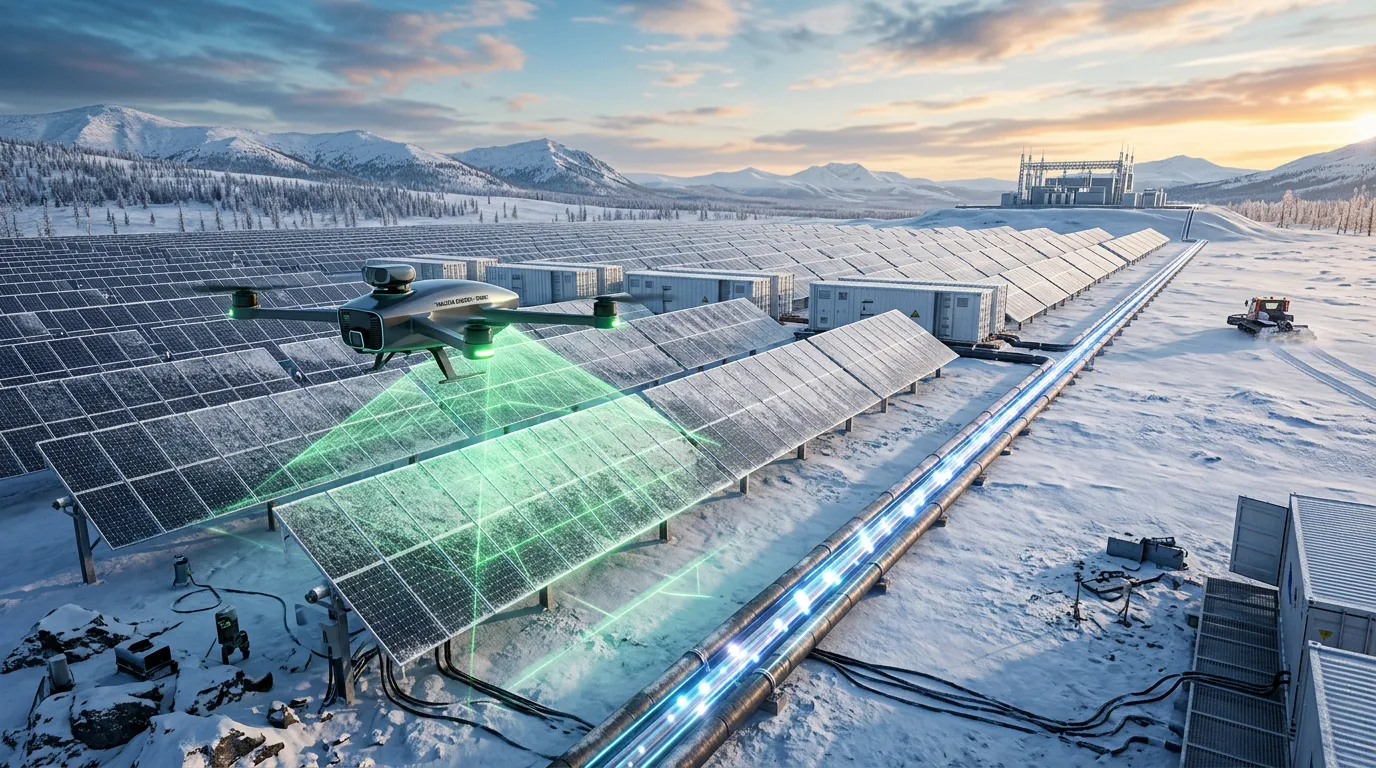
PJSC RusHydro has officially commissioned two AHPCs in the urban-type settlements of Sangar and Ust-Kuyga in the Republic of Sakha (Yakutia). Both projects were implemented by Hevel Energoservice, while the power complexes are operated by RusHydro subsidiary Sakhaenergo JSC.
In Sangar, solar generation capacity is 2,000 kW and the energy storage system has a capacity of 1,000 kW. Total installed capacity is 9,300 kW. In Ust-Kuyga, the solar installation can generate up to 1,000 kW, while the storage system has a capacity of 500 kW. Total installed capacity is 3,620 kW. Diesel generators supply the remaining power at both AHPCs. The two AHPCs have a combined capacity of 12,920 kW. Solar generation is expected to save up to 1,500 metric tons of diesel fuel annually, equivalent to about 34% of current consumption.
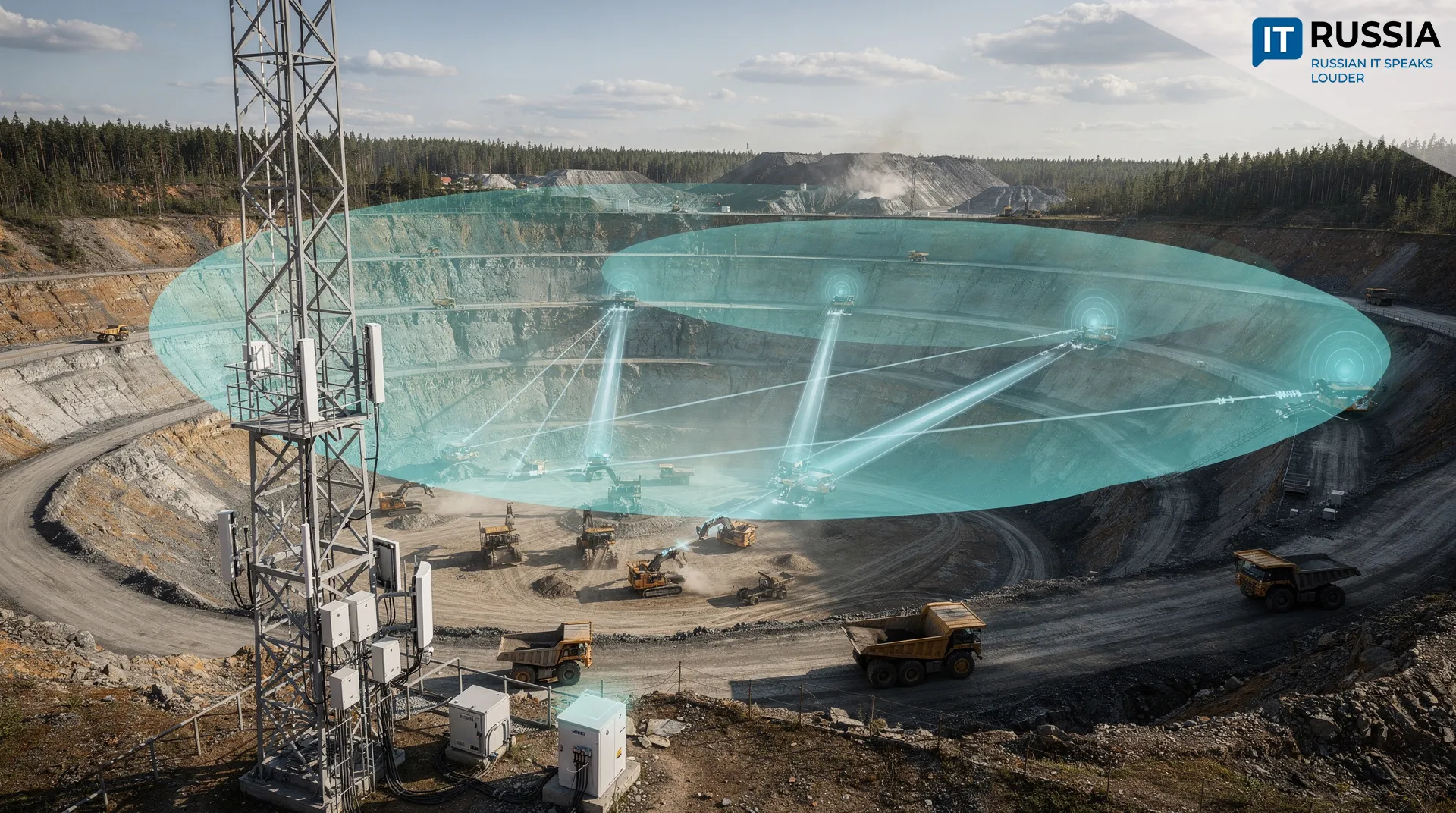
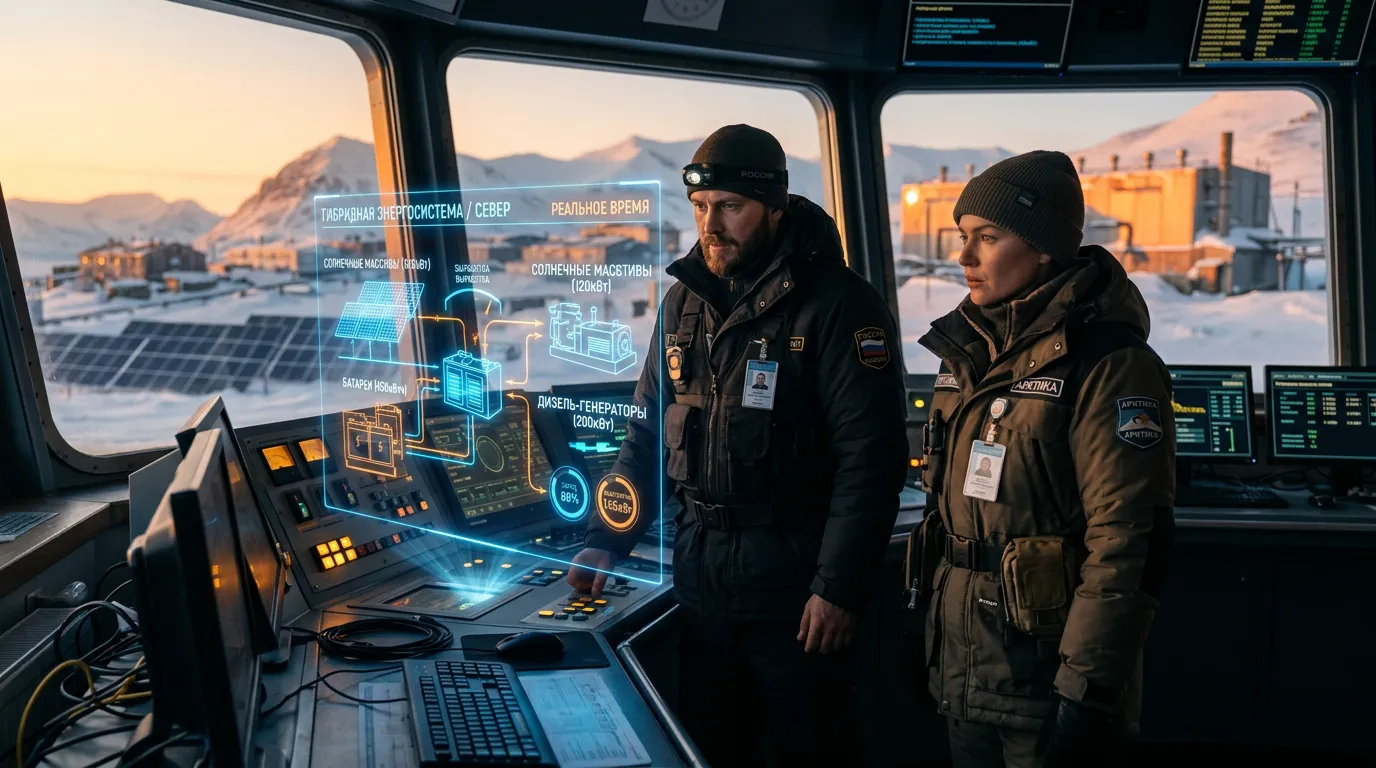
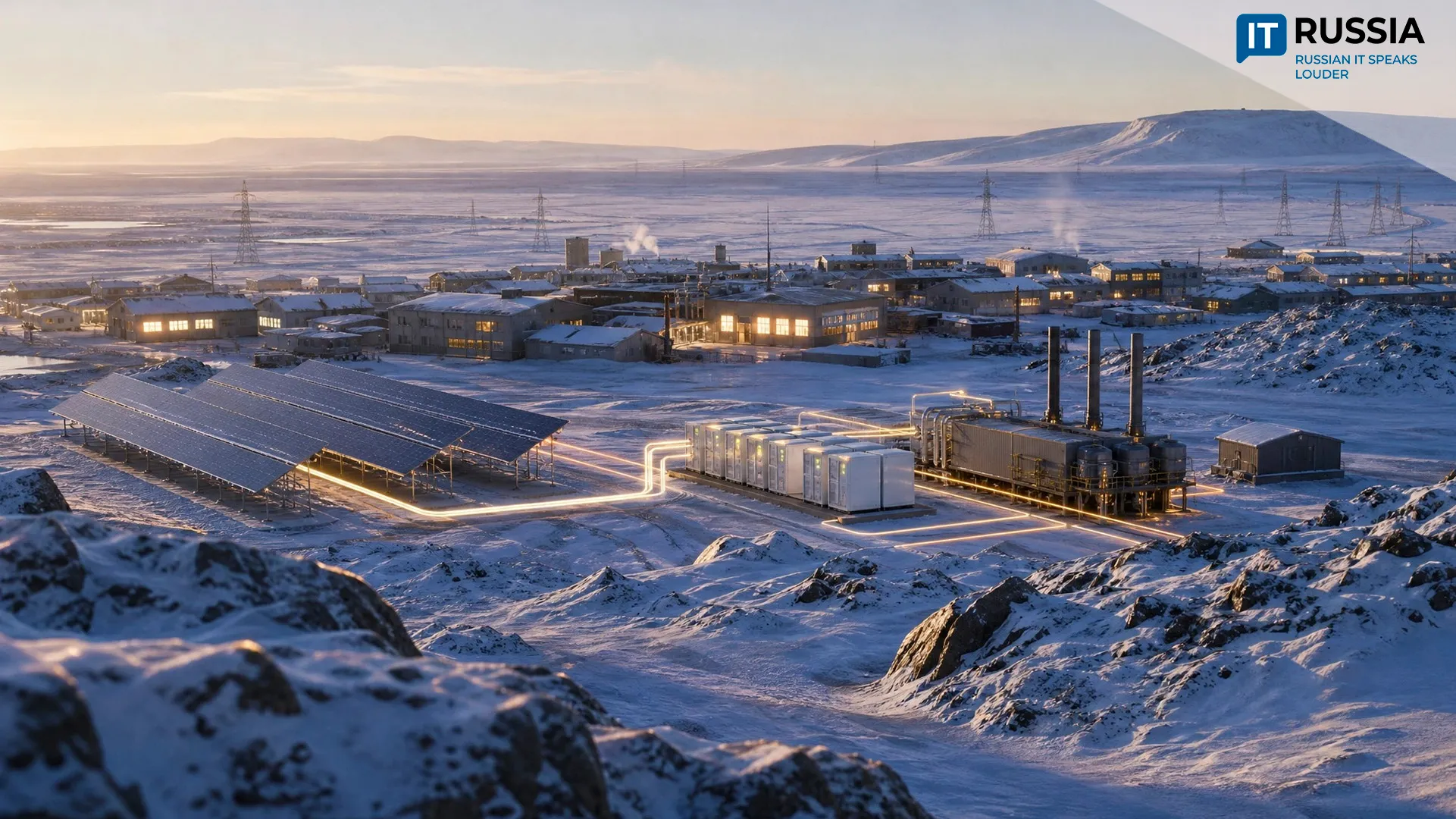
The AHPCs are built around modular units that combine diesel generators, solar panels and energy storage systems. An intelligent control system manages the complex, distributing the load among power sources in real time. Virtual synchronous machine technology allows the inverters to maintain the required grid frequency and voltage when solar output is sufficient. In certain operating modes, the AHPCs can also run without a diesel generator switched on.
The new AHPCs are extremely important for both Sangar and Ust-Kuyga. Sangar is the administrative center of its district, while Ust-Kuyga is a logistics hub supporting the development of the Kyuchus mineral deposit cluster. The power complexes have improved the reliability of electricity supplies, delivering a substantial benefit to both residents and industrial facilities. Notably, Ust-Kuyga lies north of the Arctic Circle and is officially included in Russia’s Arctic territories.
Scaling Up Across Russia and Building an Export Base
The commissioning of the two AHPCs completes the first stage of Yakutia’s diesel-generation modernization program and launches its second stage, which runs through 2029. The program calls for the construction and modernization of 59 facilities. For a republic with a highly decentralized power-generation system, this effort is particularly significant.
The greatest potential for similar projects lies in the domestic market. AHPC construction is particularly relevant for remote, isolated areas, especially in Russia’s Far North. The project economics have already been proven. They are based on energy service contracts: Hevel Energoservice acts as the investor, while the project pays for itself through savings on diesel fuel.
At the same time, Russian autonomous-generation technologies already have significant export potential. Hevel Group supplies its equipment to the CIS, Southeast Asia and South Africa. Over time, the focus is expected to shift away from individual components toward integrated solutions that combine hardware with digital control systems.
Five Years of Autonomous Power Generation
RusHydro commissioned its first AHPC in Yakutia in the village of Ulakhan-Kyuel. The facility has a capacity of 1.1 MW, while its hybrid configuration reduced diesel fuel consumption by up to 30%. In 2022, five more complexes with a combined capacity of 8.5 MW were commissioned in the Verkhoyansk and Momsky districts. Six additional AHPCs came online in Yakutia in 2023, and in 2024 the company began building complexes in Kamchatka. Five facilities with a combined capacity of 5.4 MW were subsequently commissioned there. Over five years, autonomous power generation has evolved from pilot projects into industrial installations that now serve as the primary electricity sources for major remote communities.
Software Becomes Part of the Energy Infrastructure
The new AHPCs are more than combinations of diesel generators and solar panels. Digital control algorithms play the central role. The software sets the required generation parameters, rapidly adjusting the output of renewable sources, the storage system and the diesel unit so that end users experience no disruptions.
For Russia’s IT industry, further AHPC deployment will create demand for new controllers and more advanced control algorithms. With dozens of new facilities planned, the technology could evolve into a standardized platform for the Arctic and Far East. Its demonstrated ability to operate in harsh conditions could also serve as a reliability benchmark for potential international customers.