Simferopol Traffic Lights Are Set to Think
Over the next two years, Crimea’s capital will become a test bed for an intelligent transportation system (ITS) capable of analyzing traffic conditions in real time and adjusting signal timing to actual street demand.
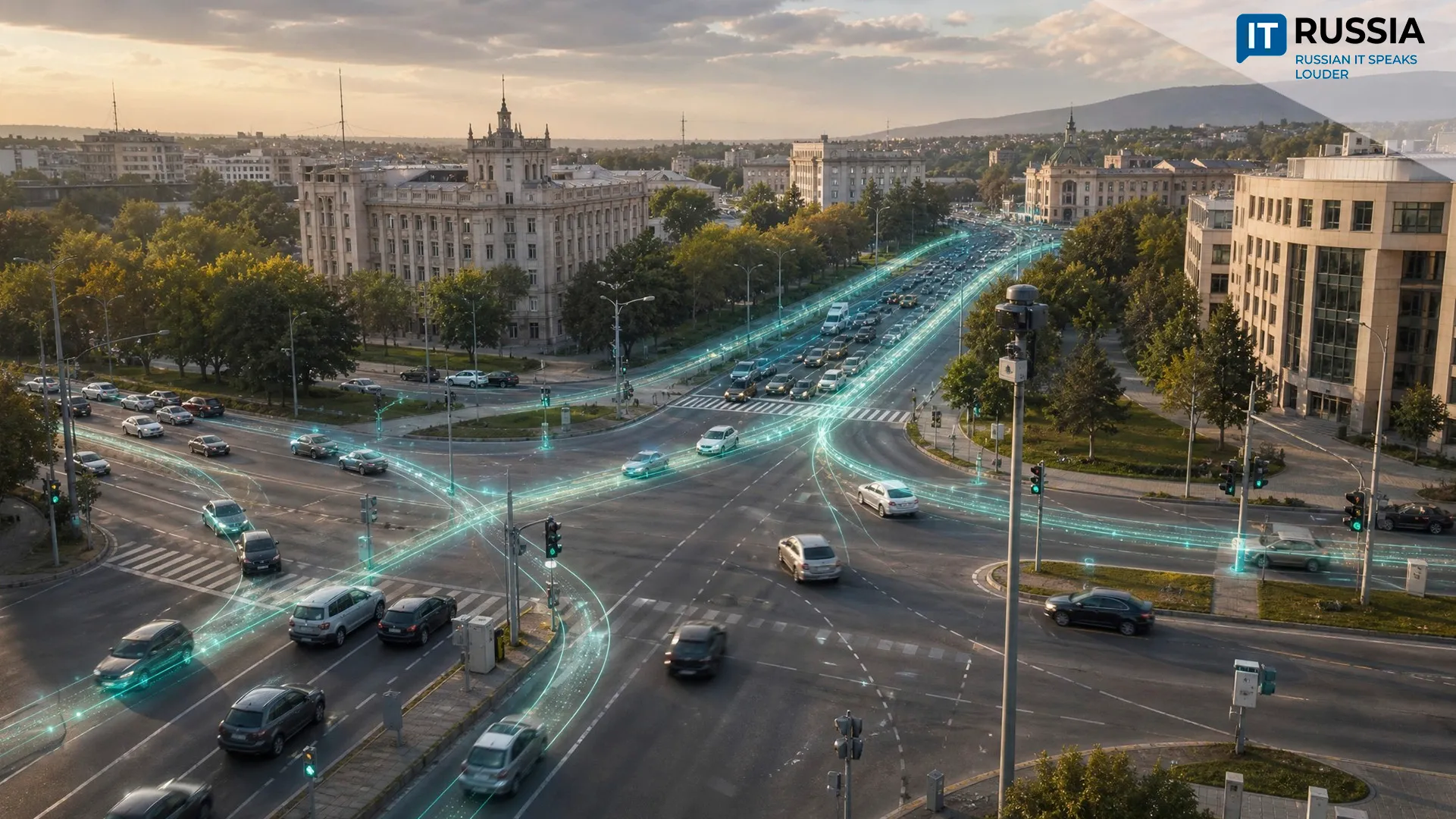
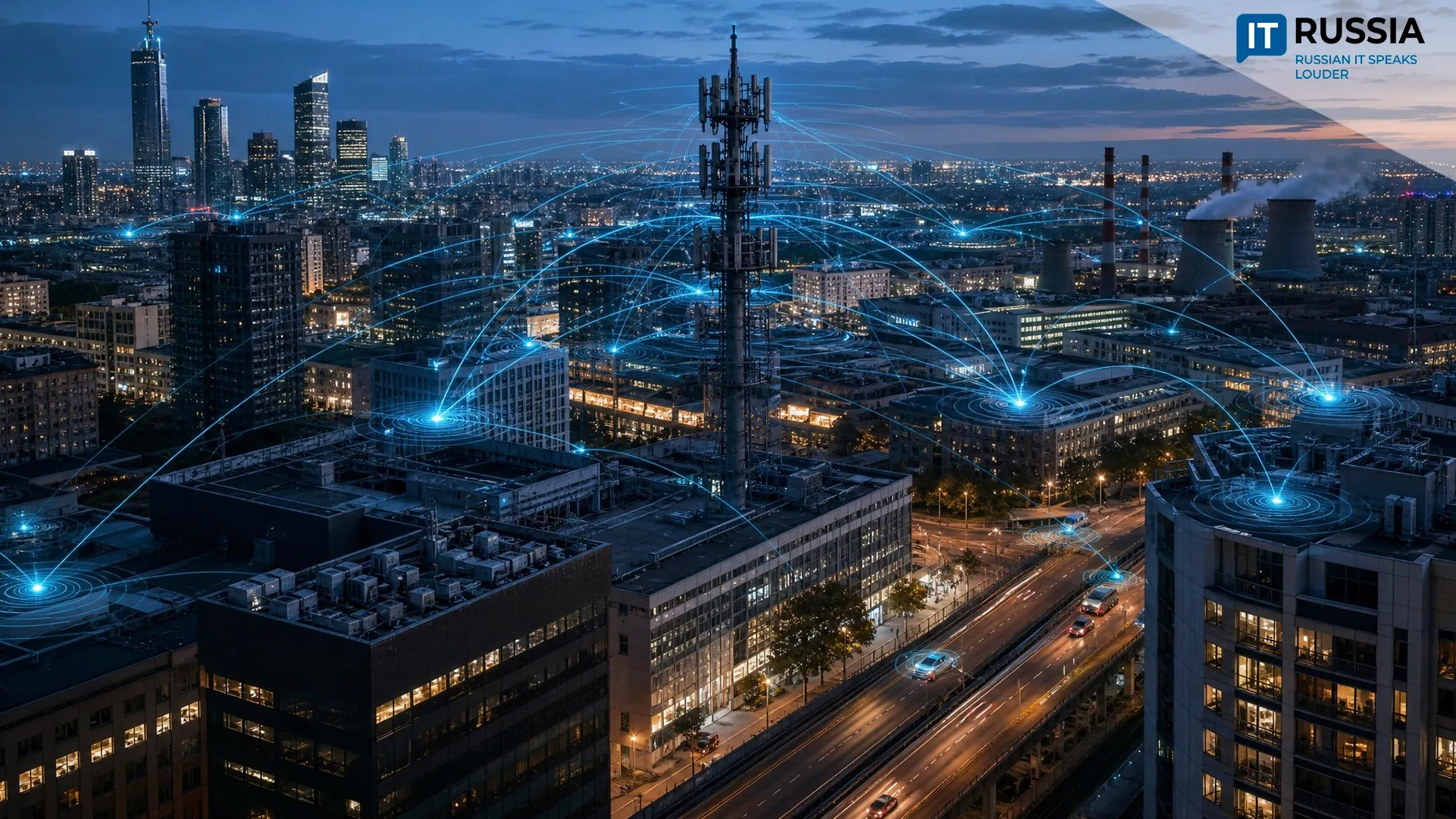
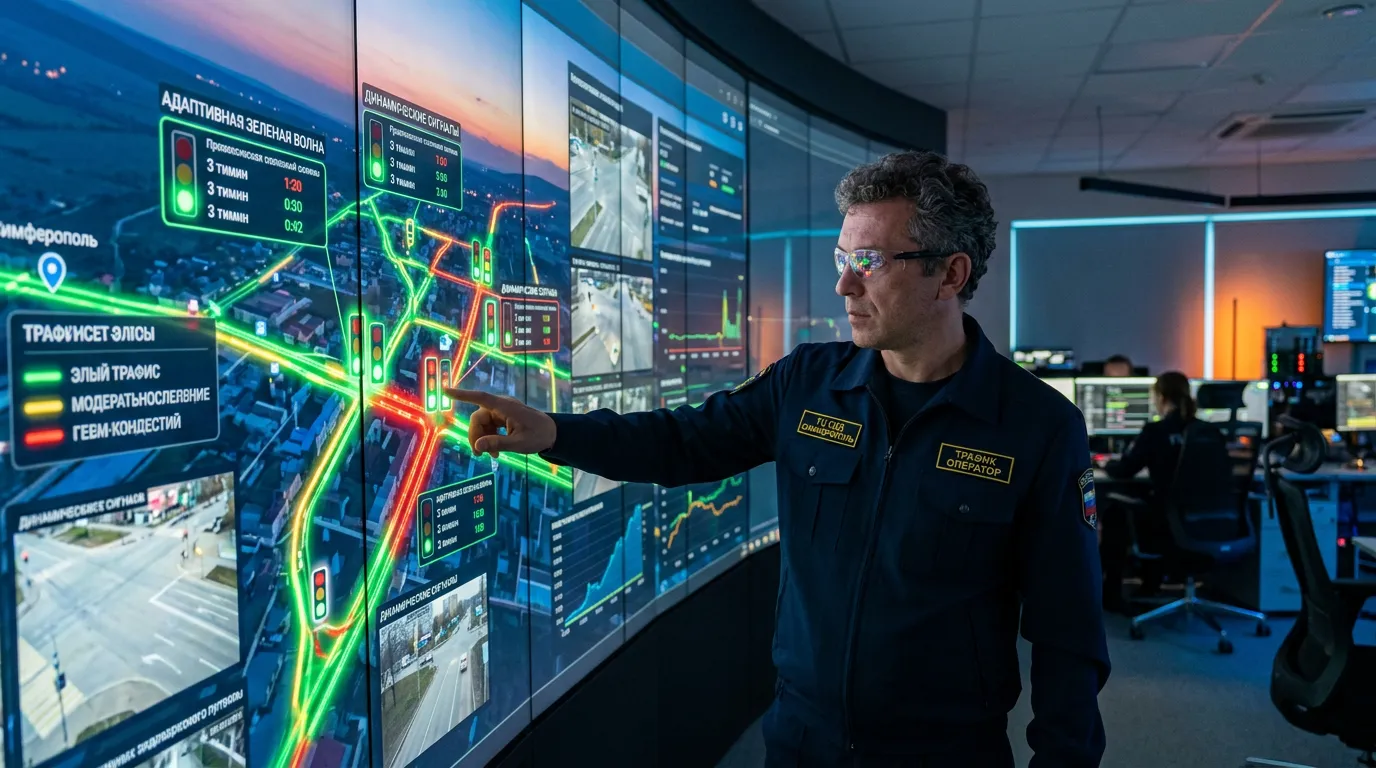
The planned changes will move the city away from static traffic-light schedules that remain standard in most Russian cities. Instead, intersections across Simferopol will be equipped with specialized sensors and smart loops that track traffic volumes. The data will flow to server infrastructure for processing, while dedicated algorithms determine the optimal signal phase length for each direction.
The project will create a distributed network of roadside sensors that feed information to a central analytics center. The system will be able to automatically extend a green light for an overloaded direction during peak hours or quickly adjust signal timing after an accident, making traffic management more flexible and responsive. While adaptive traffic-management technologies are advancing rapidly, artificial intelligence is not a defining element of the proposed system. Rather, the project relies primarily on established algorithmic models.
The Simferopol project is part of Russia’s nationwide transportation digitalization program. According to Russia’s Ministry of Transport, the Republic of Crimea will join the ITS development program in 2026, with deployment beginning in the Simferopol metropolitan area.
Development Outlook
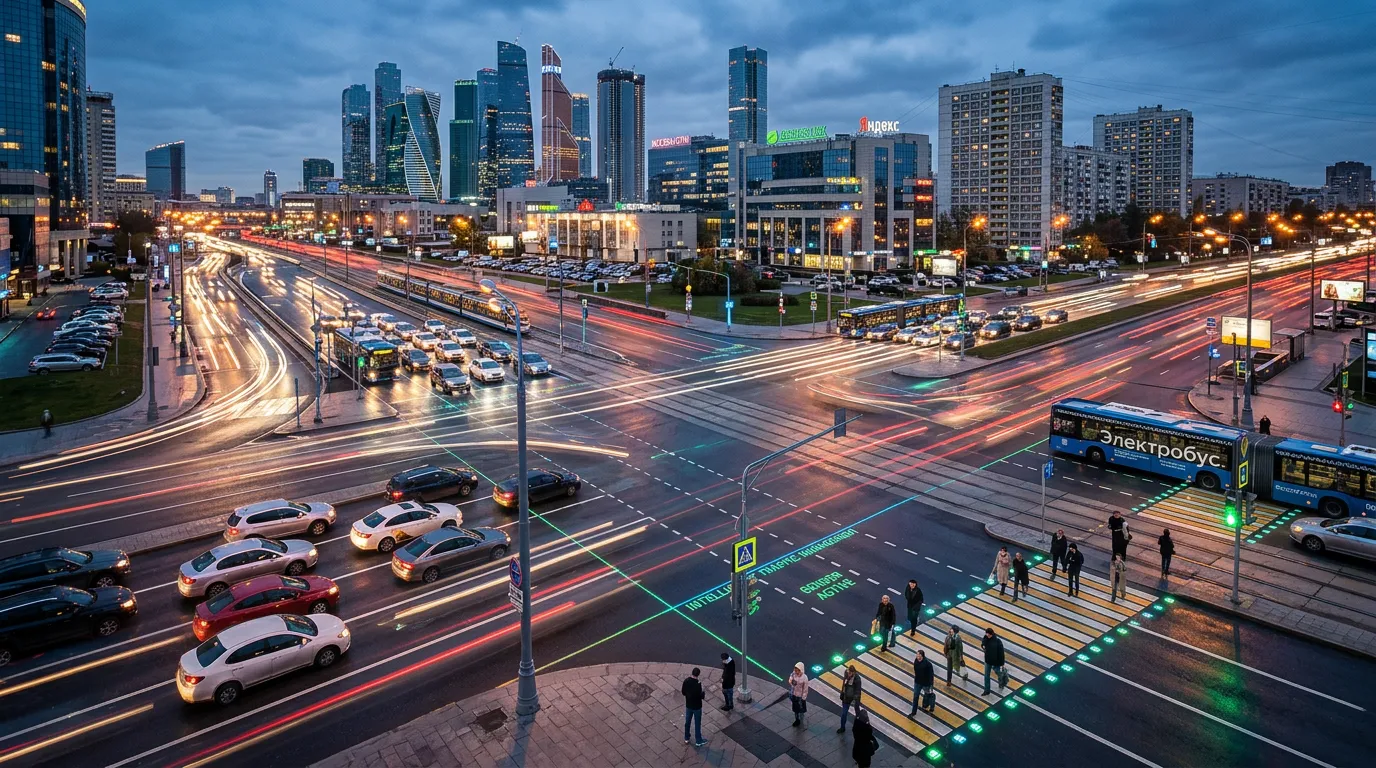
The main opportunity is to scale the system across Crimea. Starting with digital infrastructure that includes traffic detectors, roadside controllers and a management platform, the city will gradually move toward coordinating entire groups of intersections, creating green waves and giving priority to public transportation.
Experience from other regions shows that such systems can deliver measurable results. For example, after adaptive traffic management was introduced on sections of the Belgorod metropolitan area road network, traffic speeds increased by up to 19%, while travel times fell by as much as 46%.
Russian ITS expertise also has export potential, particularly in the Commonwealth of Independent States. In 2024, a Russian IT company took part in developing an automated traffic-management system in Bishkek. The first phase covered more than 20 intersections, with plans to expand the system to a hundred sites.
Steps Along the Way
Russia’s modern push to deploy intelligent transportation systems began in 2022, when the government allocated 7.35 billion rubles ($84.9 million) for ITS development in 42 regions. The program included smart traffic lights, transportation navigation systems and electronic information displays.
By 2024, the technology had become widely deployed, with ITS operating in 62 metropolitan areas. In Ulan-Ude, for example, 77 smart traffic lights and 133 cameras were already connected through a data-processing center. In Penza, meanwhile, adaptive signal control at congested intersections helped raise the average speed of public transportation to the target 23 km/h.
Against that backdrop, bringing Simferopol into the program looks less like a technology experiment than the next step in scaling a model that has already been tested and shown results.
From Static to Dynamic
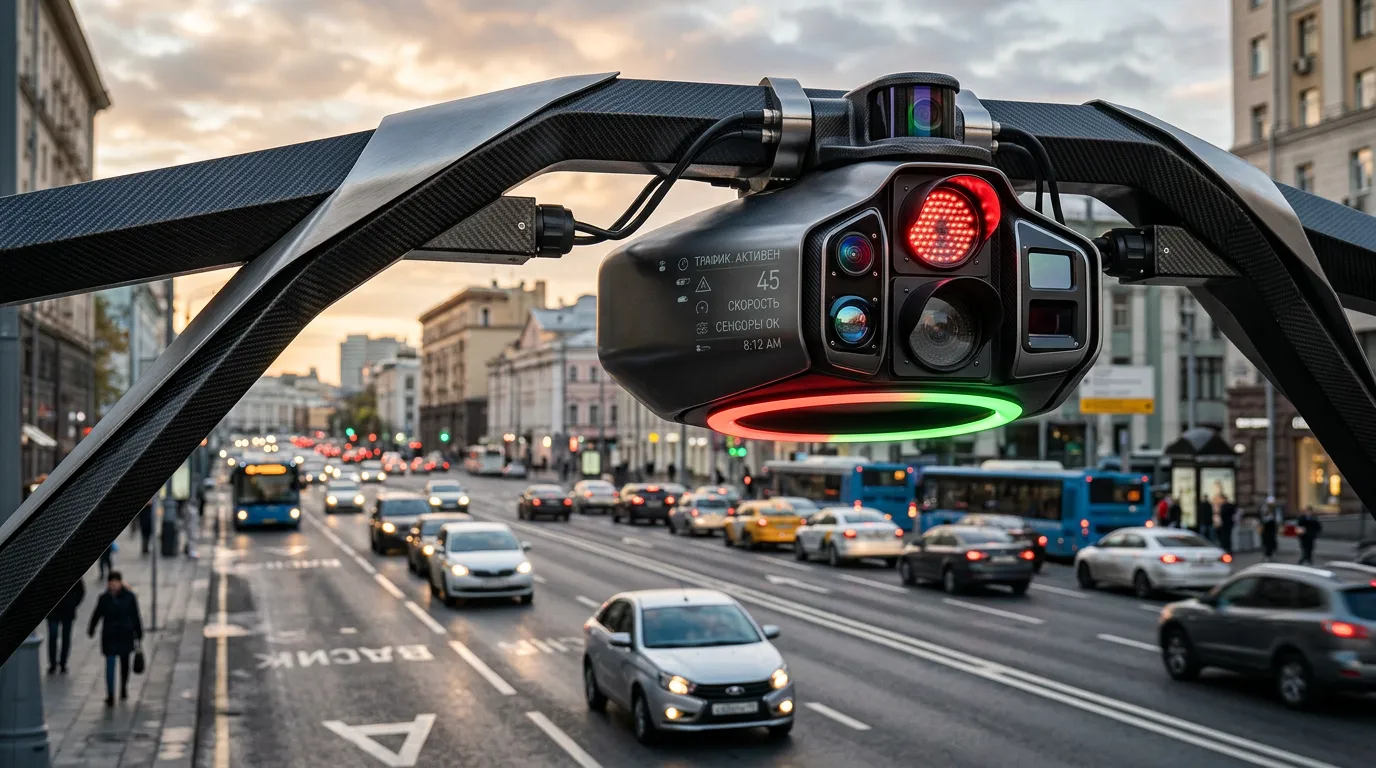
The Simferopol project is about more than replacing traffic lights. It is the creation of a new digital infrastructure for managing the city. The key change is a continuous data loop that collects, processes and uses information about traffic conditions.
Over the next two years, the most likely path is a phased rollout: installing sensors and server infrastructure, connecting traffic lights, accumulating data, tuning adaptive algorithms and ultimately linking individual intersections into a single managed network. If the system reduces delays and increases road capacity, the Simferopol project could become the foundation for expanding digital traffic management across Crimea, helping position the peninsula as not only a tourism destination but also a technology hub in southern Russia.