Smartphone Instead of a Spectrophotometer: How Russian Chemistry Is Going Digital
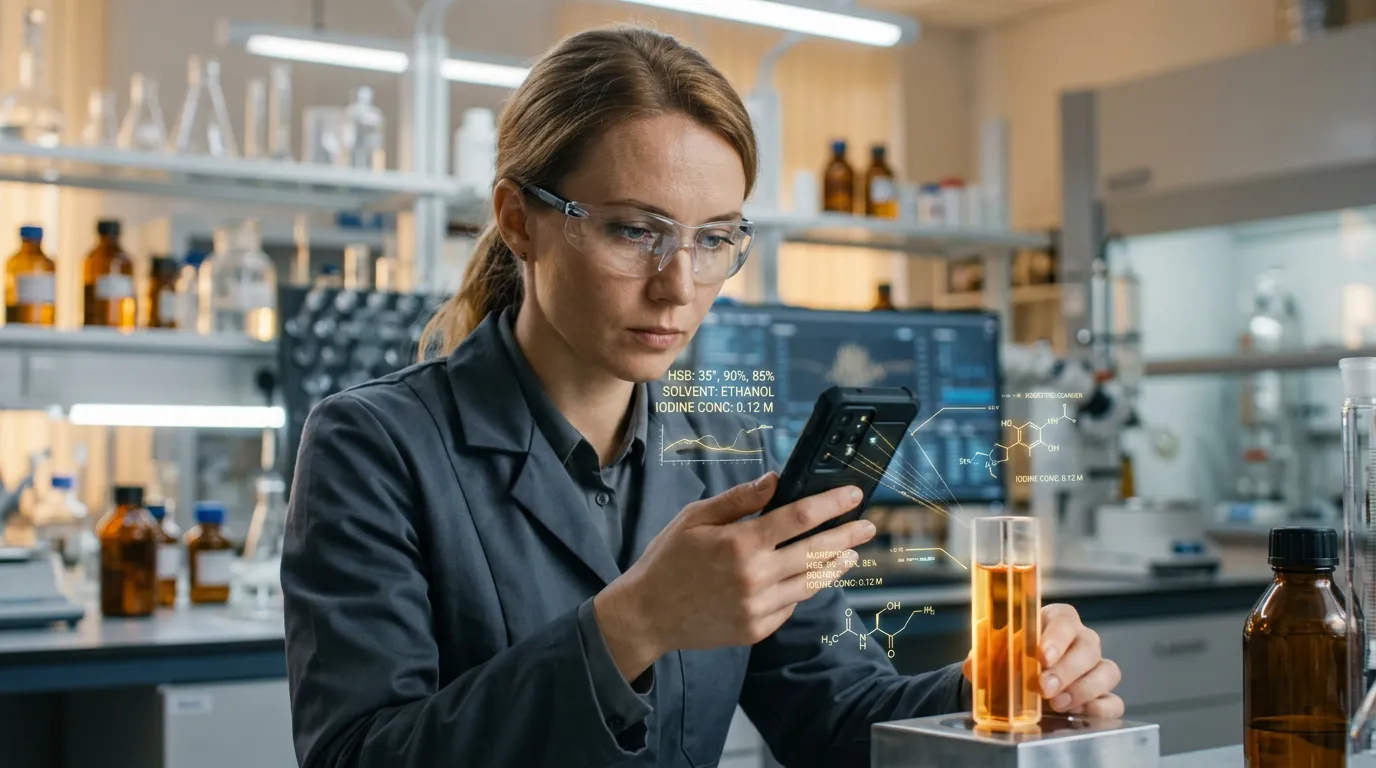
Russian scientists at the N. D. Zelinsky Institute of Organic Chemistry of the Russian Academy of Sciences have proposed evaluating the properties of organic solvents by tracking changes in the color of an iodine solution. Instead of specialized spectrophotometric equipment, they propose analyzing the color of the iodine solution from an ordinary digital photograph, including one taken with a smartphone camera.
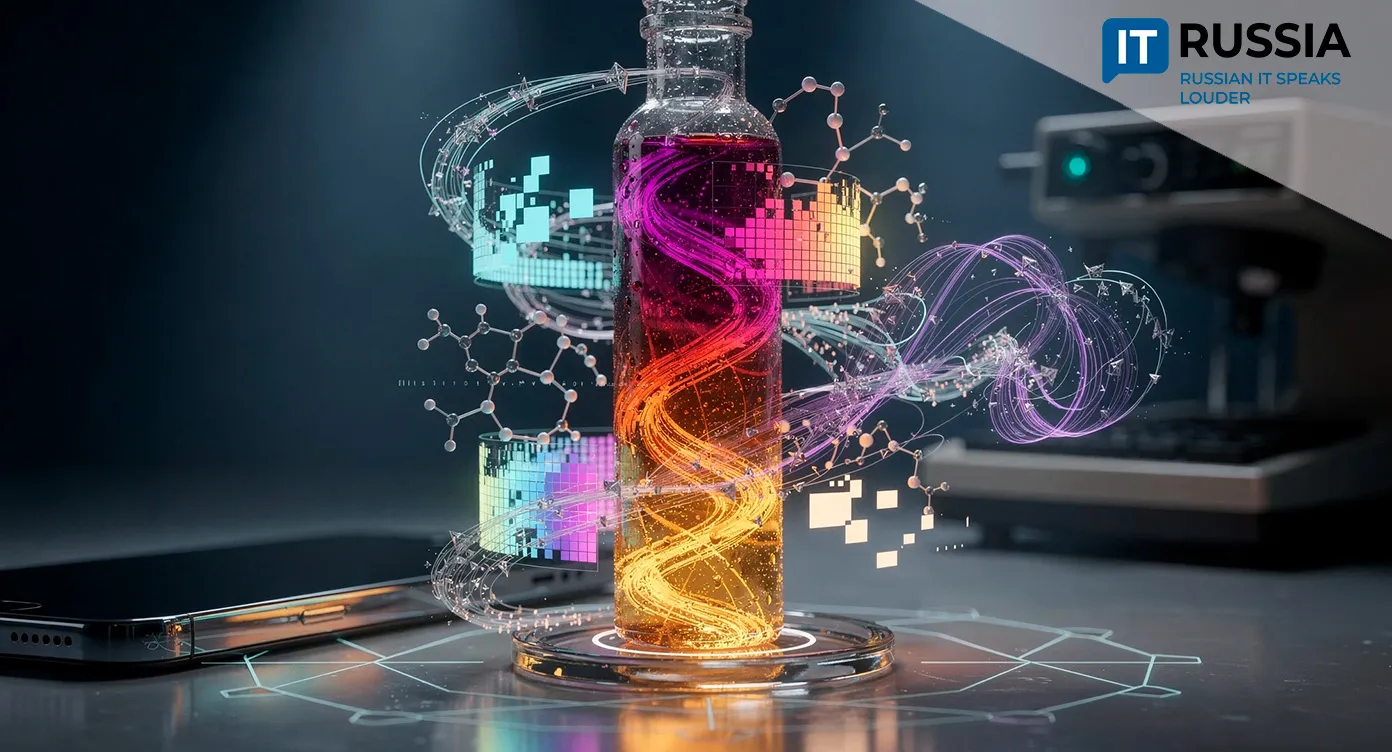
The new approach developed by Russian chemists could reduce the need for bulky spectrophotometers and laboratories requiring multimillion-dollar budgets. Scientists at the N. D. Zelinsky Institute of Organic Chemistry have learned to evaluate complex physicochemical properties of solvents using an ordinary photograph of an iodine solution taken with a smartphone camera.
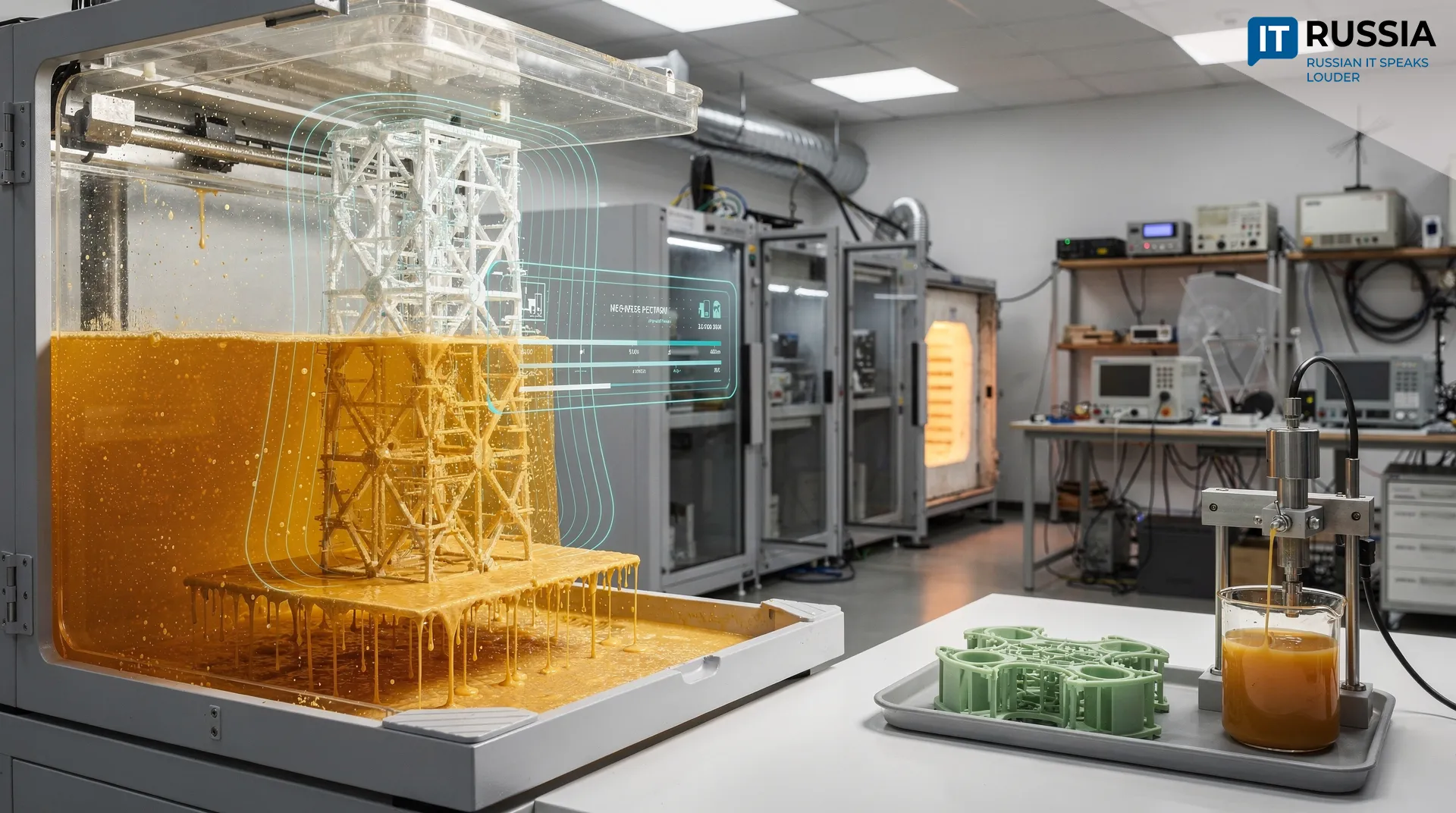
We know that iodine forms a characteristically blue complex when it interacts with starch. But iodine can also form colored complexes with many other organic compounds. This property was first observed as early as the 19th century. Researchers also found at the time that the color of iodine solutions depends on the nature of the solvent: in nonpolar media, they are typically purple, while in more polar environments they appear orange or yellow.
The change in the color of the same substance depending on the properties of the solvent is known as solvatochromism. The phenomenon can be used to assess characteristics of the medium, particularly its polarity and solvating ability – parameters that are important when selecting a solvent for a chemical experiment. Special “solvatochromic inks” have been developed for this purpose, but iodine remains an attractive solvatochromic agent because it is inexpensive and easy to use.
Iodine, Pixels and Machine Learning
Assessing a solvent’s solvating ability has traditionally required expensive equipment. Russian chemists have proposed an alternative: photograph the iodine solution and let algorithms handle the rest. Their iSOLV descriptor converts the color captured in an image into rigorous mathematical data using the HSB color model. The iSOLV Calculator software, enhanced with machine-learning methods, links the visual signal to fundamental characteristics of the medium, including donor number, basicity and Kamlet–Taft parameters.
This is more than a simple trick. It is a full-fledged IT bridge between classical chemistry and digital analysis. A smartphone effectively becomes an affordable measuring instrument. For Russian science, which faces an objective shortage of imported analytical equipment, that could be a major advantage. The method is not intended to replace precise industrial analysis, but it could be particularly useful for rapid assessments, student laboratories and routine solvent selection.
A Global Trend – The Laboratory in Your Pocket
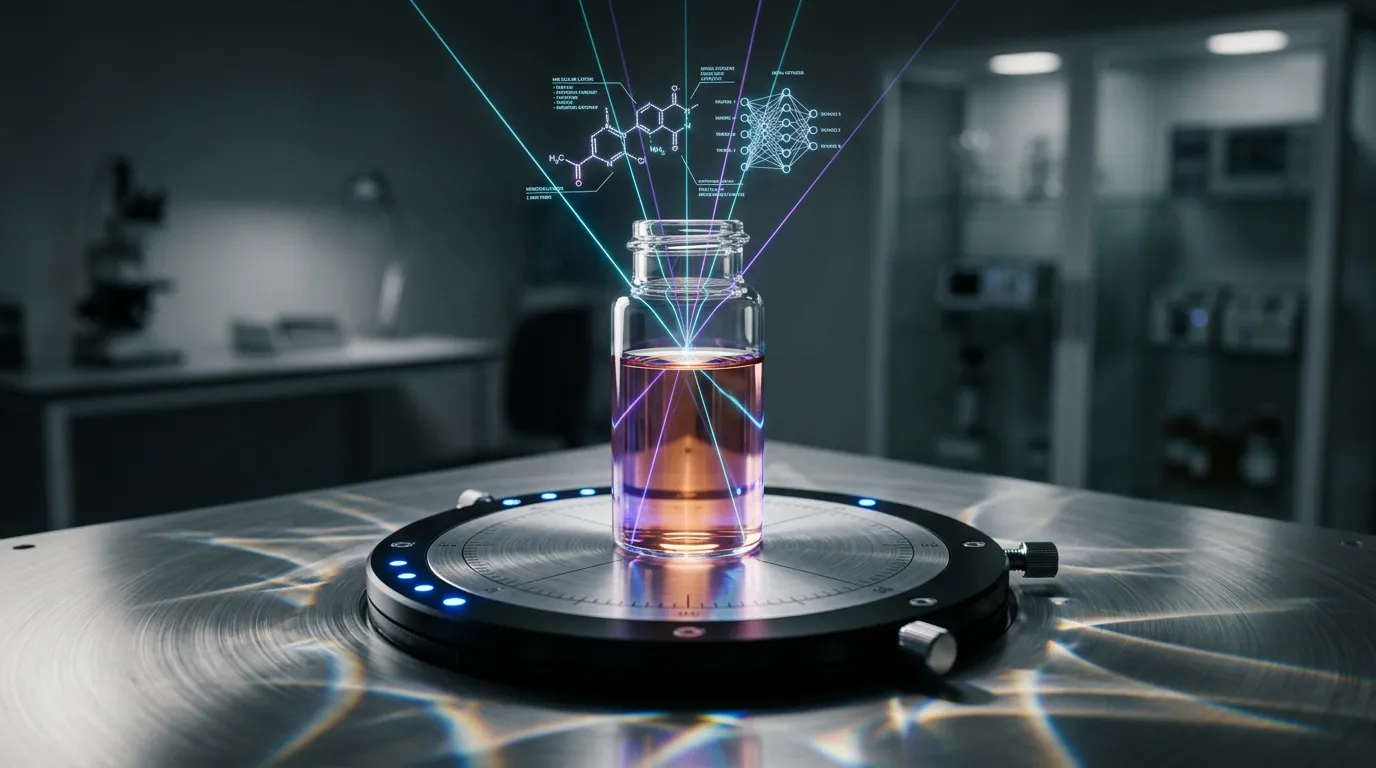
We are now seeing a major shift in the paradigm of scientific research: hardware miniaturization is giving way to software-driven analysis.
Russian scientists are actively exploring this frontier. In 2024, chemists at Moscow State University developed a handheld pH analyzer based on a smartphone, while in 2025 researchers from Tomsk Polytechnic University and ITMO University presented colorimetric sensor systems and mobile acidity-monitoring technologies in which neural networks interpret changes in color. The global scientific community is moving in the same direction: in the United States, researchers are already developing pocket-sized Raman spectrometers and highly miniaturized sensors designed for integration into consumer devices. Smartphone-based digital colorimetry is gradually emerging as a field in its own right, reshaping the modern laboratory.
Shadows in the Image: The Standardization Problem
“Pocket chemistry,” however, has its own weak point – the human factor and the physics of light. For the method to become a practical tool rather than a scientific curiosity, researchers will need to solve the problem of standardization. Flash, shadows, white balance and differences between camera sensors can distort the color of iodine. The future of iSOLV and similar methods will depend on strict imaging protocols and calibration algorithms capable of filtering out environmental noise. Only once results can be reproduced with a high degree of consistency will such systems be ready for applications such as food quality control or environmental monitoring.
Digital Infrastructure Instead of Hardware
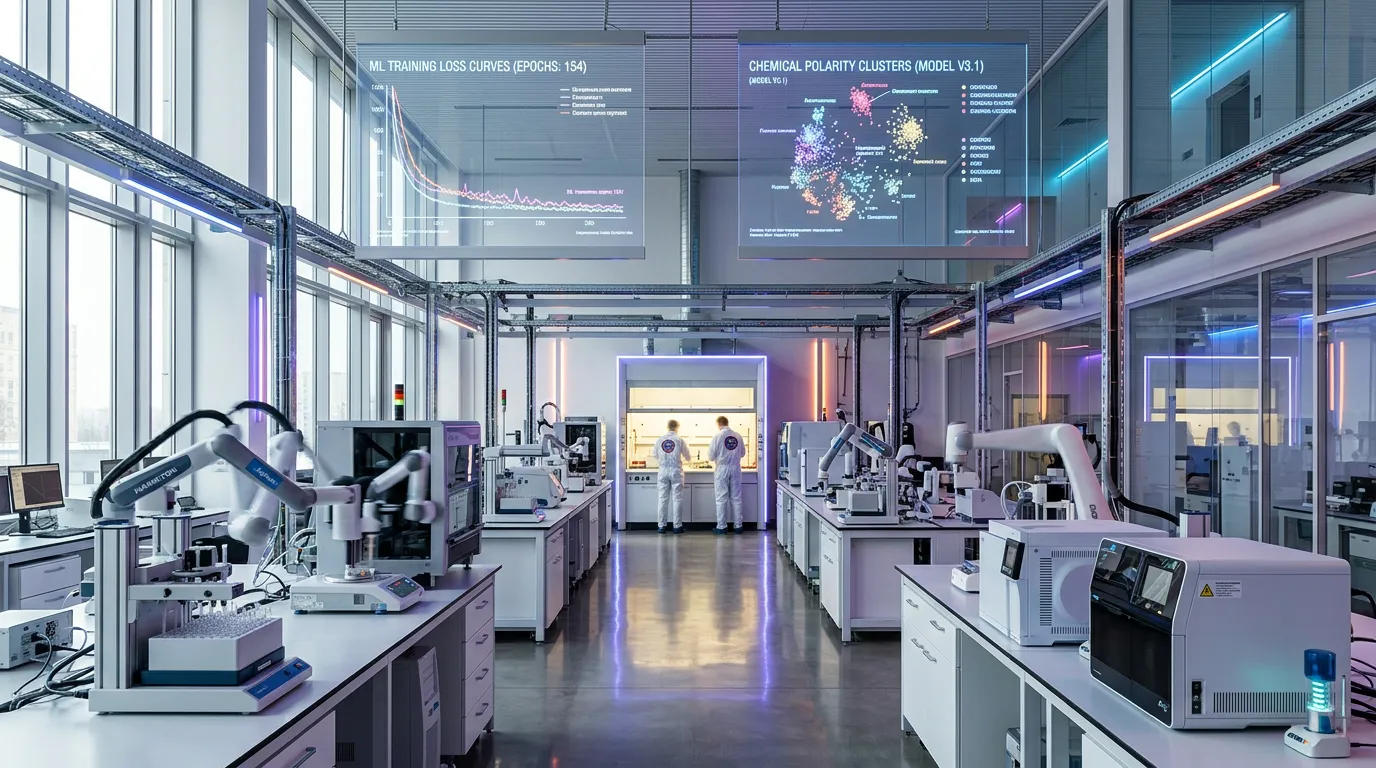
The significance of the work at the Institute of Organic Chemistry extends beyond this specific chemistry problem. It is a striking example of how fundamental physicochemical phenomena can be transformed into digital metrics. In the coming years, we may see individual methods such as iSOLV connected to large-scale databases and predictive machine-learning models capable of forecasting the course of chemical reactions.
The era when serious scientific research depended almost entirely on expensive “hardware” is fading. It is giving way to an era of digital colorimetry and algorithms, in which a researcher’s most powerful tools are not lenses and prisms but neural networks and pixels. Russia is contributing its own approaches to this more accessible model of science, demonstrating how innovation can emerge at the intersection of disciplines such as chemistry and IT.