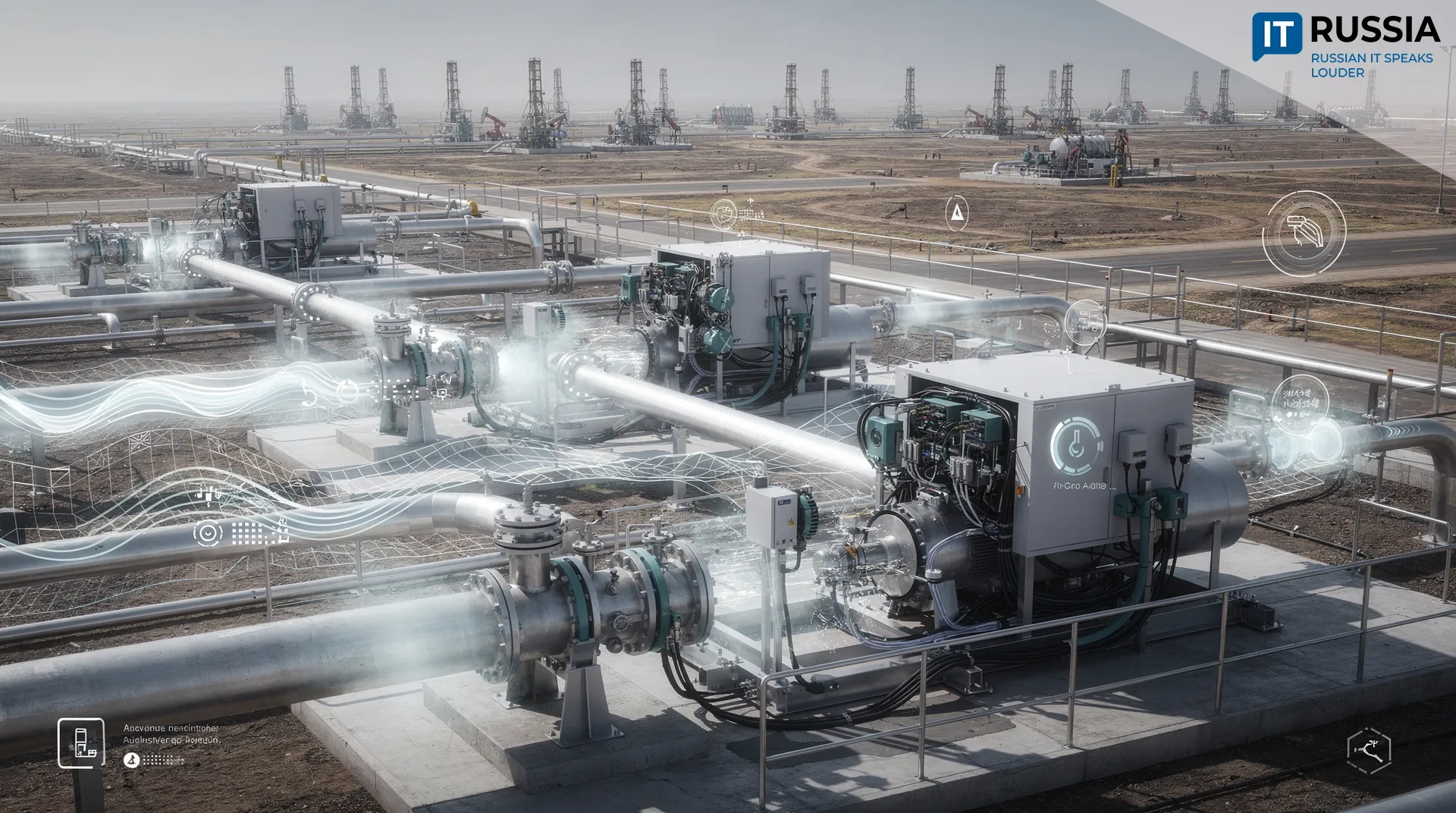
PNRPU Scientists Develop Way to Cut Energy Use and Increase Oil Production
Researchers at Perm National Research Polytechnic University (PNRPU) have developed a rapid method for selecting an energy-efficient operating mode for electric submersible pump (ESP) systems with an accuracy of about 99%.

The method uses just three input parameters: pump speed, daily operating time and required production volume. These inputs can be used to quickly determine expected oil output and power consumption.
The primary goal of the development is to help engineers quickly select the optimal operating mode for an electric submersible pump system while minimizing energy use. The formula produces two key results within seconds: how much oil can be produced and how many kilowatt-hours will be required.
To develop the formula, the researchers ran an extensive mathematical experiment. They tested thousands of scenarios by varying pump speed within a specified range and daily production volumes, from continuous operation to just one hour of operation per day. All calculations were based on real data from producing wells, taking into account fluid properties, reservoir depth and the characteristics of the specific equipment.
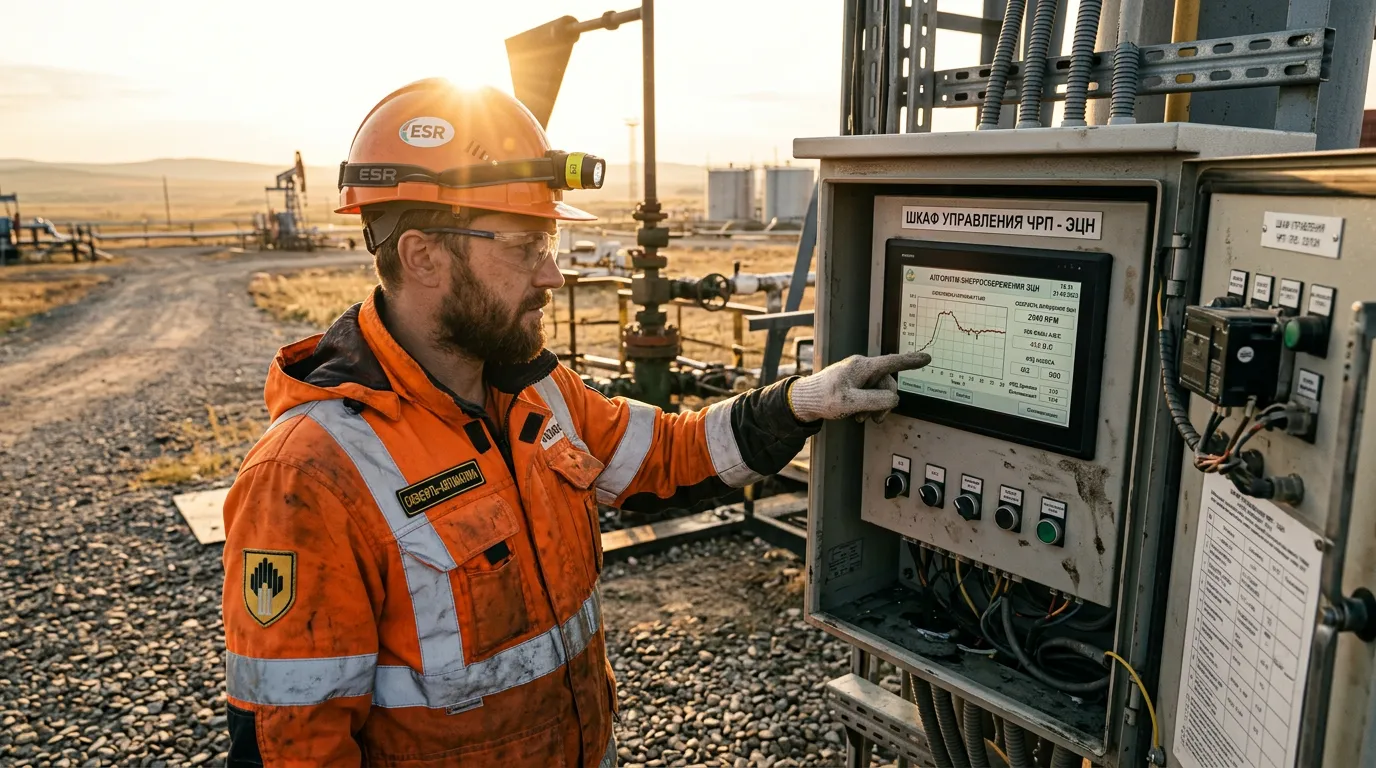
A key strength of the PNRPU development is its simplicity and low computational complexity. Unlike a digital twin, which requires large datasets, significant computing resources and complex software, the rapid method could potentially run directly on an industrial controller, opening the way for large-scale deployment.
The accuracy figures are based on comparisons with detailed computer modeling that simulates all the complex physical processes inside the system. Crucially, the method does not sacrifice speed for accuracy. That is especially valuable given the conditions in the field. Previously, ESP systems were configured manually or with complex software. While engineers worked through dozens of parameters, actual well conditions could change. The Perm researchers’ method, however, can identify the optimal option within seconds.
Why It Matters
The technology could potentially reduce the energy costs of oil production from mature and low-productivity wells, which account for roughly 60% to 70% of Russia’s total well stock. ESP systems dominate artificial-lift operations in this category. Suboptimal settings can result in power losses of up to 50% in these units. Finding a more efficient approach is therefore a pressing industry challenge.
The development could extend the economically viable operating life of aging fields while complementing production automation systems. The ability to integrate the compact algorithm into existing automation infrastructure, including controllers that manage electric drives and dispatching computers, could eventually make it possible to build intelligent control stations for entire well clusters.

Outlook and Real-World Examples
The main development path is to take the method from a mathematical model to an industrial software module. This will require testing across a large population of real wells and integration with process control systems (PCS)/SCADA and ESP control systems. Once that work is complete, equipment operating modes could potentially be adjusted automatically without requiring engineers to perform calculations manually on a continual basis.
A market for this type of technology is already emerging in Russia. In 2026, Gazprom Neft deployed Russian-made digital controllers to manage gas-lift wells at the Orenburg field. The controllers automatically analyze operating parameters and recommend optimal equipment settings. The broader trend is clear: digital analytics is moving directly into field-level automation.
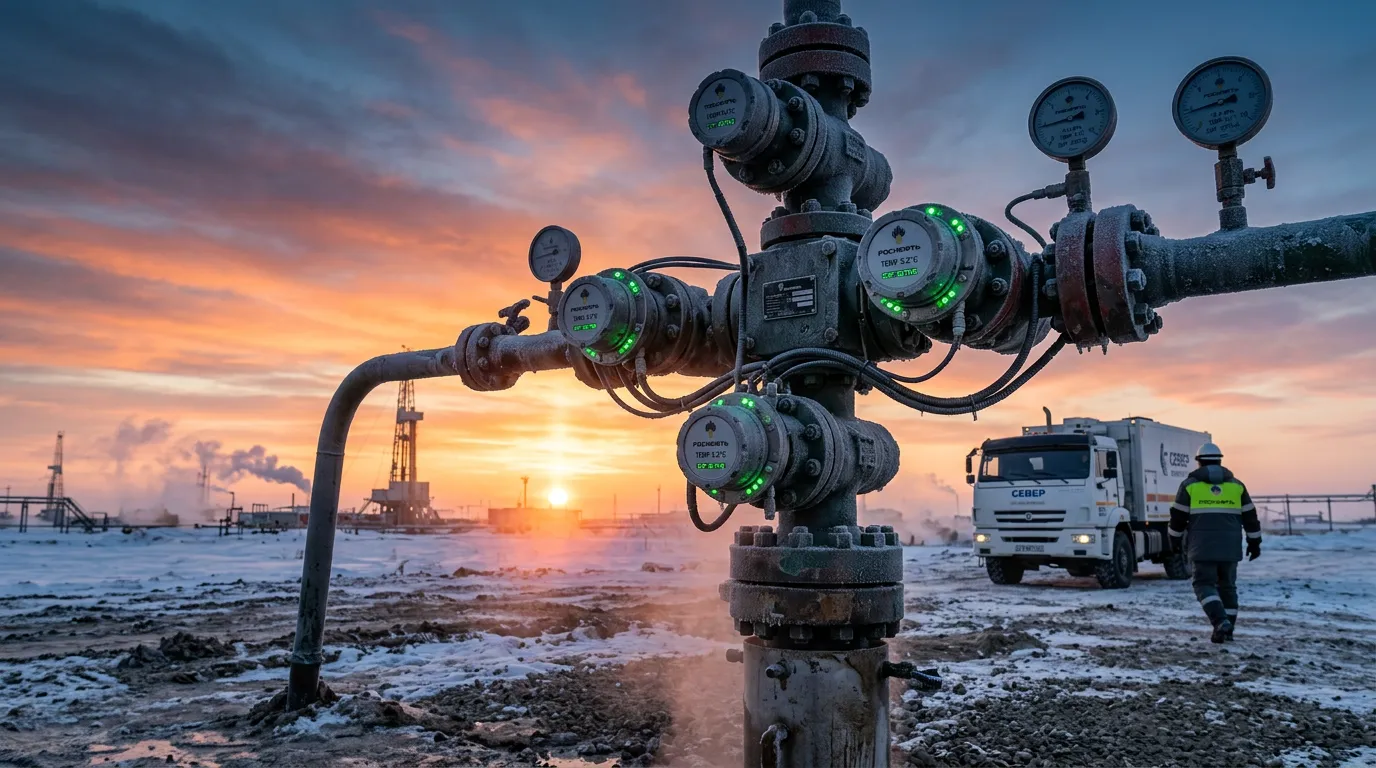
Oil companies already use digital systems to optimize tens of thousands of artificial-lift wells. One of the market leaders actively advancing digitalization on multiple fronts is Rosneft. The company uses its corporate Mekhfond (Mechanical Production Asset) system to process data from more than 50,000 wells. Digital tools have helped reduce specific electricity consumption per unit of produced fluid by 4.9%. Meanwhile, equipment failures fell by 20%, while the mean time between repairs increased by 19%.
It is in mature and low-productivity well populations that energy optimization and predictive diagnostics deliver their greatest benefits. When a well produces relatively little fluid and each kilowatt-hour per ton of output comes at a high cost, every period of downtime cuts into the margin. That makes advanced digital tools one of the key ways to preserve profitability in aging and technically challenging wells.