Digital Transformation of Agriculture Begins in Russia’s Leningrad Region
Monitoring agricultural land, tracking livestock, and controlling invasive weeds will increasingly rely on unmanned aerial vehicles.
Digital Oversight
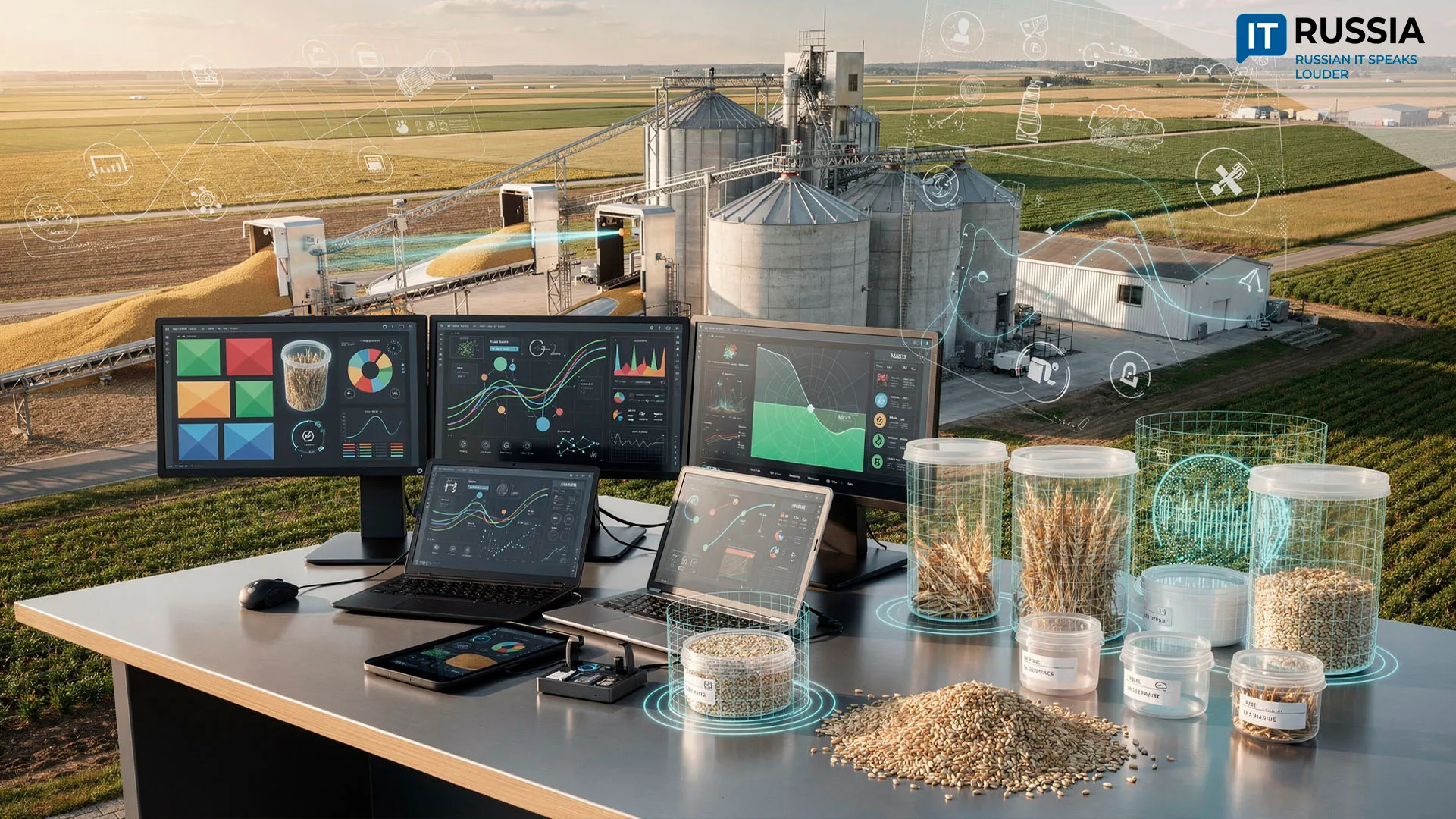
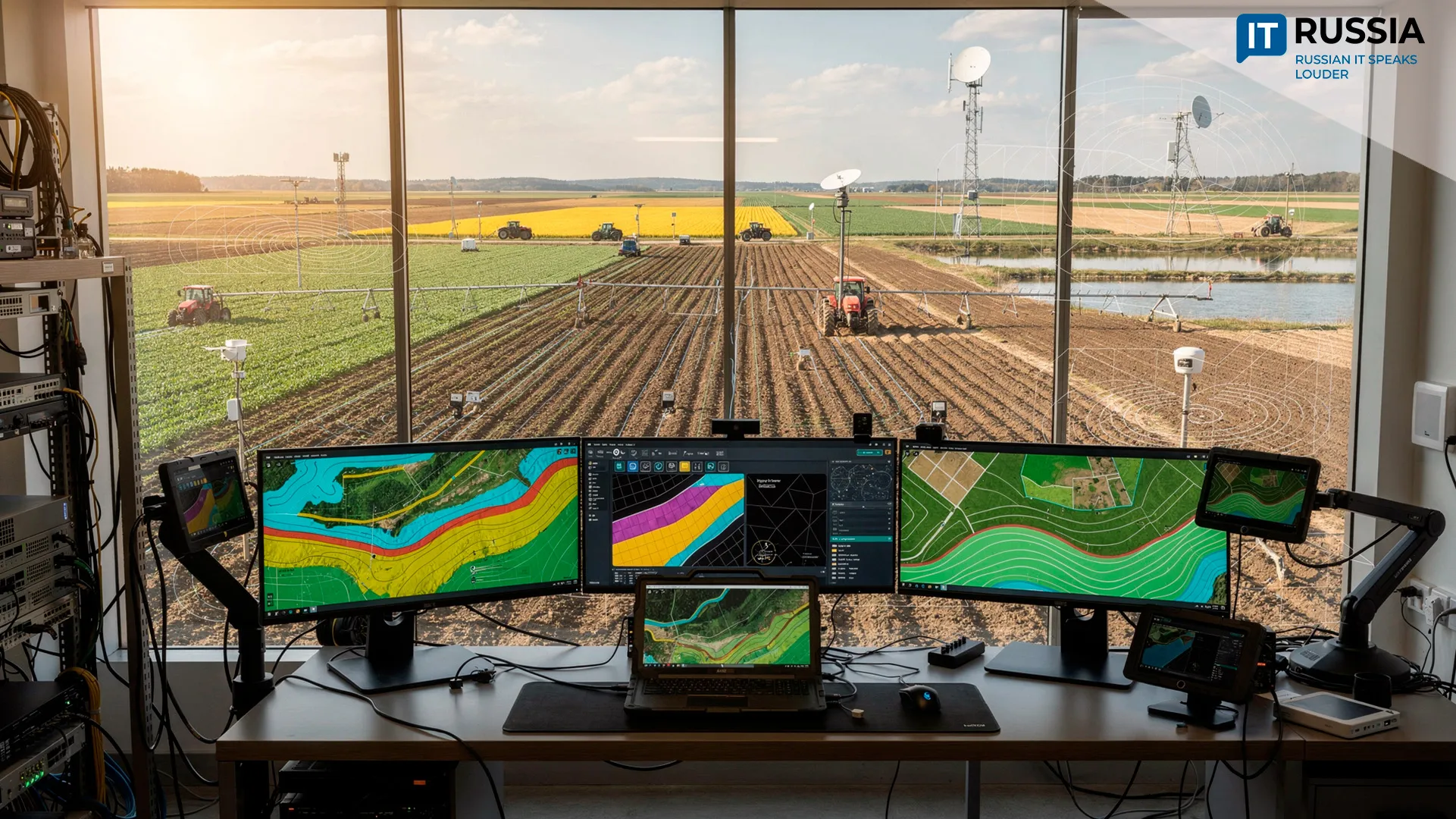
Land use and veterinary oversight in Russia’s Leningrad Region are set to become more effective as the region launches a large-scale digital transformation of agricultural security systems. The governor of the Leningrad Region, Alexander Drozdenko, together with Oleg Emtsev, head of the North-Western Directorate of Russia’s agricultural watchdog Rosselkhoznadzor, reviewed plans for digital development of the agri-food sector and the rollout of advanced technologies.
According to Oleg Emtsev, Rosselkhoznadzor already operates digital platforms capable of analysing processes across the agricultural sector in detail and providing an accurate picture of on-the-ground conditions. The agency is prepared to share this data with the regional government to improve the effectiveness of agricultural development policies.
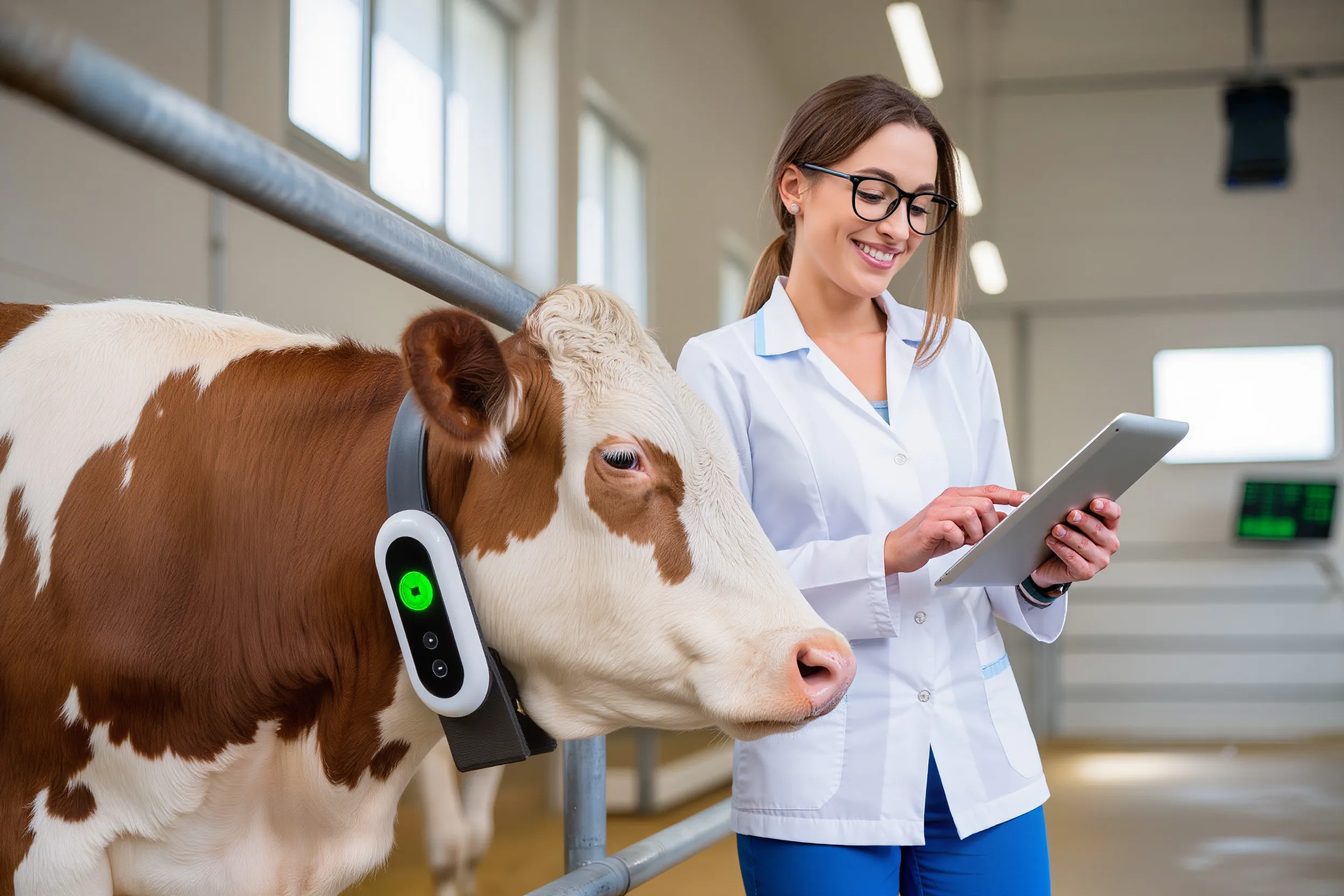
One of the key areas of integration for these digital platforms is monitoring the health of livestock and poultry and preventing the spread of disease. Early detection of infected animals makes it possible to rapidly contain risks and protect the entire regional agricultural system.
A View from Above
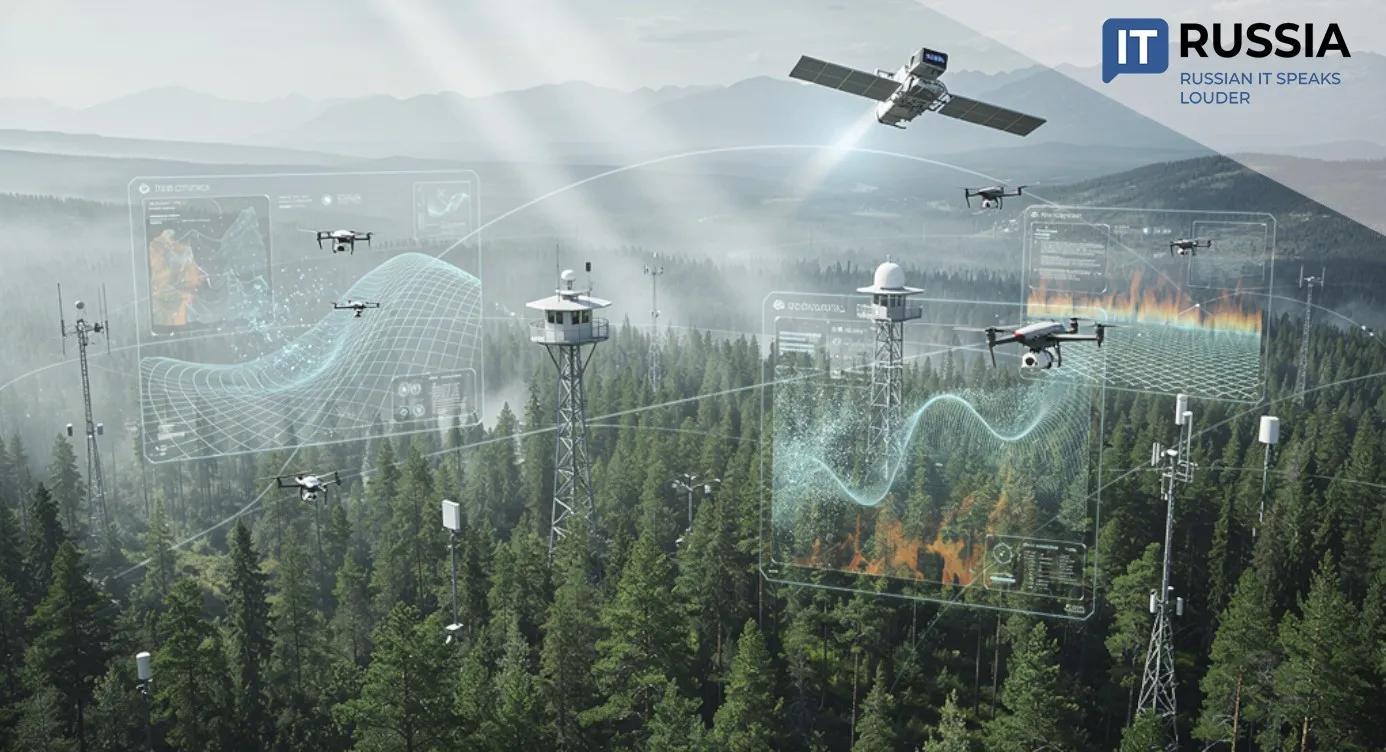
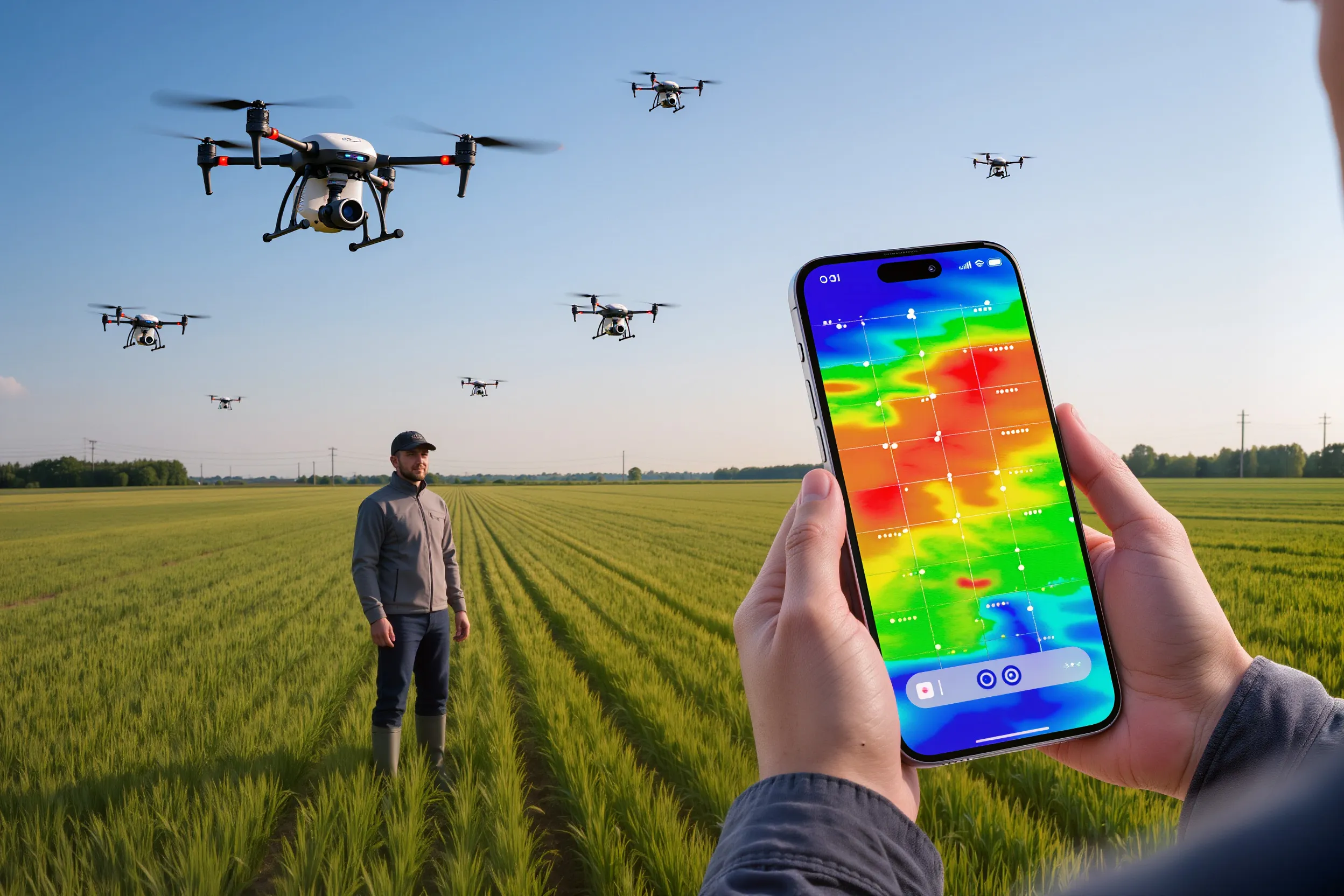
Another major focus of joint efforts is strengthening land oversight and improving the use of agricultural land. To protect farmland, assess soil conditions, and identify violations such as illegal dumping, authorities plan to make extensive use of drones and mobile applications. This represents a fundamental shift in how the sector is managed.
“The process of reclaiming land from irresponsible owners is already under way,” Governor Alexander Drozdenko noted.
Tackling Invasive Weeds
A further priority is combating pests and weeds on agricultural land, especially Sosnowsky’s hogweed. This invasive plant poses a serious threat to both people and ecosystems. It now covers millions of hectares across Russia, Europe, and North America. Traditional eradication methods have proven ineffective. A single plant can produce up to 20,000 seeds per season, making it highly resilient and allowing it to rapidly displace crops from farmland.
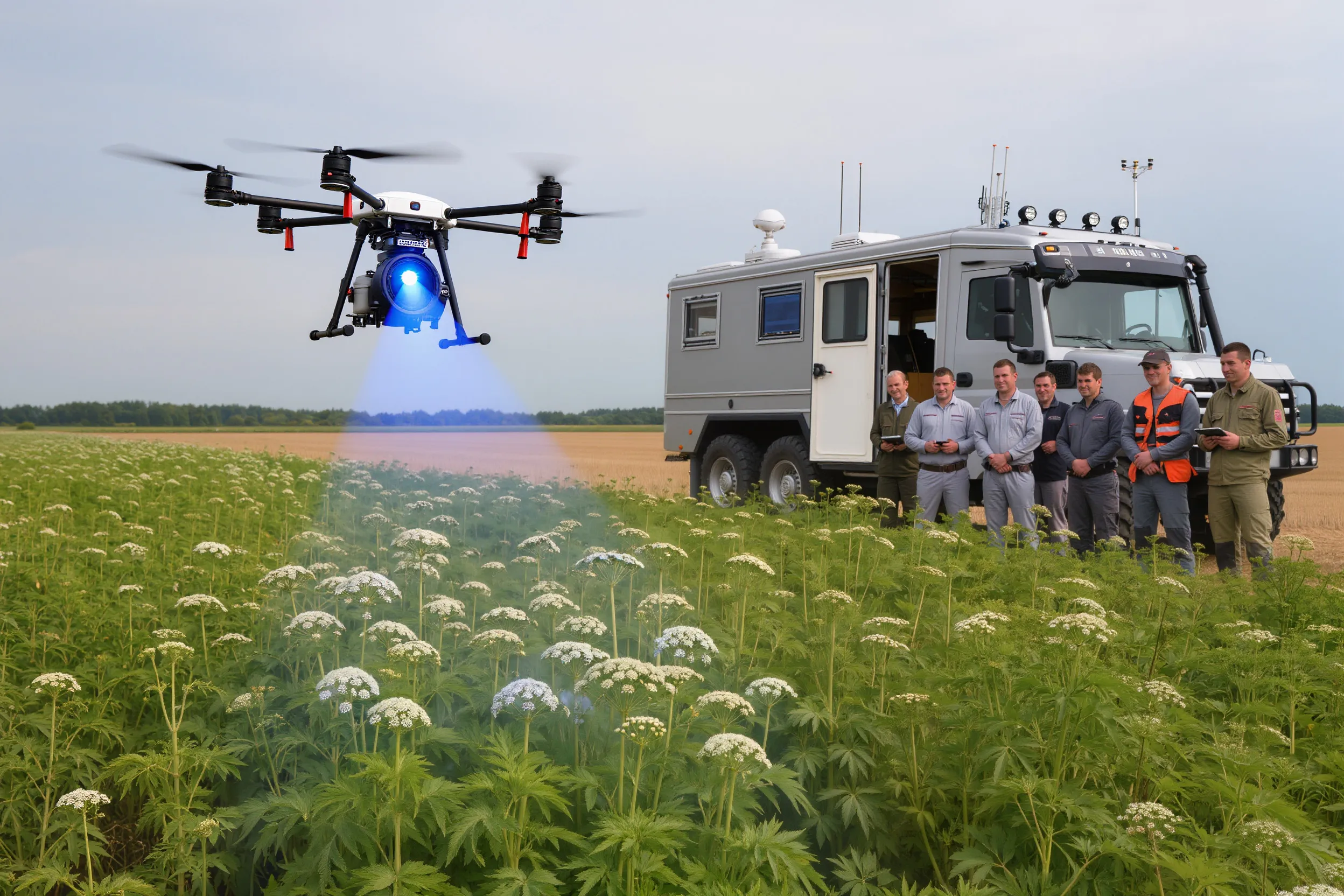
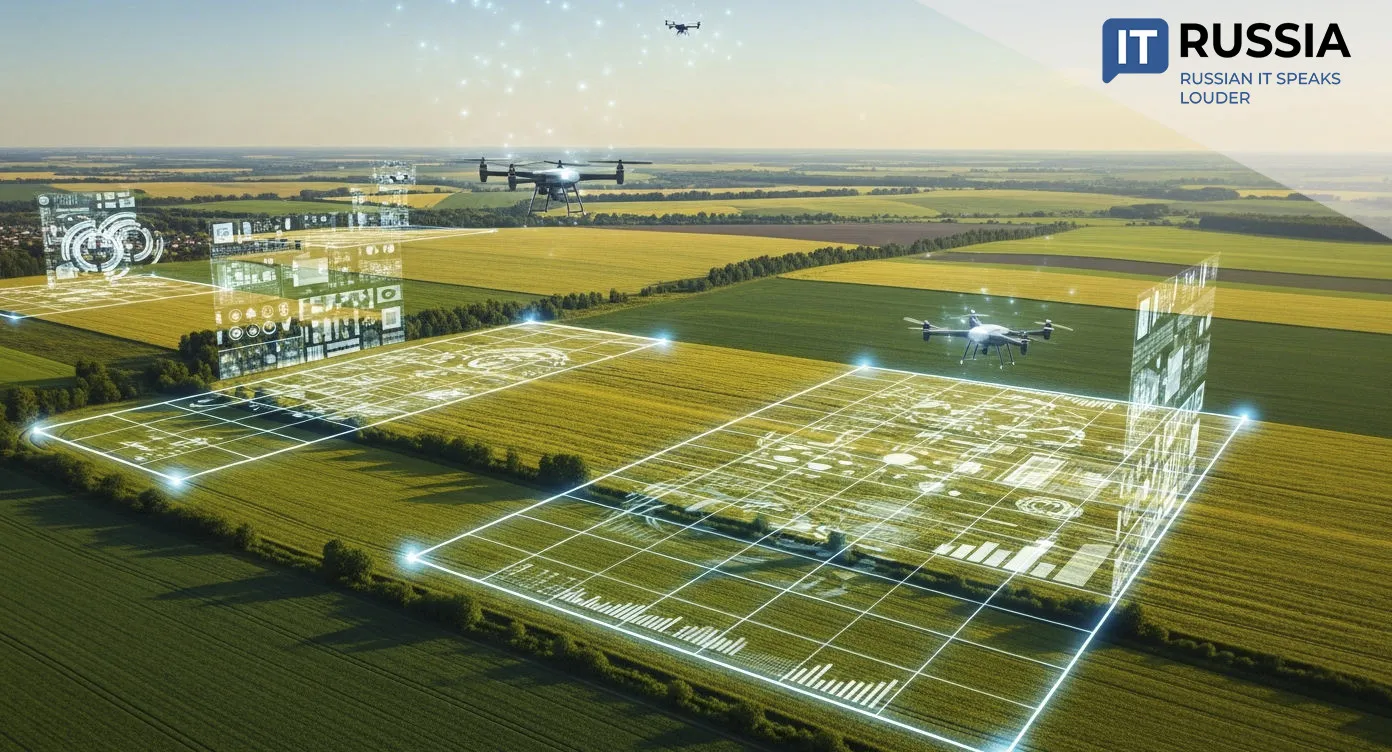
Drones can detect the weed at an early growth stage, enabling more cost-effective control. UAVs are also used directly in eradication efforts. Manual spraying is impractical at large scales, while drones equipped for targeted herbicide application can operate with far greater efficiency. These technologies have already been developed and are being deployed in Russia.

In the Leningrad Region alone, 1.1 million hectares were surveyed in 2025. Authorities established 25 quarantine phytosanitary zones covering a total of 71,900 hectares across ten quarantine threats.
Supporting Agribusiness
Beyond oversight, the expansion of drone technologies helps maximise land productivity and advance precision agriculture and smart livestock farming. UAVs collect detailed data on crop conditions and animal health, improving decision-making for farmers.
“Fertility maps generated through monitoring make it possible to apply precision farming techniques, where fields are treated selectively based on their actual condition. This helps farmers reduce fertiliser use by up to 30 percent and increase yields by as much as 15 percent,” said Alexey Petrushin, senior research fellow and candidate of technical sciences at the Faculty of Applied Mathematics and Control Processes at St Petersburg State University.
Greater transparency in record-keeping, reduced human error, more accurate resource management, improved oversight of livestock and land assets, and faster response to emerging threats will enable farmers to increase production volumes. This, in turn, will expand food supply both within the region and across Russia as a whole.
The model for improving agricultural oversight could serve as a blueprint for digitalisation of the agro-industrial sector in other Russian regions. Over time, it could also be exported as part of Russia’s smart agriculture systems.
International experience points to growing demand for digital agri-technologies, including smart farming and precision agriculture based on drones and mobile services. Russian developments in land and livestock monitoring using UAVs and mobile platforms could be adapted for other countries with large agricultural territories, particularly in the CIS and BRICS+.