From Stone to 3D: How a PhD Student in Tver Is Digitizing Cultural Heritage
A young researcher in Tver, Mikhail Babaitsev, is creating millimeter-accurate digital replicas of churches and architectural monuments. His project blends physical scale models, high-resolution 3D scanning and augmented reality into a single technological workflow.
From PhD Student to Startup Founder
Mikhail Babaitsev is a doctoral student at Tver State University. Together with a team of historians, designers and programmers, he has transformed what began as an academic initiative into a fully fledged technology platform.
The project has received support from regional authorities and cultural institutions. In partnership with them, the team has already produced detailed models of the Vasilevo museum-reserve in the Tver region and the historic center of Vyshny Volochyok. Each model undergoes multistage verification with restorers and is cross-checked against archival documents.
The work initially focused on modeling churches and other significant cultural landmarks in the Tver region, but it quickly expanded beyond local boundaries. The team’s portfolio now includes digital replicas of monuments in Belarus and Turkey. What began as a regional initiative has moved onto the federal and international stage.
High-Precision Technology
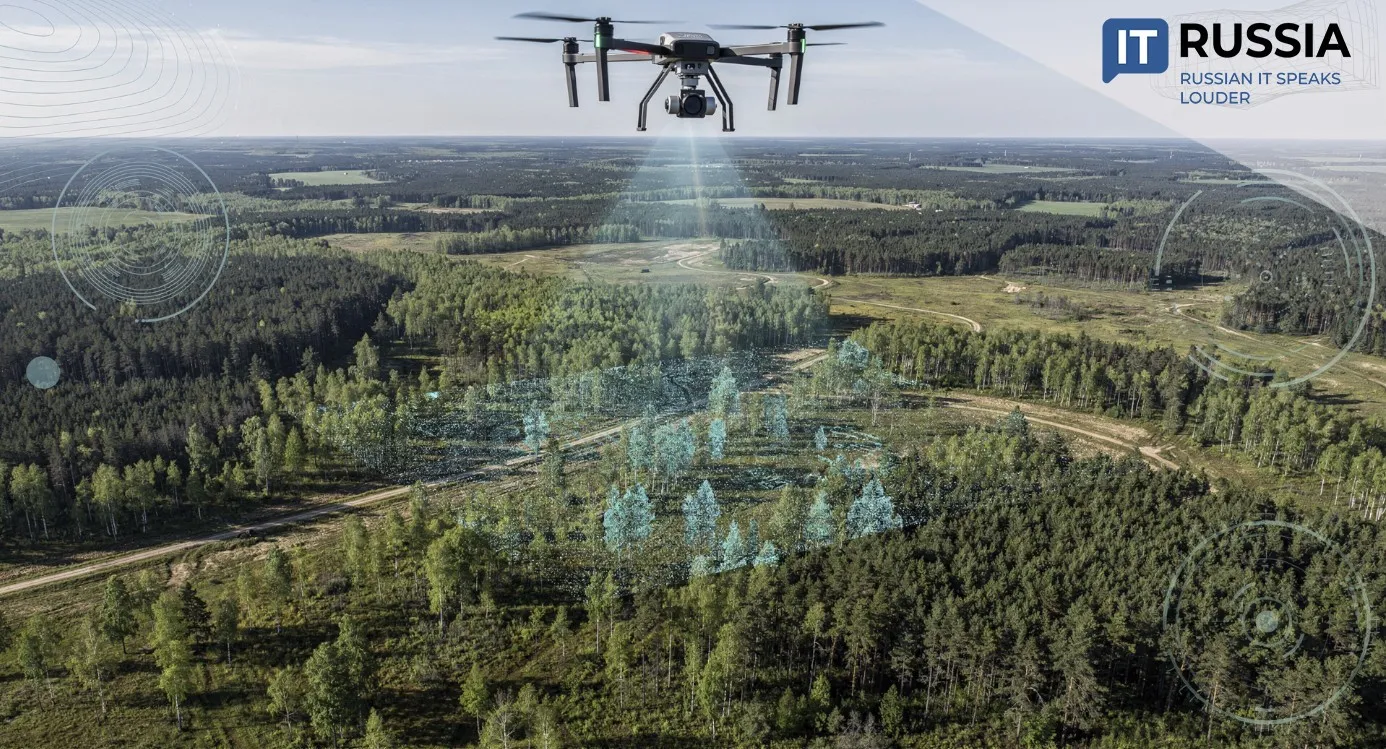
To create digital replicas, the team relies on laser scanners and photogrammetry. The scanner captures up to one million points per second, generating a dense point cloud from which a three-dimensional model is constructed. For lost structures, reconstruction is based on historical photographs, architectural drawings and written descriptions by contemporaries.
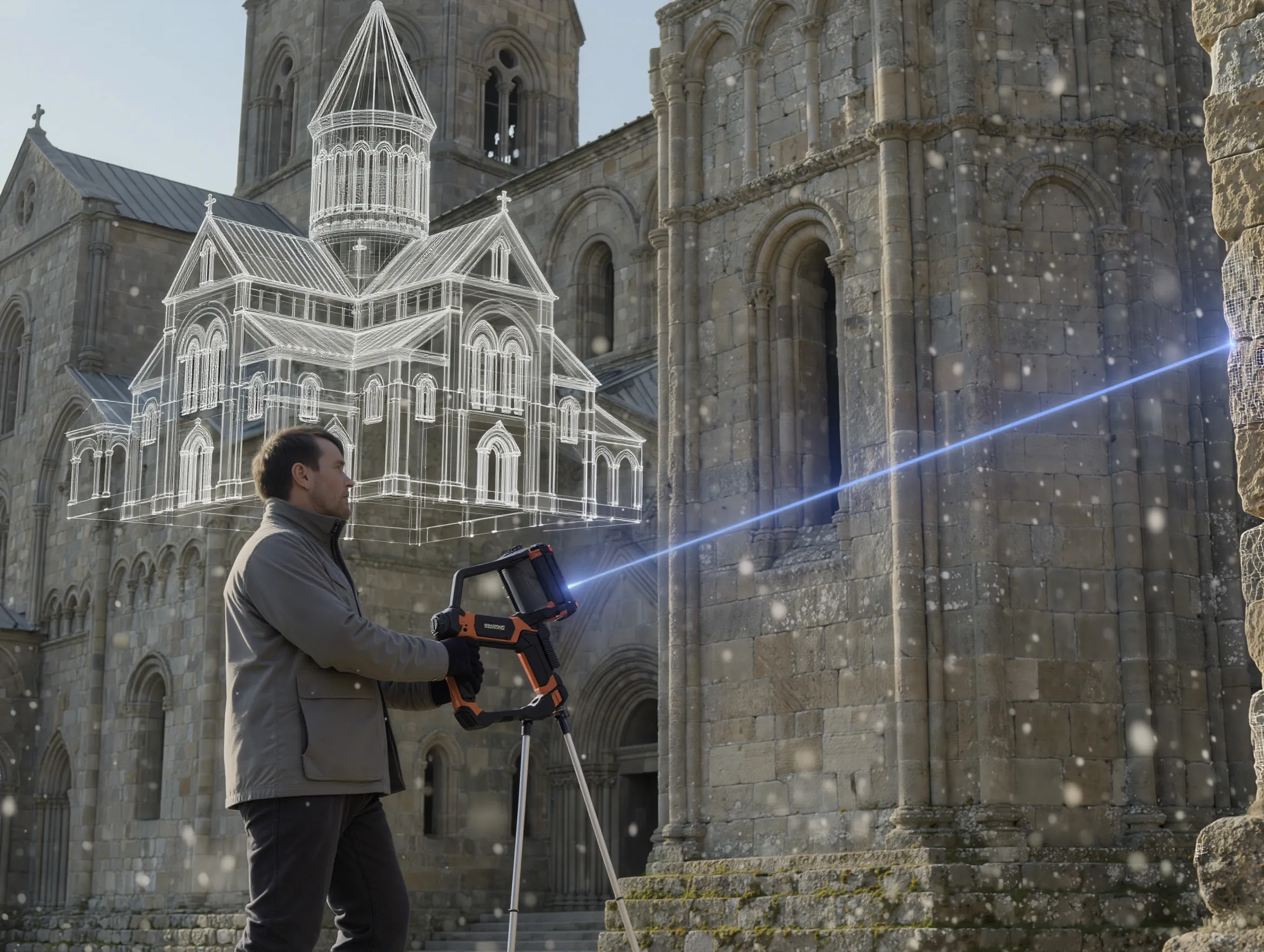
Digitizing a medium-sized church requires three to five days of fieldwork, followed by roughly two weeks of post-processing that includes noise removal, texturing and geodata alignment. The final file preserves not only the building’s geometry, but can also integrate metadata from other research, including information about materials, historical layers and restoration interventions.
Fifty Monuments in Digital Form
To date, Babaitsev’s team has digitized around 50 major architectural sites. Among them are the Assumption Cathedral in Tver, the Transfiguration Monastery and churches in Torzhok and Rzhev. The total number of digital captures exceeds 1,000, including interior fragments, iconostases and tombstones.

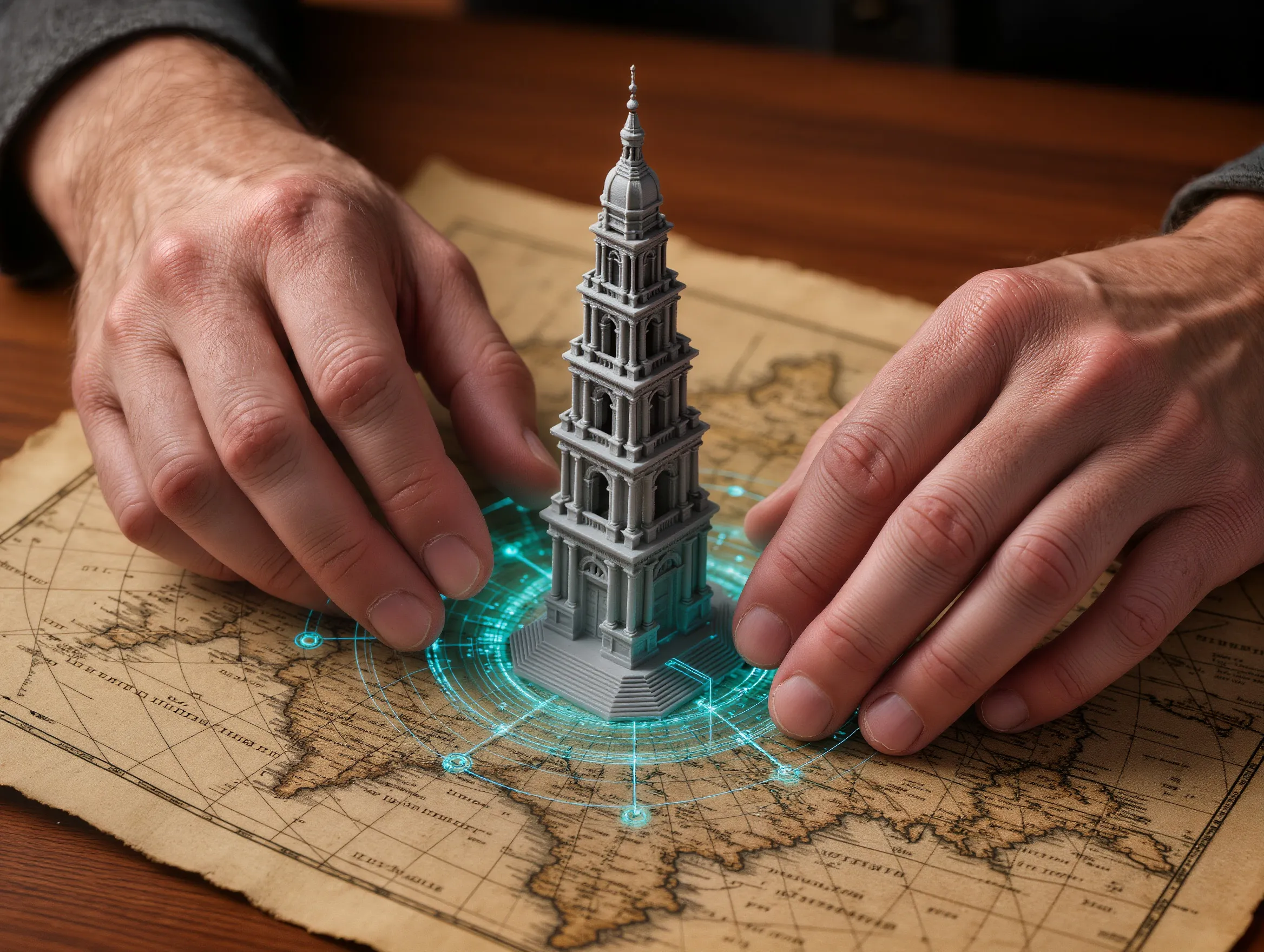
Particular attention is paid to lost heritage. For example, the Church of the Holy Trinity in Tver, destroyed in the 1930s, has been reconstructed in miniature. The digital model makes it possible to visualize a structure previously known only from pre-revolutionary guidebooks and a handful of photographs.
Tver in Miniature
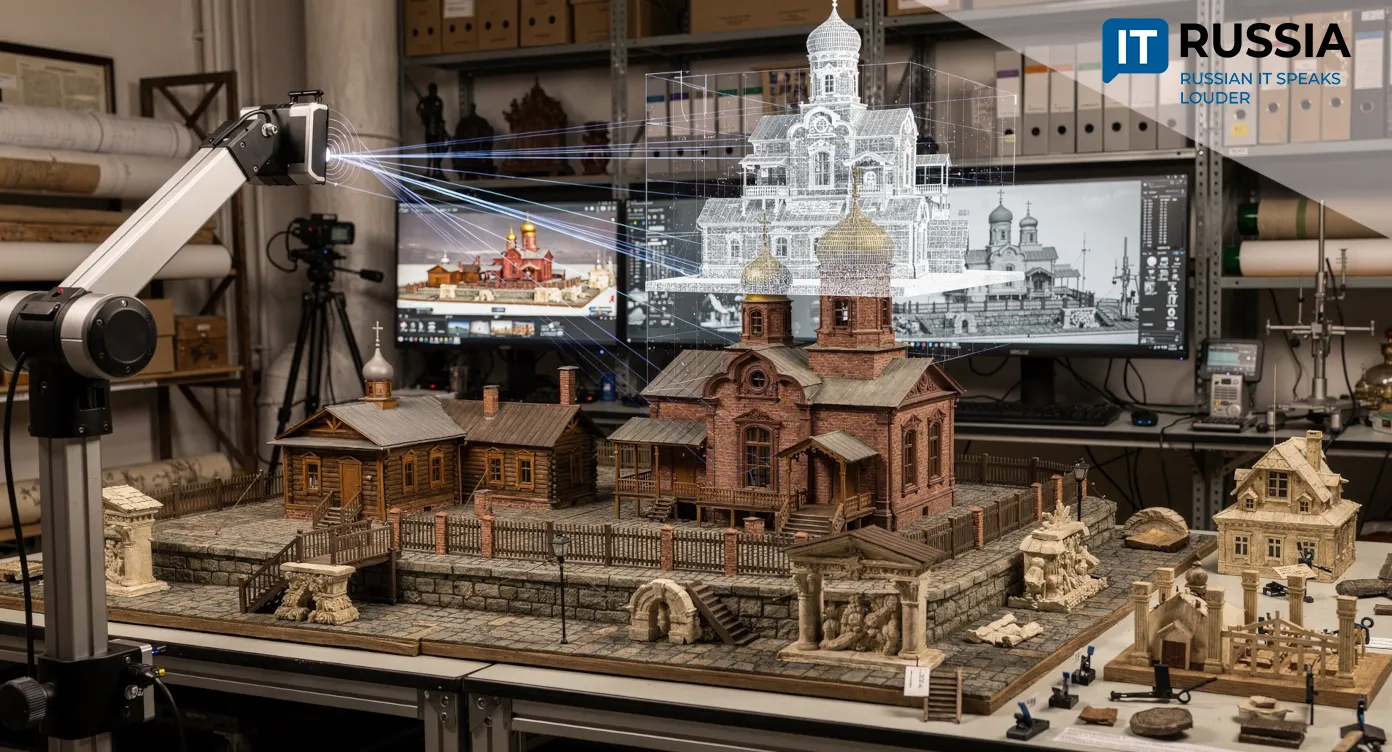
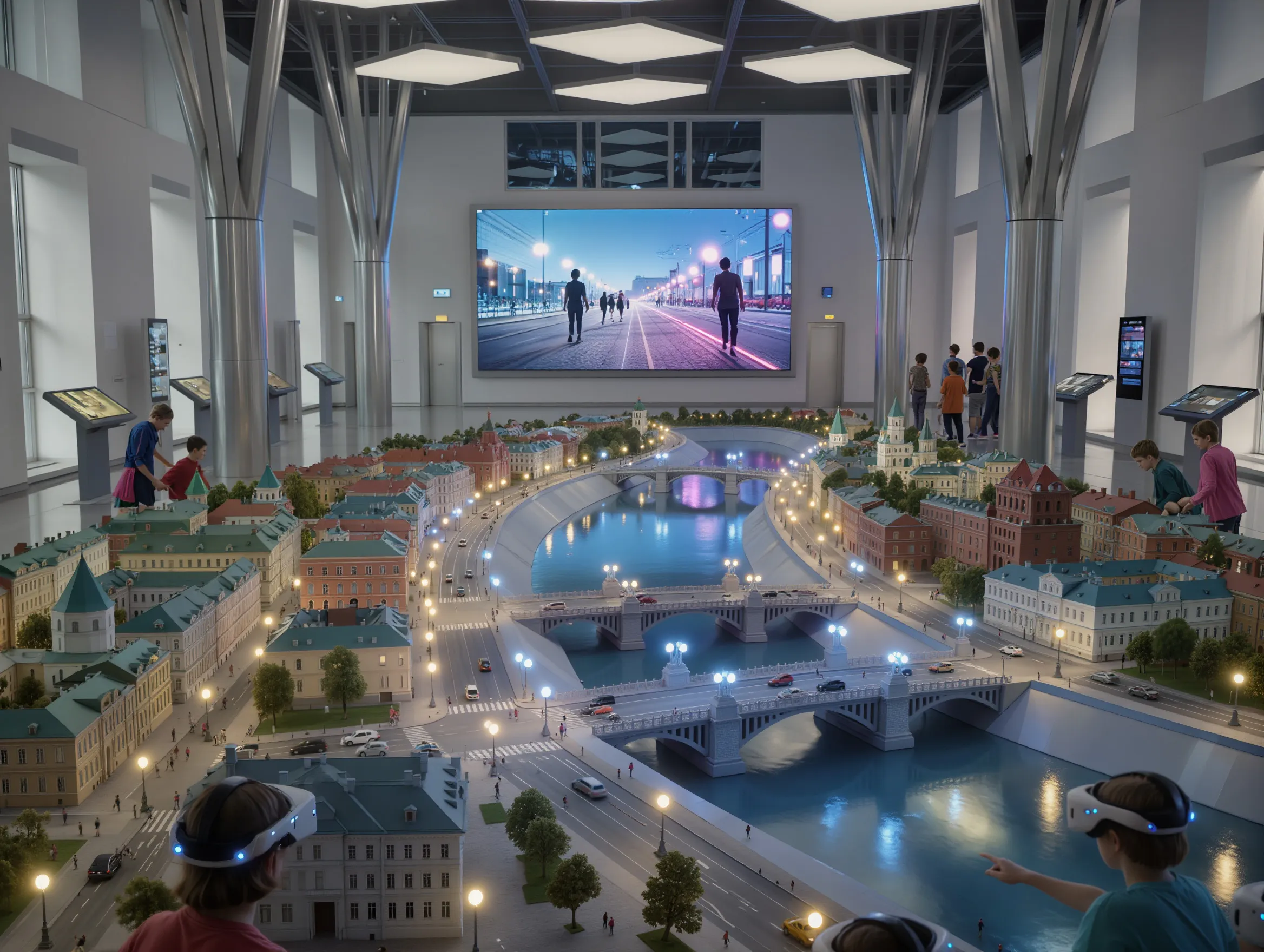
The team’s flagship project is the creation of a scale model of historic Tver. The city will be recreated at a 1:87 scale, with detailing down to individual window frames and sidewalk paving stones. The installation will cover more than 50 square meters and depict the regional capital as it appeared in the mid-19th century.
The first sections of the model will be unveiled in 2026 at the Tver Regional Museum of Local History. Visitors will be able to see what Tver looked like before industrialization, including wooden neighborhoods, the Volga embankments and monastery walls. The model will serve as the foundation for an interactive exhibition incorporating augmented reality.
Science in the Hands of Schoolchildren
The digitization initiative includes an educational module designed for children and teenagers. In Tver schools, the team conducts workshops on 3D modeling of historical objects. Students learn to work with the core functions of professional software and produce miniature replicas of architectural monuments and their elements using 3D printers.
Augmented reality enables viewers to experience monuments that no longer exist, even dynamically. By pointing a smartphone at a scale model, a visitor can see animations showing how a church was constructed, how an urban block evolved or how a street looked decades ago. This approach has already been tested on the model of central Vyshny Volochyok.
Cultural Diplomacy in Action
Russian digital heritage technologies could find demand abroad. Turkish partners have expressed interest in applying the team’s methods to reconstruct Ottoman monuments in Anatolia. Museums in Belarus are already using the methodology to create digital replicas of lost noble estates.
The loss of cultural heritage sites is a shared international challenge. Modern technologies offer a way to document, preserve and even reconstruct destroyed monuments and entire urban landscapes. This field is emerging as one of the most promising areas for technological development, and the experience accumulated in Tver is becoming a practical tool for cultural diplomacy.