IT Standard Inside a Regional Bank: From Fragmentation to a Unified Stack
Russia’s financial sector is moving beyond replacing isolated IT components and toward fully unified infrastructures built on domestic ecosystems. This week, Prio-Vneshtorgbank completed that shift, rolling out a single technology standard based on solutions from Gruppa Astra in place of a patchwork of foreign platforms.

The Core of the Transformation
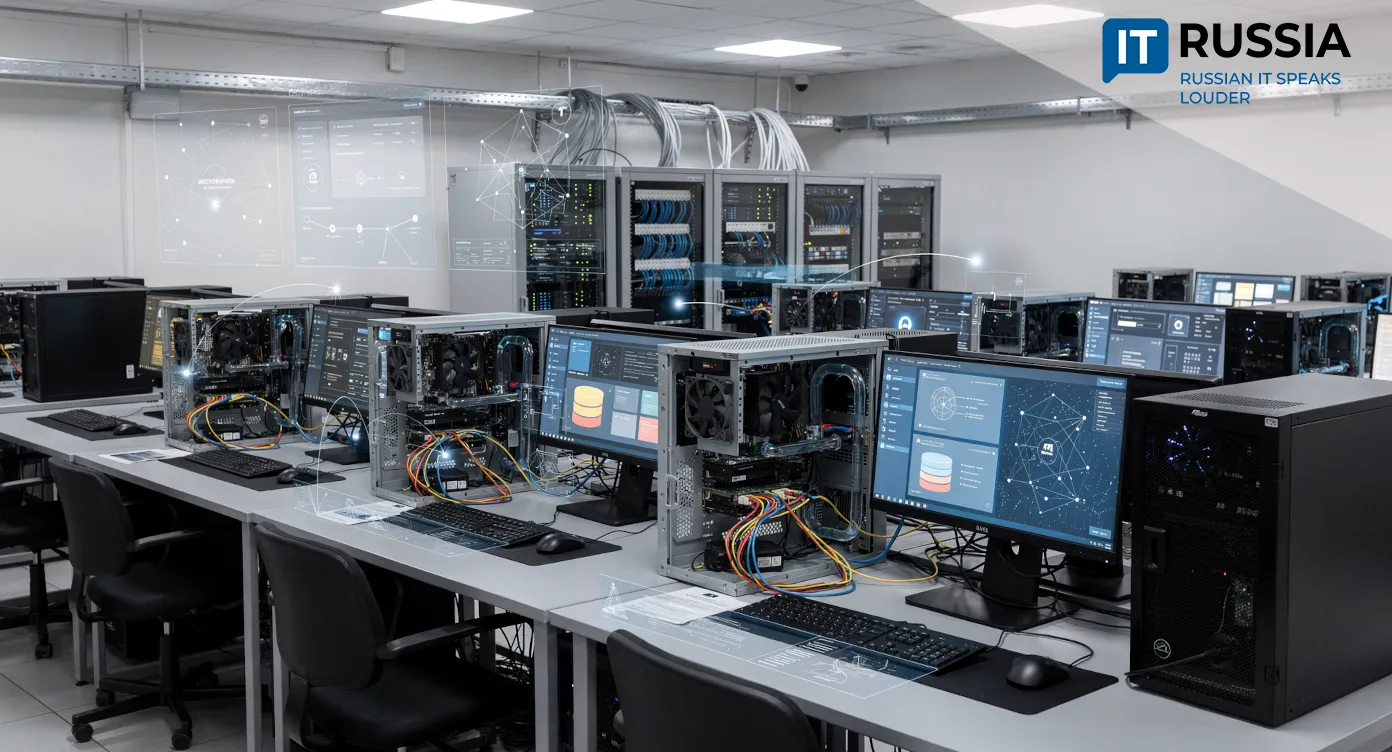
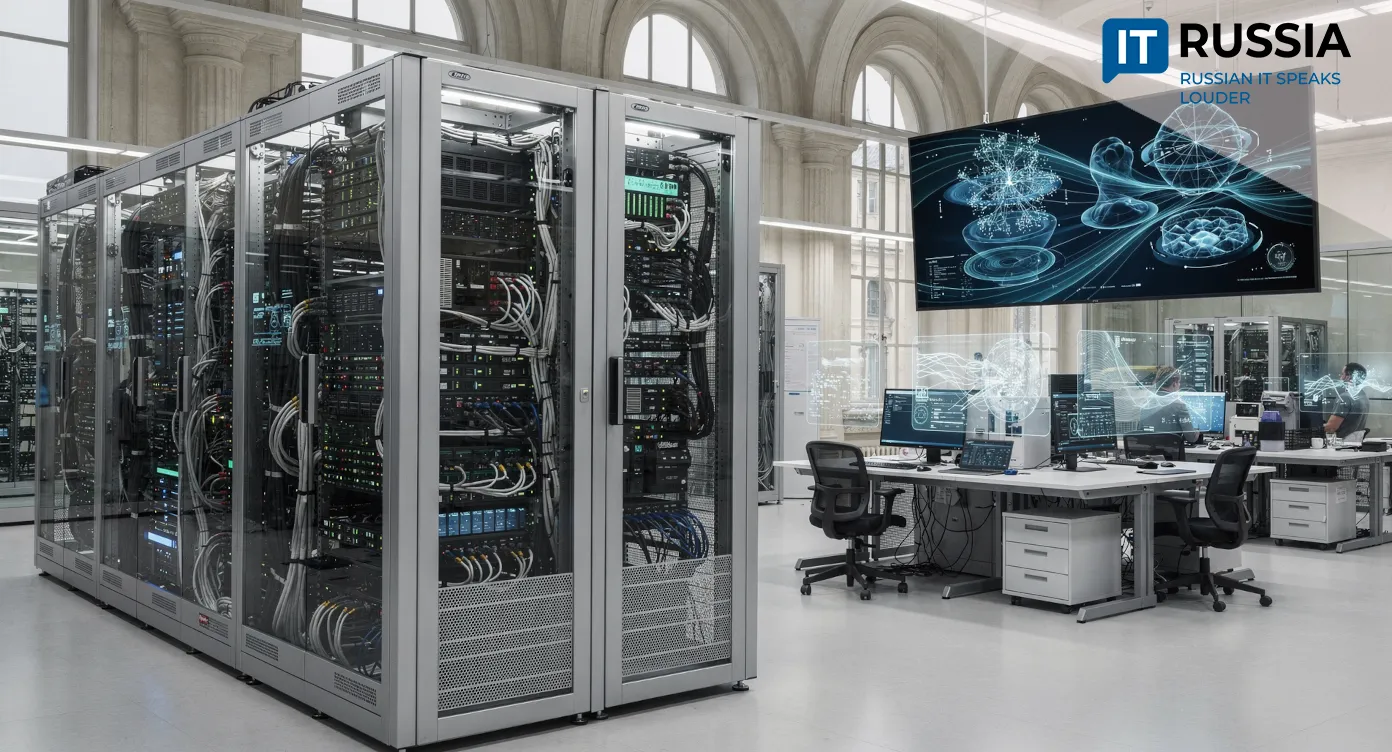
Prio-Vneshtorgbank phased out a mix of software environments, including Windows and multiple Linux distributions, and deployed a unified technology stack built on Gruppa Astra products. The bank migrated 460 employee workstations and all servers to AstraLinux, established a domain based on ALD Pro directory services, and launched corporate email through RuPost.
“Today we have a predictable, secure and easily scalable infrastructure that allows us not only to operate efficiently now, but also to evolve steadily,” said Boris Bogdanov, Head of Information Technology at Prio-Vneshtorgbank, describing the impact of adopting a single IT standard.
Previously, heterogeneous systems created compatibility gaps and security vulnerabilities. A unified platform simplified management, updates and monitoring, reduced operational complexity and strengthened information security. The bank has now eliminated its dependence on external software updates or the risk of discontinued support for foreign products.

Switching to Domestic Solutions
Prio-Vneshtorgbank’s migration to Gruppa Astra solutions was also driven by regulatory requirements. State-owned companies, following a transition schedule approved by Russia’s Ministry of Digital Development, are moving to domestic software, prompting banks that work with the public sector to modernize. That dynamic is increasing demand for local IT ecosystems such as AstraLinux.


As a result, the share of the IT sector in the national economy continues to grow. The national project Ekonomika dannykh (Data Economy) is accelerating this shift through direct subsidies, government procurement and stricter information security requirements.
From Isolated Products to a Full Ecosystem
Import substitution in Russia intensified in 2022 – 2023, as companies replaced critical IT components under sanctions-related risks. The migration of ministries and government agencies to AstraLinux reinforced confidence in domestic operating systems.

At the same time, Gruppa Astra focused on building not just an operating system, but a comprehensive IT ecosystem.
“The project at Prio-Vneshtorgbank clearly demonstrates the advantages of Gruppa Astra’s ecosystem approach: a unified operating system, centralized domain management and a secure corporate communications perimeter. As a result, our clients received not a collection of disconnected components, but an integrated platform. Core processes became more secure, administration was simplified and new services can now be added quickly and easily,” said Pavel Mozgov, Deputy Director of Support and Implementation at Gruppa Astra.
The Market for Domestic IT Ecosystems
The IT ecosystem transformation at Prio-Vneshtorgbank involved more than installing software. It required staff training, restructuring IT support and managing organizational change. That experience can be replicated across other financial and non-financial institutions.

By 2030, Russia’s IT market could take shape as a two-tier structure. At the top level would be several key domestic turnkey ecosystems. At the lower level, specialized applications would be designed to integrate with those platforms. For the digital economy, that would mark a shift from fragmented projects to a national technology standard for IT environments – resilient, secure and efficient.