Moscow’s Higher School of Economics and IIT Bombay to Launch Joint Labs in Space Research and Nanoelectronics
The two universities will establish mirror laboratories focused on satellite data and superconducting spintronics.
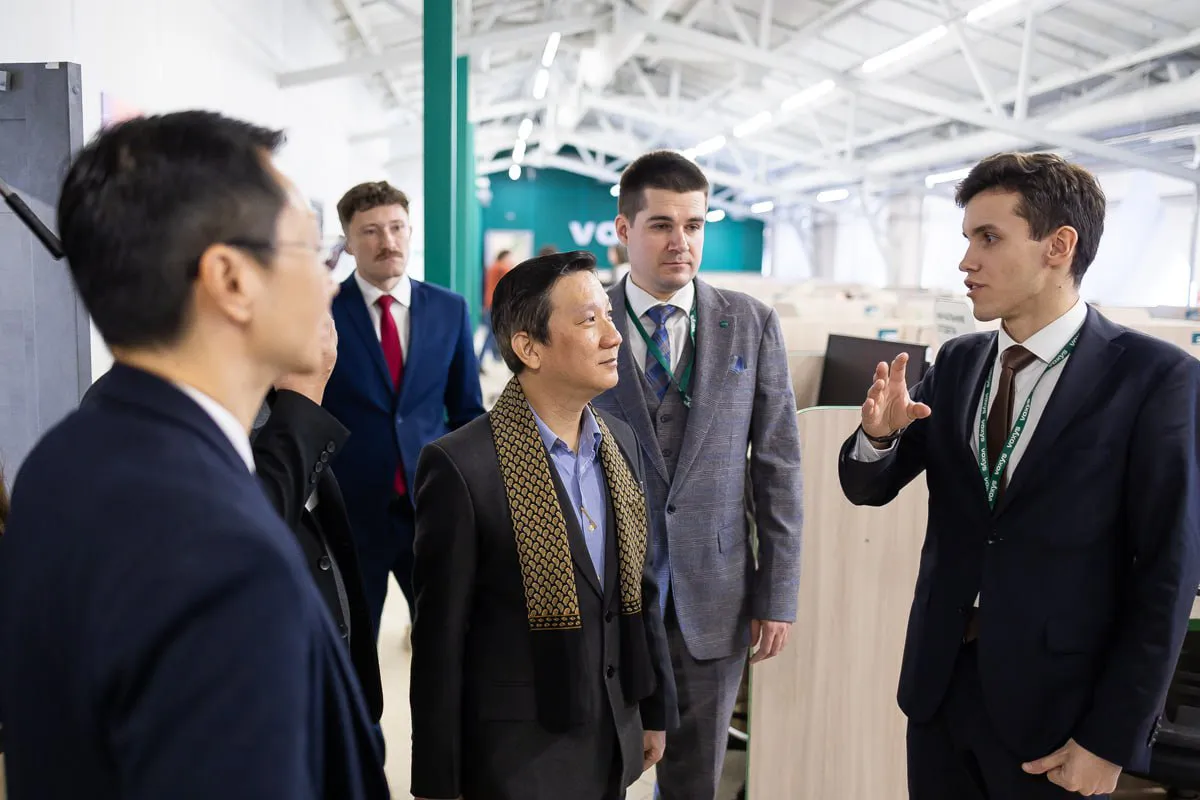
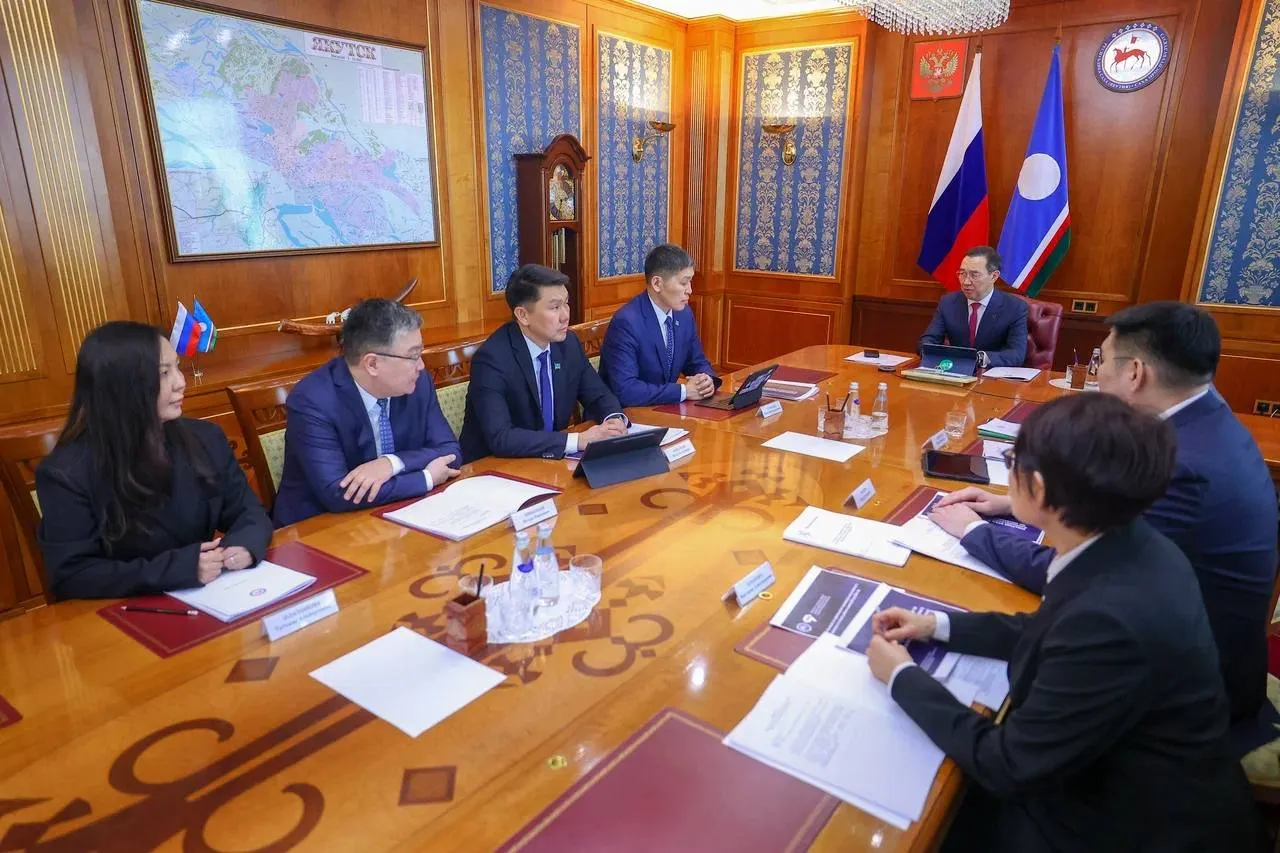
HSE University and the Indian Institute of Technology Bombay have agreed to create parallel “mirror” laboratories in space research and nanoelectronics. The memorandum of intent was signed during an HSE delegation visit to India.
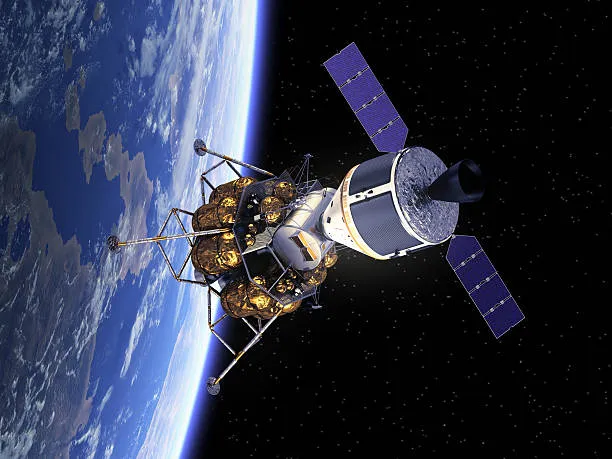
The first lab will focus on satellite data processing and the management of small spacecraft. One of its research tracks involves building digital twins. Such models make it possible to predict satellite performance in orbit, analyze telemetry, and test operating modes without directly intervening in onboard systems.
The lab plans to use a hardware–software complex for telemetry reception and analysis in both manual and automated modes. The initiative includes an academic exchange program. Indian students will be able to work in Moscow and St. Petersburg with software tools and small satellite prototypes, while Russian students will gain access to IIT Bombay’s infrastructure.
Superconducting Spintronics and Energy Efficiency
The second laboratory will focus on superconducting spintronics, a branch of nanoelectronics aimed at creating ultra-fast, energy-efficient electronic components. The technologies could be applied in data centers and server infrastructure.
HSE currently maintains around 20 agreements with Indian universities in digital economy, artificial intelligence, sustainable development, and space technologies.