MTS to Deploy 2,600 More Russian Base Stations Across Its Network
MTS plans to install another 2,600 domestically produced base stations in 2026, with further expansion expected in the years ahead.
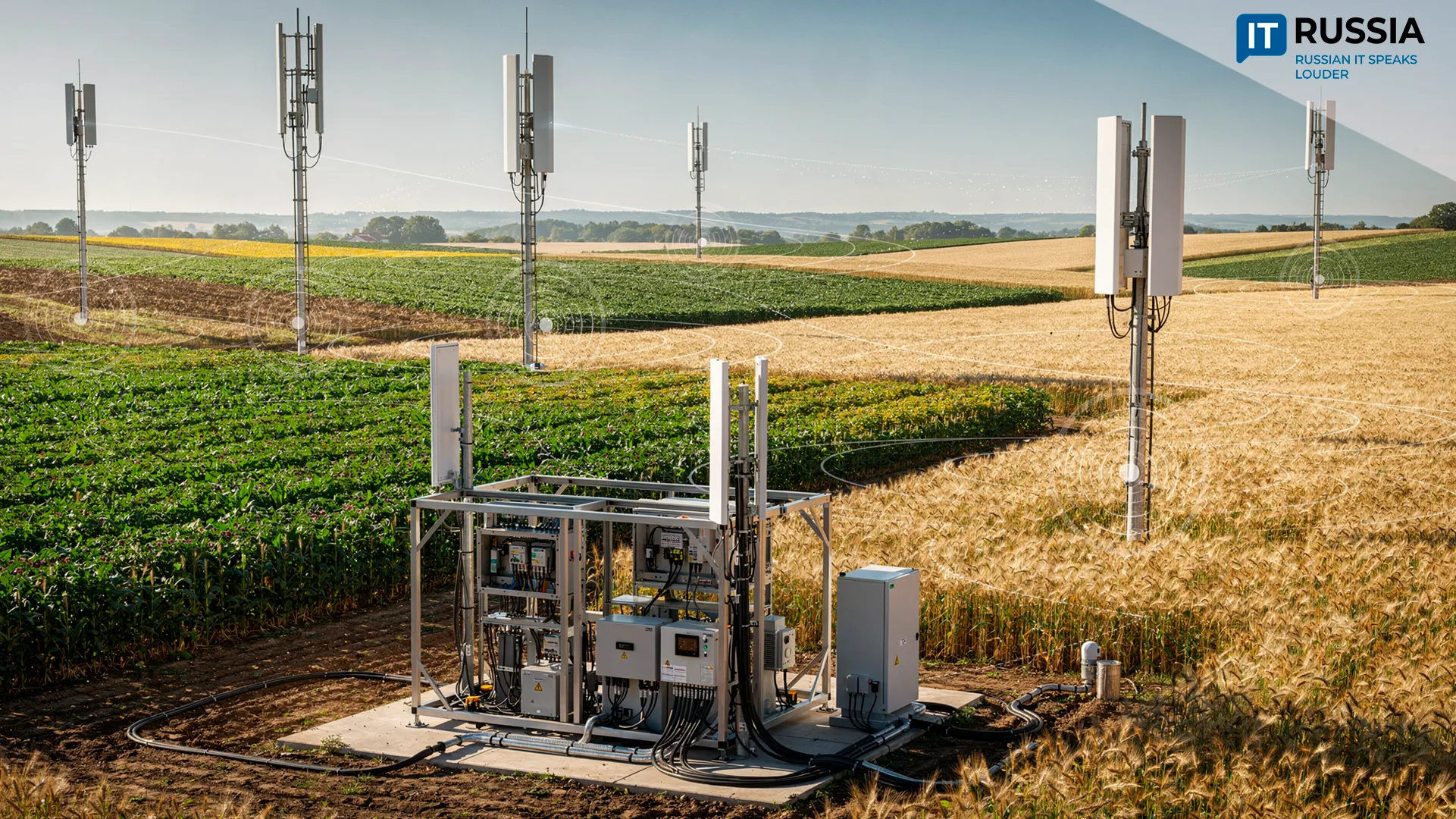
Russian mobile operators are accelerating the shift to locally manufactured base stations. This shift is no longer limited to pilot deployments, with operators now rolling out full-scale infrastructure built on domestic technology.
MTS plans to install at least 2,600 additional base stations by early 2027, produced by IRTEYA, a vendor within its corporate structure. This will bring the total number of newly deployed stations to 3,800 across 76 regions.
According to the operator’s press service, commercial deployment of IRTEYA equipment began in early 2025, when MTS launched 200 base stations to test performance under real network conditions. By early 2026, a second batch of 1,000 stations with expanded frequency support had been deployed. As a result, 1,200 stations are now providing connectivity services.

20,000 Stations by 2030
The project marks Russia’s first large-scale effort to develop, manufacture, and commercially deploy domestic base stations. MTS and the telecom vendor are working under a forward contract, under which IRTEYA will supply 20,000 base stations by 2030.
The 2026-generation stations to be deployed in the near term feature upgraded radio modules operating in LTE and GSM bands. They support Voice over LTE (VoLTE), integration with modern network management systems, and infrastructure sharing among multiple operators. At the same time, IRTEYA’s stations combine Open RAN standards with a cloud-based architecture.
This allows part of the data processing workload to be handled in remote data centers rather than on-site equipment. In late 2024, Russia’s Ministry of Industry and Trade classified IRTEYA’s base stations as domestically produced telecom equipment.
Testing Phase Completed
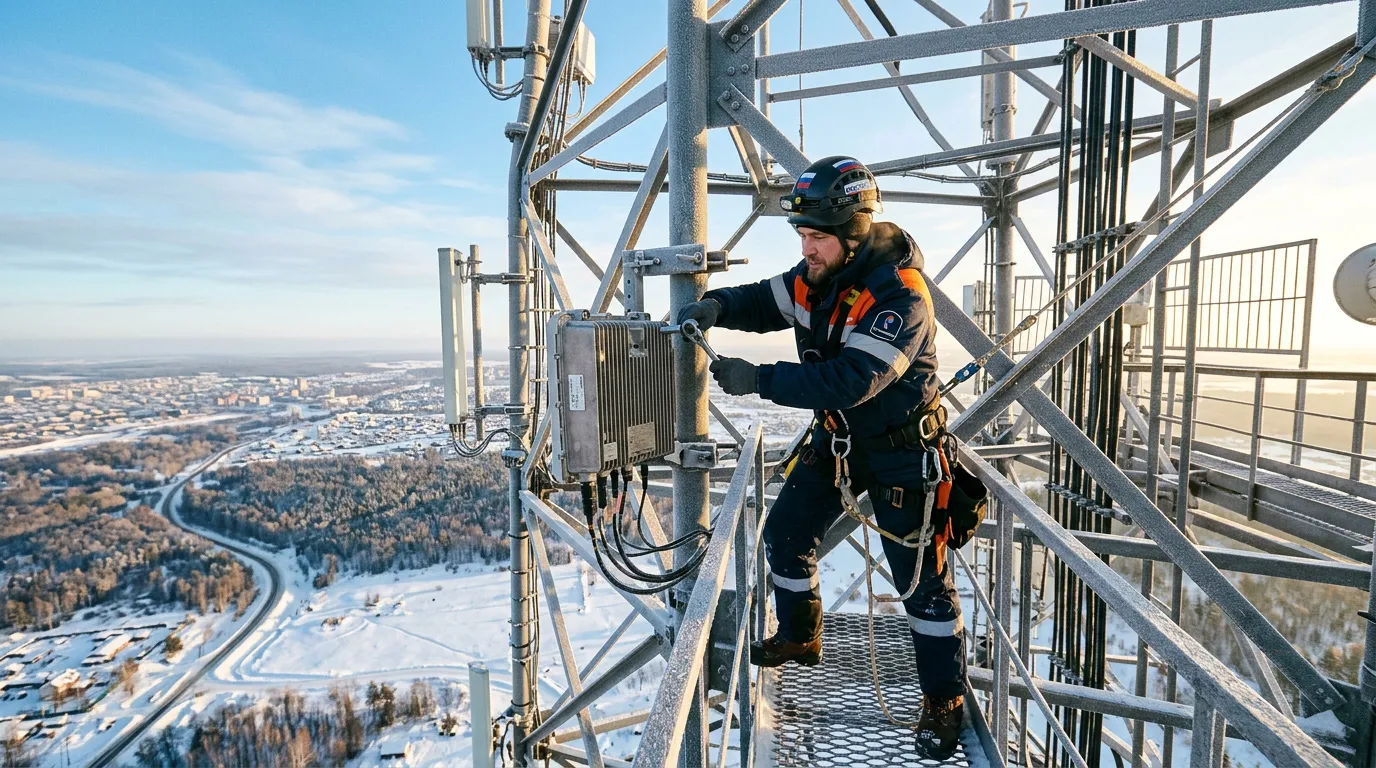
“Over the past two years, MTS and IRTEYA have completed a critical phase of testing and refinement. We evaluated performance across different subscriber devices, compatibility with network elements, and integration into existing radio networks from other vendors. Today, the equipment has demonstrated readiness for commercial deployment. The new batch of base stations will deliver the required functionality, support higher urban traffic loads, and cover all LTE and GSM frequency bands,” said Viktor Belov, Vice President for Telecom Infrastructure at MTS.
Competition Set to Intensify
Import substitution in Russia’s telecom sector has moved beyond policy into execution. At the same time, the market is not dominated by a single supplier. Other companies, including YADRO and Bulat, are also scaling production. YADRO, following successful testing of its equipment, has announced plans to produce at least 55,000 base stations by 2030 under forward contracts with Beeline, MegaFon, and Rostelecom. Bulat’s stations, after completing trials in 2025, have also entered commercial deployment on Rostelecom’s network.

Competition among domestic base station vendors is expected to intensify in the coming years. This will push companies to develop new technologies and improve product quality. Ultimately, consumers stand to benefit through access to more reliable digital services, while the broader effect will be stronger technological sovereignty.