Russian Railways and China Move Toward Paperless Logistics
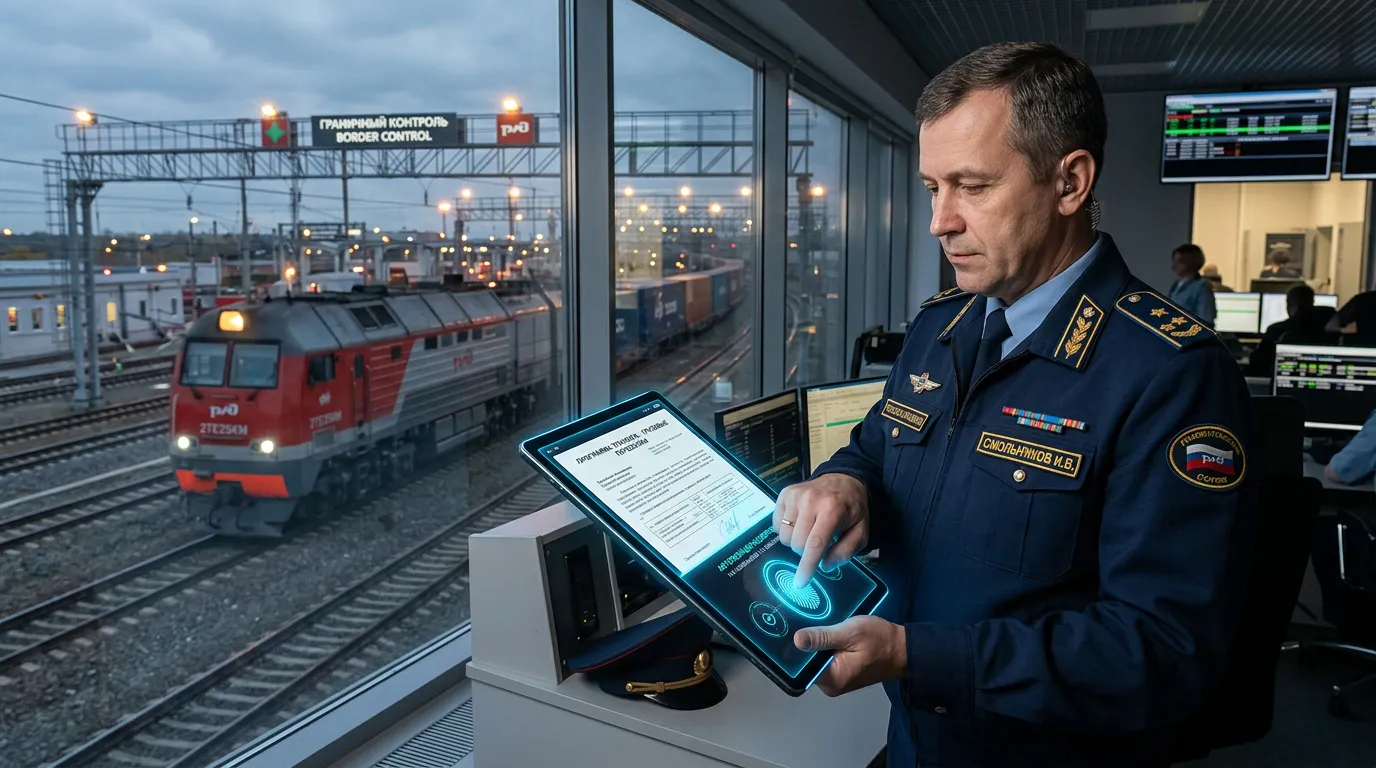
Russian Railways intend to switch entirely to paperless operations with Chinese partners in 2026, using a unified digital signature.

The parties began testing this format in 2024, and in 2026 they intend to formalize the transition through an official agreement. The project aims to accelerate the handover of trains and wagons at border crossings, eliminate excessive paperwork, and make cross-border logistics more seamless.
Indicator of Maturity
From an IT perspective, the project reflects a mature level of digital integration between large-scale infrastructure systems in the two countries. It is also driving development of solutions for electronic transport documents, cross-border identification, and cargo traceability services.
From a national standpoint, the initiative strengthens transport sovereignty and the competitiveness of eastern trade routes. Increased capacity of international corridors, along with the ability to scale export, import, and transit flows more efficiently, is becoming increasingly important as trade shifts toward Asia. If successful, the project could serve as a model for other cross-border corridors and help define new operational standards.

Goal: A Global Standard
Within Russia, the rollout of paperless logistics is expected to accelerate modernization across the entire freight transport chain, from shippers to foreign carriers. Over time, this will move the industry from isolated use of electronic waybills to a unified platform-based system for managing international logistics.
Successful cooperation with China is likely to strengthen the position of domestic digital solutions in negotiations with rail operators across the EAEU, CIS, OSJD, and other countries along Eurasian transport corridors. Meanwhile, early standardization of the digital framework gives Russia an opportunity to shape the technological rules of the market in the region.
In practical terms, the trajectory points to a steady expansion in the range of cargo types and routes handled electronically, a continued rise in the share of electronic waybills, the involvement of new participants in the logistics chain, and gradual replication of the model across other international routes.

Toward a Paperless Border
The process began with a 2021 agreement between Russia and Kazakhstan on a roadmap for digitizing export and import transport. This step laid the groundwork for practical implementation of digital formats in cross-border operations. Between 2021 and 2023, EAEU and Eurasian Economic Commission institutions established the regulatory framework, supporting legally valid electronic document exchange and improving digital data sharing between carriers.
The practical phase followed in 2024–2025, when pilot paperless shipments between Russia and China moved beyond the experimental stage. Test shipments launched in December 2024 through the Zabaykalsk – Manzhouli border crossing delivered tangible results. The process is set to culminate in 2026, when the pilot transitions into an institutional phase. The parties are expected to sign an agreement and formally establish a paperless model using a unified digital signature.
A New Era of Cross-Border Logistics
Railway digitalization has moved beyond internal corporate use. Electronic signatures and paperless workflows are no longer standalone tools but are becoming the foundation of a new logistics environment.
Strengthening technological cooperation with China, a key trading partner, is having a system-wide impact on the broader economy. Russia is effectively participating in shaping digital standards that will define Eurasian transport corridors in the coming years.
In 2026–2027, the share of electronically processed shipments on the Russia–China route is expected to continue growing, while cargo processing times at border crossings are likely to decline. The model, once validated, will expand to other international routes, further reinforcing the position of Russian IT solutions in the global logistics ecosystem.