Residents of Bryansk Region to Book Doctor Appointments via the MAX Messenger
The national MAX messenger is being integrated into medical services, making interaction with the healthcare system simpler and more convenient. In the future, integration with patients’ electronic medical records is also possible.
A Reflection of a Broader Trend
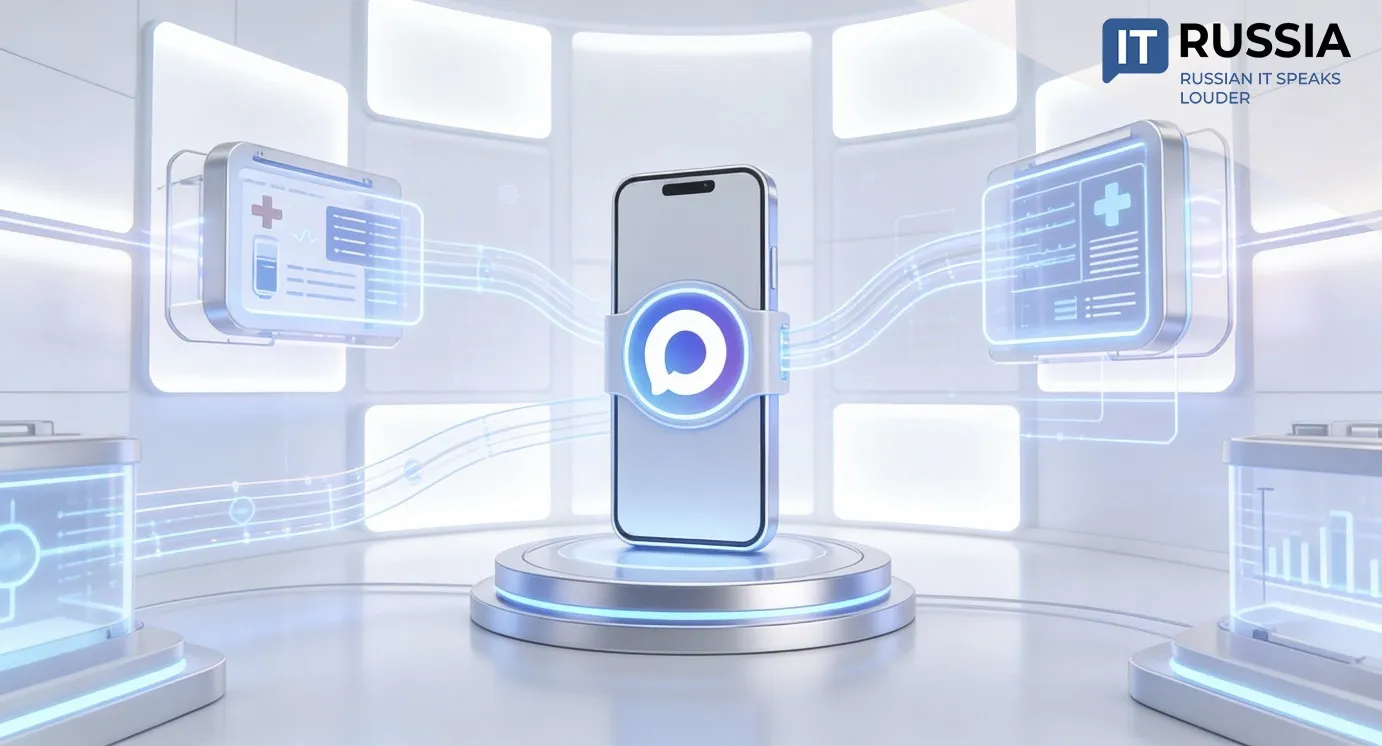
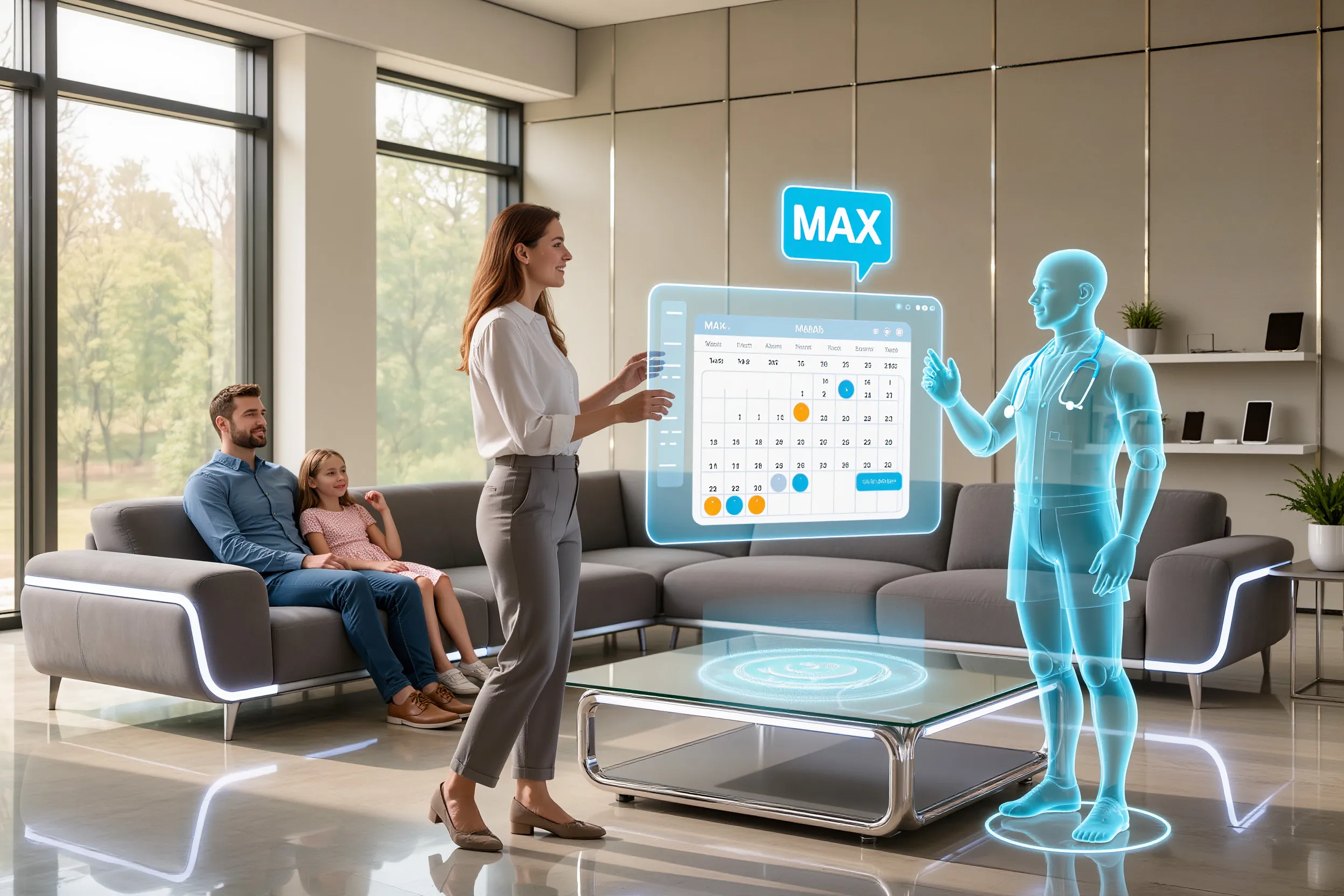
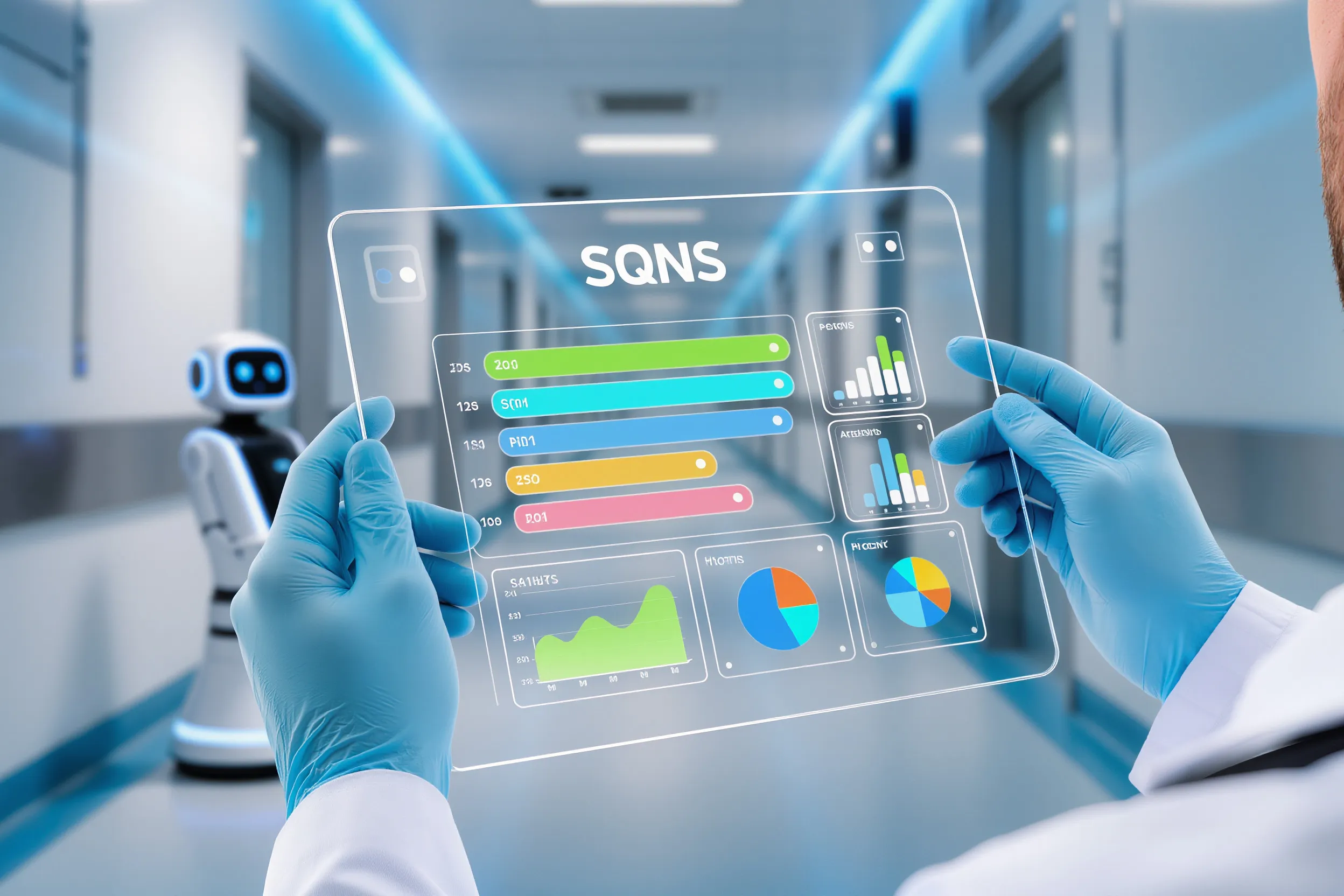
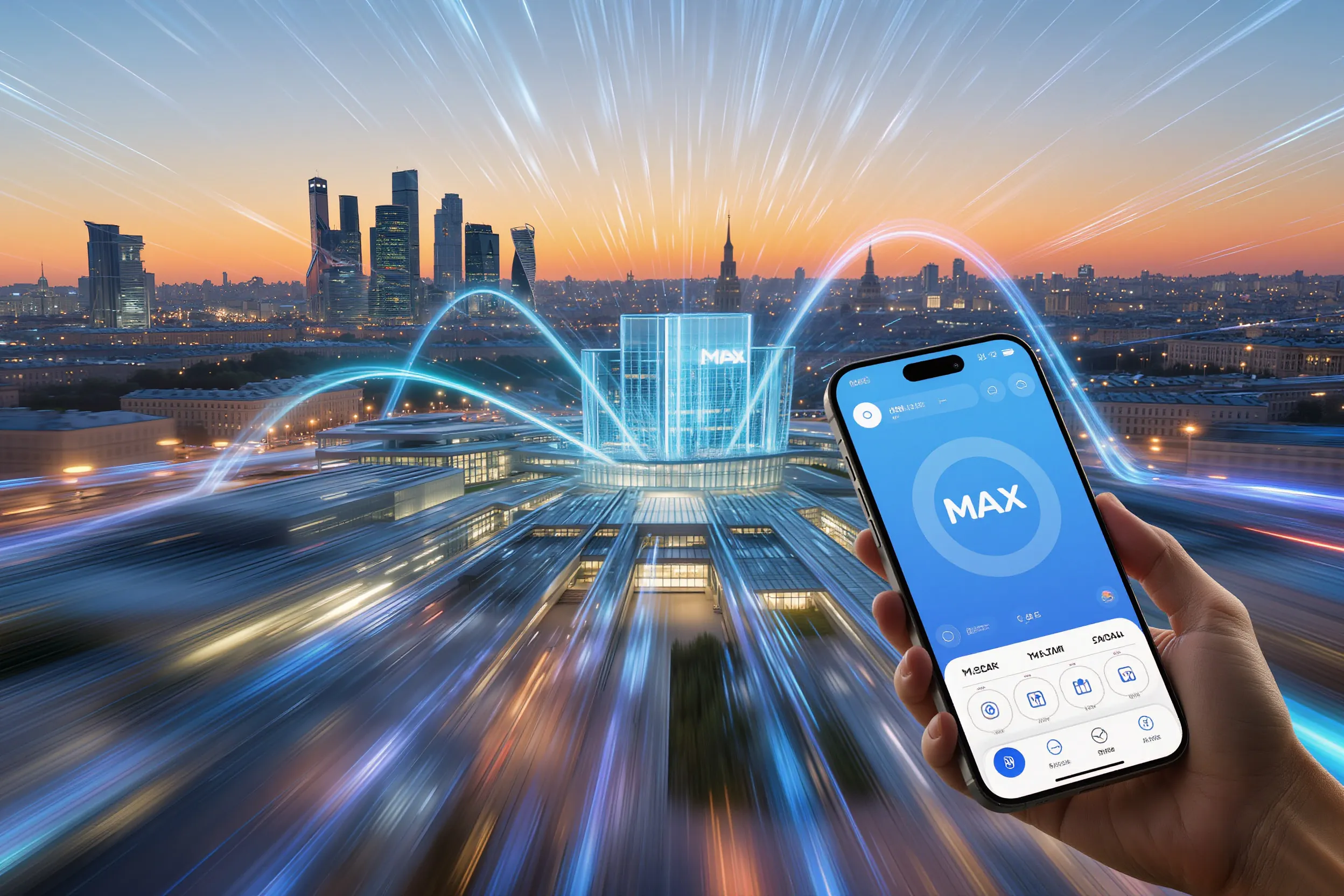
A pilot project has launched in the Bryansk Region to enable digital booking of doctor appointments through the national MAX messenger. Users can select a specialist, reserve a consultation slot, or request a home visit via a chatbot and virtual assistant integrated with the SQNS medical cloud system. The service operates as a mini-app inside MAX and relies on automation within the SQNS medical information system to coordinate interaction between clinics and patients.
This project represents another example of integration between public and private digital infrastructure, combining a national platform with cloud-based medical services. It marks a step toward the digitalization of public services and the strengthening of digital sovereignty in e-health. Residents of the Bryansk Region now have access to a convenient healthcare service without phone calls, queues, or the need to navigate multiple portals. Although this is a regional pilot, it reflects nationwide trends in healthcare digitalization and the expansion of national digital platforms.
Integration and Expanded Functionality
For now, the initiative is focused on the domestic market. Exporting such a service internationally is unlikely, at least until the core product achieves broad adoption across Russia and is standardized at the level of national public services.


At the same time, further integration with other federal e-health systems, such as national patient registries, is not ruled out in the near future. Functional expansion is also likely, including telemedicine services, medical data exchange, and analytics related to healthcare system workload. However, key challenges remain, primarily concerning patient data privacy and information security.
Online Services and Chatbots
In recent years, digital services, including those related to healthcare, have expanded significantly. Platforms such as NaPopravku and SberZdorovye previously offered online appointment booking with medical specialists, though outside the framework of a national messenger. In August 2025, the first announcements appeared regarding the integration of the SQNS platform into MAX for doctor appointment scheduling.
The same year saw the adoption of legislation on national digital services and their mandatory pre-installation on devices. During 2025, MAX experienced record user growth, expanding from 1 million to more than 50 million registered accounts. In parallel, chatbots have gained prominence within public service platforms, where they are actively used for school enrollment, access to government services, and now healthcare-related interactions.
Greater Convenience
The introduction of doctor appointment booking through the national messenger marks an important step in healthcare digitalization and the expansion of centralized digital platforms in Russia. This approach has the potential to significantly improve access to medical services and accelerate the development of digital infrastructure for public services. It also strengthens the competitive position of domestic platforms relative to foreign alternatives.
In the near future, the most likely development is expanded coverage through the connection of additional regions and clinics. Deeper functionality is also possible, particularly integration with patients’ electronic medical records. Links to other public service platforms are likely as well, with doctor booking via MAX potentially becoming part of a unified public services portal. In this context, a stronger focus on digital ID can also be expected, enabling identity verification across multiple domains through the same messenger. Overall, the integration of messengers with public services is accelerating and substantially simplifying user interaction with government systems.