Rosatom deploys artificial intelligence to reduce employee workload
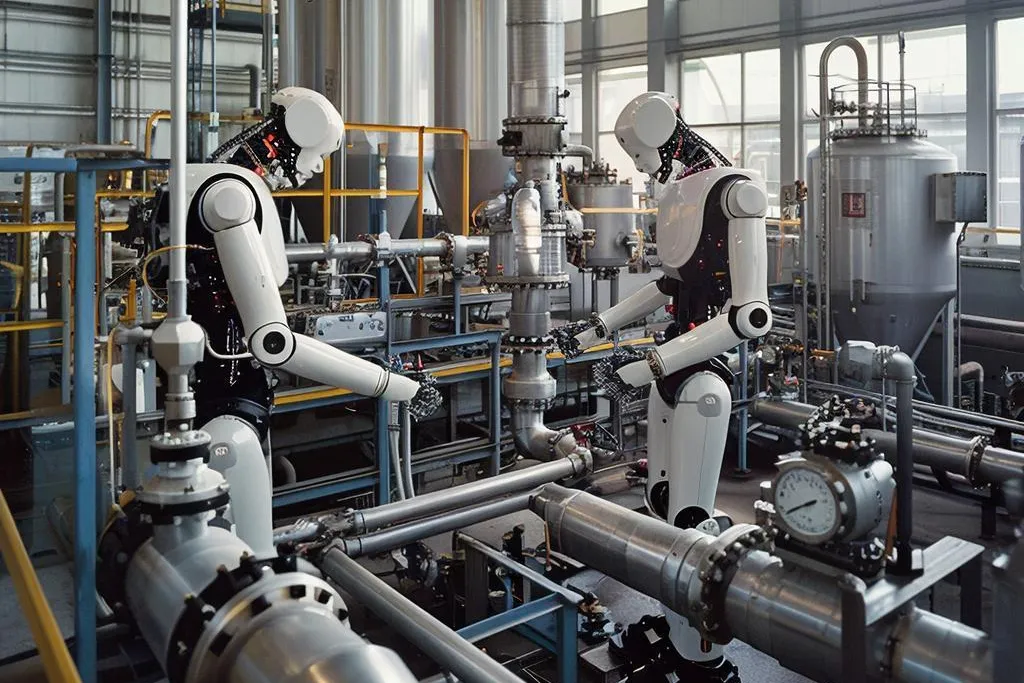
Russia’s state nuclear corporation Rosatom is accelerating the adoption of artificial intelligence not as a replacement for human expertise, but as a controlled, high‑precision tool designed to remove routine workload from specialists while keeping critical decision‑making firmly in human hands.
AI in the Nuclear Industry
According to Evgeny Abakumov, Rosatom’s Director for Information and Digital Technologies, AI in high‑responsibility systems will continue to function as an assistant for the foreseeable future. Its purpose is to handle repetitive tasks and support engineers—not to take autonomous control over operations.
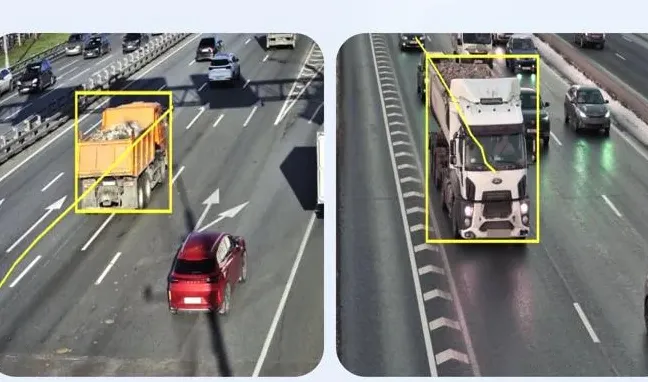
Today, AI is already applied in the design, manufacturing, and operation of nuclear‑energy facilities. It is used for mathematical modeling, materials science, equipment condition forecasting, and optimization of technological processes. In mechanical engineering, computer‑vision algorithms analyze X‑ray images of components to ensure total quality control, while in nuclear‑fuel production AI helps fine‑tune complex material compositions.
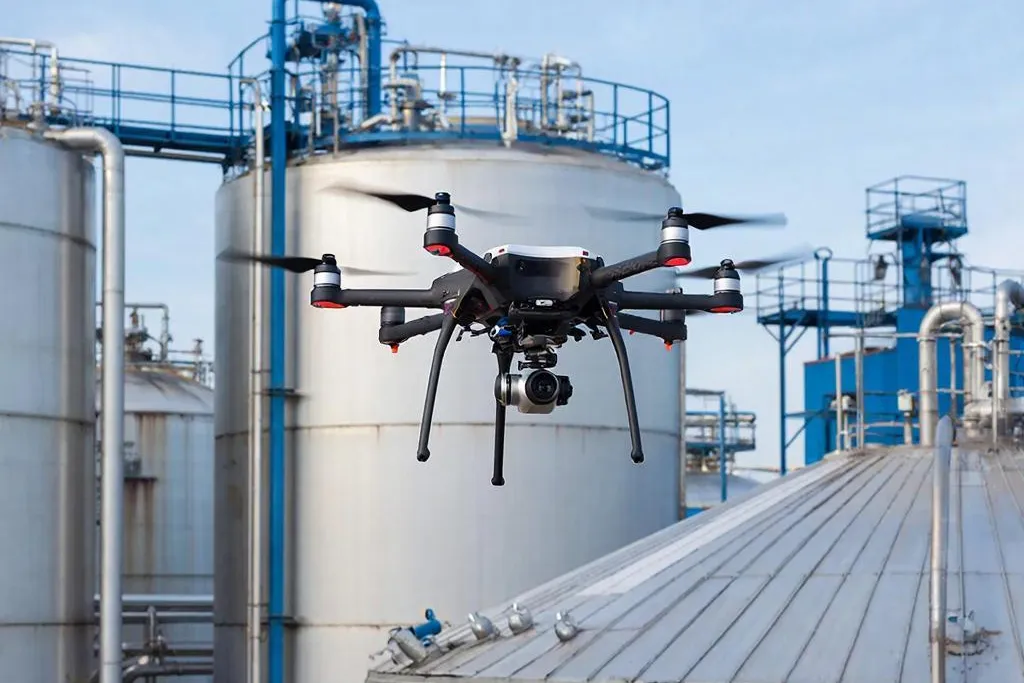
Predictive analytics receives special attention: systems detect potential deviations in equipment performance before they escalate, reducing downtime risks and preventing accidents. These solutions are being implemented both within Rosenergoatom and at research centers developing digital twins for nuclear power plants.
No AI Without Data Centers
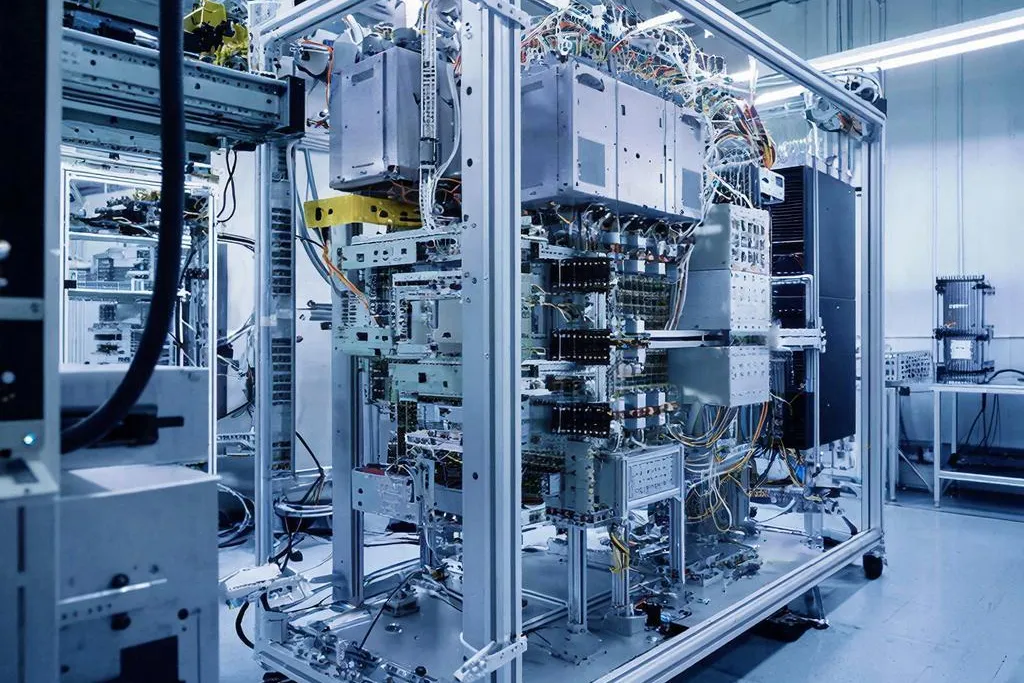
Rosatom emphasizes that the growth of artificial intelligence is impossible without a powerful computing infrastructure. Data centers are viewed as a cornerstone of technological sovereignty. The corporation advocates constructing data centers near nuclear‑generation facilities, where energy supply is stable and abundant, and also participates in shaping national standards for such infrastructure.
Collaboration With Industry Leaders
Rosatom actively collaborates with Sber, Yandex, and leading technical universities. International interest in integrated AI‑driven projects is already visible, particularly from countries participating in energy and infrastructure initiatives involving Russia.
Abakumov stresses that the guiding principle is caution and verifiability. Artificial intelligence must enhance the capabilities of engineers and scientists—not replace them. This approach, he notes, ensures that AI in the nuclear sector evolves safely and effectively, transforming from an experimental technology into a trusted industry tool.