Russia Builds Next-Gen Noise-Reduction Tech for Quieter Aircraft
Researchers in Perm have developed a digitally designed noise-suppression system for aircraft engines that uses 3D-modeled panels to cut material use and weight while boosting acoustic performance.
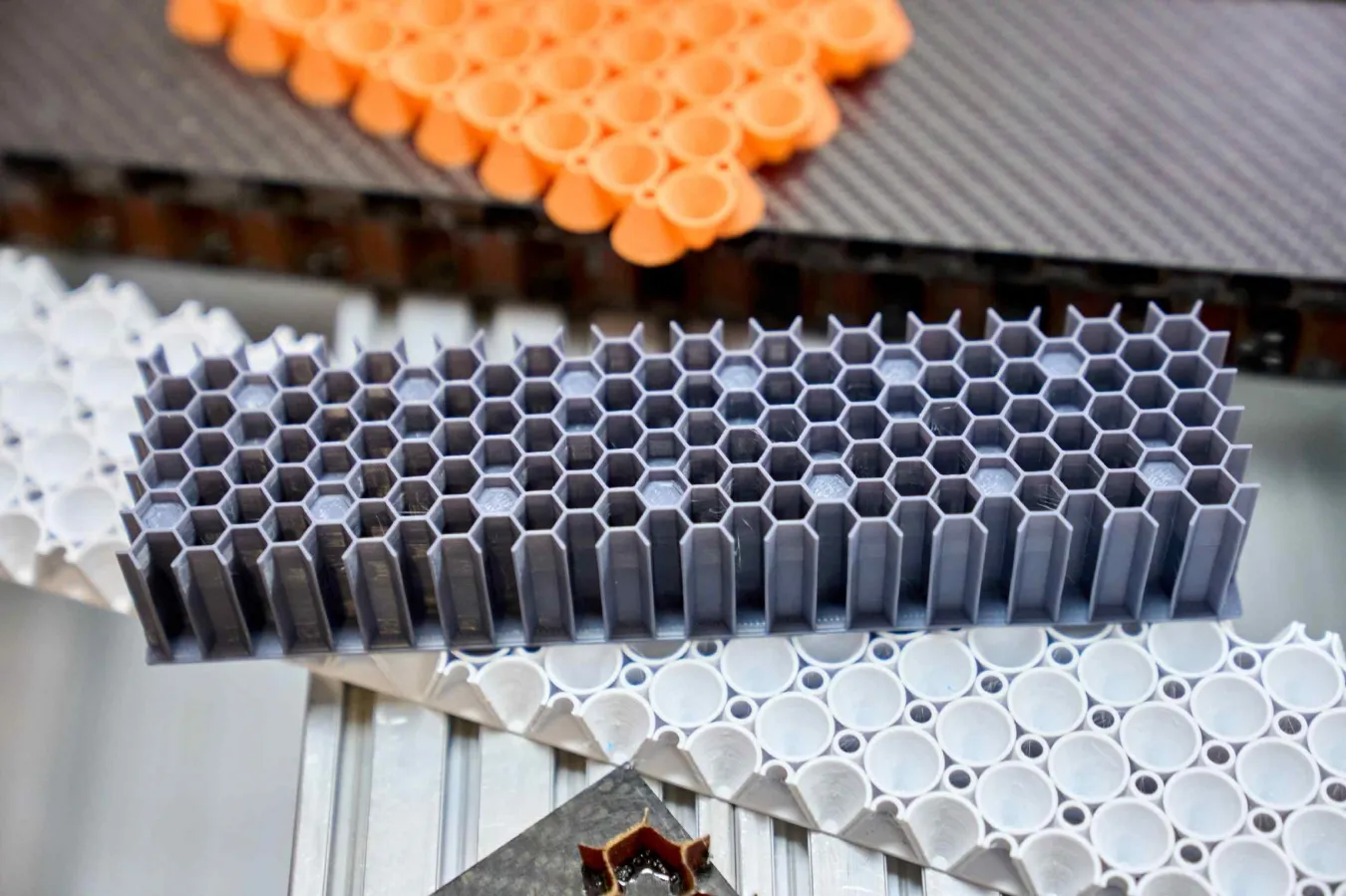
Scientists at Perm National Research Polytechnic University have created a new technology for aircraft noise reduction. The solution is built around advanced acoustic panels that line engine nacelles and airframe elements, allowing manufacturers to reduce the mass and material consumption of these structures by up to one and a half times compared with existing designs.
Noise Reduction Is All About Precision
Noise pollution is one of the major environmental threats of modern aviation. The constant roar of engines not only affects residents near airports, it also reduces in-flight comfort for passengers and creates long-term occupational risks for flight crews.
The uniqueness of the Russian development lies in the shift from traditional, mechanically machined parts to a fully digital production cycle. At the core of the technology is the digital transformation of the entire manufacturing process—from simulation to the final panel.
Silencing a Wide Band of Noise
Engineers first build an accurate 3D model of the future panel, including a complex internal honeycomb structure with cells of varying depth. Based on this model, they fabricate a high-precision mold for the sound-absorbing filler, which is then packed with acoustic materials.
Laboratory tests have confirmed the effectiveness of the technology. According to the developers, the gain in acoustic efficiency is at least 12 percent across a wide frequency range, making aircraft noticeably quieter both inside the cabin and outside.
The invention has already been patented. The researchers note that the technology has strategic importance not only for Russia but for global aviation as well. Similar solutions can be adapted for rail transport, power engineering, and other noise-intensive industries where effective sound control is critical.