Russia Is Developing a Neural Network to Assess Human States Through Brain Activity
Russian researchers are developing a neural network capable of assessing a person’s condition based on brain activity, opening new opportunities for global medicine, science, and education
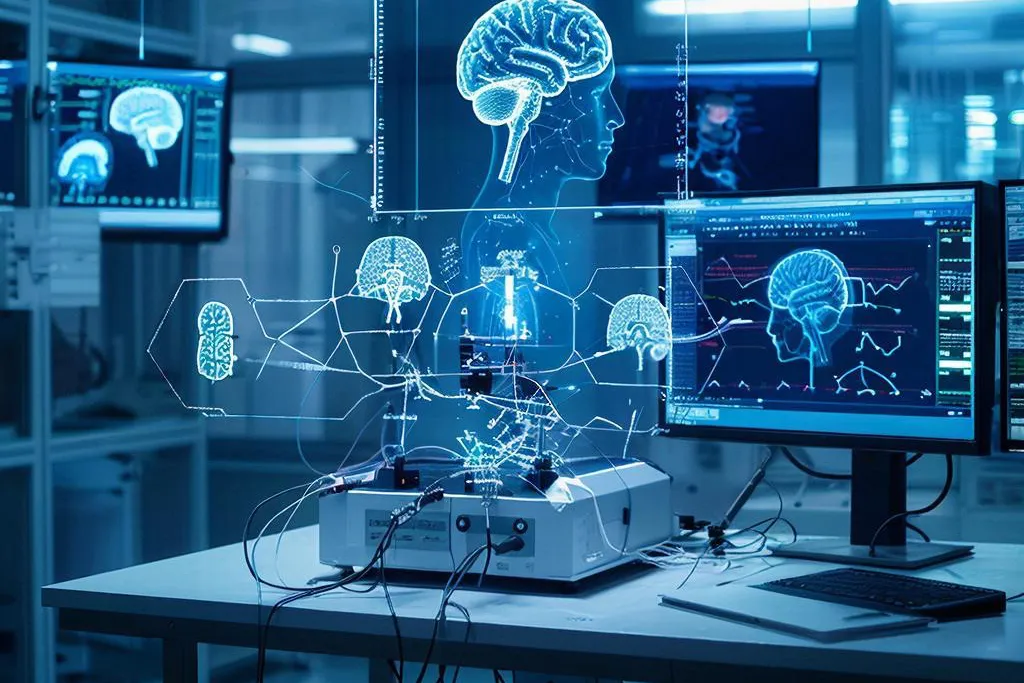
A Unified System for Brain‑Activity Analysis
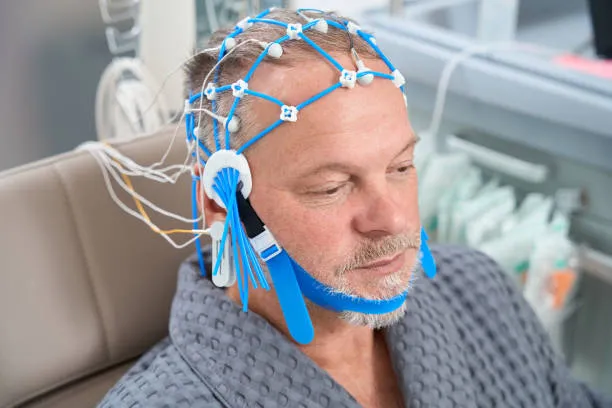
Scientists at Novgorod State University are building a unique neural‑network platform designed to interpret human states using data from neurointerfaces. The software turns raw readings from EEG headsets into a powerful tool for healthcare, research, and learning — transforming the way brain‑activity data can be used outside clinical environments.
The new program solves a major technical challenge: it integrates multiple neurointerfaces — including devices like Mind Link and BrainBit — into a single, unified system. Instead of working with dense numerical arrays, users receive real‑time EEG visualizations in an intuitive format.
Accessible, Adaptable, and Designed for Learning
What makes the project especially important is its accessibility. High‑cost medical equipment is no longer required for meaningful neurophysiological studies. This lowers the threshold for student researchers, universities, and early‑career scientists worldwide.
Building on this platform, developers plan to train a specialized neural‑network model capable of predicting different human states from EEG patterns. Such capabilities may support stress‑prevention programs, attention monitoring, and other emerging areas within digital healthcare.
A Strategic Milestone for Brain‑Health Technologies
The project strengthens Russia’s position in advanced medical‑technology development. By offering an affordable alternative to expensive global equipment, it expands access to brain‑health research and supports the growth of preventive medicine.
Ultimately, the university’s work represents a practical step toward integrating personalized brain‑activity monitoring into everyday life. As neurotechnologies become more widespread, tools like this may help people monitor cognitive load, detect early signs of stress, and understand how their brain responds to daily challenges.