Russia Tests Driverless Electric Truck in Long-Distance Cargo Trial
The vehicle covered a long distance with cargo while operating in autonomous mode.
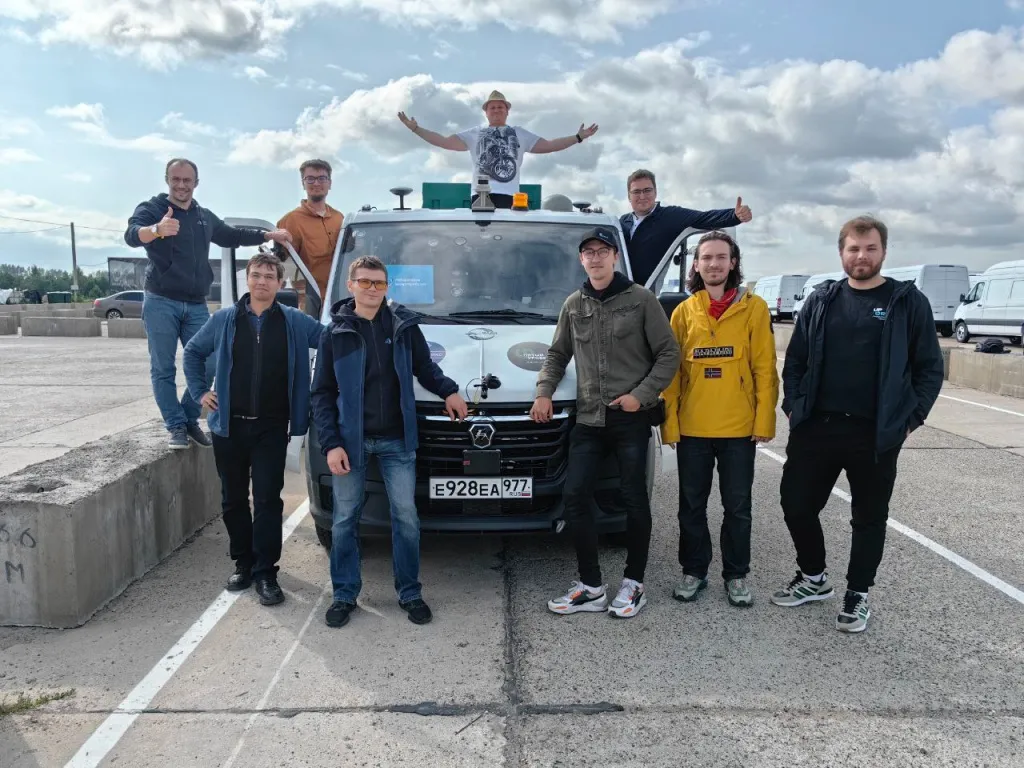
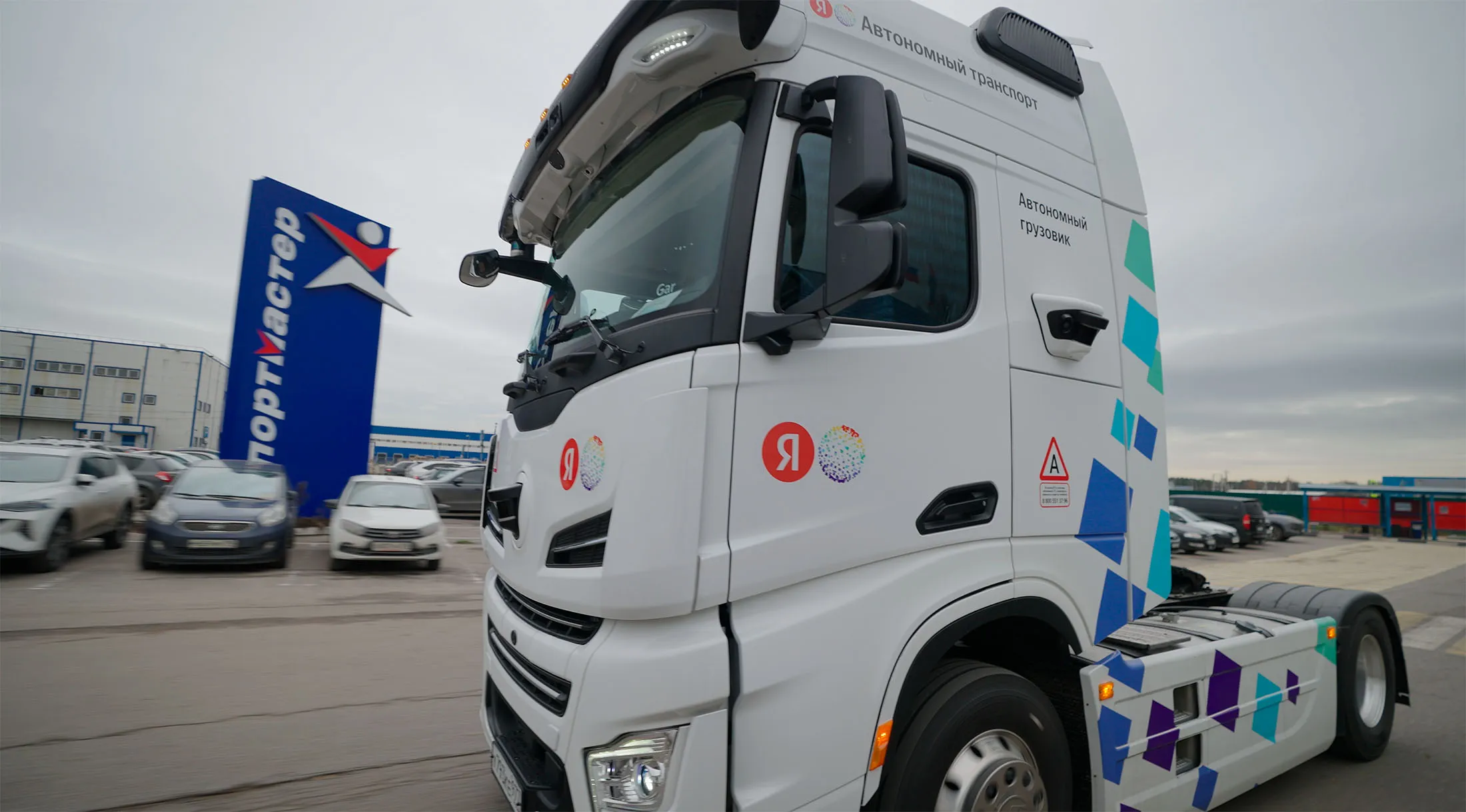
Researchers from the Moscow Institute of Physics and Technology and the Moscow Automobile and Road Construction State Technical University conducted trials of an autonomous electric cargo truck based on the GAZelle e-NN platform.
The navigation system developed for the project enabled the truck to travel a significant distance autonomously while carrying a load, confirming its technical characteristics and securing a win in the Level Five competition. The milestone marks an important stage in the development of domestic transport technologies designed to compete in future mobility systems.
A Full-Fledged Research Platform
Engineers built more than a test prototype. They created a full-scale research platform by upgrading the electric vehicle’s design, adding electric power steering, a traction motor control unit with energy recovery, and brake control modules. All components were integrated into a single electronic system that enables driverless operation. The system continuously processes data from lidars, cameras, and high-precision satellite navigation to generate an accurate digital model of the surrounding environment.
A key feature of the platform is the independence and reliability of its core functions. The system can accurately determine the vehicle’s position and build maps even during temporary loss of satellite signals.
Continuous Data Analysis
The technology was demonstrated during final trials conducted at the Alabuga special economic zone. The truck autonomously covered up to 120 kilometers, delivered a 625-kilogram load, and maintained an average speed of more than 17 km/h, including maneuvers into terminal areas.
The development is primarily aimed at logistics on closed sites such as industrial facilities, warehouses, and distribution centers, where such systems can already be deployed.
The experience gained lays the groundwork for future commercial products in autonomous logistics and reduces reliance on foreign technologies. The project highlights Russia’s potential in the digital transformation of transport and in building intelligent systems capable of operating in challenging climate and infrastructure conditions.