Russia to Begin Biometric Boarding Tests at Pulkovo and Sheremetyevo
Russia is set to pilot biometric boarding for air and rail passengers, starting with Moscow commuter routes and two of the country’s largest airports, as authorities test whether facial recognition can streamline travel without replacing passports.
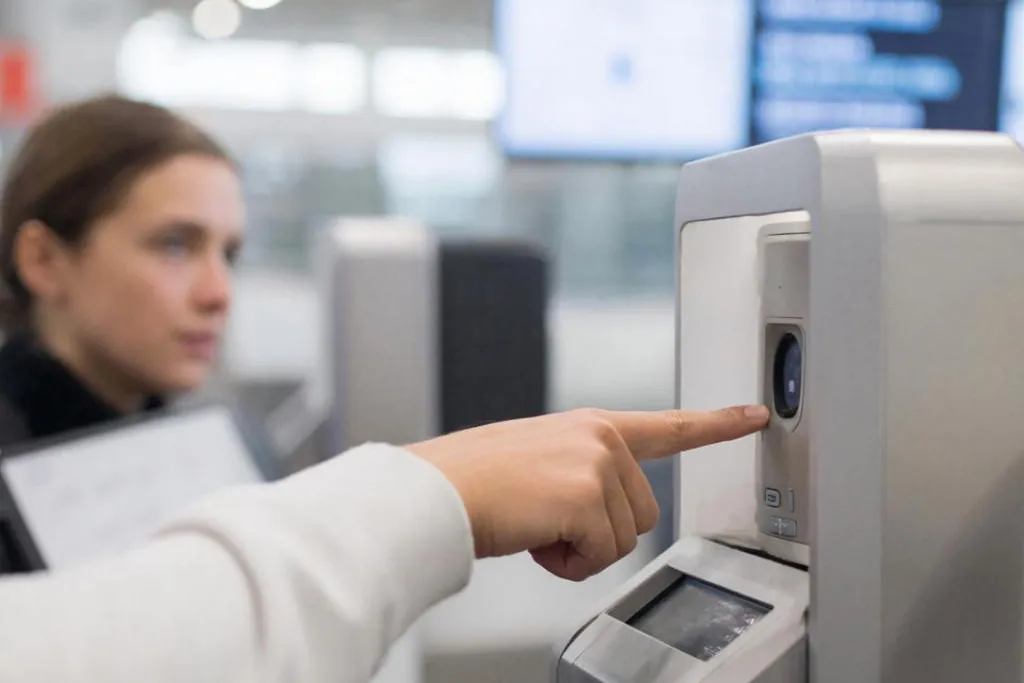
Russia will begin testing biometric technologies for passenger boarding on airplanes and trains later this year. The initial experiments will focus on commuter rail routes in Moscow, according to Andrey Nikitin, head of the Ministry of Transport of the Russian Federation.
In an interview with TASS, Nikitin said that biometric testing on rail transport is already underway.
From Trains to Airports
Aviation trials will follow close behind. In March, biometric boarding will launch in pilot mode at Pulkovo Airport in St. Petersburg. Moscow’s Sheremetyevo International Airport will also join the experiment.
The project is being developed jointly by Aeroflot, the Ministry of Digital Development of Russia, and the Center for Biometric Data.
At Pulkovo, biometric identification is expected to accompany passengers through the entire journey—from check-in to boarding—creating a continuous, document-free flow through the airport.
Optional, Not Mandatory
Biometric identification will serve as an alternative to presenting paper documents during boarding, not a replacement. Participation in the program will be voluntary, with passengers retaining the right to choose between facial recognition and traditional passport checks.
Officials frame the approach as a way to test convenience and efficiency without forcing travelers into a single identification model—an important distinction as biometric systems expand into public infrastructure.
A Broader Biometric Push
The passenger trials are part of a wider rollout of biometric technologies across Russia. As previously reported, facial-recognition-based identification systems in the country have demonstrated close to 100 percent effectiveness in preventing certain types of fraud, positioning biometrics as a new baseline for security rather than just convenience.
If the pilots prove successful, biometric boarding could move from limited trials to broader deployment—reshaping how identity checks work across Russia’s transport network, one face scan at a time.