Russian Nonprofit Claims 5-Minute Deepfake Verification Tool for Election Security
ANO Dialog Regiony says it has built a monitoring and analytics system capable of verifying deepfakes in five minutes during Russia’s State Duma election campaign. The platform is positioned as a rapid-response instrument against synthetic media and coordinated disinformation.

Countering Disinformation
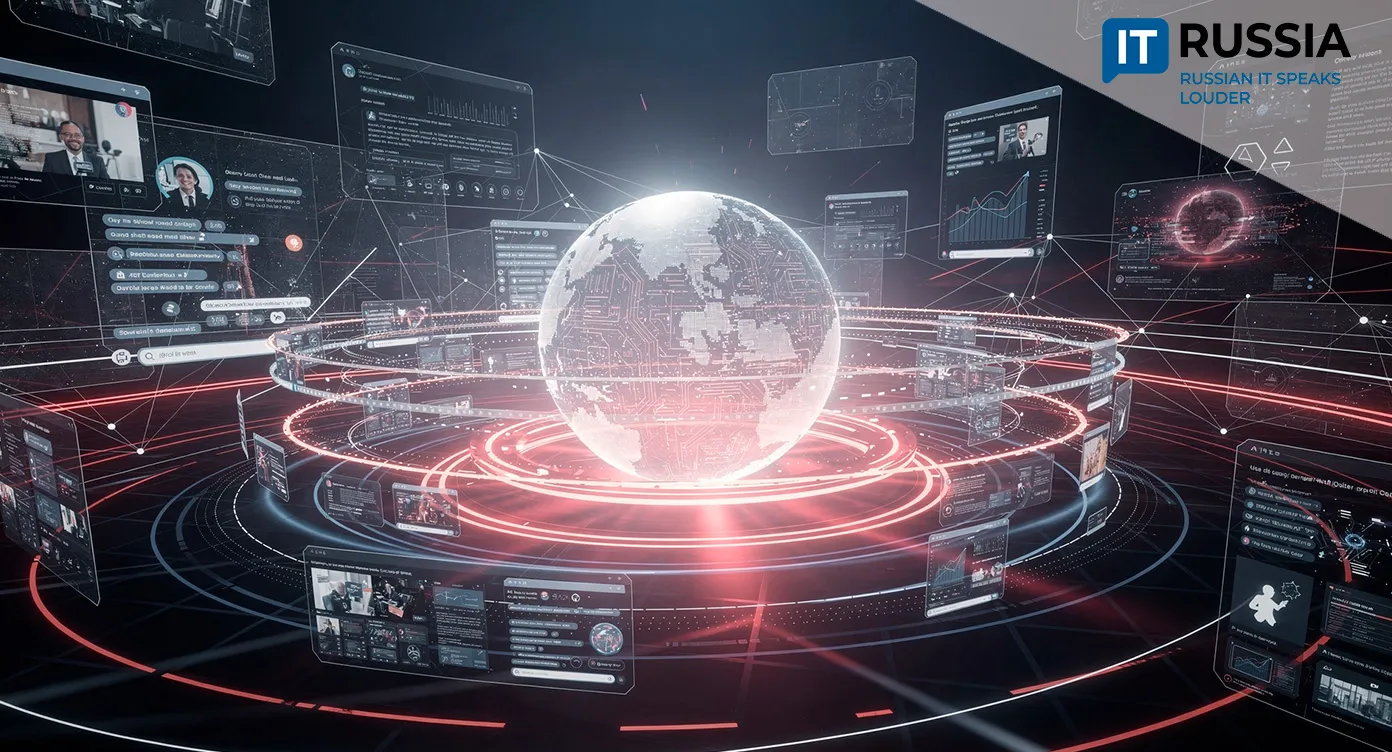
The platform is intended for rapid identification of deepfakes and other false materials circulating online during election campaigns. For the cybersecurity sector, this represents an applied example of machine-driven content analysis and automated verification pipelines. Faster detection cycles matter for media monitoring teams, government communications units and stakeholders seeking to maintain what officials describe as a clean information environment.
The tool is designed for operational use during election cycles, where reducing the volume and velocity of fake content is critical. From a global perspective, similar systems could attract interest abroad. However, the absence of publicly available technical specifications limits immediate international deployment and independent validation.
Technical Performance and Export Potential
The system may be positioned as an exportable technology. To gain traction internationally, it would require algorithmic transparency, interoperability with external platforms and alignment with global AI ethics standards. The growing volume of deepfakes and synthetic narratives is driving demand for automated AI- and machine learning-based detection frameworks. A logical next step would be integration into social media platforms, media analytics services and newsroom verification workflows. Any expansion would need to balance detection efficiency with legal and ethical safeguards.

Within Russia, the platform is already framed as part of the information security infrastructure surrounding elections. Automation of monitoring processes can reduce response time for both state and private media outlets when confronting manipulated content. For sustained impact, transparency of methodology, standardized operating procedures and collaboration with digital platforms and regulators will be essential to ensure compliance and measurable effectiveness.
Critical Thinking and Detection Accuracy
In 2023, ANO Dialog Regiony introduced a monitoring system called Zefir, developed to analyze and detect fabricated audiovisual content, including deepfakes, using a combination of machine learning models. As of February 2026, the system reportedly achieves an accuracy rate of 89 percent. Its processing speed allows specialists to verify any suspected deepfake in no more than five minutes.

In November 2024, TASS and ANO Dialog Regiony signed a memorandum to establish the Mezhdunarodnaya assotsiatsiya po proverke faktov, known internationally as the Global Fact-Checking Network, or GFCN. The stated objectives include uniting the global fact-checking community, developing standardized verification practices and providing systematic training. The initiative also aims to deploy effective tools to combat misinformation. The GFCN website launched in April 2025 as an online hub for experts investigating unreliable information, aggregating current investigations and publishing corrections.
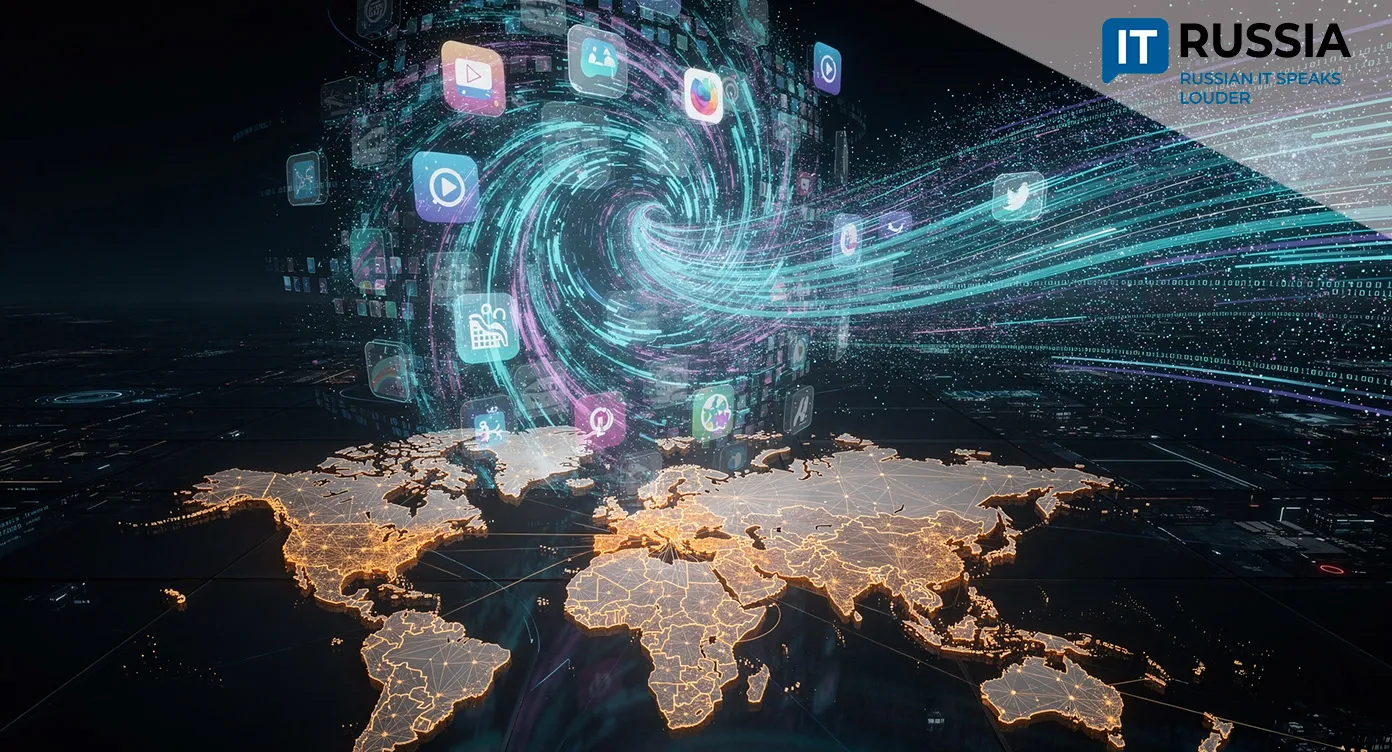
Between 2021 and 2025, nearly 40 million fake messages were recorded in the Russian segment of the internet, averaging approximately 7 to 8 million annually. According to Tikhon Makarov, Deputy General Director of ANO Dialog Regiony, spikes in misinformation tend to accompany major social events. During the COVID-19 pandemic, authorities identified approximately 1.5 million links associated with fake content.

In June 2025, the head of the International Fact-Checking Network, or IFCN, stated that Russia should not create or moderate fact-checking projects. In response, representatives of the Global Fact-Checking Network announced plans to provide free training for fact-checkers worldwide and outlined educational initiatives. GFCN participants reportedly include representatives from all continents.
Part of a Broader Strategy
The rapid deepfake detection project is part of a wider strategy to monitor and analyze the online information space. It aligns with global trends toward using AI to detect manipulated content, though it also raises questions about transparency, independence and independently verified performance metrics.
Further development of such tools appears inevitable as generative AI capabilities expand and synthetic media becomes more sophisticated. If adapted to international standards and accompanied by transparent methodology, the technology could find applications beyond Russia. Domestically, systems of this type are likely to become embedded in the regulatory and operational infrastructure governing the digital information environment, particularly during election periods.