Scientists Learn to Program Metal Properties During 3D Printing
Researchers at NUST MISIS and the Lebedev Physical Institute of the Russian Academy of Sciences have discovered how to control the behavior of a unique alloy during laser-based 3D printing. The finding could reshape the way medical implants and robotic components are manufactured.
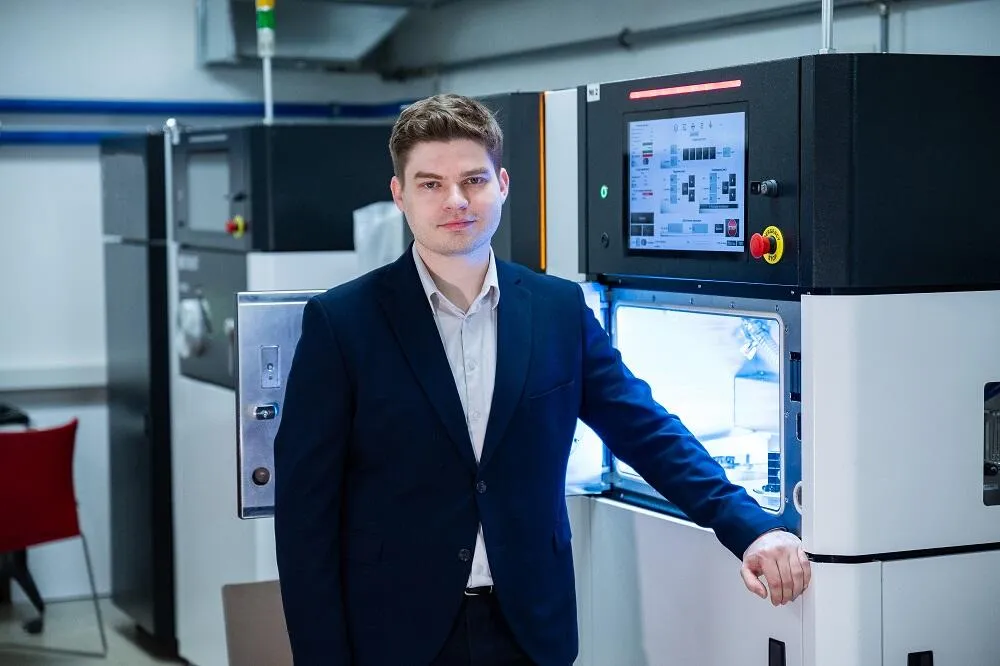
The material in question is nickel-titanium alloy, commonly known as nitinol, a shape-memory material used in medicine, aerospace, and microelectronics. It is widely used in vascular stents, orthodontic wires, and implants. The researchers found that by adjusting laser power and printing speed, they can effectively program the properties of a finished component during production, eliminating the need for additional post-processing.
In practical terms, the researchers gained the ability to control the temperature at which the material recovers its shape or becomes superelastic. Under gentler printing conditions, the alloy can better withstand deformation, while more intensive settings enhance its shape-memory effect.
The findings were published in the journal Journal of Manufacturing and Materials Processing. The research was supported by the Russian Science Foundation.