Smart Weigh Stations Take On Shadow Schemes
In Russia’s Far East, a new generation of automated weigh stations is exposing overloaded trucks and hidden violations, showing how artificial intelligence can turn routine infrastructure into a powerful tool for fair and efficient logistics.
When a Neural Network Becomes an Inspector
In early January 2026, a notable milestone was reached in Russia’s Primorsky Territory. Tsifrovoe Primorye (Digital Primorye) completed a planned modernization of automatic weight and dimension control stations, known by their Russian acronym APVGK. The upgrade covered seven key facilities across the region’s transport network.
At first glance, the project looked like a standard infrastructure refresh: power modules were replaced, new sensors installed, and software rewritten. What fundamentally changed the value of the investment was the introduction of artificial intelligence.
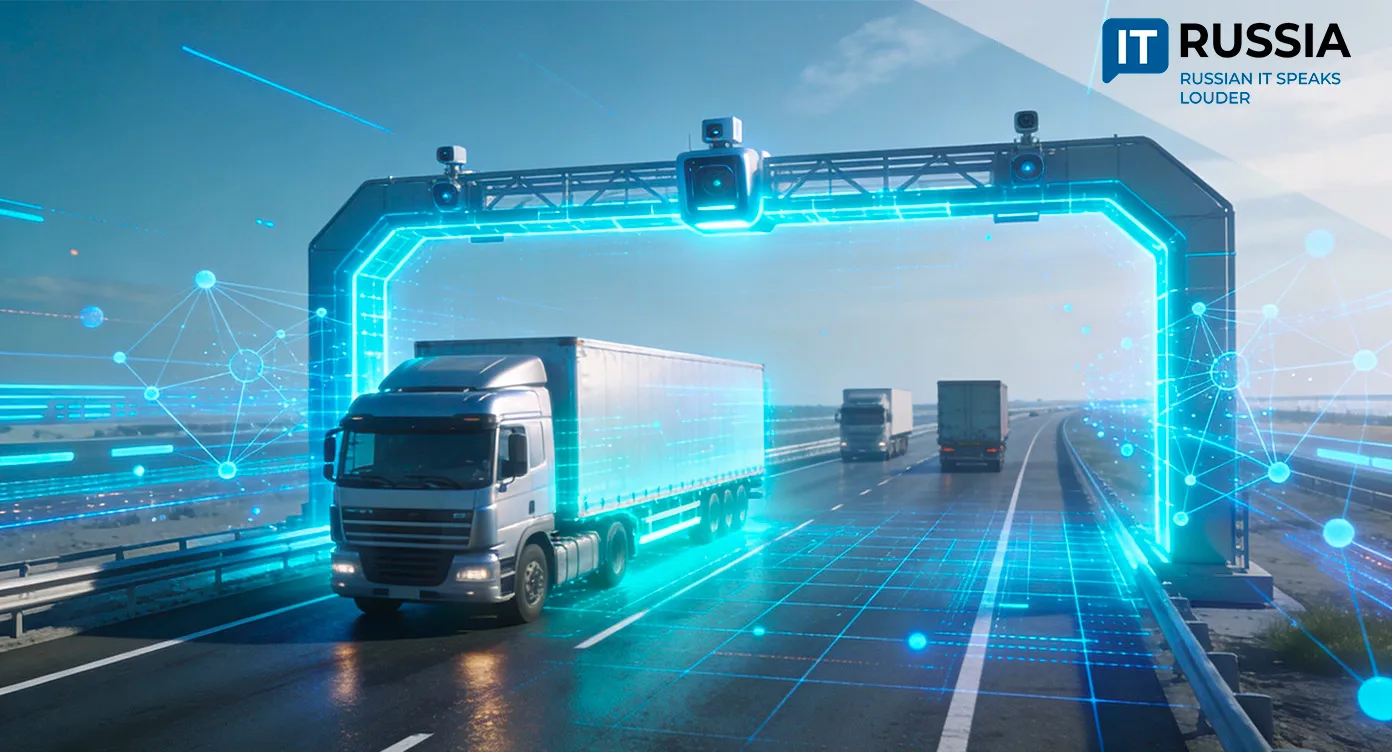
The purpose of APVGK systems has long been clear. These fixed roadside complexes capture passing vehicles and, within fractions of a second, measure weight and dimensions without requiring trucks to stop. For decades, road authorities have faced a persistent problem: violators learned to game the system by covering license plates, darkening windows, or using other tricks to conceal identities and cargo parameters. The new AI-enabled software targets exactly this challenge.
A neural network analyzes live video streams, detects attempts to obscure license plates, identifies structural signs of overloaded vehicles, and does so in real time. In effect, the system has evolved from a set of scales into an intelligent inspector capable of identifying violations on the spot.
Road infrastructure is a public good, and damage caused by overloaded trucks translates directly into budget losses and safety risks for all road users. By improving detection accuracy and making evasion far more difficult, the upgraded system acts as a disciplining mechanism. For carriers, this creates an economic incentive to operate legally, while also extending the service life of roads and reducing long-term maintenance costs.
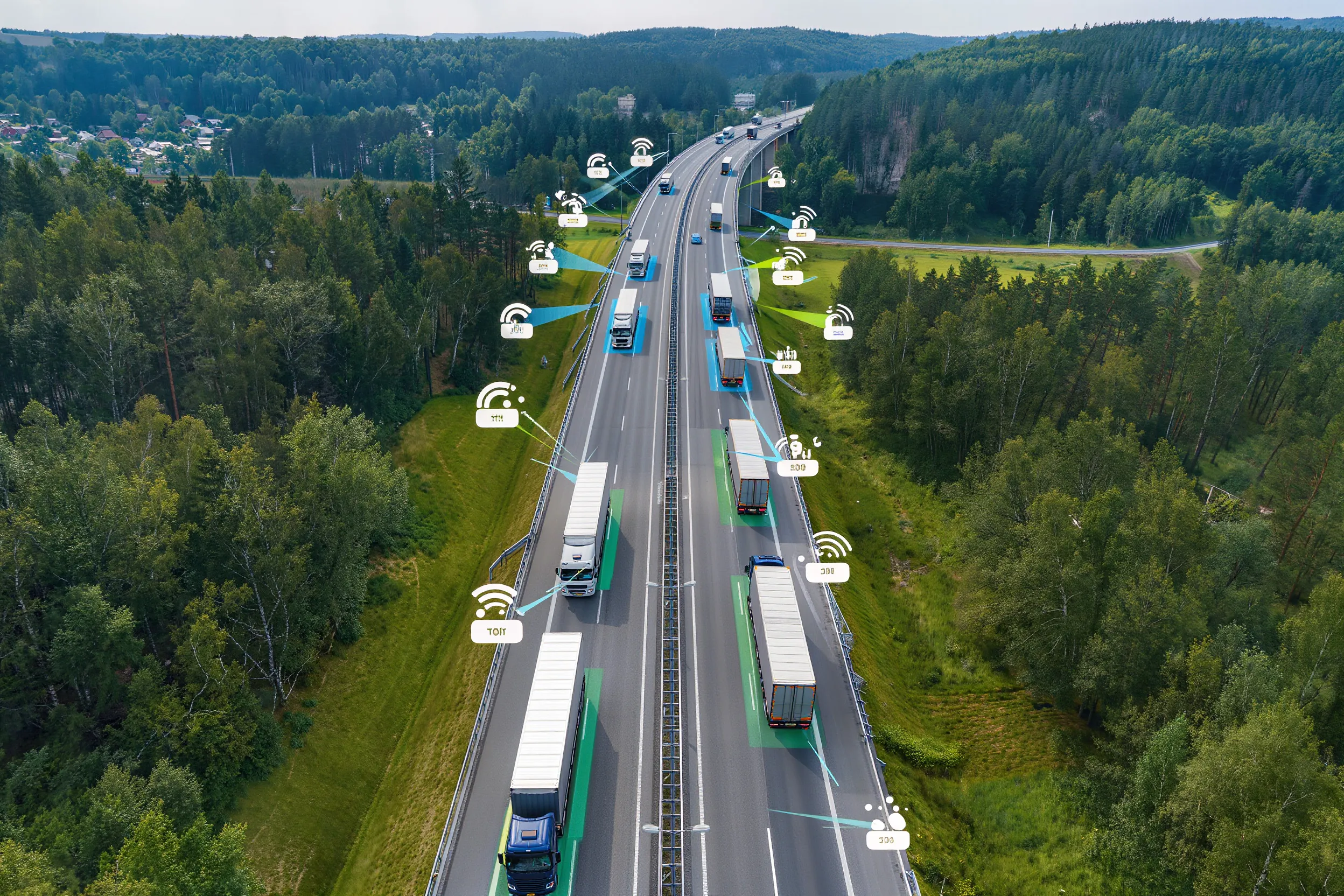
Scaling Up Intelligent Control
At the regional level, the Primorye upgrade is not an isolated case but part of a broader federal effort. The national project Bezopasnye i Kachestvennye Dorogi (Safe and High-Quality Roads) laid the groundwork as early as 2019, when more than seventy APVGK stations were deployed nationwide. Current plans are far more ambitious. Over the coming years, the network is expected to expand to around 1,000 stations on regional roads and 500 on federal highways. Against this backdrop, the Primorye experience with AI becomes a model that can and should be replicated across other regions.


Future development follows several directions. The first is deeper integration of weight control with other transport monitoring systems. Russia’s Platon toll system, for example, already collects data on freight movements along federal highways. Combining these data streams would make it possible to build a comprehensive profile of each carrier: where it operates, what it transports, what parameters are declared, and how those compare with actual measurements. The second direction is predictive analytics. Data accumulated by AI modules can underpin traffic forecasting, optimization of cargo distribution, and even preventive planning of road maintenance. The third direction is export potential.

From Mechanical Scales to Intelligent Roads
Russian developments in AI-based transport control are attracting attention in countries where road infrastructure is expanding rapidly but digital oversight systems remain underdeveloped. CIS states and parts of the Asia-Pacific region face similar challenges related to overloading and accelerated road degradation.
Adapting the Primorye solution to international standards could open new markets for Russian IT developers, transforming a local project into an exportable technology. The evolution of weight and dimension control in Russia reflects a broader technological shift. Early APVGK systems were purely mechanical: a plate beneath the asphalt, a simple sensor, and paper printouts. Electronics came next, bringing digital displays and data recording. By 2019, when the national project was launched, automated systems with basic data processing were already in use, but they remained limited. They could register violations but lacked tools to analyze their causes or the behavior of offenders.
The current stage involves embedding AI into an already deployed control network. This is not a wholesale replacement of infrastructure but a targeted modernization of software and sensors, making the transition economically justified. In parallel, the industry is researching ways to combine telematics data and video analytics for fully automated control.
International research forums increasingly publish studies on hybrid approaches that integrate satellite data, video recognition, and machine learning. The Primorye project fits squarely into this global trend, demonstrating that Russia is keeping pace in the development of intelligent transport systems.
Toward a Network of Smart Roads
The conclusions drawn from the Primorye experience are optimistic. AI-based solutions have moved beyond theory and are now delivering tangible results in real operating conditions. Digitalizing weight control is not a narrow, specialized initiative but a central element of modernizing the country’s transport infrastructure.
Such systems can significantly reduce the impact of the human factor in enforcement, improve fairness and objectivity in penalties, and, most importantly, close the economic loop in which violating the rules simply stops making financial sense.
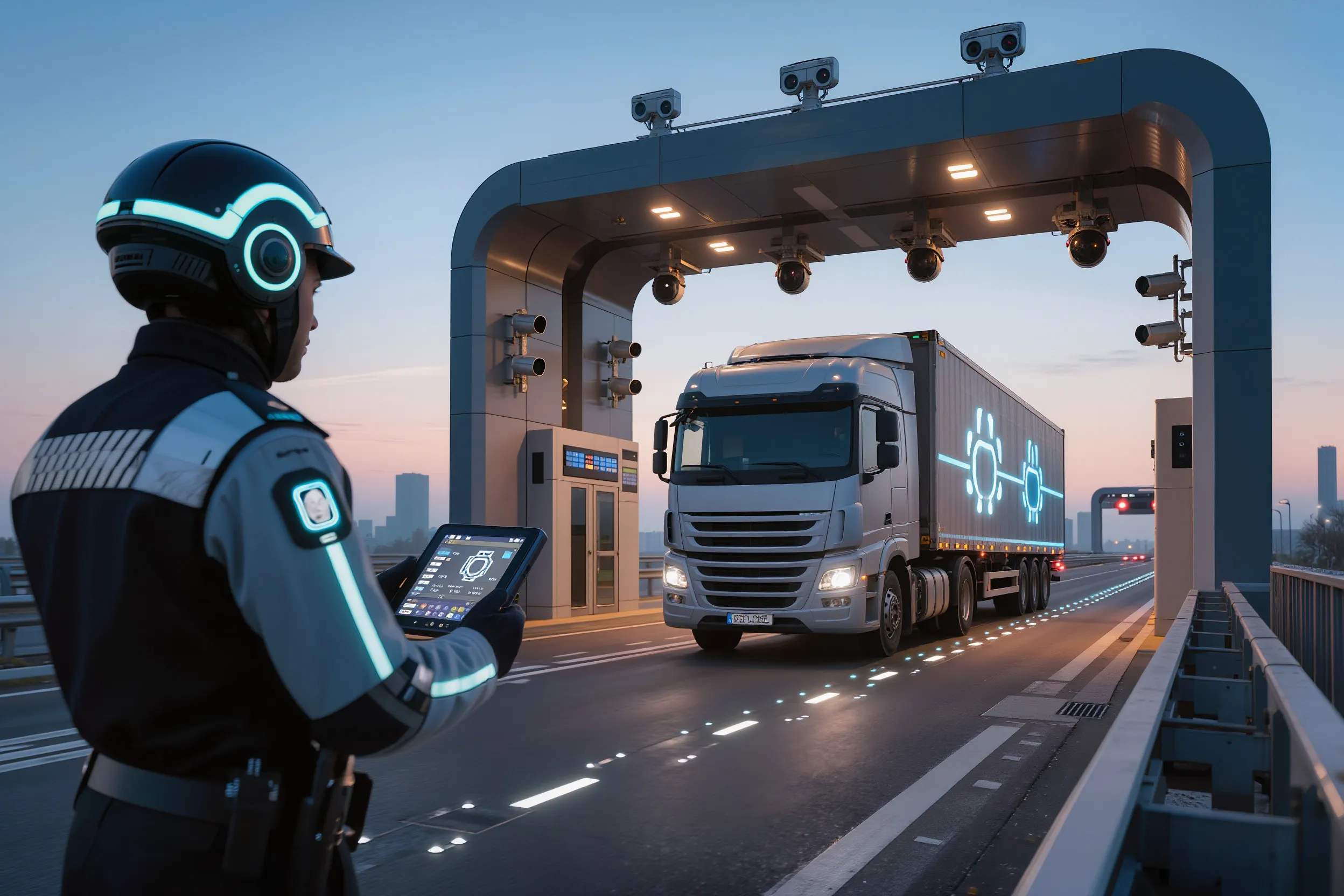
Looking ahead to the 2028–2030 period, the trajectory is clear. Over the next two to three years, the rollout of intelligent APVGK stations on federal highways is expected to accelerate, with the primary focus on adding AI components to existing infrastructure. In parallel, the industry is researching ways to combine telematics data and video analytics for fully automated control. Comprehensive freight monitoring platforms are likely to emerge, combining satellite navigation, license plate recognition, cargo document analysis, and automated interaction with carrier databases. By 2030, these systems are expected to become the norm rather than the exception.
Meanwhile, global interest in Russian solutions is set to grow. Post-Soviet countries and developing Asia-Pacific economies are looking for technology providers to support their own transport networks. The Primorye project is more than an upgrade of a single road; it represents a blueprint for a future network of smart roads.