AI in Nuclear Power: Automation Does Not Remove Responsibility
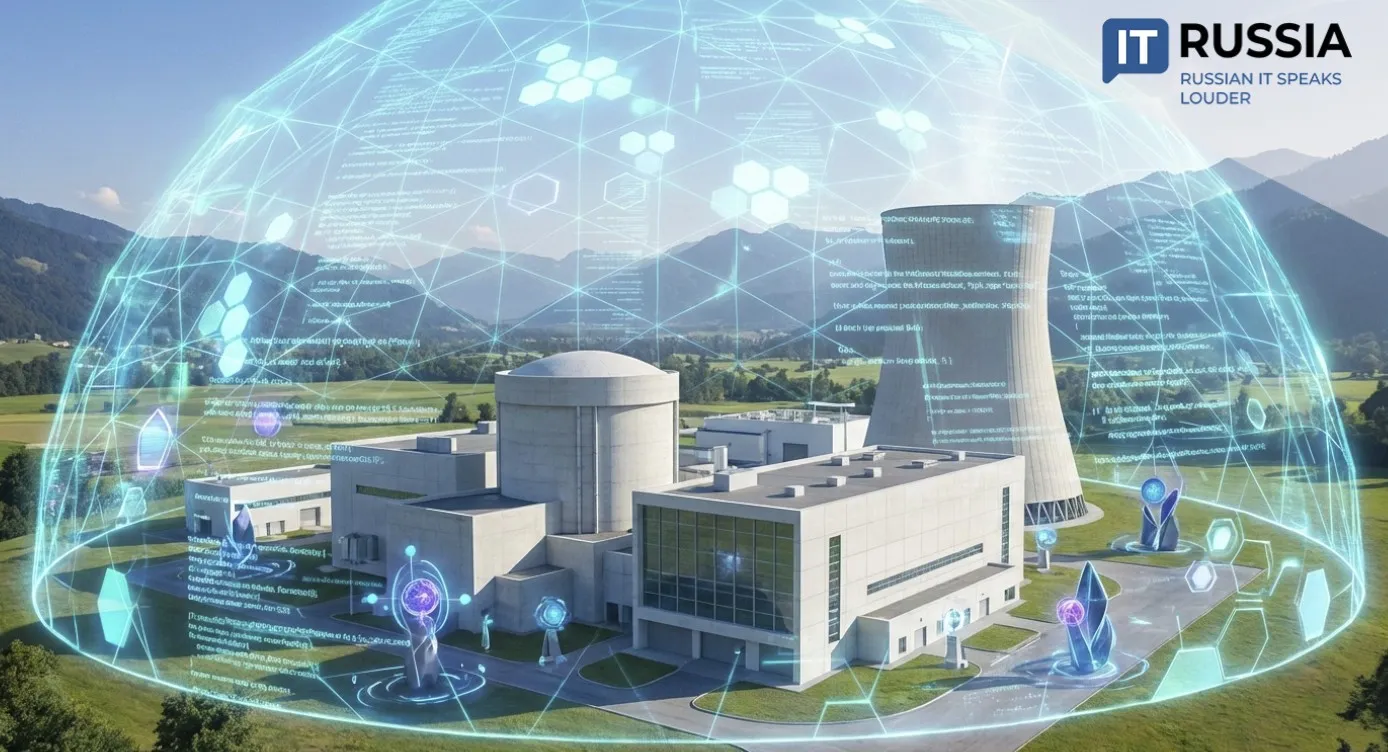
In nuclear power generation, artificial intelligence is already working with data and forecasts, but it remains a tool that supports human operators rather than replacing them. Safety, rules, and decision transparency remain the overriding priorities.
AI as a Tool
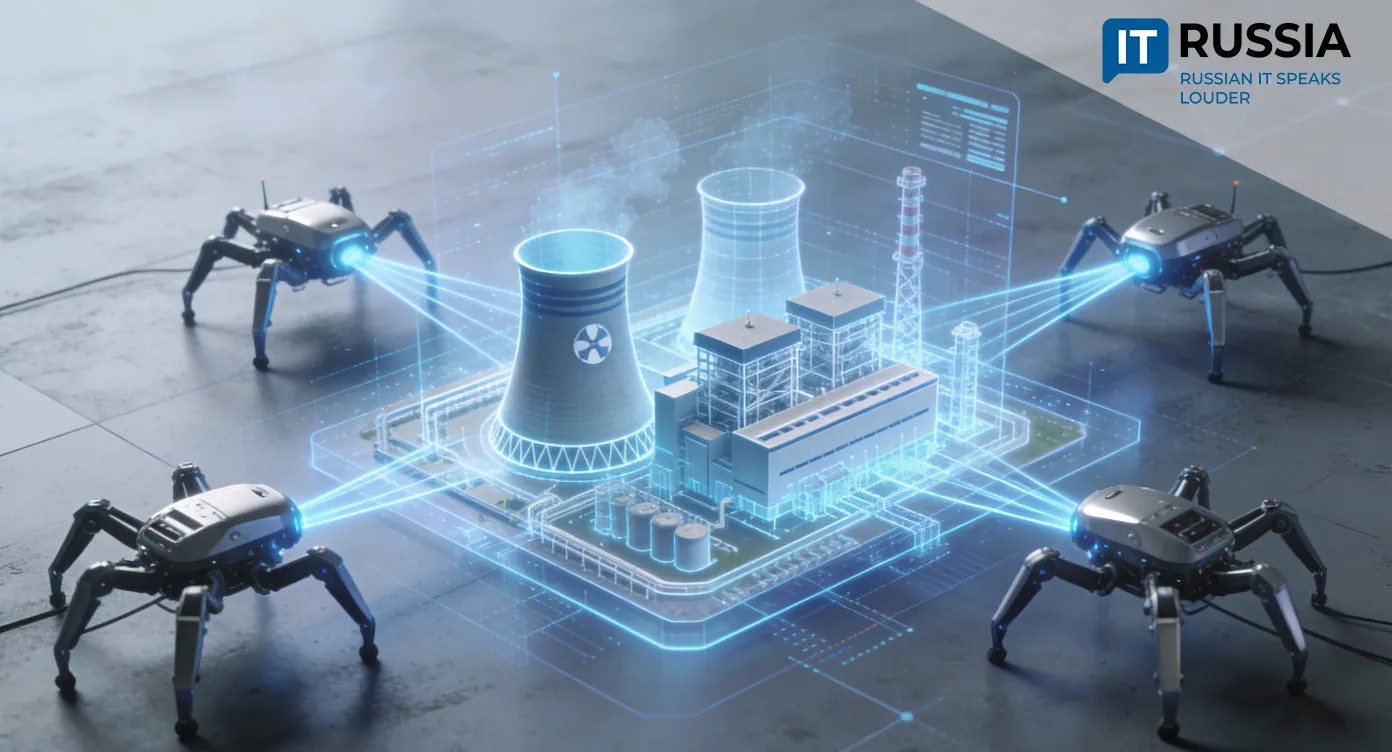
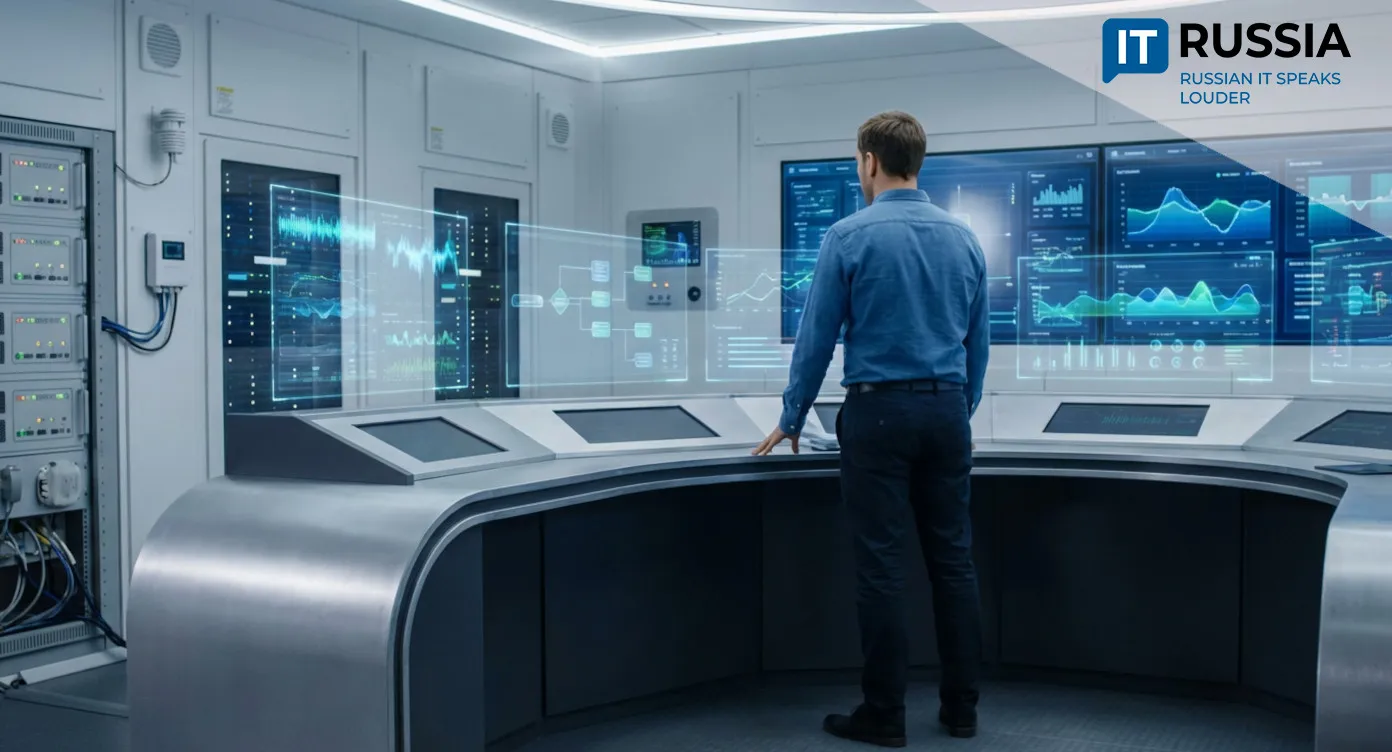
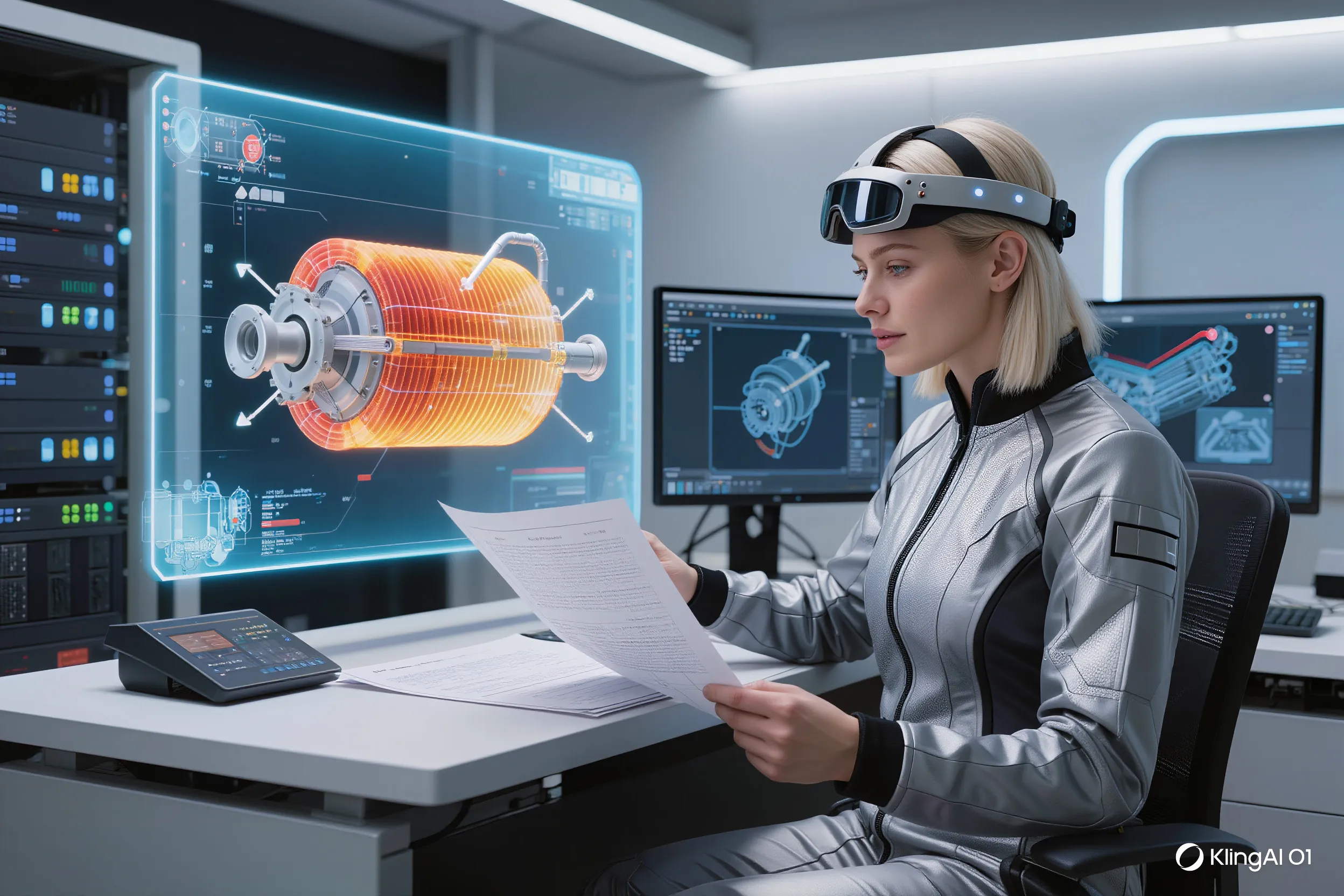
Today, nuclear power relies on what is often described as “weak” or narrow AI. These are machine-learning algorithms and analytics modules designed to solve specific tasks, such as processing sensor data, assessing equipment condition, or forecasting potential failures. They significantly accelerate work with large volumes of information but do not make safety-critical decisions on their own. In practice, this approach supports maintenance planning, early anomaly detection, and higher operational reliability.
AI algorithms are already used across different stages of a nuclear plant’s lifecycle, from design through operation to decommissioning. They help verify fuel quality, analyze radiation conditions, and model processes to optimize equipment performance. In every case, however, the final decision remains with a human specialist who bears responsibility for the outcome.
International Standards and the Role of the International Atomic Energy Agency
The International Atomic Energy Agency plays an active role in coordinating approaches to the use of AI in nuclear energy. The Agency supports technological development while emphasizing strict requirements for safety and transparency. Experts insist that systems must be explainable and verifiable rather than functioning as “black boxes” whose outputs cannot be understood or independently assessed.
In the nuclear sector, any decision can have implications for environmental protection and public safety. As a result, international standards and regulatory frameworks require mandatory human involvement in all key decisions.


How AI Helps in Practice
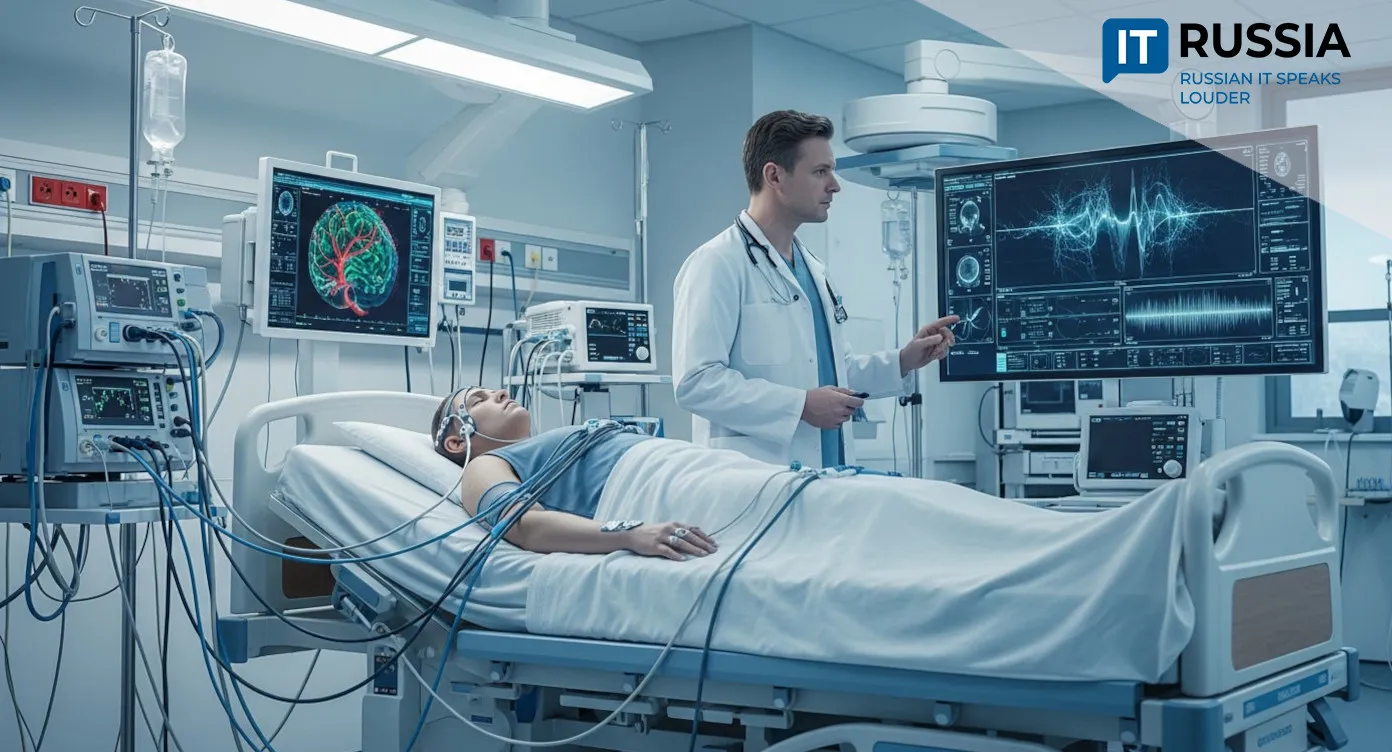
At Russian facilities, real-time analytics systems are already in use. These systems can, for example, track changes in equipment vibration or temperature and provide early warnings of potential issues. This enables maintenance to be scheduled before serious faults occur and helps reduce unplanned outages.
At certain nuclear power plants and industrial sites operated by Rosatom, AI is also used to automate quality control, lowering the risk of human error. In design and materials science, algorithms assist engineers in identifying optimal solutions, accelerating development and reducing the need for costly physical testing.
The Boundary Between Automation and AI
Automation based on predefined algorithms and logic has long been successfully deployed at nuclear power plants. Such systems handle routine tasks and provide rapid parameter monitoring. AI extends diagnostic and forecasting capabilities, but it does not operate autonomously. Every AI module functions within predefined objectives and under human supervision.
Attempts to grant AI autonomous authority over reactor control or other critical systems are widely viewed as dangerous. They can create a false sense of trust in systems that may fail to account for context or unexpected conditions. As a result, responsibility for key decisions continues to rest with human operators.
Risks and Safety Culture
One of the most serious challenges is the illusion of control. When a system runs smoothly and produces forecasts, it is easy to assume it “knows everything.” In reality, AI works only with the data it is given and cannot account for unknown factors. This makes safety culture, clear procedures, and continuous staff training just as important as the technology itself.
Each nuclear plant is also unique. Transferring solutions from one facility to another requires careful adaptation and validation. Scaling technologies without comprehensive verification carries significant risk.